


Primary sourceArtifactc. 1089-1092
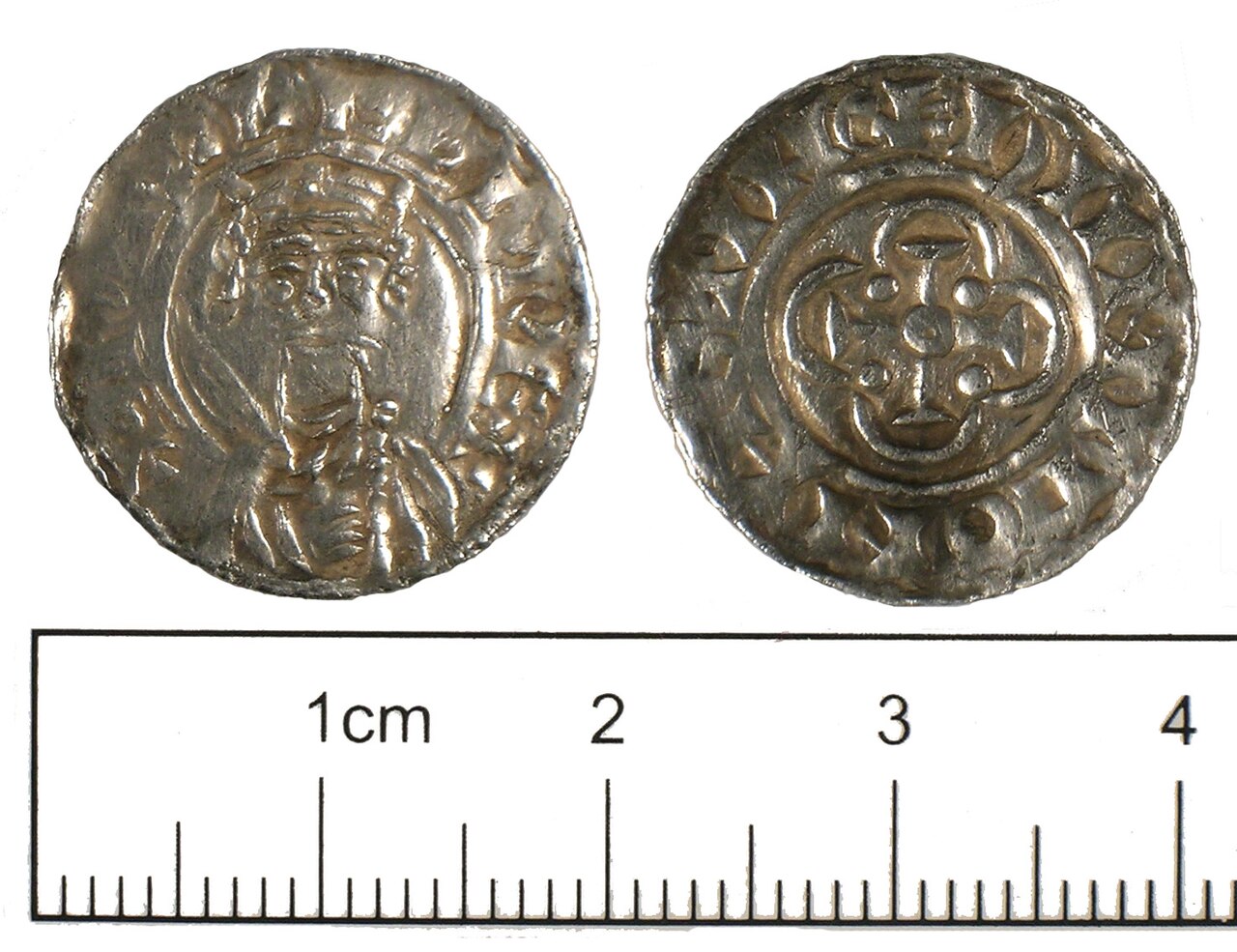
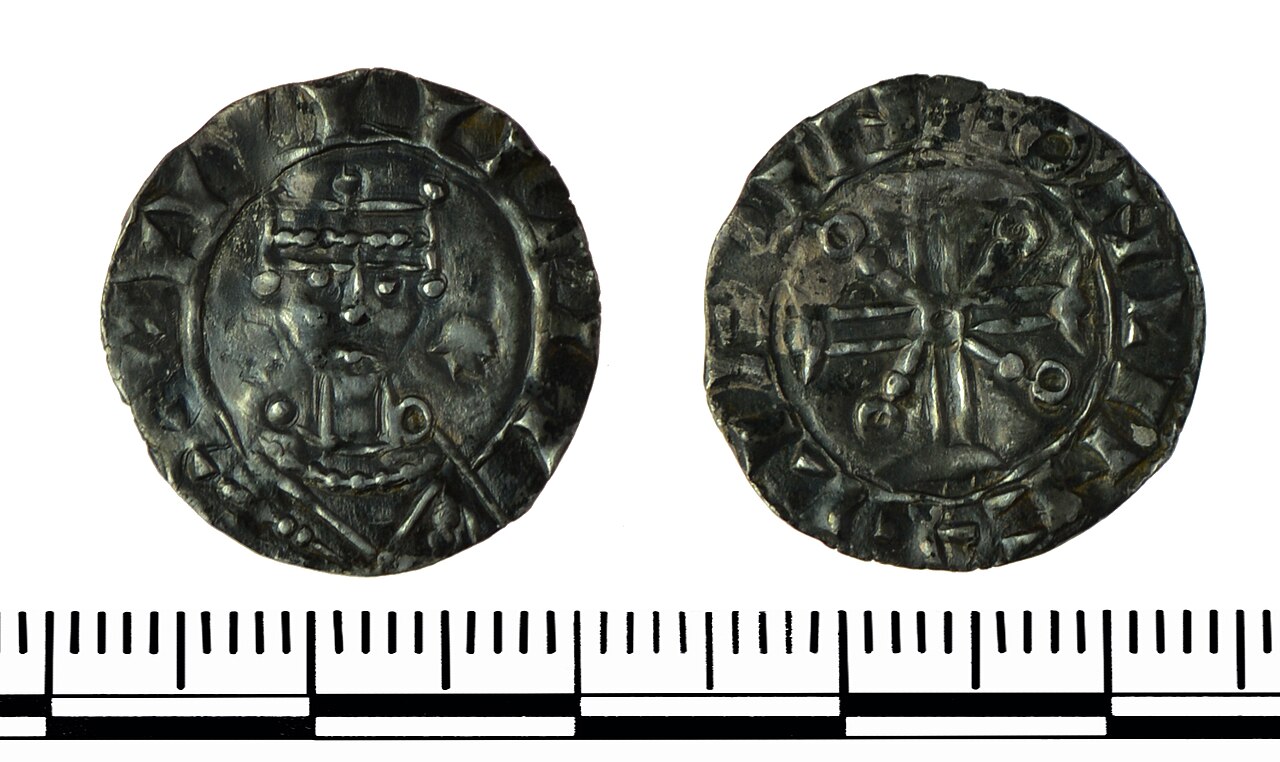
Silver Penny of William II 'Rufus' Minted at Hastings
Dunning (moneyer), Hastings mint · c. 1089-1092
A double-struck silver penny issued in William II's name, minted at Hastings by the moneyer Dunning.
Issued in his name and reign, this rare coin is direct evidence of William II's royal coinage system.
About this source
What it is
This medieval silver penny of the 'Cross in Quatrefoil' type was struck for William II ('Rufus') at Hastings by the moneyer Dunning (DVNIC), dating to about 1089–1092. The obverse was double-struck. It is recorded by the Sussex Archaeological Society.
Why it matters
Records show Dunning minted coins at Hastings for William I, but examples under William II are rare — only a handful are known. This coin is therefore valuable evidence for how coinage and moneyers carried on, or changed, between the reigns of father and son.
Look closer
- What differences can you spot between the obverse bust and the reverse cross design?
- Why might a striking error, like a double-struck image, happen during minting?
- What does the rarity of this coin type tell us about record-keeping in the past?
This artifact is part of the curated material that grounds the AI version of William II of England on Humy.ai — when students ask about related events, the AI can quote it and cite it.
More William II of England sources
Browse all 71 →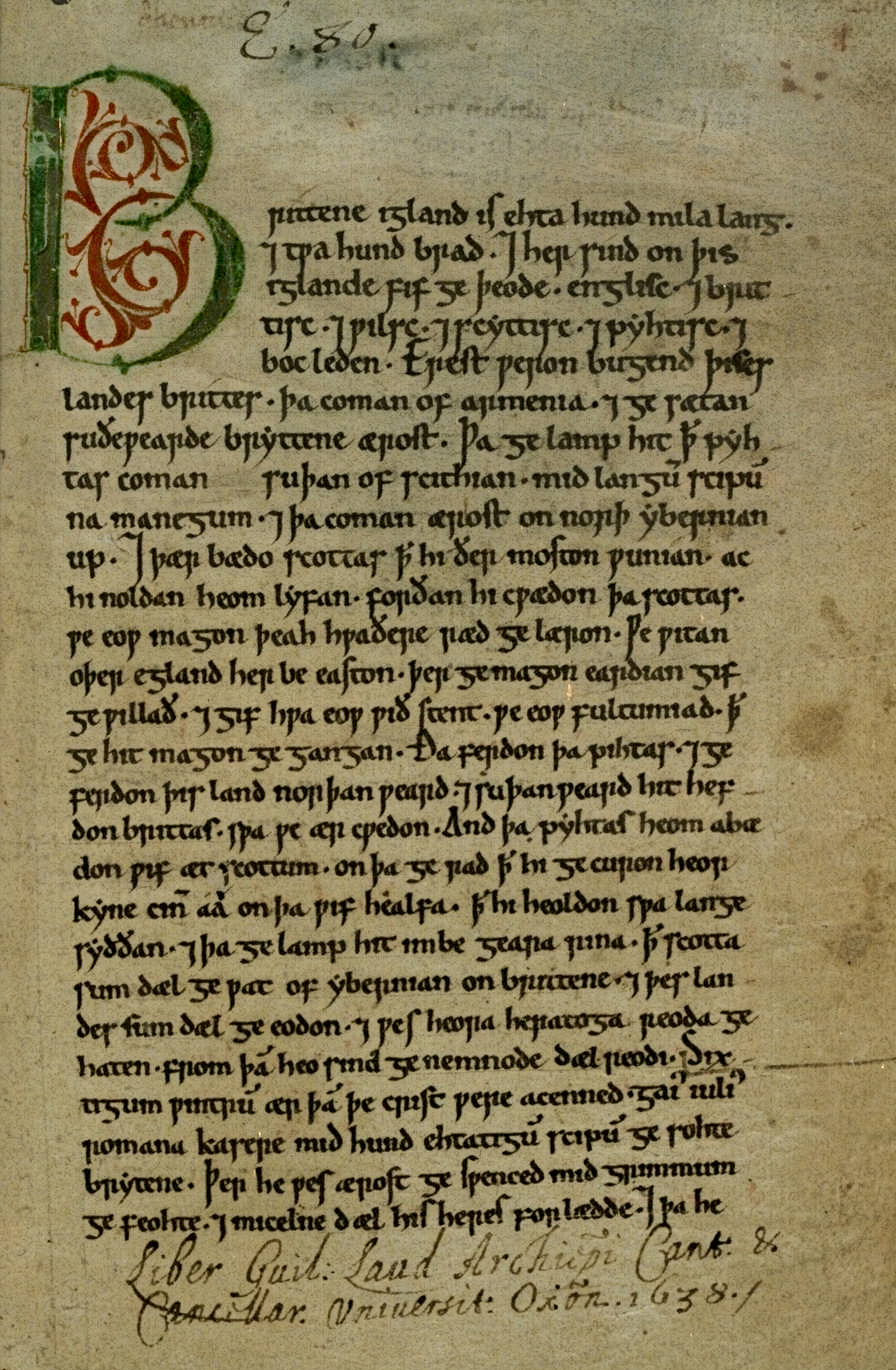 Book
Primary source
Peterborough Chronicle
c. 1130
 Artifact
Primary source
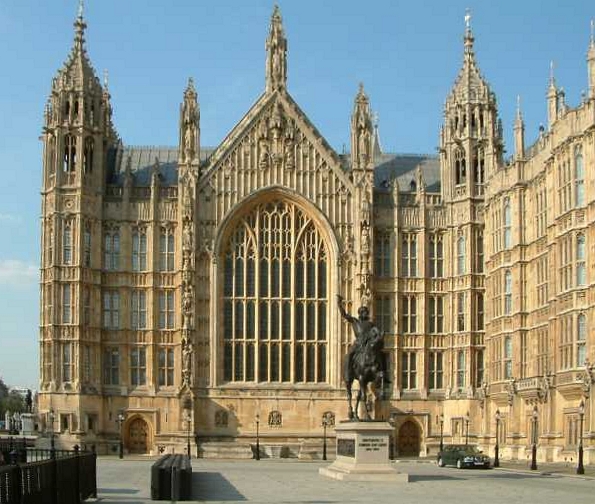
Westminster Hall
built 1097-1099, remodelled 1393
 Artifact
Primary source
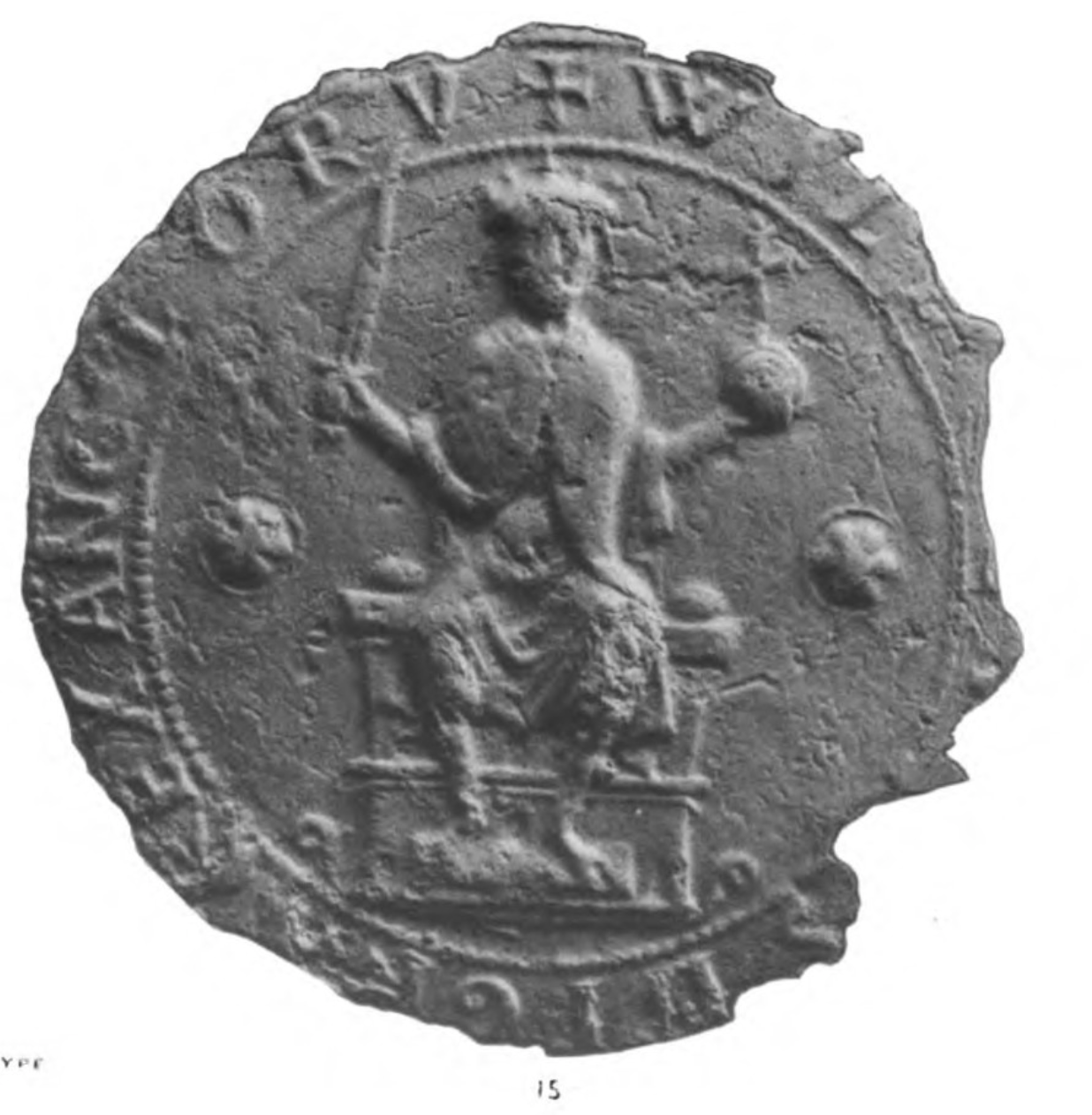
Great Seal of William II
Royal chancery of William II · c. 1087–1100
 Artifact
Primary source
Silver pennies of William II
Royal moneyers under William II · 1087–1100
Free account
Read every William II of England source
Sign up free →
Ready when you are
Start chatting with William II of England now.
20 messages free · No credit card · Available in 50+ languages.