


Primary sourcePainting1712 (after a 1702 portrait)
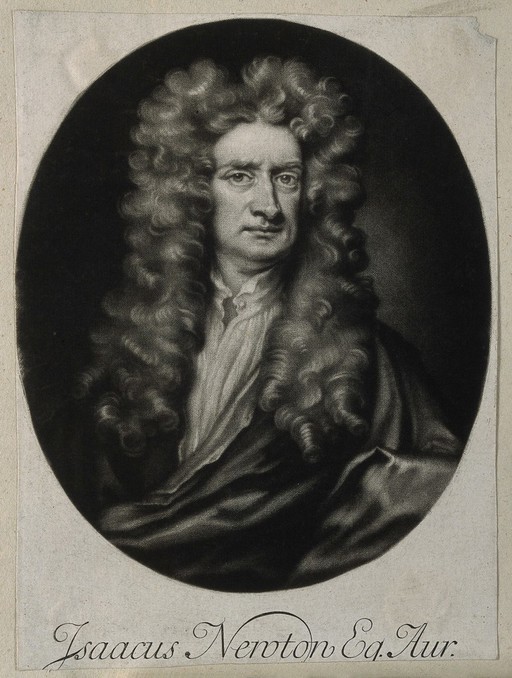
Sir Isaac Newton, mezzotint by J. Smith, 1712, after Kneller
J. Smith, after Sir Godfrey Kneller · 1712 (after a 1702 portrait)
A 1712 mezzotint of Newton copying Godfrey Kneller's 1702 portrait, made within Newton's lifetime.
A lifetime-era mezzotint copying Kneller's well-known portrait of Newton.
About this source
What it is
This mezzotint, made in 1712 after J. Smith, reproduces a 1702 portrait of Isaac Newton by Sir Godfrey Kneller. It shows Newton in an oval frame, wearing a curled wig and draped robe. It is held by the Wellcome Collection.
Why it matters
This print shows how Kneller's influential portrait of Newton continued to be copied years after it was first painted, spreading a consistent image of the scientist. Such prints were a common way for the public to know what prominent figures looked like before photography existed.
Look closer
- Why do you think this portrait was placed in an oval frame?
- What might the choice of a loose, draped robe suggest about how Newton wanted to be seen?
- How does copying a portrait across different prints change or preserve its message?
This painting is part of the curated material that grounds the AI version of Isaac Newton on Humy.ai — when students ask about related events, the AI can quote it and cite it.
More Isaac Newton sources
Meet the AI Isaac Newton →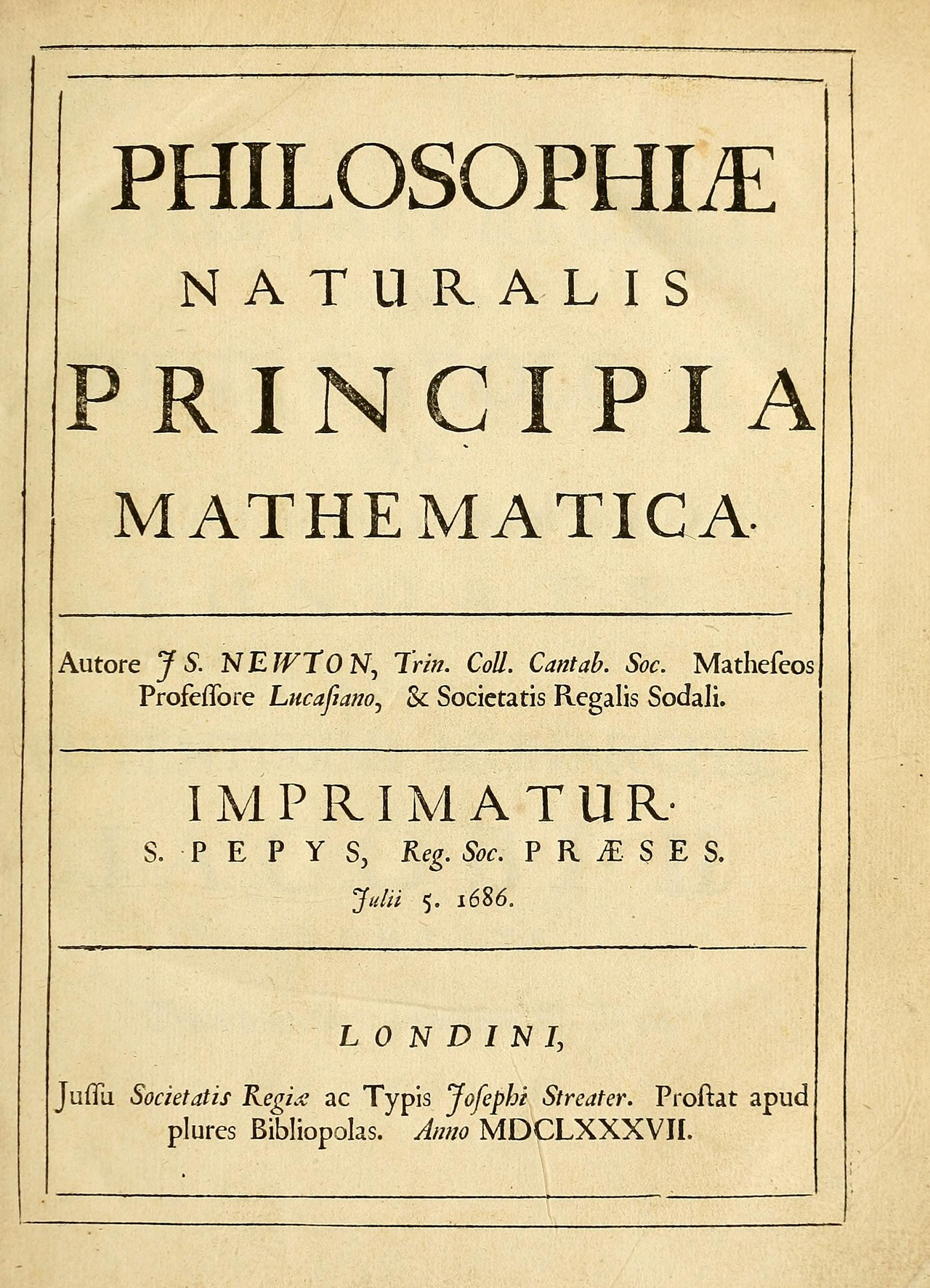 Book
Primary source
Philosophiæ Naturalis Principia Mathematica
Isaac Newton · 1687
 Book
Primary source
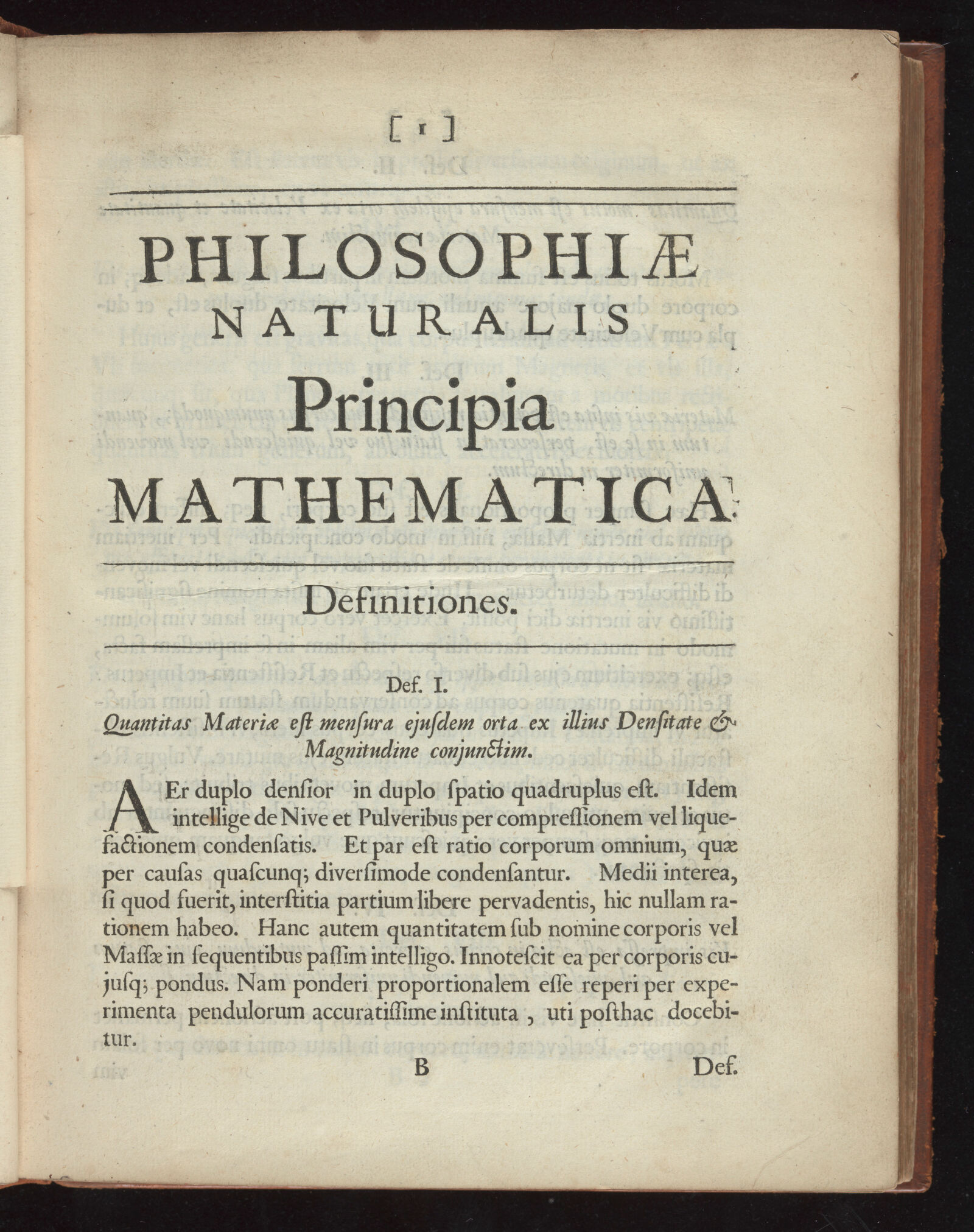
Principia Mathematica, Page 1: Definitions
Isaac Newton · 1687
 Painting
Primary source
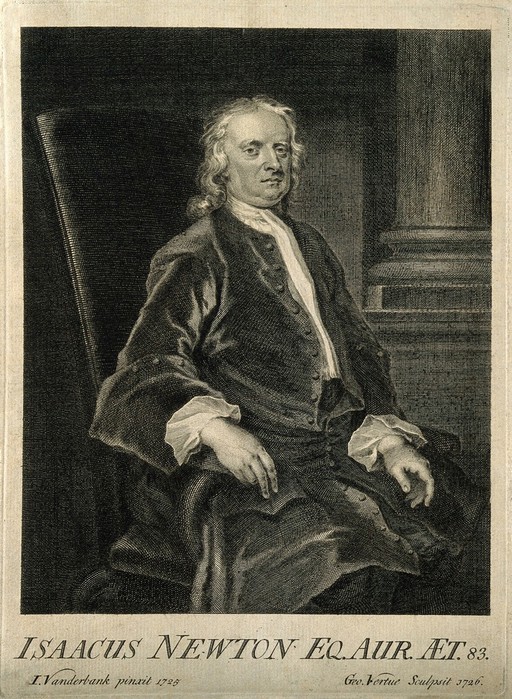
Sir Isaac Newton, line engraving by Vertue, 1726
George Vertue · 1726
 Document
Primary source
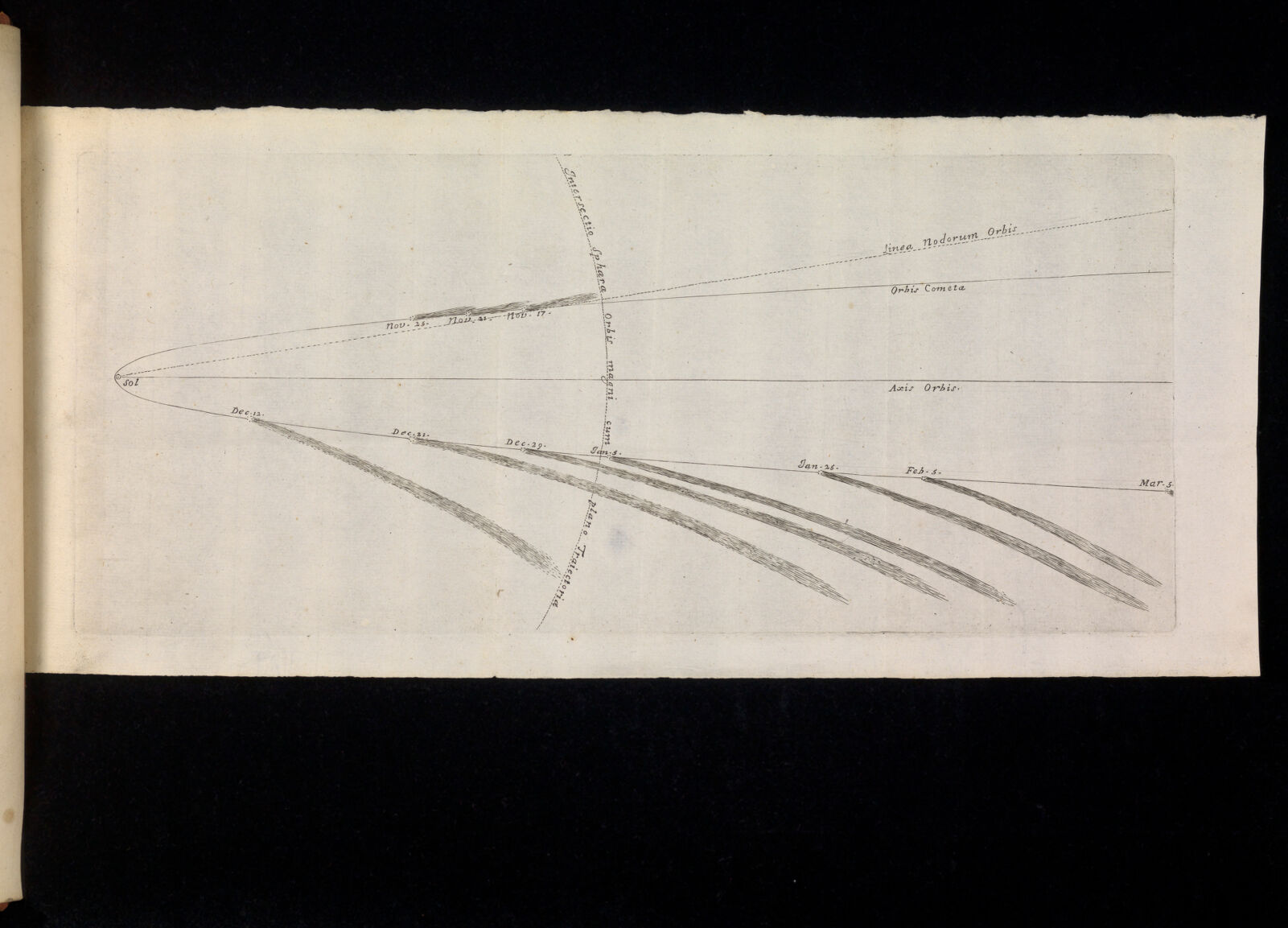
Principia Mathematica, Fold-out Diagram
Isaac Newton · 1687
 Painting
Primary source
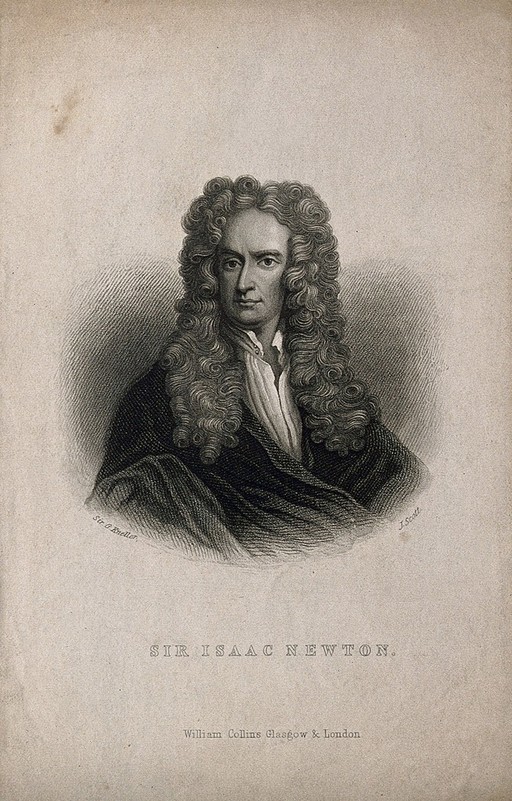
Sir Isaac Newton, stipple engraving by J. Scott after Kneller, 1702
J. Scott, after Sir Godfrey Kneller · 1702 (print made later)
Ready when you are
Start chatting with Isaac Newton now.
20 messages free · No credit card · Available in 50+ languages.