


Primary sourcePainting1588
Sir Walter Ralegh (1588 Portrait)
Unknown English artist · 1588
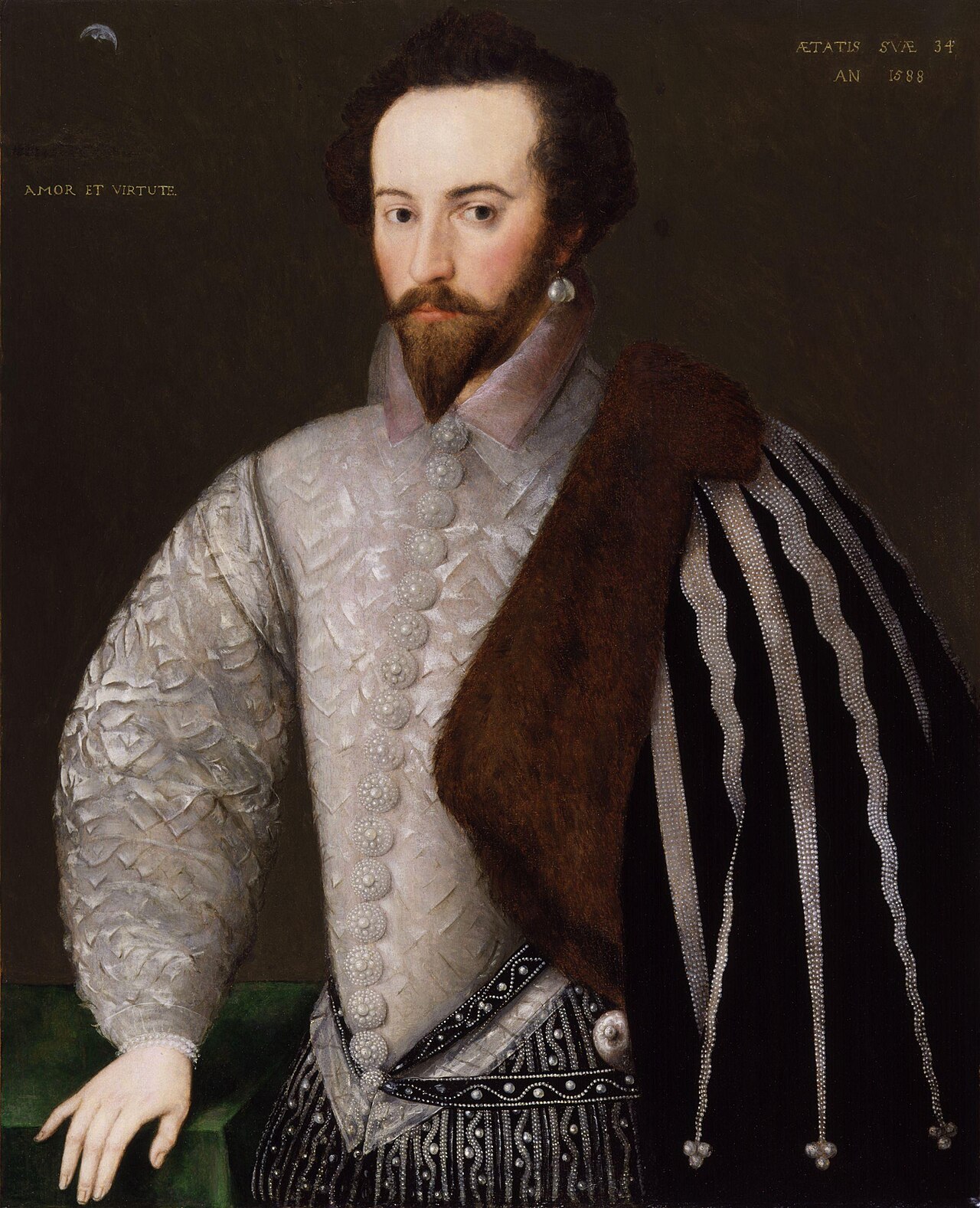
A 1588 oil portrait showing Raleigh dressed in pearls and the queen's colours, with a crescent moon symbol of devotion to Elizabeth I.
This portrait depicts Raleigh himself, dressed to show his devotion to Queen Elizabeth I at the height of his court favour.
About this source
What it is
This oil painting from 1588 shows a bearded man identified as Sir Walter Raleigh, dressed in silver-grey embroidered clothing, pearls, and a fur-trimmed cloak. Inscriptions on the painting give his age as 34 and the year 1588. It is held by the National Portrait Gallery, and its painter is unknown.
Why it matters
The painting uses colour and symbols to send a message: the black and white were associated with Queen Elizabeth I, and the crescent moon emblem linked Raleigh to her as 'Cynthia', a poetic name for the queen as moon goddess. This shows how courtiers like Raleigh used portraits to display loyalty and ambition at court.
Look closer
- What do the pearls and colours suggest about Raleigh's relationship to the queen?
- Why might someone want to be painted with symbols of loyalty rather than just realistic details?
- What does the inscribed age and date tell us about how this portrait was meant to be read?
This painting is part of the curated material that grounds the AI version of Sir Walter Raleigh on Humy.ai — when students ask about related events, the AI can quote it and cite it.
More Sir Walter Raleigh sources
Meet the AI Sir Walter Raleigh →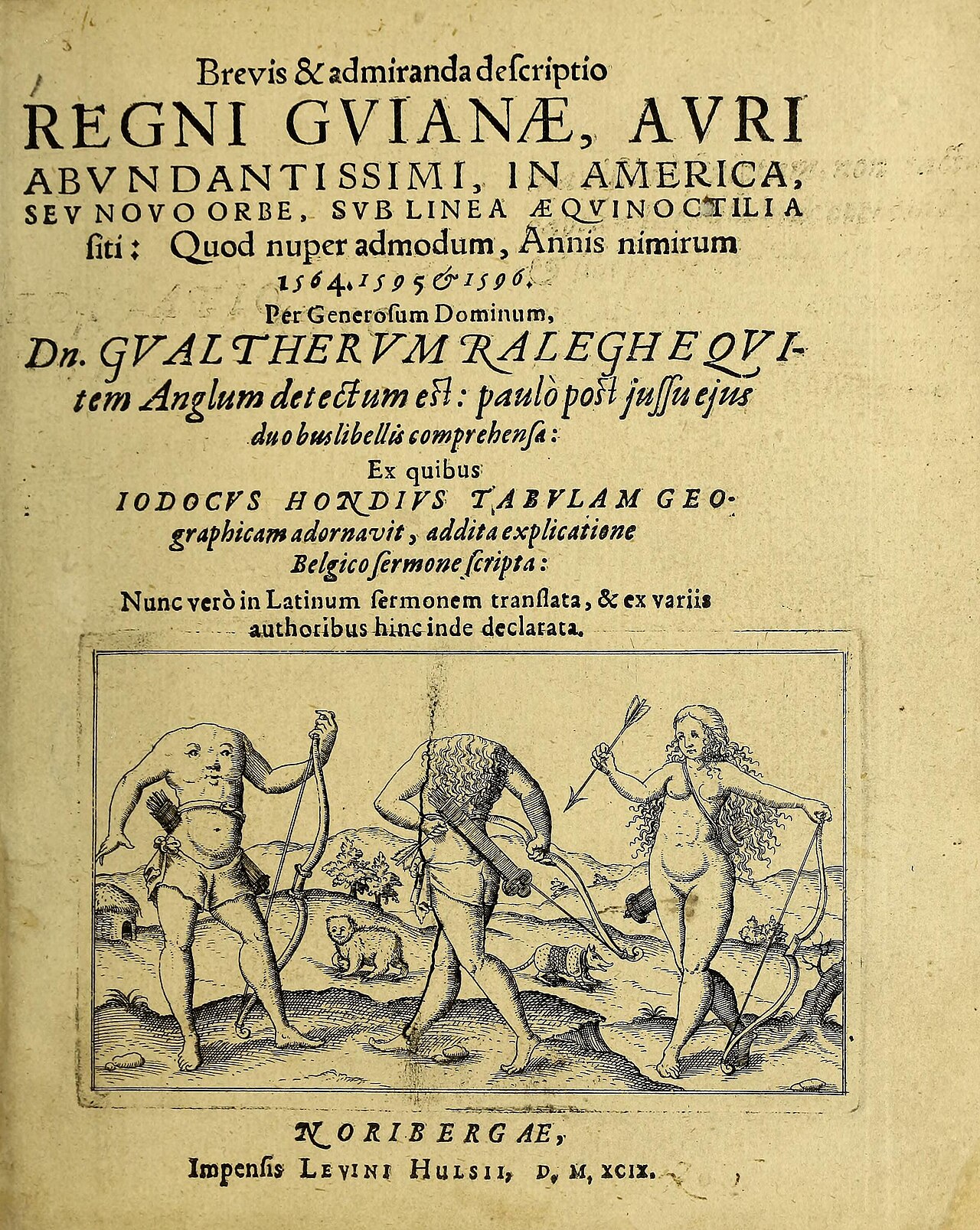 Book
Primary source
The Discovery of Guiana
Walter Raleigh · 1596
Primary source
Charter to Sir Walter Raleigh
Elizabeth I · 1584
 Book
Primary source
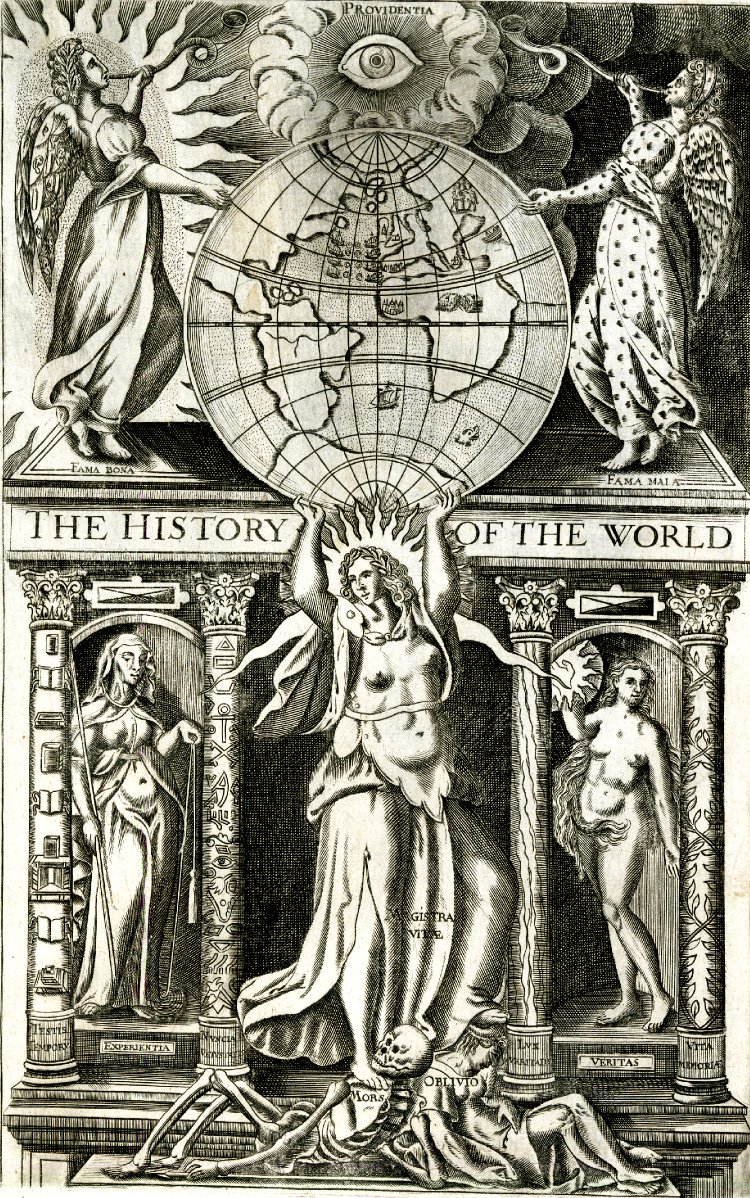
The History of the World
Walter Raleigh · 1614
 Painting
Primary source
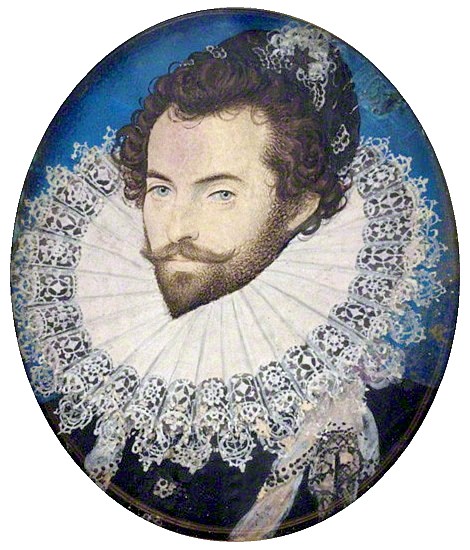
Sir Walter Raleigh
Nicholas Hilliard · c. 1585
 Painting
Primary source
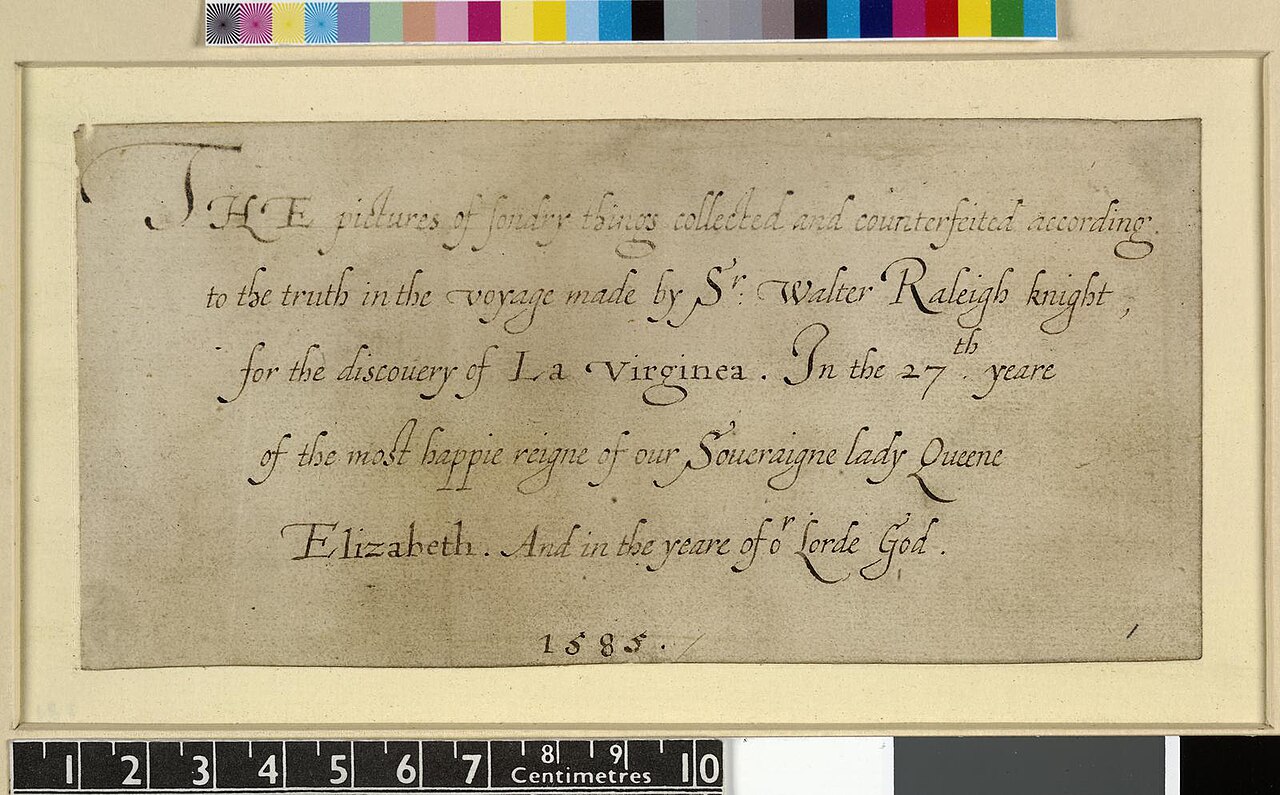
John White's watercolours of the Roanoke voyage
John White · 1585-1586
Ready when you are
Start chatting with Sir Walter Raleigh now.
20 messages free · No credit card · Available in 50+ languages.