


Primary sourcePaintingc. 1513-1514
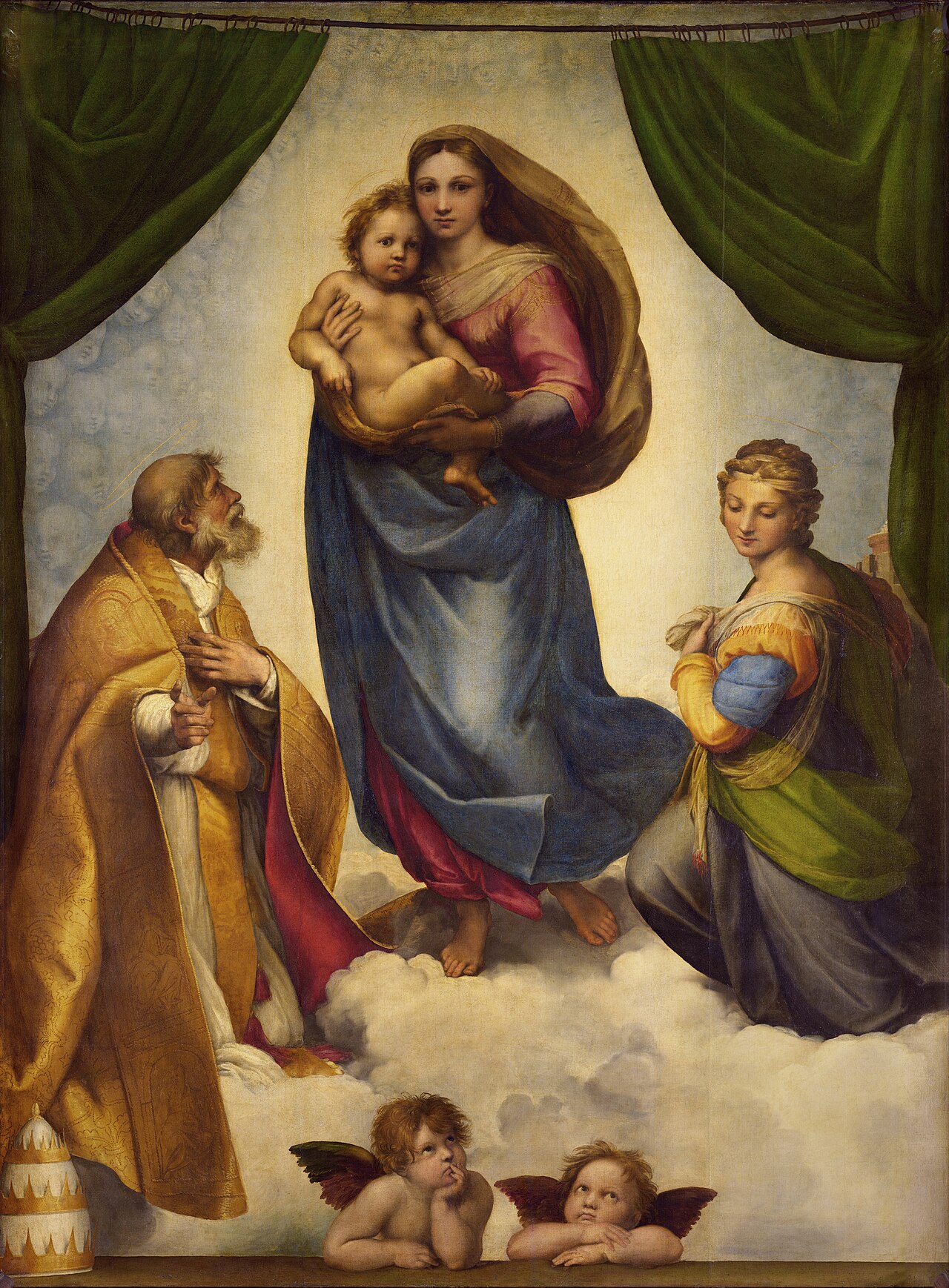
Sistine Madonna
Raphael · c. 1513-1514
An altarpiece painted by Raphael showing the Virgin Mary and Christ Child with Saint Sixtus and Saint Barbara, one of his most celebrated late works.
One of Raphael's last and most famous Madonnas, commissioned near the end of his career.
About this source
What it is
This oil painting was commissioned in 1512 by Pope Julius II for a church in Piacenza and likely finished around 1513-1514. It shows the Madonna and Child flanked by Saint Sixtus and Saint Barbara, with two famous winged putti below. It was later sold to Augustus III of Poland in 1754, moved to Dresden, and survives today in the Staatliche Kunstsammlungen Dresden after being temporarily taken to Moscow following the Second World War.
Why it matters
The painting became hugely influential in German culture, inspiring writers such as Goethe and Dostoyevsky and shaping Romantic ideas about art and religion. Its long and eventful history—from a Piacenza church to royal Dresden to wartime rescue—shows how Raphael's reputation grew long after his death and how art can become bound up with politics and national identity.
Look closer
- Why might a painting of this subject become such a powerful cultural symbol centuries later?
- What might the choice of flanking saints tell you about who commissioned the work?
- How does the painting's journey across countries reflect the history of Europe itself?
This painting is part of the curated material that grounds the AI version of Raphael on Humy.ai — when students ask about related events, the AI can quote it and cite it.
More Raphael sources
Meet the AI Raphael →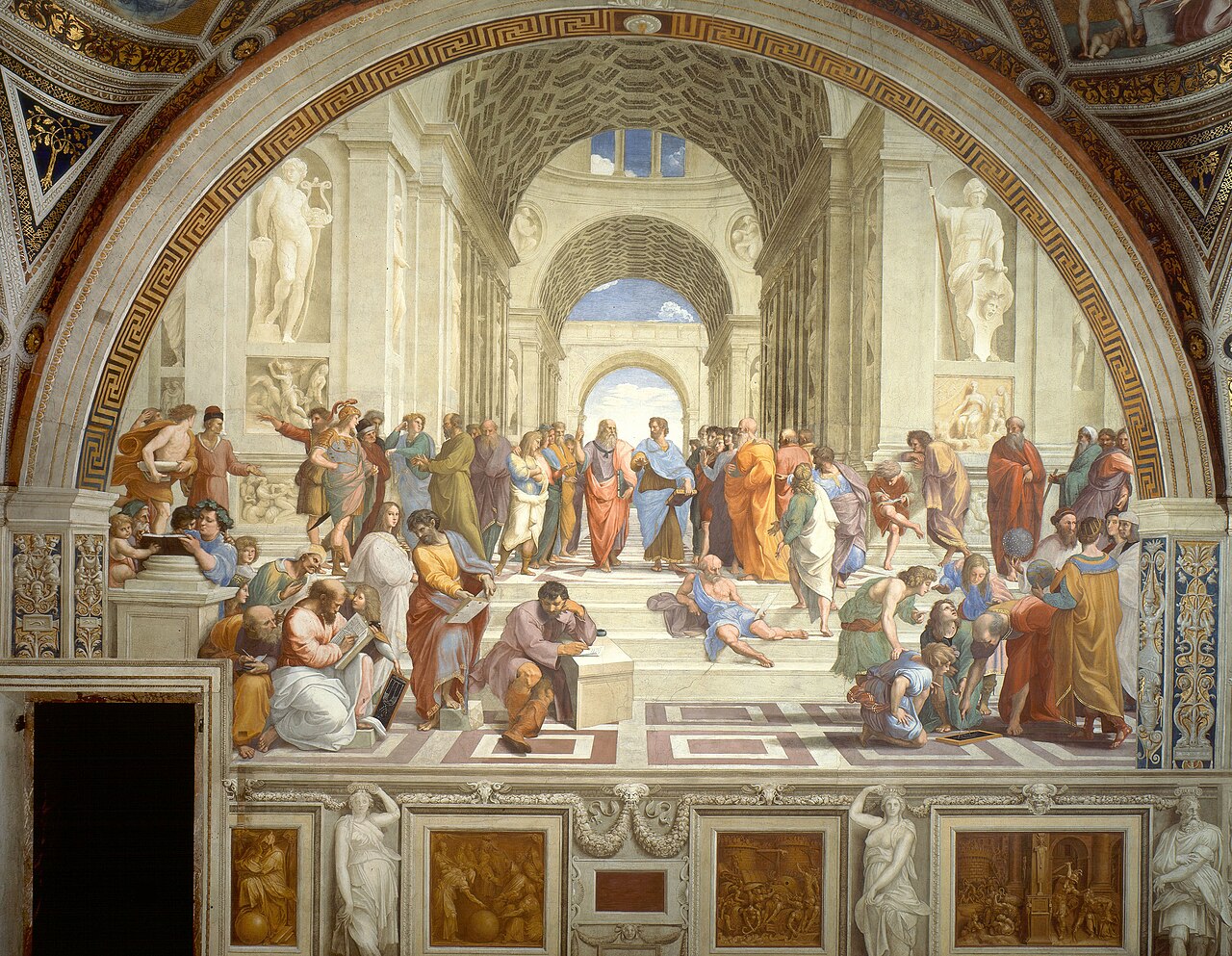 Painting
Secondary source
The School of Athens
Raphael · 1509-1511
 Painting
Secondary source
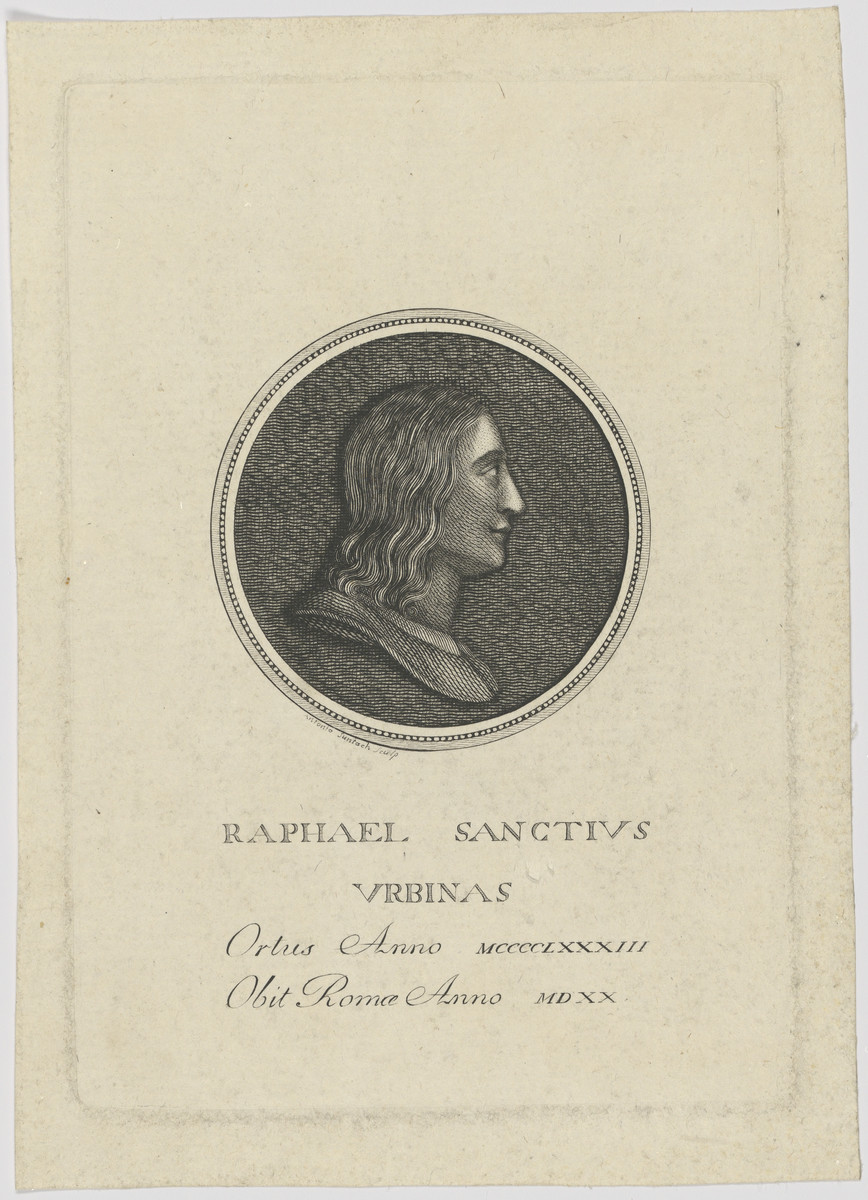
Portrait of Raphael Sanctive
Antonio Suntach
 Painting
Secondary source
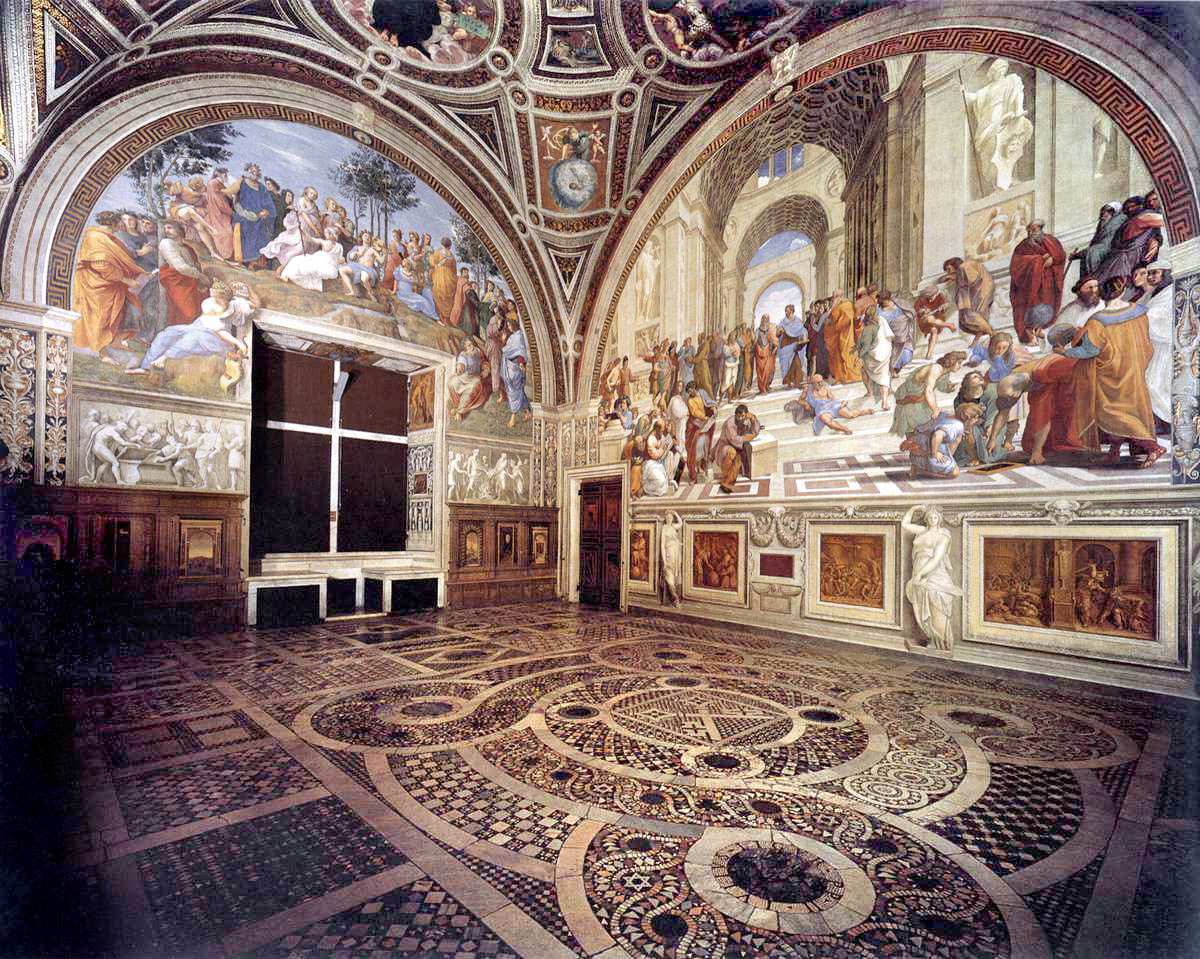
Raphael Rooms: Sala di Costantino
Raphael · 1508-1524
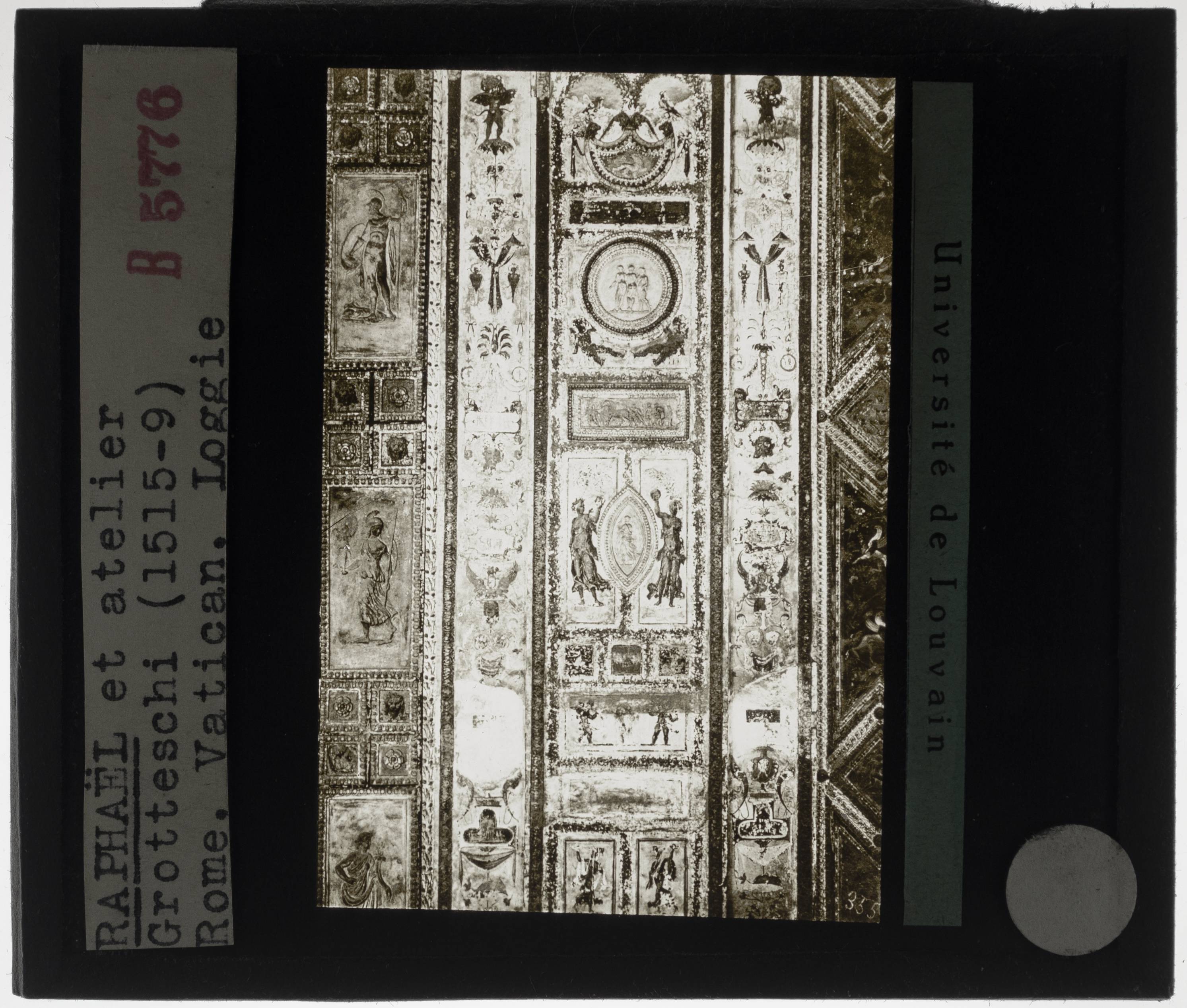 Photograph
Secondary source
Glass Slide of Raphael's Grotesques in the Vatican
Raphael · 1518-1519 (fresco); slide made 1839-1939
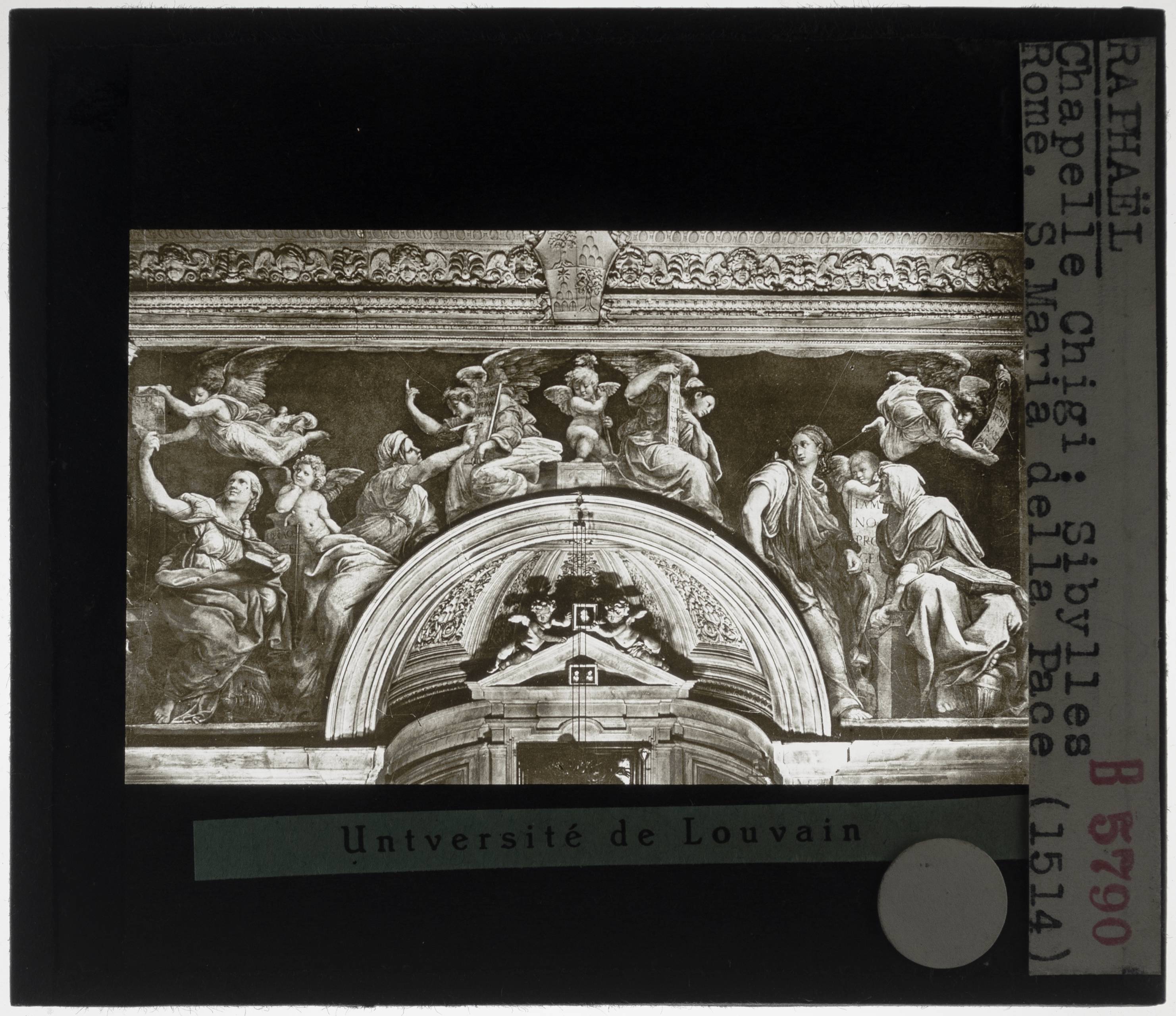 Photograph
Secondary source
Glass Slide of Raphael's Sibyls and Angels, Rome
Raphael · 1514
Ready when you are
Start chatting with Raphael now.
20 messages free · No credit card · Available in 50+ languages.