


Secondary sourcePainting1509-1511
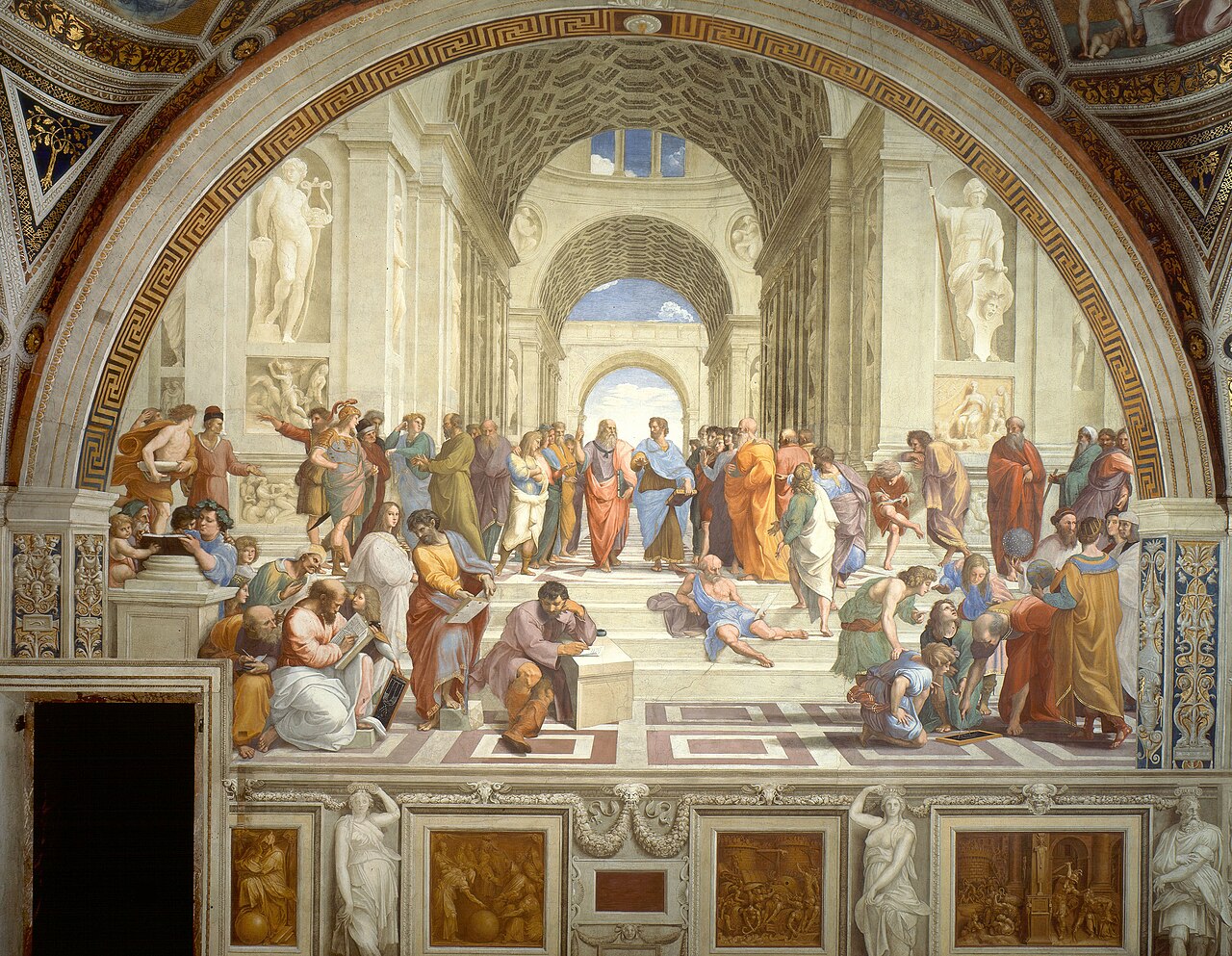
The School of Athens
Raphael · 1509-1511
Raphael's fresco of ancient philosophers, in which the figure of Plato is traditionally thought to show Leonardo's face.
Aristotle is depicted at the center of this fresco, gesturing toward the earth to symbolize his empirical philosophy.
About this source
What it is
The School of Athens is a fresco painted by Raphael between about 1509 and 1511 for Pope Julius II, in the Apostolic Palace in the Vatican. It shows a gathering of ancient Greek philosophers and scientists, with Plato and Aristotle at the center.
Why it matters
Raphael is traditionally thought to have given the figure of Plato the features of Leonardo da Vinci, who was still alive when the fresco was painted. This shows how younger artists admired and respected Leonardo as a towering figure of the Renaissance. The fresco's use of accurate perspective was also something Raphael learned from Leonardo's own work.
Look closer
- Why might Raphael have chosen to honor Leonardo by giving his face to Plato rather than naming him directly?
- What does it mean that identifications of figures in this painting are based on tradition rather than certain proof?
- What does this fresco suggest about how artists of the time viewed each other and their place in history?
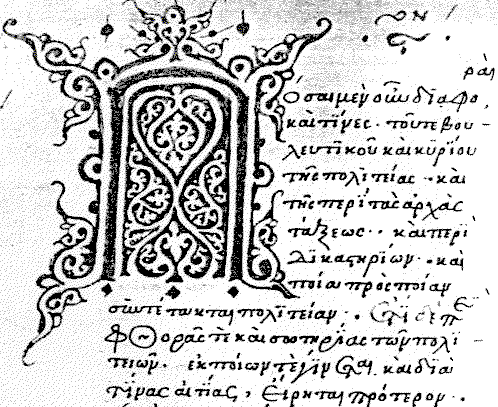
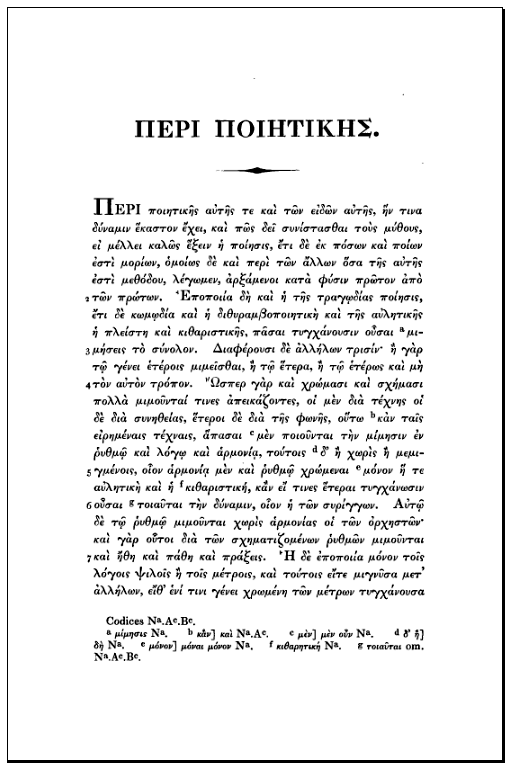
This painting is part of the curated material that grounds the AI version of Aristotle, Socrates, Raphael and Alexander the Great on Humy.ai — when students ask about related events, the AI can quote it and cite it.
More Aristotle sources
Meet the AI Aristotle →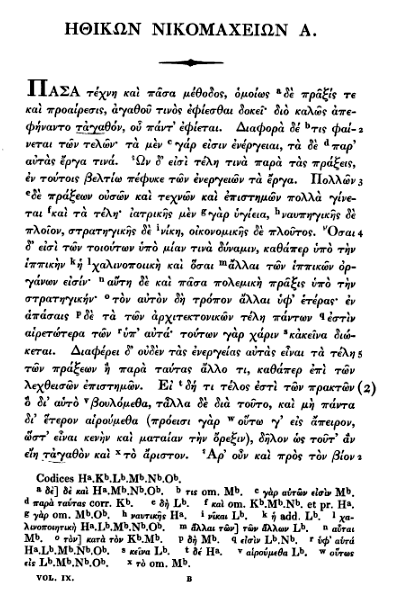

Ready when you are
Start chatting with Aristotle now.
20 messages free · No credit card · Available in 50+ languages.