


Primary sourceBook4th century BCE
Organon
Aristotle · 4th century BCE
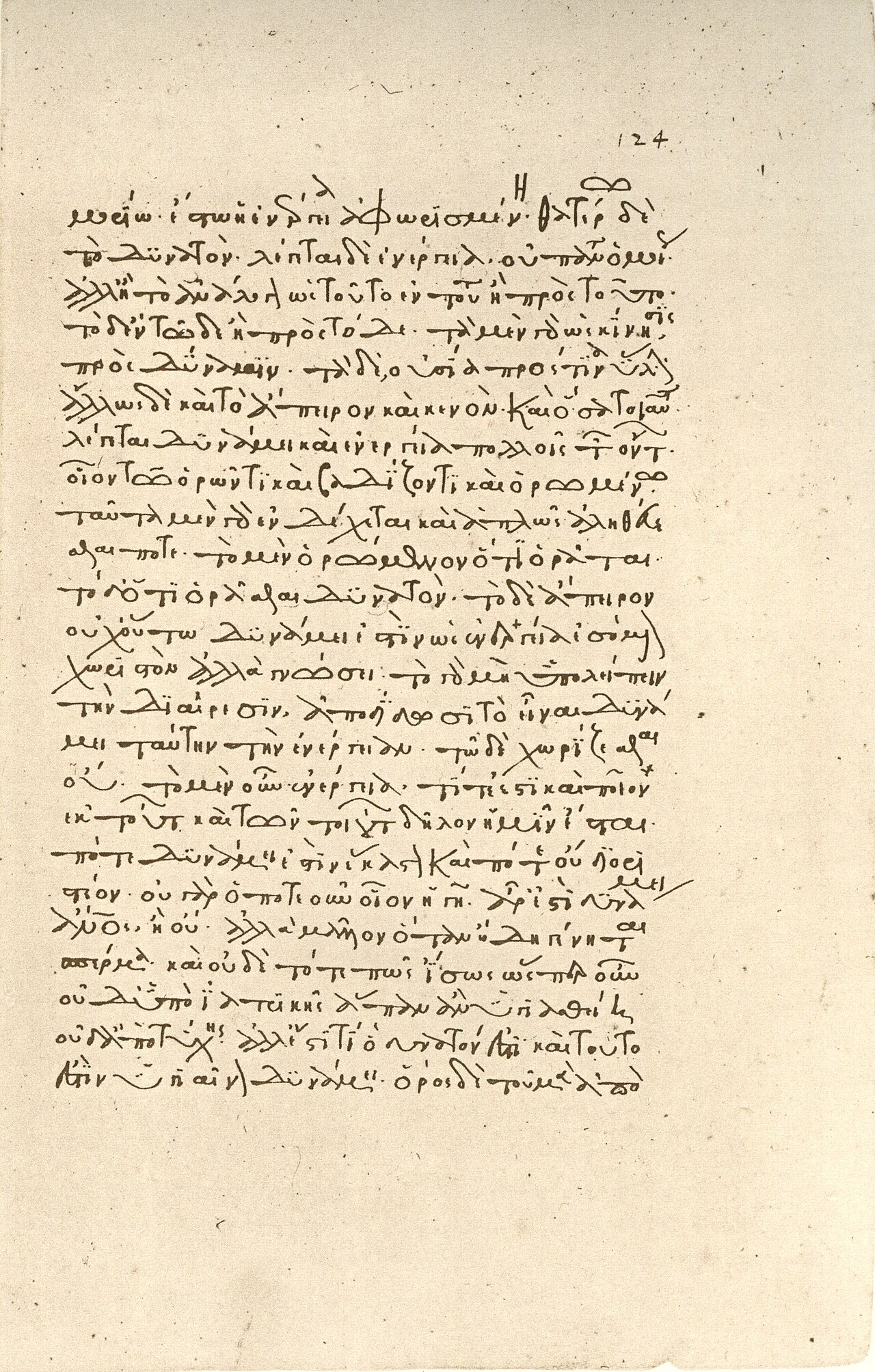
The collected logical treatises of Aristotle, including the Categories and Prior Analytics, which founded formal logic.
This collection of logical treatises founded formal logic and remained central to Western and Islamic philosophy for centuries.
About this source
What it is
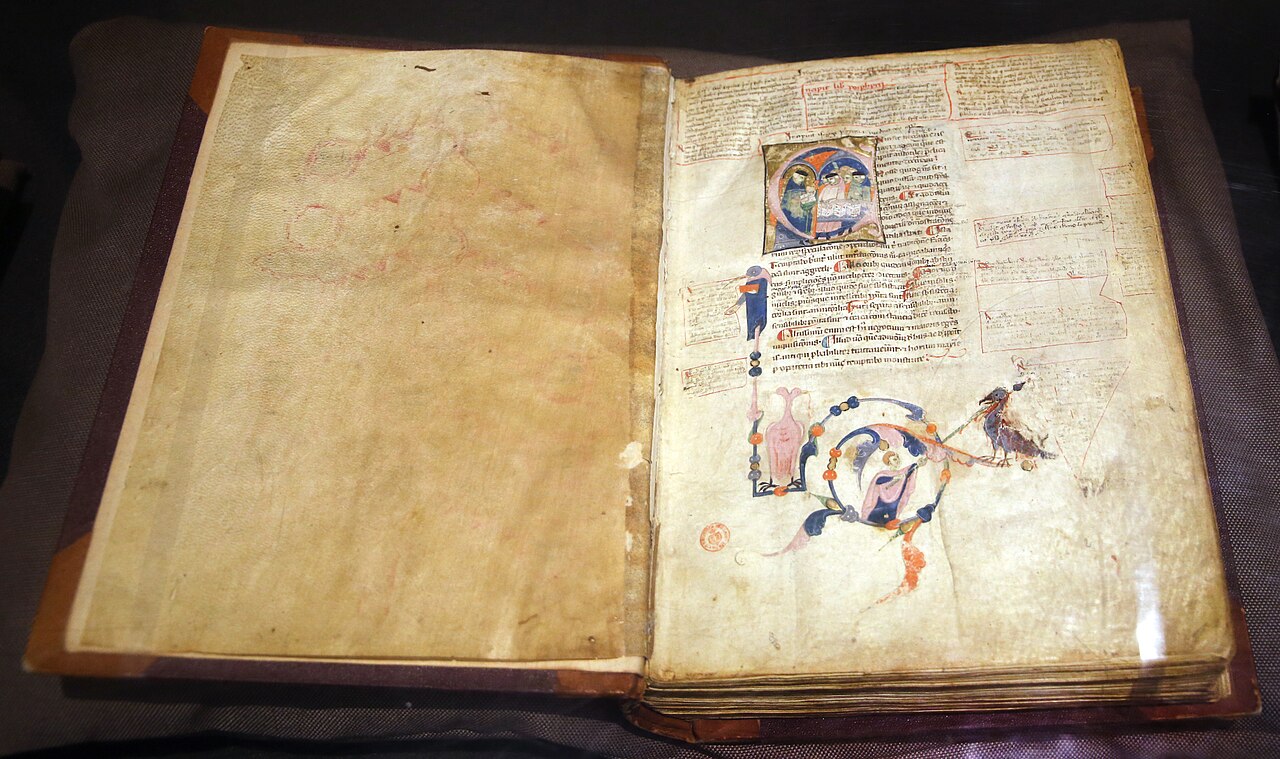
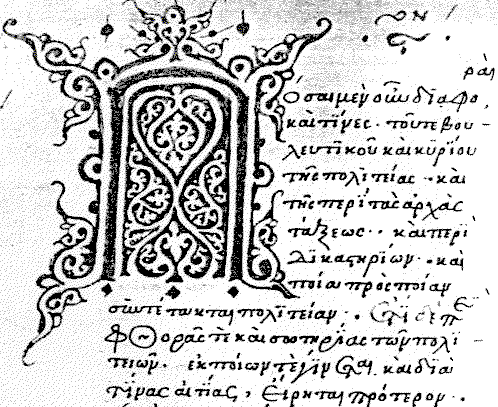
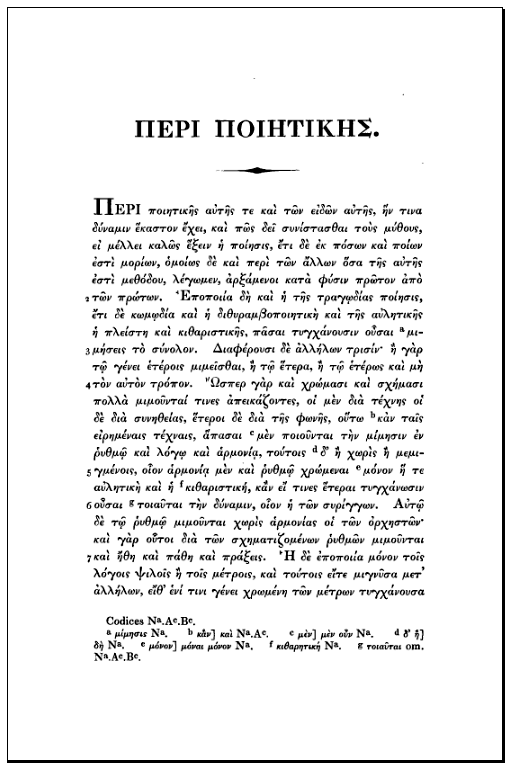
The Organon is the standard collection of six logical works by Aristotle, later arranged by the ancient editor Andronicus of Rhodes. The works include the Categories, On Interpretation, Prior and Posterior Analytics, Topics, and On Sophistical Refutations.
Why it matters
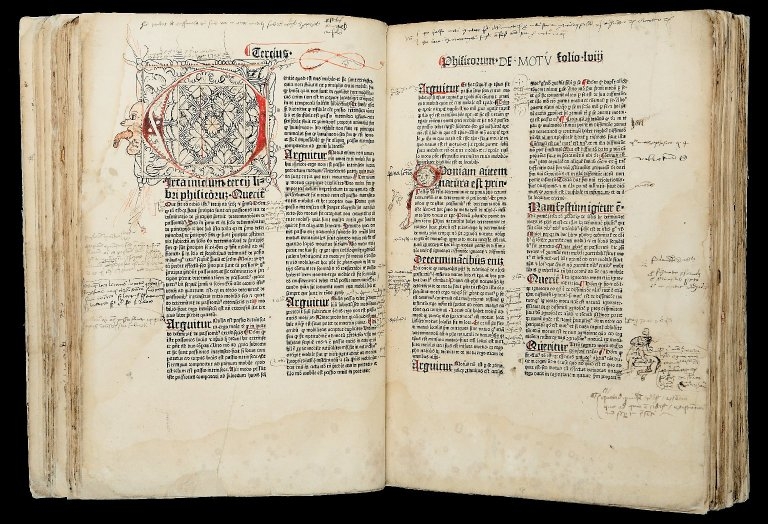
These texts founded formal logic and the syllogism, dominating Western reasoning for roughly two thousand years. They were studied by medieval scholars such as Thomas Aquinas, and by Islamic and Jewish philosophers including Averroes and Maimonides, showing how Aristotle's ideas spread across cultures and centuries. The Organon's influence was so great that later thinkers like Francis Bacon wrote direct responses to it.
Look closer
- Why do you think these logical works were studied by scholars across so many different religions and cultures?
- What does the survival and translation of these texts across Greek, Arabic, and Latin tell us about how knowledge traveled in the ancient and medieval world?
- How might a lecture-based origin have shaped the way these ideas are presented?
This book is part of the curated material that grounds the AI version of Aristotle on Humy.ai — when students ask about related events, the AI can quote it and cite it.
More Aristotle sources
Meet the AI Aristotle →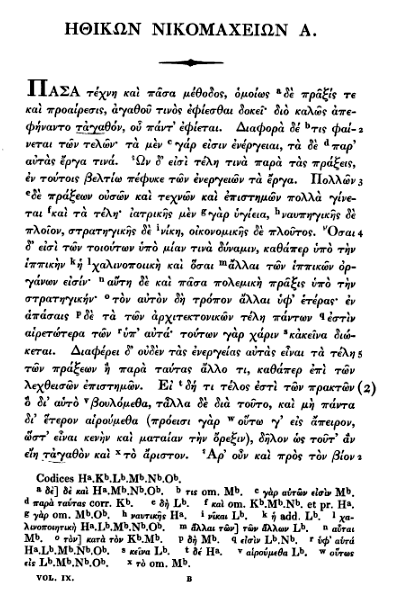
Ready when you are
Start chatting with Aristotle now.
20 messages free · No credit card · Available in 50+ languages.