


Secondary sourceBookc. 335 BCE
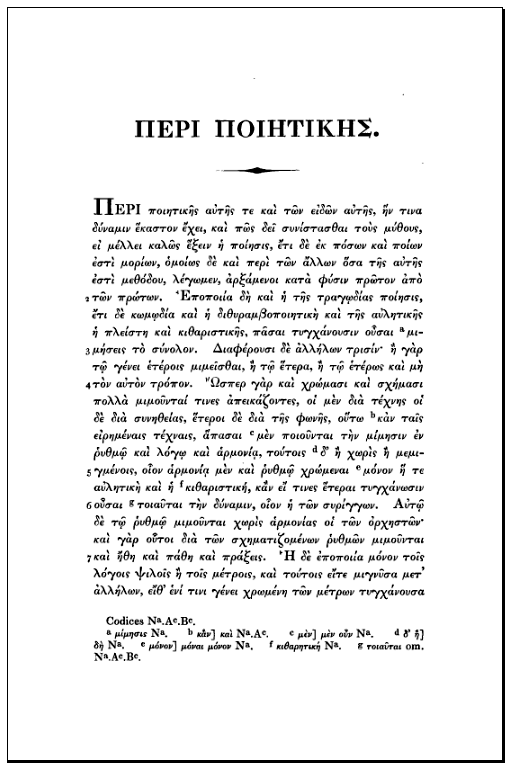
Poetics
Aristotle · c. 335 BCE
Aristotle's treatise on drama, which uses Sophocles' Oedipus Rex as its central example of a perfectly constructed tragedy.
Aristotle's treatise treats Sophocles' Oedipus Rex as the model of great tragedy and praises his dramatic innovations.
About this source
What it is
The Poetics is a philosophical treatise by Aristotle, written around 335 BCE. It is the earliest surviving work of Greek dramatic theory, examining poetry, and especially tragedy, in terms of plot, character and effect on the audience.
Why it matters
Aristotle repeatedly uses Sophocles' Oedipus Rex to illustrate what makes a tragedy work well, particularly its handling of plot, recognition and reversal of fortune. The treatise shaped how later generations, across many centuries, understood and judged drama, and it preserves a close, admiring ancient reading of Sophocles' craftsmanship.
Look closer
- Why might Aristotle have picked Oedipus Rex, out of all Greek tragedies, as his main example?
- What does the survival of only the part on tragedy (with the part on comedy lost) suggest about how later readers valued different kinds of poetry?
- How might Aristotle's theory have shaped expectations for every tragedy written after him?
This book is part of the curated material that grounds the AI version of Sophocles and Aristotle on Humy.ai — when students ask about related events, the AI can quote it and cite it.
More Sophocles sources
Meet the AI Sophocles →Primary source
Oedipus Rex
Sophocles · c. 429 BCE
Primary source
Antigone
Sophocles · c. 441 BCE
Primary source
Oedipus at Colonus
Sophocles · written shortly before 406 BCE; first performed 401 BCE
 Sculpture
Secondary source
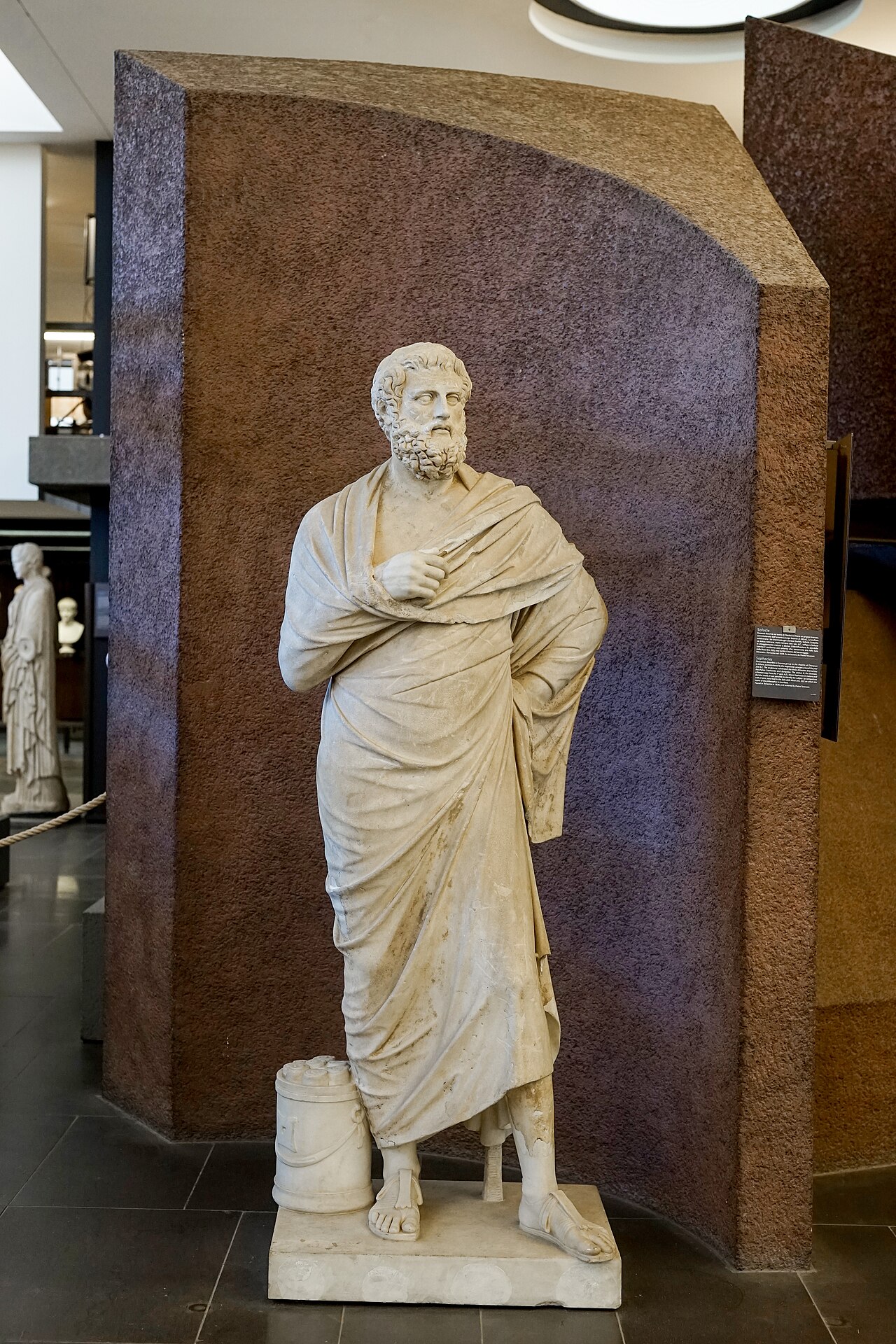
Statue of Sophocles (Lateran type)
Roman copy, 1st century CE, of a Greek original of the 4th century BCE
 Book
Primary source
The Frogs
Aristophanes · 405 BCE
Ready when you are
Start chatting with Sophocles now.
20 messages free · No credit card · Available in 50+ languages.