


Primary sourceBookc. 441 BCE
Antigone
Sophocles · c. 441 BCE
A tragedy by Sophocles in which a young woman defies the king's law to bury her brother, raising questions of duty, law, and conscience.
One of Sophocles' Theban plays, exploring themes of law, duty and family through the daughter of Oedipus.
About this source
What it is
Antigone is an Athenian tragedy written by Sophocles, probably performed around 442 or 440 BCE. It follows Antigone, daughter of Oedipus, as she defies her uncle Creon's order forbidding the burial of her brother Polynices, who died fighting against Thebes.
Why it matters
The play is part of Sophocles' Theban plays, though written before the others in terms of the chronology of the story. It stages a conflict between the laws of the state, represented by Creon, and unwritten duties to family and the gods, represented by Antigone. It has long been used to discuss the limits of political authority and individual conscience.
Look closer
- Why does Antigone choose to disobey Creon's decree, even knowing the punishment?
- How does the Chorus of Theban elders respond to the conflict, and what does that suggest about public opinion?
- What does the play suggest about the dangers of absolute power?
This book is part of the curated material that grounds the AI version of Sophocles on Humy.ai — when students ask about related events, the AI can quote it and cite it.
More Sophocles sources
Meet the AI Sophocles →Primary source
Oedipus Rex
Sophocles · c. 429 BCE
Primary source
Oedipus at Colonus
Sophocles · written shortly before 406 BCE; first performed 401 BCE
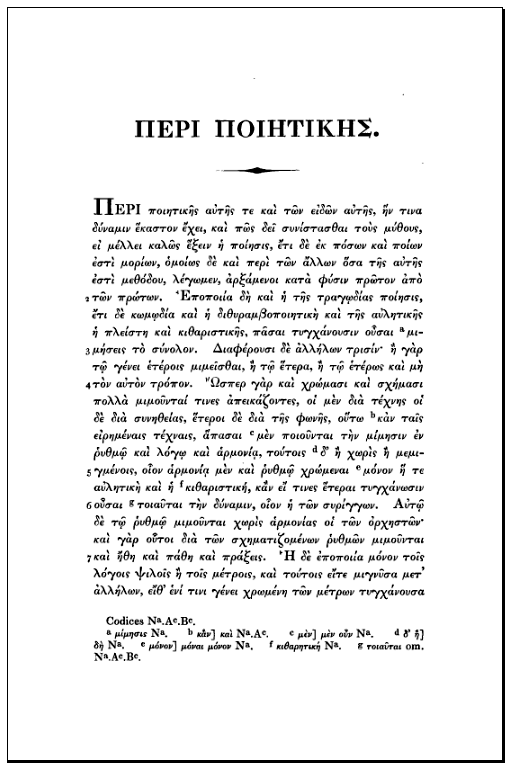 Book
Secondary source
Poetics
Aristotle · c. 335 BCE
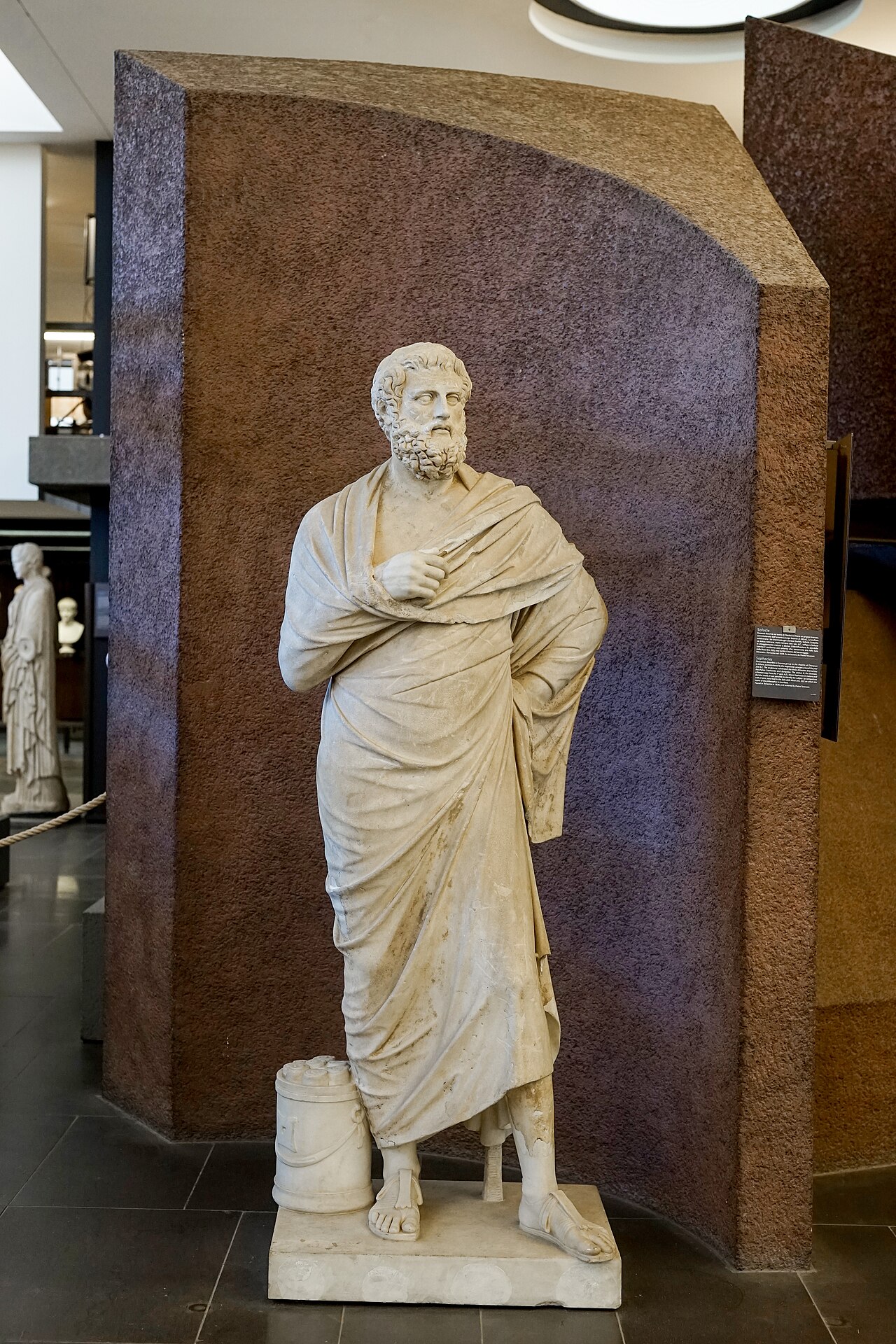 Sculpture
Secondary source
Statue of Sophocles (Lateran type)
Roman copy, 1st century CE, of a Greek original of the 4th century BCE
 Book
Primary source
The Frogs
Aristophanes · 405 BCE
Ready when you are
Start chatting with Sophocles now.
20 messages free · No credit card · Available in 50+ languages.