


Primary sourceBook4th century BCE
Physics
Aristotle · 4th century BCE
Aristotle's treatise on nature, change, and causation, foundational to natural philosophy before the Scientific Revolution.
This is Aristotle's foundational work of natural philosophy, shaping scientific thought for nearly two thousand years.
About this source
What it is
The Physics is a collection of treatises by Aristotle dealing with the general principles of natural, moving things, both living and non-living. It is composed of eight books and stands at the head of his series of works on natural science.
Why it matters
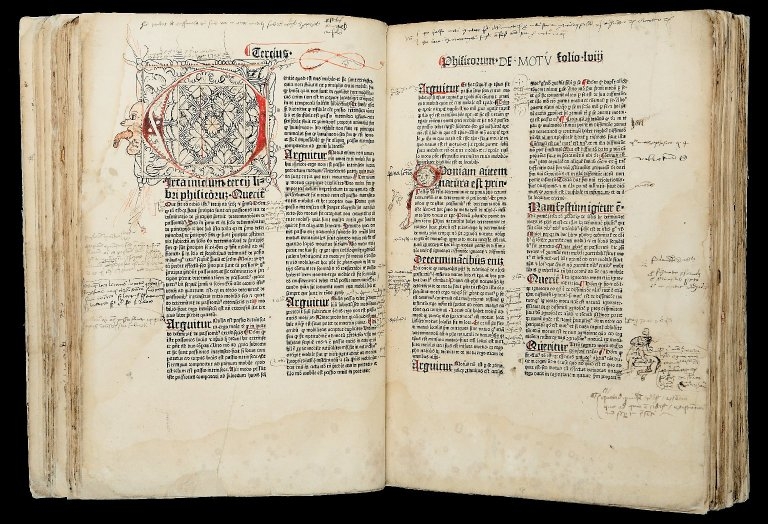
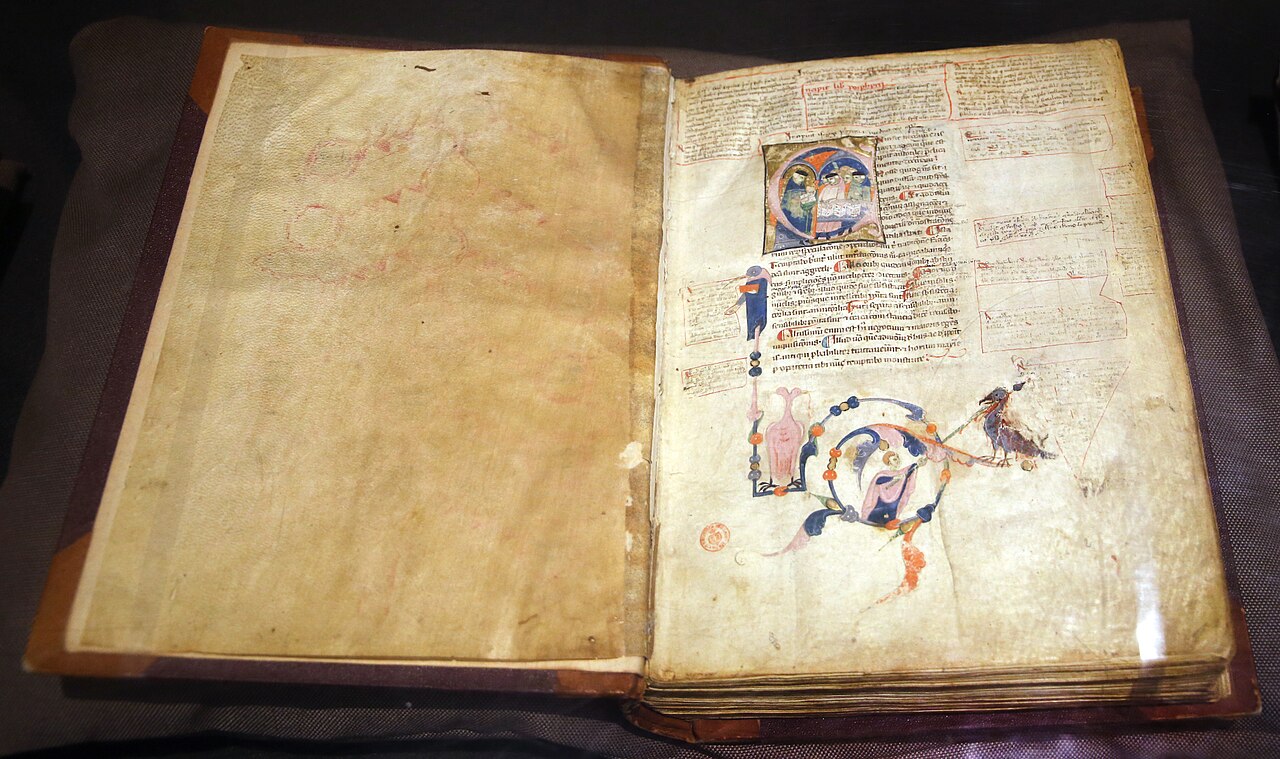
This work presents Aristotle's theory of the four causes and his concept of change and motion, ideas that dominated natural philosophy until the Scientific Revolution. It shows Aristotle engaging critically with earlier thinkers like Parmenides and Anaxagoras, building his own systematic account of nature. Surviving manuscripts, with marginal notes and doodles, also show how later readers and copyists engaged with the text.
Look closer
- Why might Aristotle have distinguished so carefully between natural things and artificial ones?
- What do the doodles and marginal notes in surviving manuscripts suggest about the people who copied and studied this text?
- How did Aristotle's ideas about nature differ from modern scientific explanations of motion and change?
This book is part of the curated material that grounds the AI version of Aristotle on Humy.ai — when students ask about related events, the AI can quote it and cite it.
More Aristotle sources
Meet the AI Aristotle →

Ready when you are
Start chatting with Aristotle now.
20 messages free · No credit card · Available in 50+ languages.