


Secondary sourceBook4th century BC
Nicomachean Ethics
Aristotle · 4th century BC
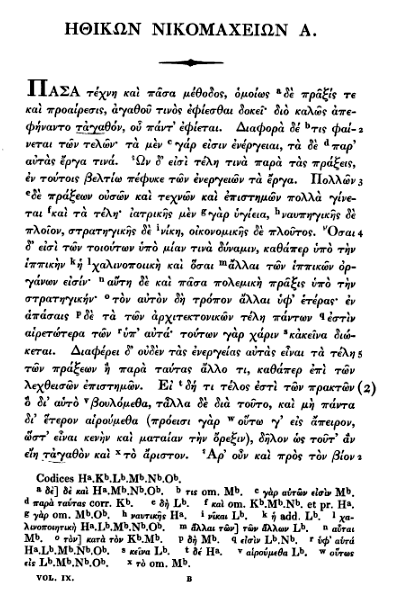
Aristotle's major ethical work, which discusses and criticises Socrates' claim that no one does wrong knowingly.
Aristotle directly discusses and criticises Socrates' claim that no one does wrong knowingly.
About this source
What it is
The Nicomachean Ethics is a work by Aristotle, consisting of ten books, focused on how people should best live. Its date of composition is uncertain, though it refers to events from the 4th century BC. The text as it survives seems to be based on lecture notes rather than a finished publication meant by Aristotle for circulation.
Why it matters
Aristotle, who studied under Plato, directly engages with and criticises an idea associated with Socrates: that no one does wrong knowingly. This makes the work one of the most important ancient sources for understanding and debating Socratic ideas about knowledge and wrongdoing, even though it comes from a later generation of philosophers. The work became hugely influential in medieval and modern philosophy, shaping how Socratic ideas were passed down and argued about for centuries.
Look closer
- Why might it matter that we know Socrates' ideas partly through what later philosophers like Aristotle said about them?
- What does Aristotle's disagreement with Socrates tell us about how philosophical ideas develop over time?
- This is a scan of a later printed edition — what does that remind us about how ancient texts are preserved and transmitted?
This book is part of the curated material that grounds the AI version of Socrates and Aristotle on Humy.ai — when students ask about related events, the AI can quote it and cite it.
More Socrates sources
Meet the AI Socrates →Secondary source
Apology
Plato · c. 395 BC
 Painting
Secondary source
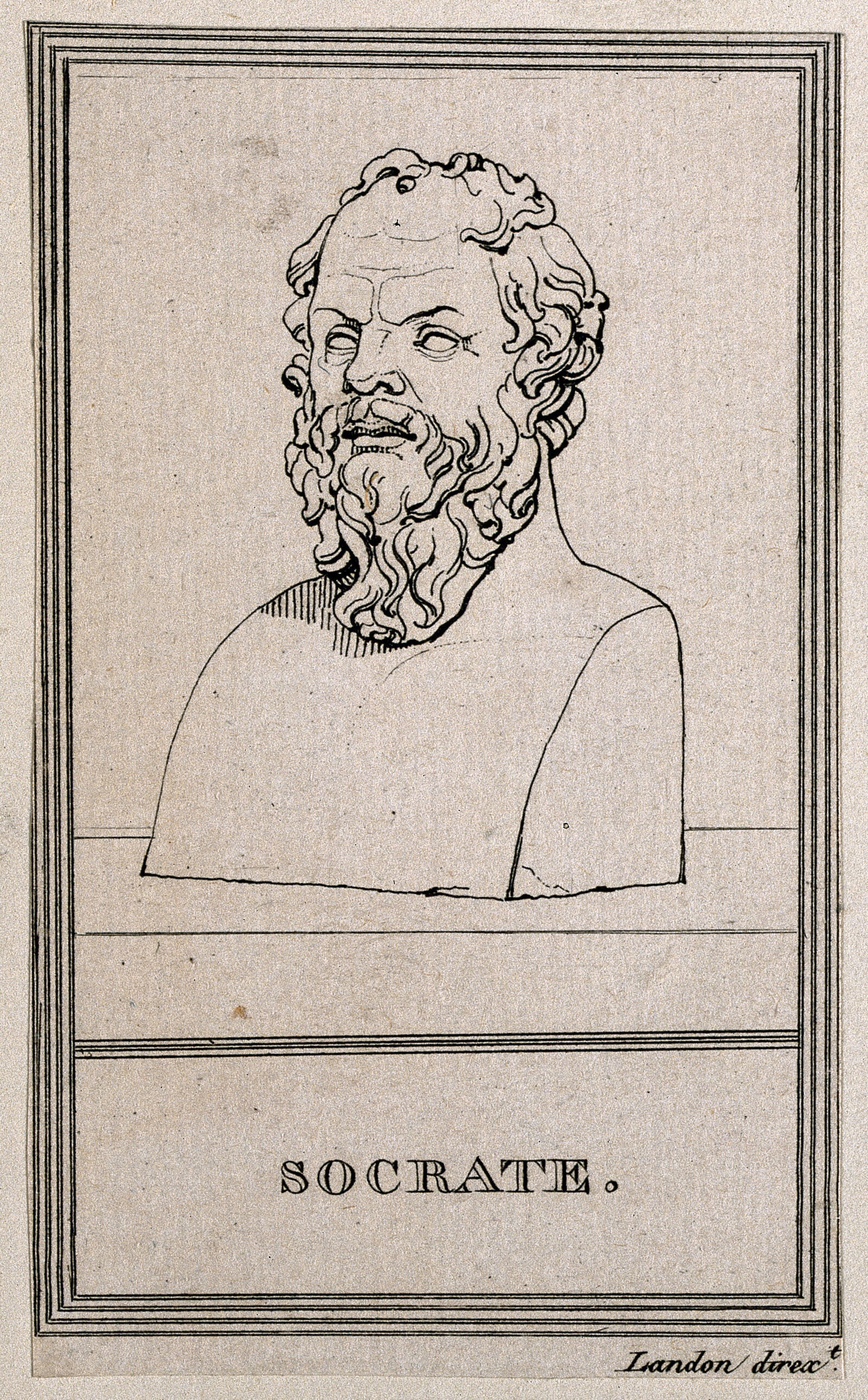
Line Engraving of Socrates by Landon
Charles Paul Landon
 Book
Secondary source
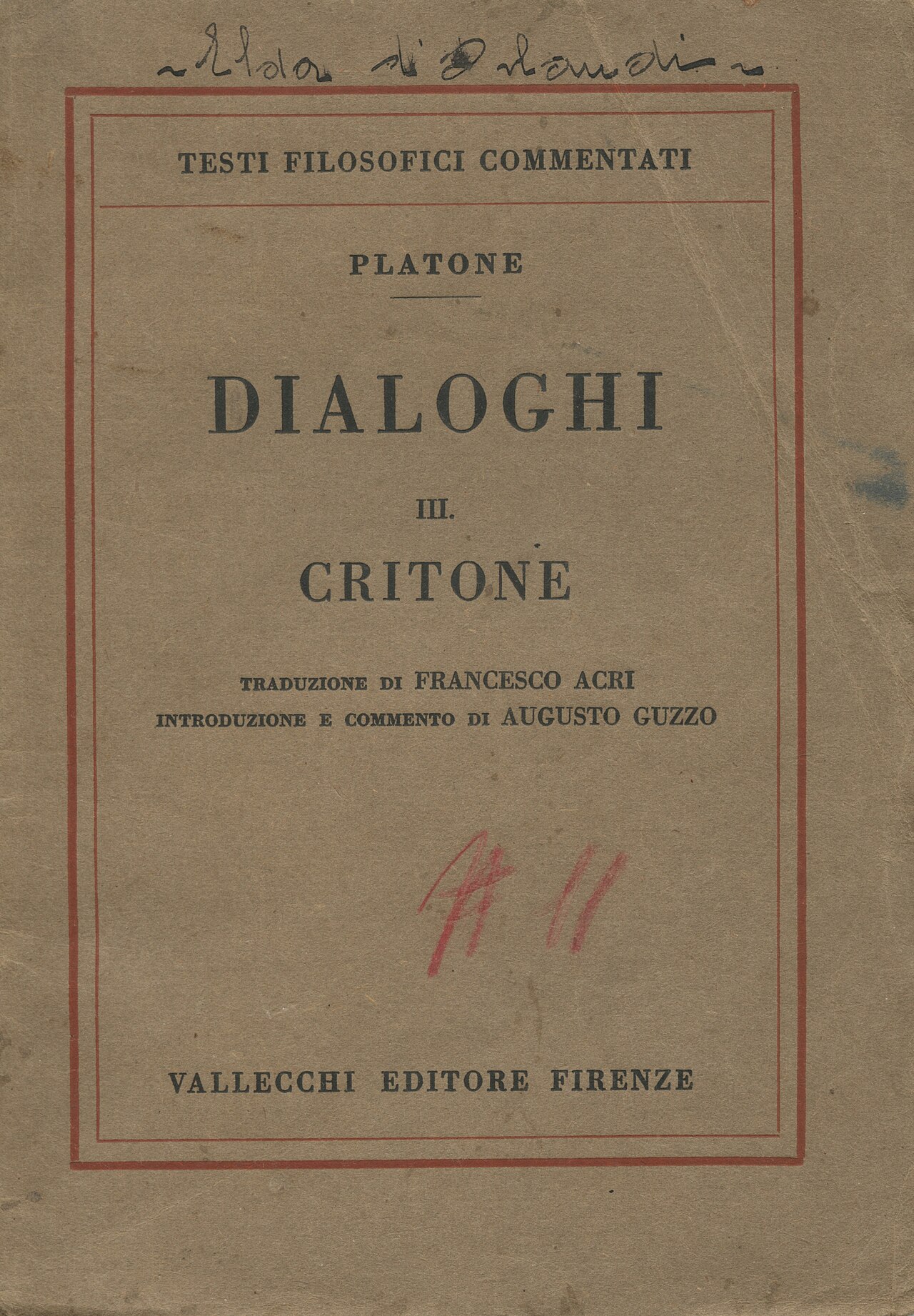
Crito
Plato · c. 400 BC
 Painting
Secondary source
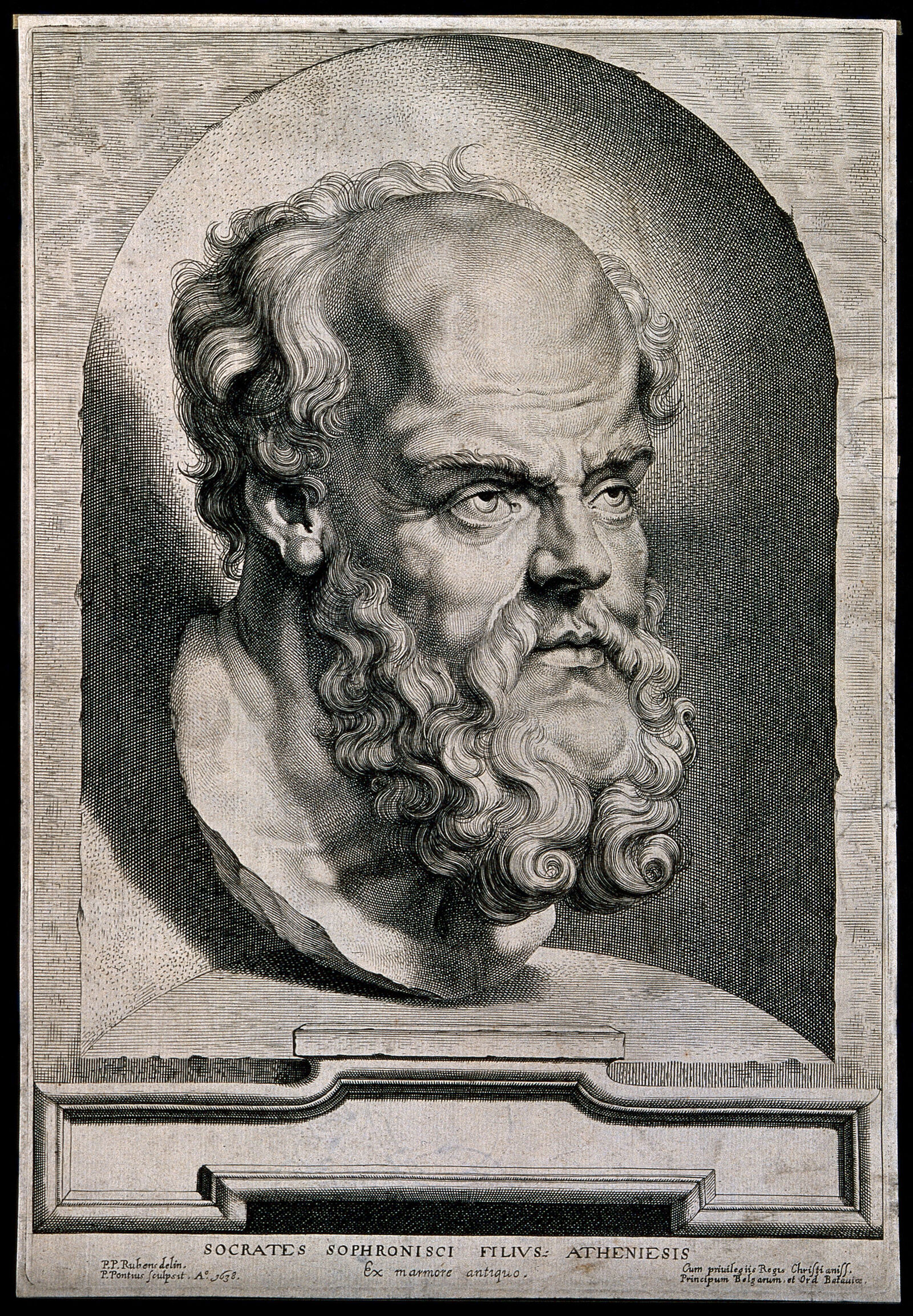
Socrates Engraving after Rubens by Pontius
Peter Paul Rubens · 1638
 Photograph
Secondary source
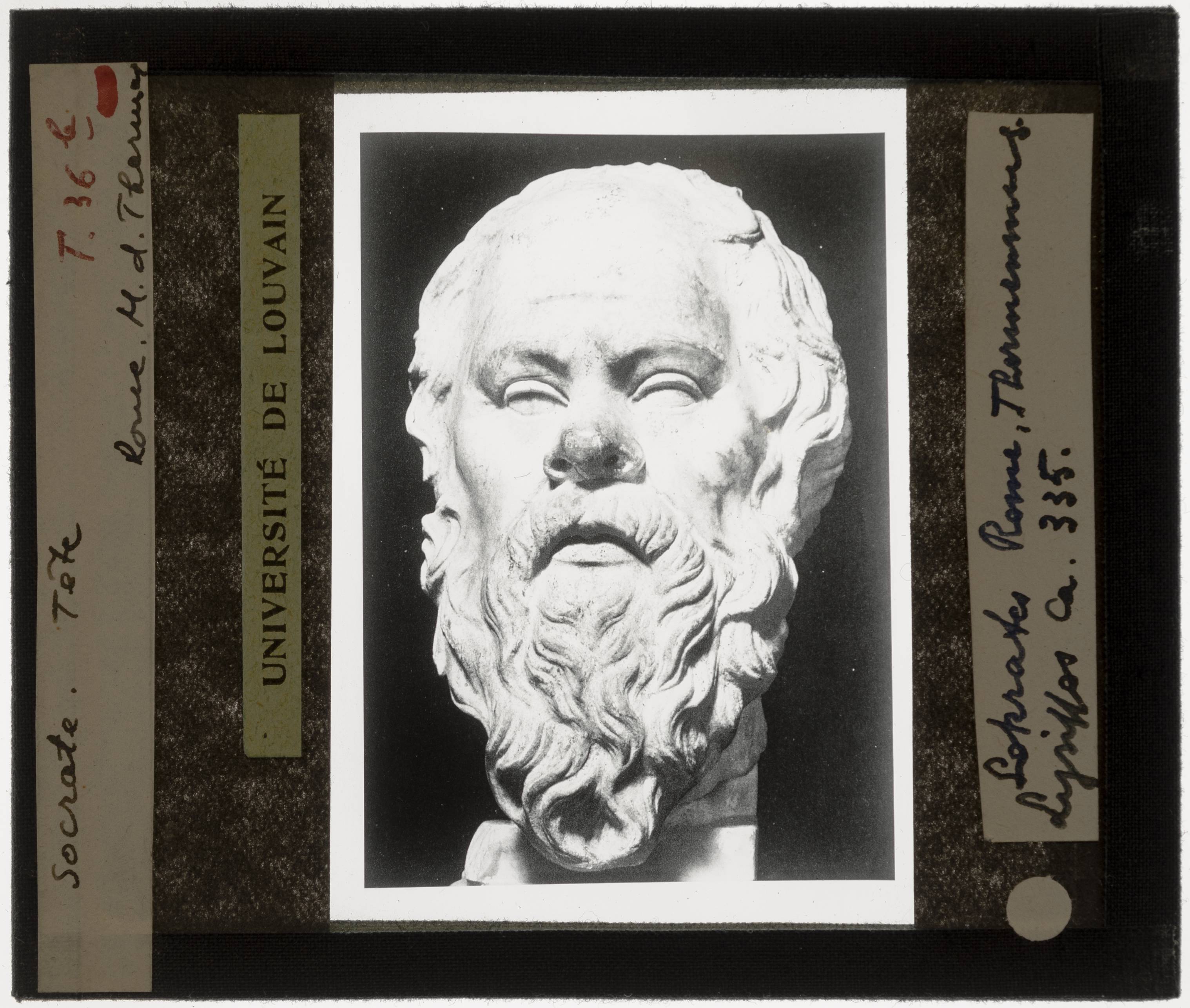
Roman Marble Bust of Socrates
between 1839 and 1939
Ready when you are
Start chatting with Socrates now.
20 messages free · No credit card · Available in 50+ languages.