


Secondary sourcePainting1889
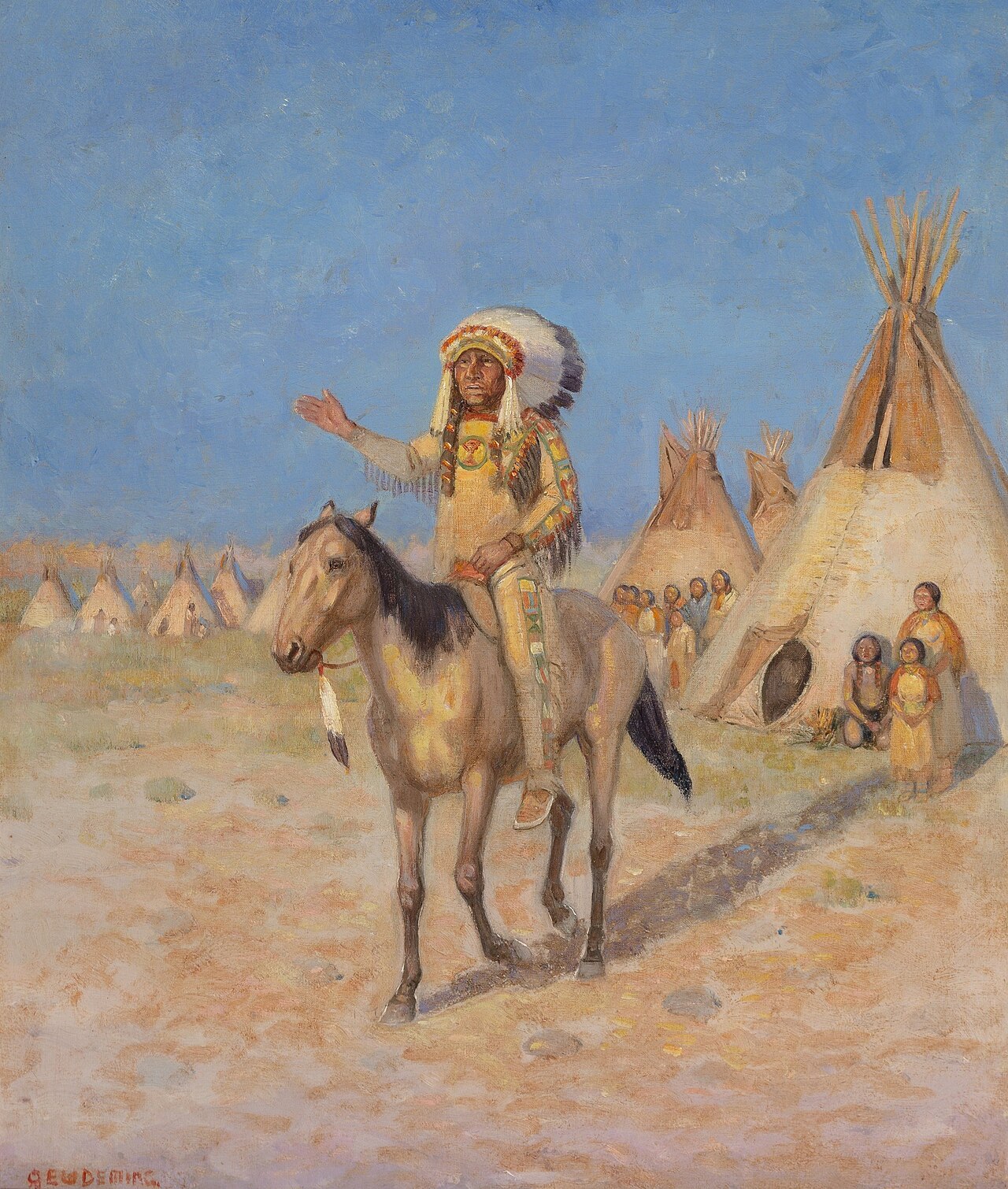
Sitting Bull Haranguing the Sioux Village
Edwin Willard Deming · 1889
An 1889 oil painting imagining Sitting Bull addressing a Sioux village, made by an artist not known to have met him.
This imagined 1889 painting of Sitting Bull addressing his people shows how outside artists portrayed him near the end of his life.
About this source
What it is
This is an oil painting on canvasboard made in 1889 by artist Edwin Willard Deming. It shows a mounted Native American man in a feathered headdress addressing a village of tipis.
Why it matters
The painting was made the same year as the Ghost Dance movement and shortly before Sitting Bull's death, but there is no evidence Deming knew him personally. It is a secondary, imagined scene rather than an eyewitness record, and it shows how non-Native artists of the period depicted Sitting Bull as a dramatic leader figure.
Look closer
- What details in the painting suggest the artist wanted to show Sitting Bull as a powerful speaker?
- Since Deming is not known to have met Sitting Bull, where might his ideas about dress and gesture have come from?
- What might a painting like this leave out about daily life in a Sioux village?
This painting is part of the curated material that grounds the AI version of Sitting Bull (Tȟatȟáŋka Íyotake) on Humy.ai — when students ask about related events, the AI can quote it and cite it.
More Sitting Bull (Tȟatȟáŋka Íyotake) sources
Meet the AI Sitting Bull (Tȟatȟáŋka Íyotake) →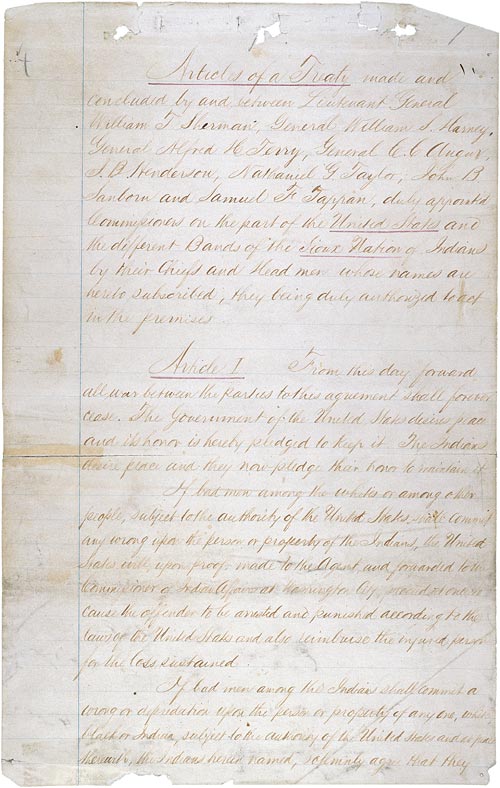 Document
Primary source
Fort Laramie Treaty
29 April 1868
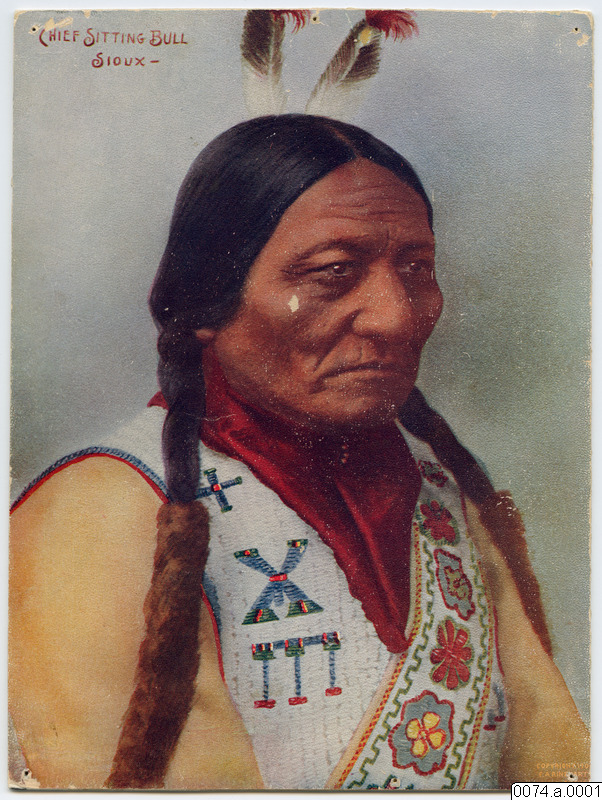 Photograph
Primary source
Sitting Bull Portrait by William Notman
William Notman · 1885
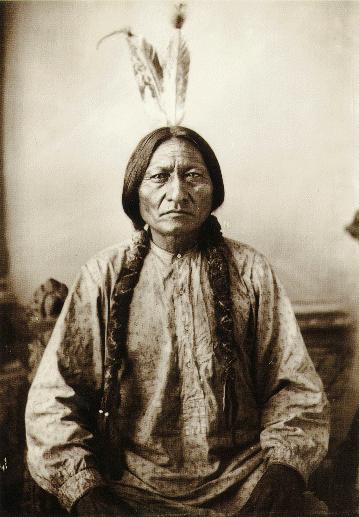 Photograph
Primary source
Chief Sitting Bull
David F. Barry · 1884
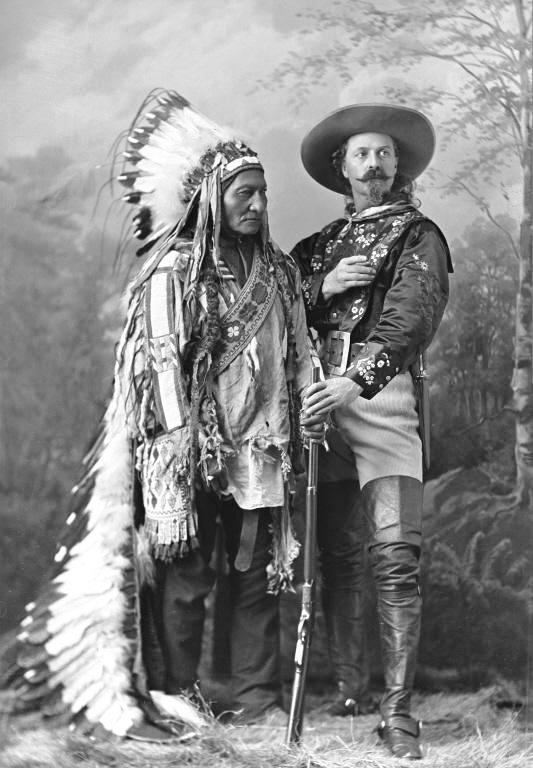 Photograph
Primary source
Sitting Bull and Buffalo Bill
Wm. Notman & Son · 1885
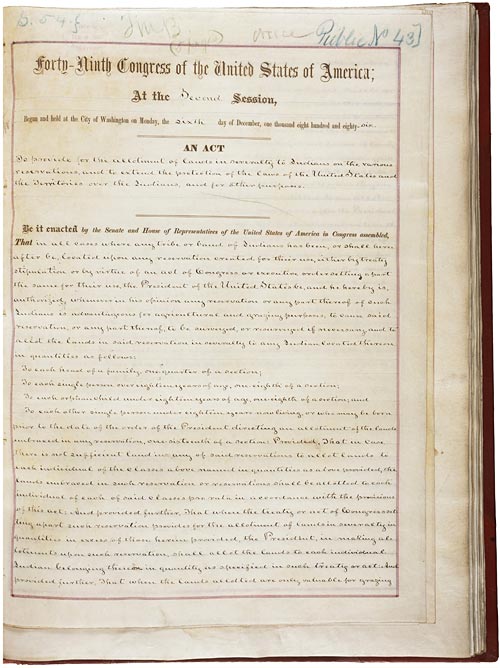 Document
Primary source
Dawes Act
Henry Dawes · 8 February 1887
Ready when you are
Start chatting with Sitting Bull (Tȟatȟáŋka Íyotake) now.
20 messages free · No credit card · Available in 50+ languages.