


Primary sourceArtifactc. 982
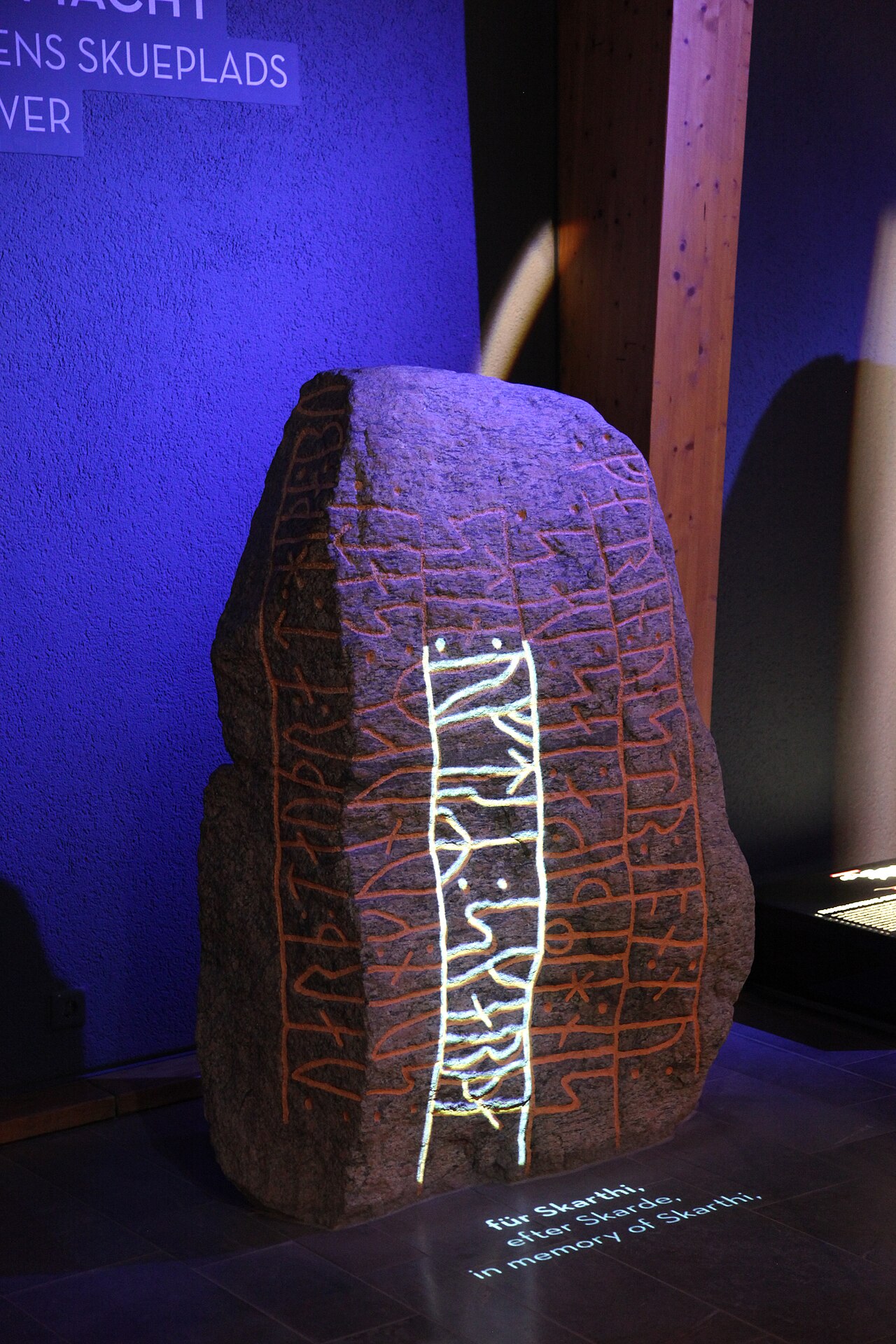
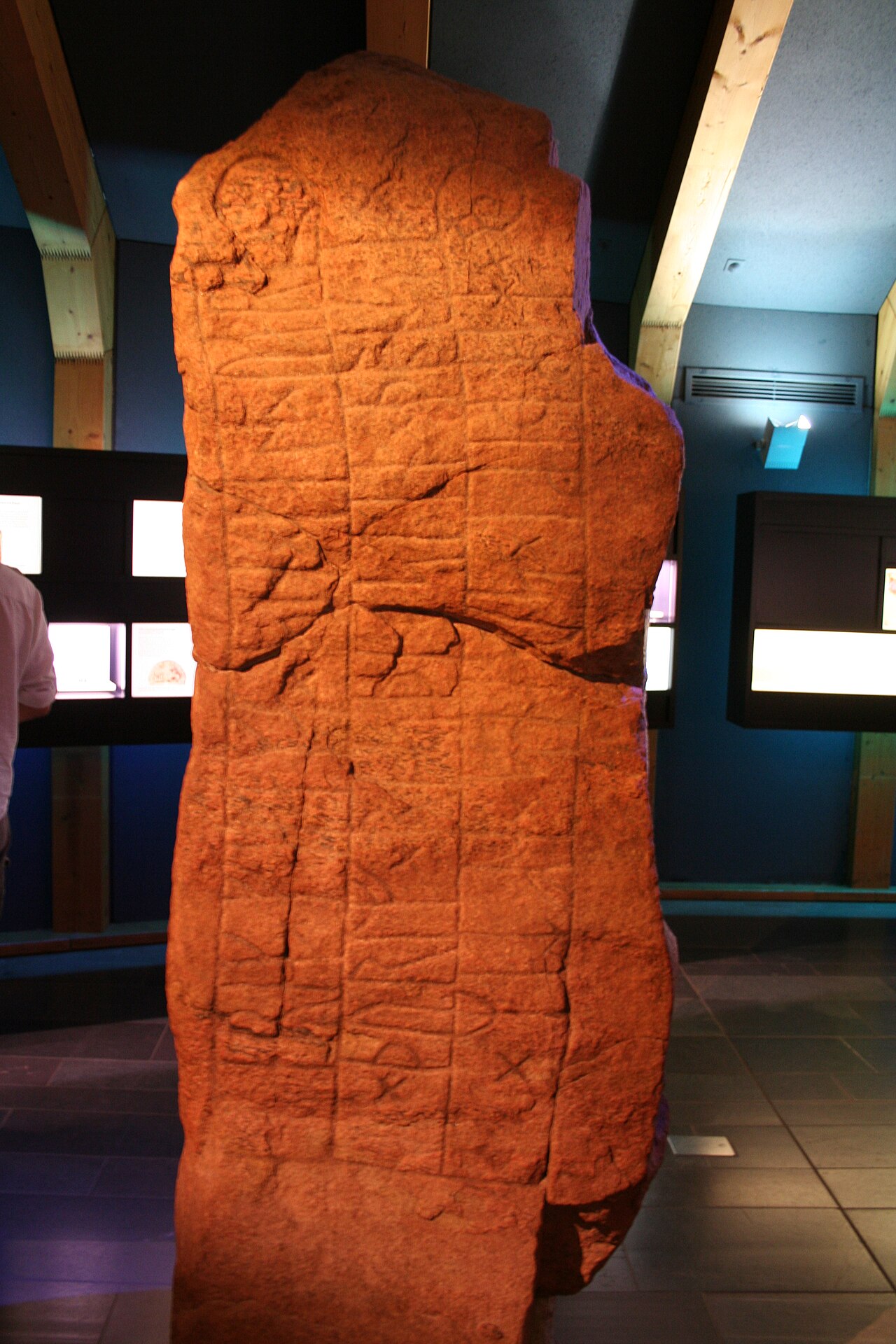
Skarthi Stone
c. 982
A runestone raised by King Sveinn Forkbeard himself in memory of his retainer Skarði, who died at Hedeby after campaigning in the west.
Commissioned by Swein himself to honour a fallen retainer, making it a rare direct trace of his own authority as king.
About this source
What it is
The Skarthi Stone is a granite runestone found at Danevirke in 1857, now displayed at the Hedeby Viking Museum. It was raised around 982 and carries a runic inscription commissioned by 'King Sveinn' in honour of his retainer Skarði.
Why it matters
This is a rare case of an inscription commissioned directly by Swein Forkbeard himself, naming him as king and showing he rewarded loyal followers called heimþegar, or 'home-receivers', men given houses in exchange for service. Skarði is said to have 'roamed the west' before dying at Hedeby, hinting at campaigns, possibly in England, that Swein led or supported.
Look closer
- What does commissioning a monument for a follower tell you about how a Viking king kept loyalty?
- What might 'roamed the west' be referring to, and what does it leave unsaid?
- How does a stone monument differ from a written chronicle as a historical source?
This artifact is part of the curated material that grounds the AI version of Sweyn Forkbeard on Humy.ai — when students ask about related events, the AI can quote it and cite it.
More Sweyn Forkbeard sources
Browse all 36 →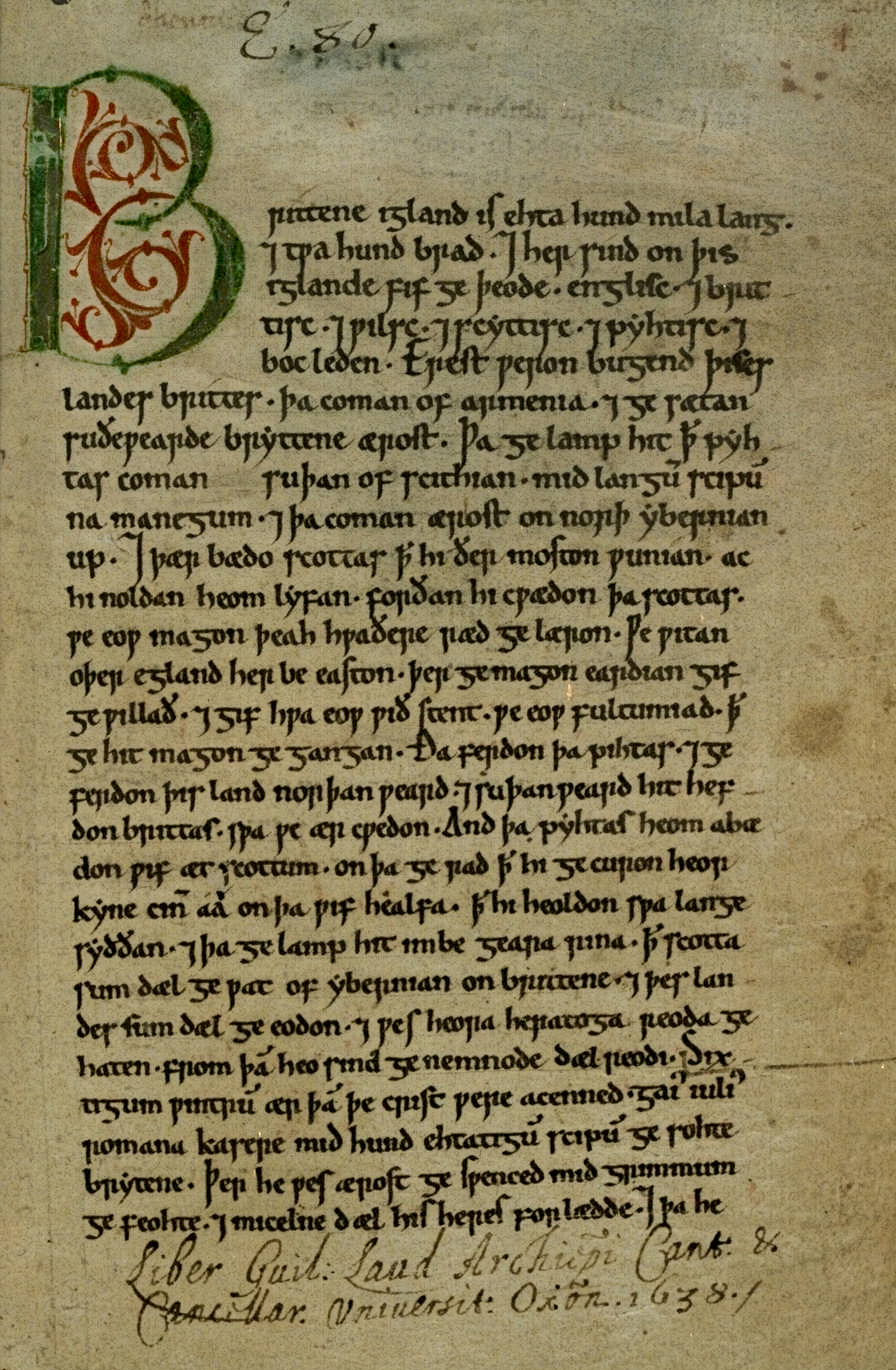 Document
Primary source
Anglo-Saxon Chronicle
c. 890 (Common Stock)
 Document
Primary source
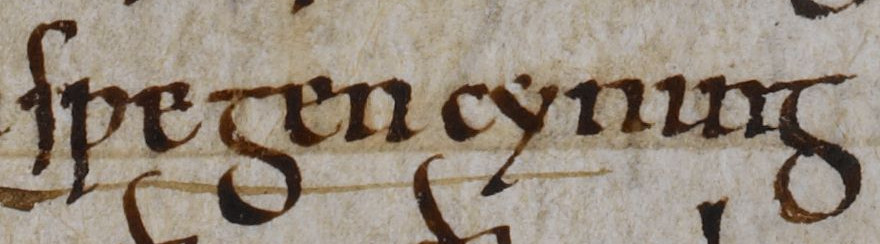
Sveinn Haraldsson name entry, Cotton MS Tiberius B I
11th century
 Speech
Primary source
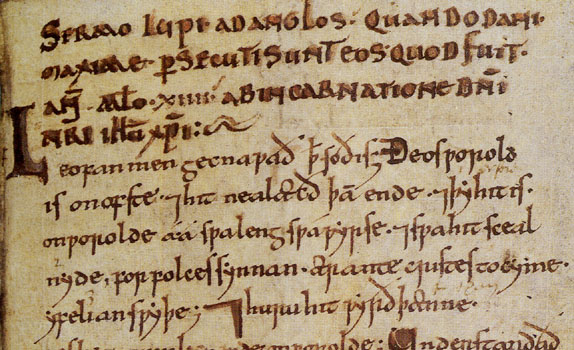
Sermo Lupi ad Anglos
Wulfstan II, Archbishop of York · c. 1010-1016
 Artifact
Primary source
Stone of Eric
c. 995


Free account
Read every Sweyn Forkbeard source
Sign up free →
Ready when you are
Start chatting with Sweyn Forkbeard now.
20 messages free · No credit card · Available in 50+ languages.