


Primary sourceArtifact18th century specimens
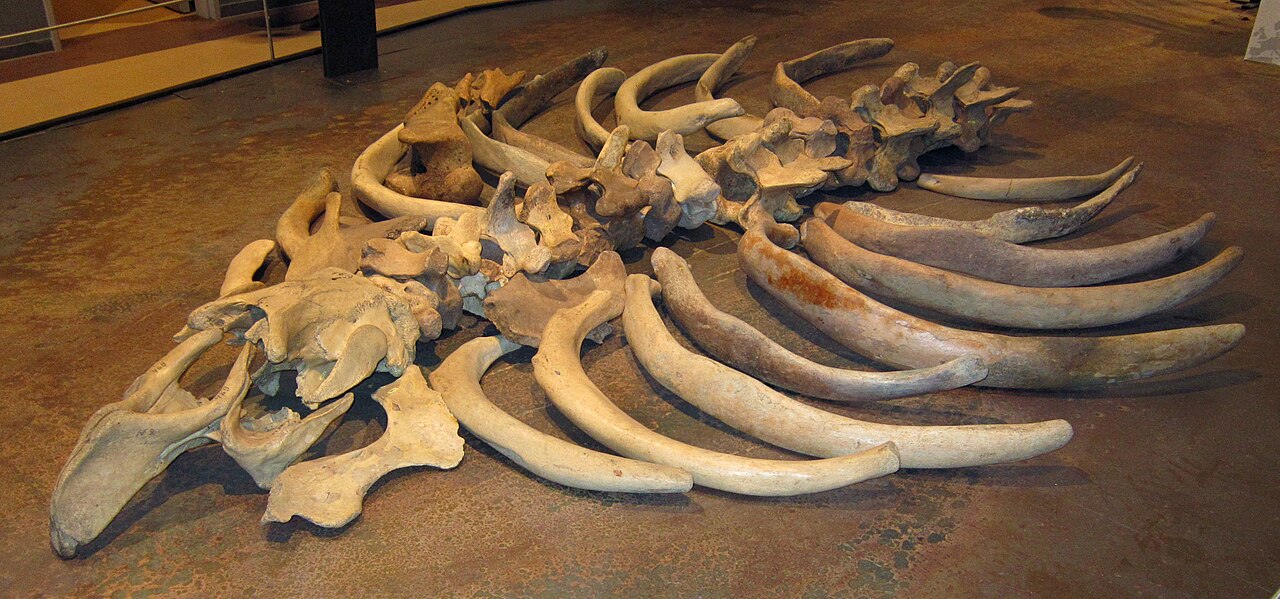
Skeleton of Steller's sea cow
18th century specimens
A skeleton of the now-extinct Steller's sea cow, a species discovered by Bering's shipwrecked crew on Bering Island.
This species was discovered by Bering's shipwrecked crew on the island later named after him.
About this source
What it is
This is a partially assembled skeleton of a Steller's sea cow, a large marine mammal. It was excavated on Bering Island, where Bering's crew was shipwrecked, and specimens like this one eventually entered natural history collections, including those in Helsinki and London.
Why it matters
The sea cow was first recorded by Georg Wilhelm Steller, the naturalist on Bering's final voyage, after the expedition was stranded on the island now named for Bering. Hunted heavily after its discovery, the species was extinct within decades, making this skeleton a stark reminder of how exploration could have lasting ecological consequences.
Look closer
- What does the survival of only a skeleton tell us about this animal's fate?
- Why might an expedition's naturalist record a new species rather than just the sailors?
- What does this object suggest about the impact of European contact on new lands?
This artifact is part of the curated material that grounds the AI version of Vitus Bering on Humy.ai — when students ask about related events, the AI can quote it and cite it.
More Vitus Bering sources
Meet the AI Vitus Bering →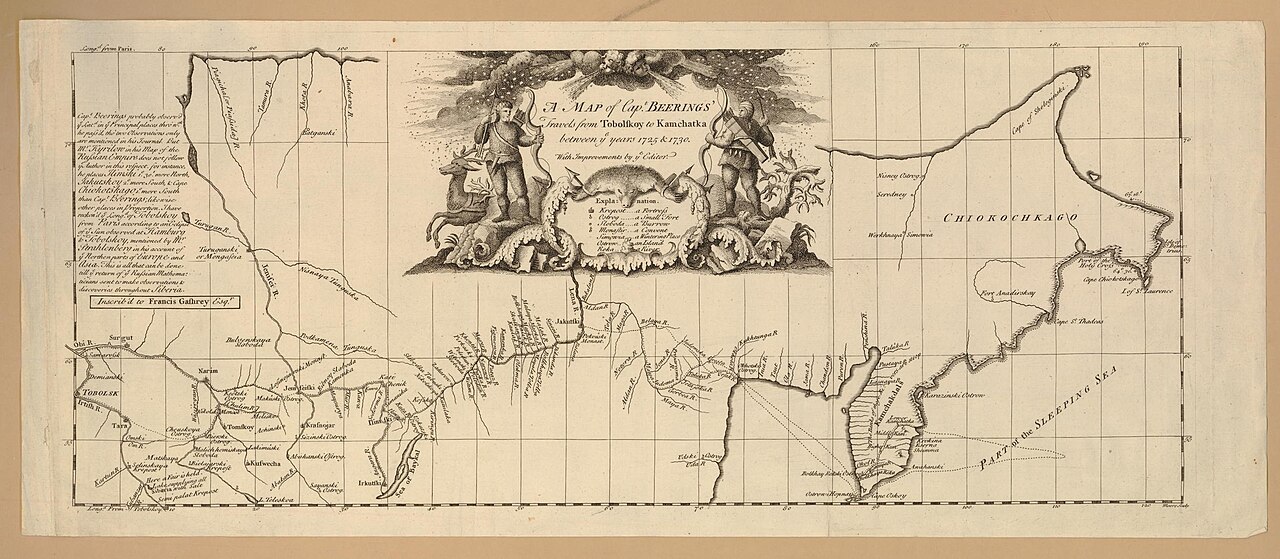 Document
Secondary source
Map of Captain Beerings' Travels from Tobolskoy to Kamchatka
between 1725 and 1730 (printed later)
 Book
Secondary source
Bering's Voyages: An Account of the Efforts of the Russians to Determine the Relation of Asia and America
Frank A. Golder · 1922–1925
 Book
Secondary source
Vitus Bering: the Discoverer of Bering Strait
Peter Lauridsen · 1889
Primary source
Early Expeditions to the Region of Bering Sea and Strait
Vitus Bering · 1891 (translation of earlier reports)
 Document
Primary source
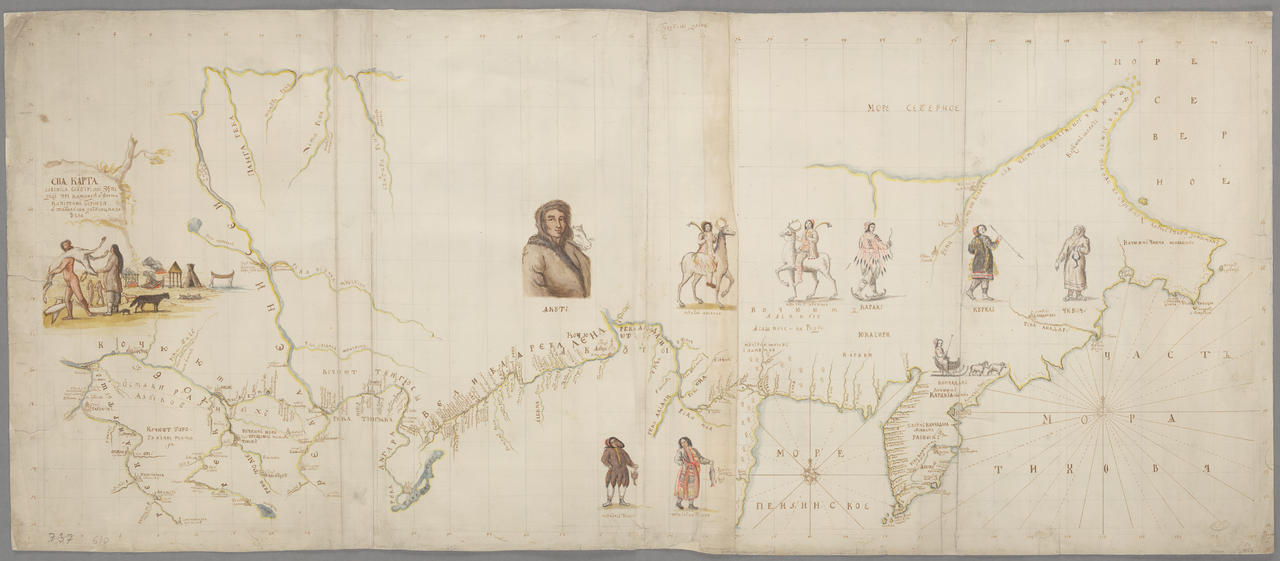
Chart of the Siberian Expedition under Bering, Tobolsk to Chukotka
Vitus Jonassen Bering · between 1725 and 1730
Ready when you are
Start chatting with Vitus Bering now.
20 messages free · No credit card · Available in 50+ languages.