


Primary sourceArtifact
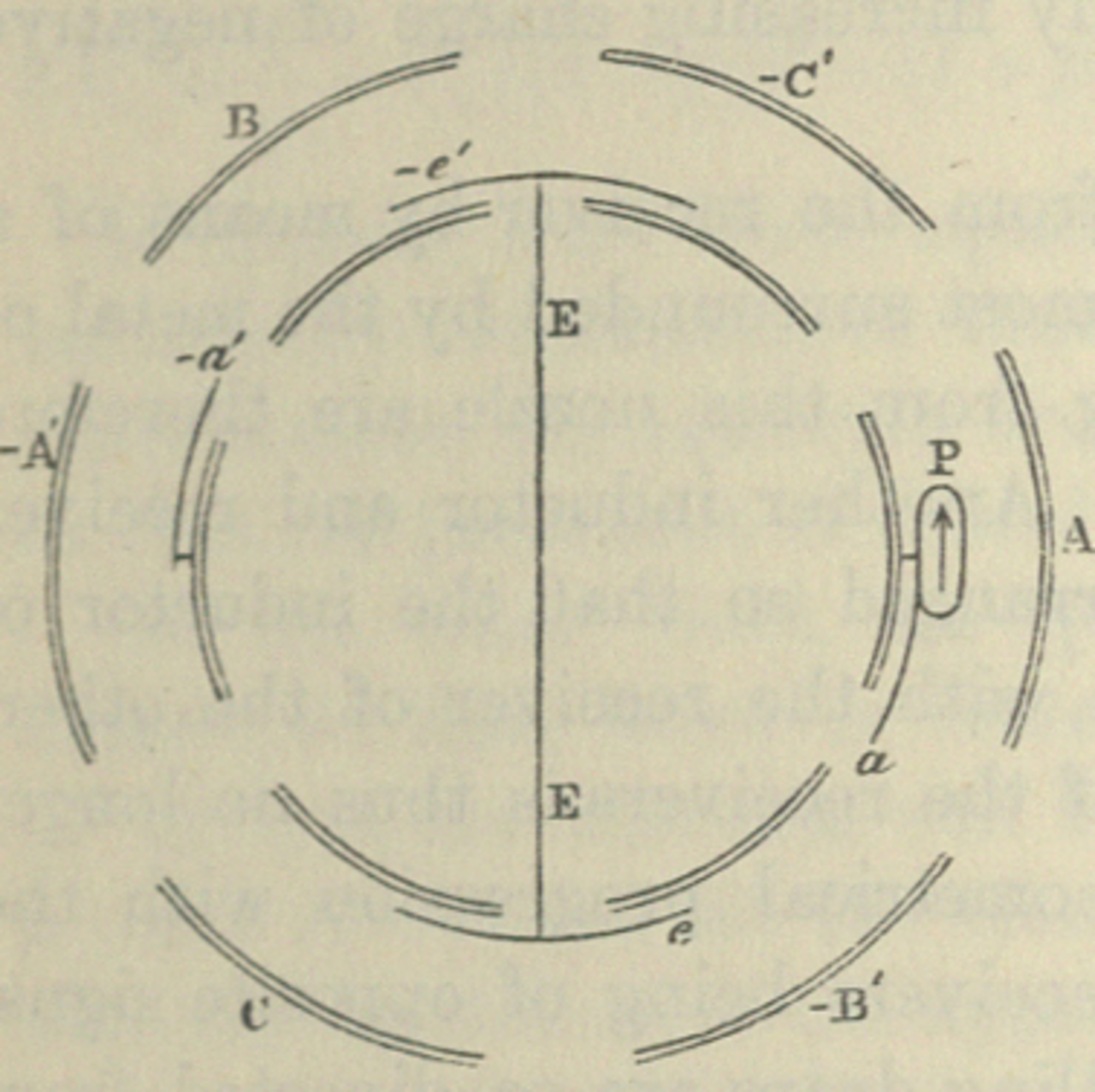
Sketch for a Conceptually Perfect Influence Machine
James Clerk Maxwell
Maxwell's sketch of an idealised electrostatic induction machine, showing his interest in practical electrical apparatus.
This sketch shows Maxwell's practical engagement with the design of electrical apparatus.
About this source
What it is
This is a line drawing by James Clerk Maxwell showing a design for an idealised electrostatic induction machine, a device used to generate static electricity.
Why it matters
The sketch shows that Maxwell was not only a theoretical physicist but also engaged with the practical design of electrical apparatus. Influence machines were important experimental tools in 19th-century electrical science, and this drawing reflects Maxwell's hands-on thinking about how such devices could work in an ideal, perfected form.
Look closer
- What can you tell about how the machine was meant to work just from the labelled parts in the drawing?
- Why might a physicist sketch an "ideal" version of a machine rather than build a real one?
- What does this sketch suggest about the relationship between theory and practical invention in Maxwell's work?
This artifact is part of the curated material that grounds the AI version of James Clerk Maxwell on Humy.ai — when students ask about related events, the AI can quote it and cite it.
More James Clerk Maxwell sources
Browse all 90 →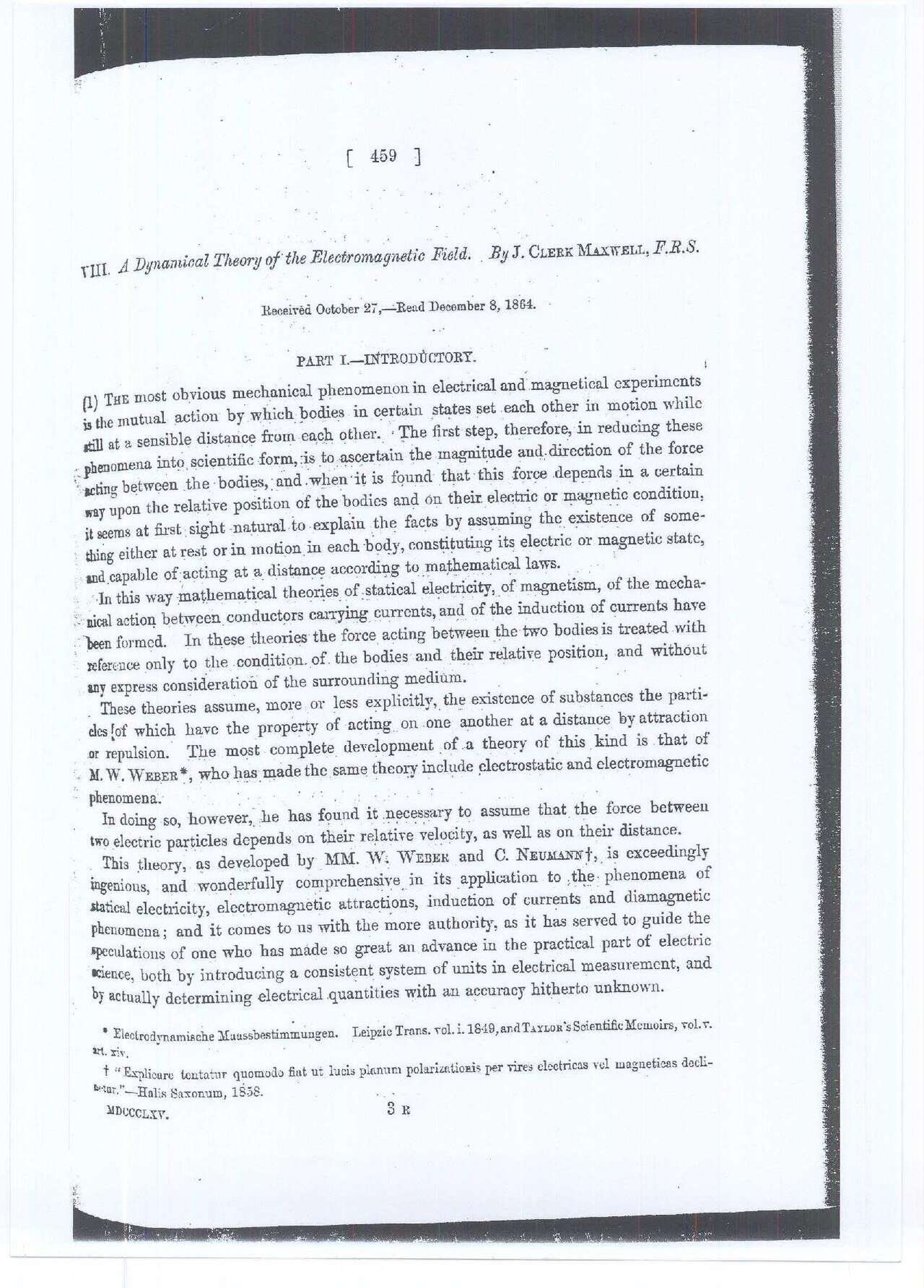 Document
Primary source
A Dynamical Theory of the Electromagnetic Field
James Clerk Maxwell · 1865 (read 8 December 1864)
 Photograph
Primary source
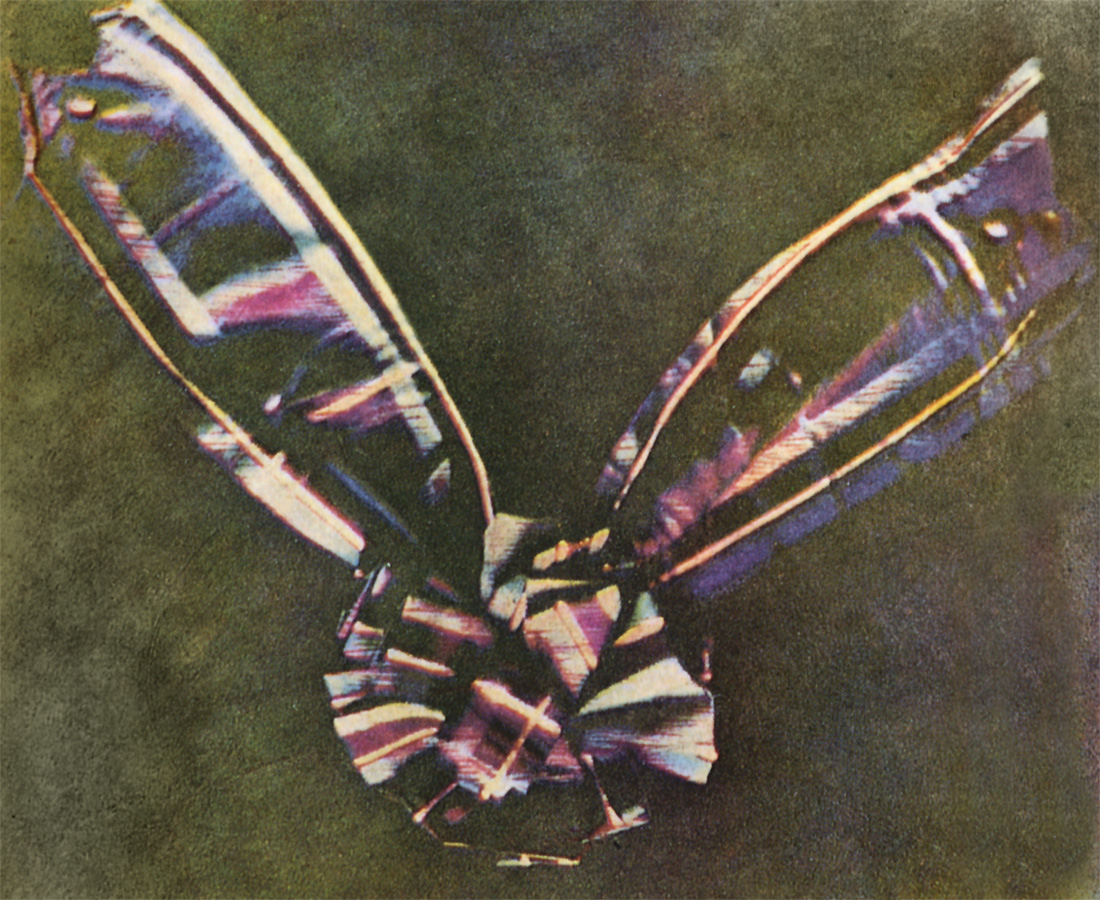
Tartan Ribbon Colour Photograph
James Clerk Maxwell with Thomas Sutton · 1861
 Document
Primary source
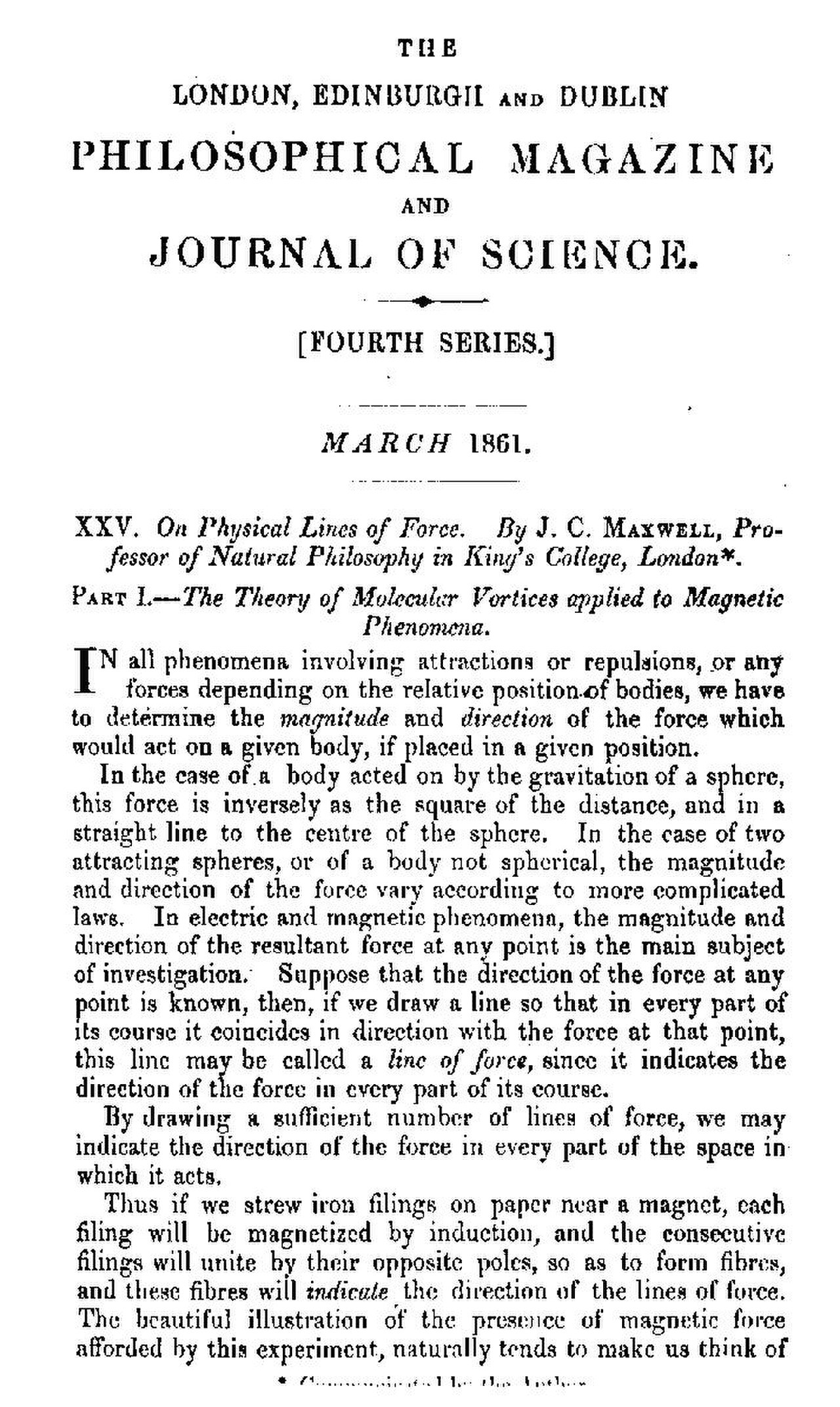
On Physical Lines of Force
James Clerk Maxwell · 1861–1862
 Document
Secondary source
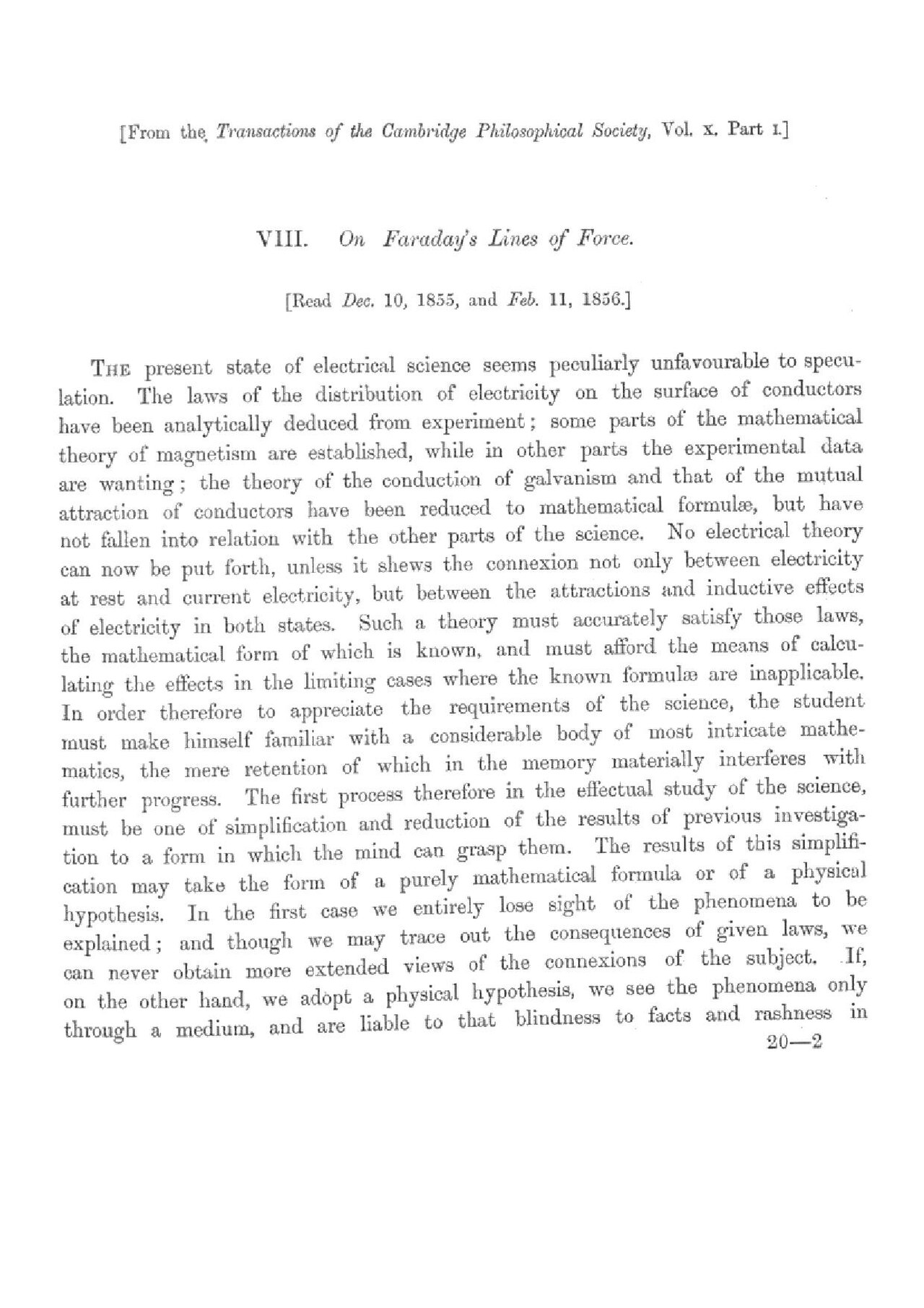
On Faraday's Lines of Force
James Clerk Maxwell · 1855-1856
Free account
Read every James Clerk Maxwell source
Sign up free →
Ready when you are
Start chatting with James Clerk Maxwell now.
20 messages free · No credit card · Available in 50+ languages.