


Secondary sourcePhotograph12/13/13
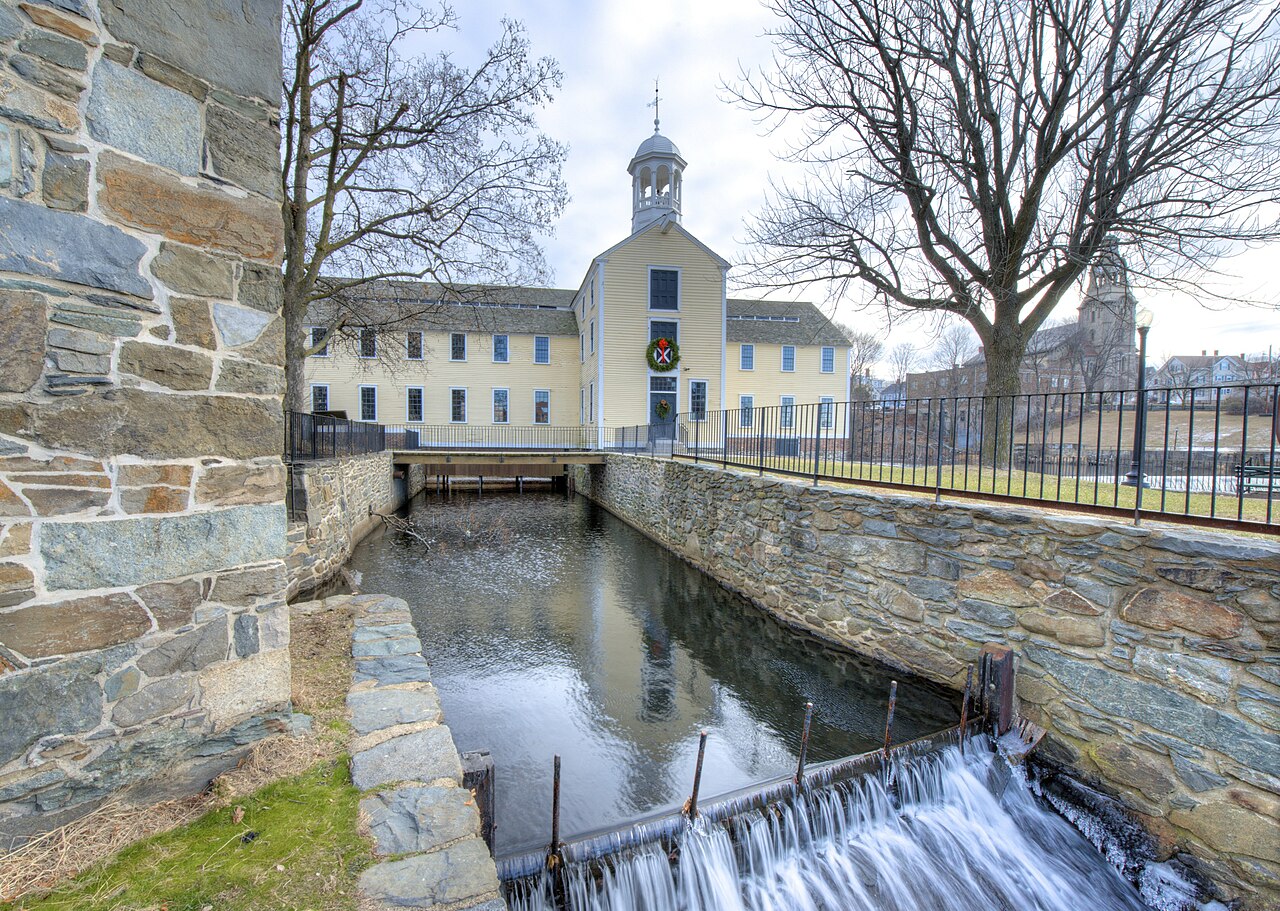
Slater and Wilkinson Mills exterior and water power
Bestbudbrian · 12/13/13
A modern photograph of mills tied to Samuel Slater's early enterprise in Pawtucket, showing how canal water powered them.
It shows the water-powered mill setting of Slater's early enterprise, a site he is connected to through the early American mills.
About this source
What it is
This photograph, credited to a Wikimedia Commons user named Bestbudbrian and dated 12/13/13 on the file page, shows a yellow wooden multi-story mill with a cupola and a small weathervane. It stands behind a stone-walled millrace. Water flows over a low dam at the lower right, a black iron railing runs along a footbridge, and bare winter trees stand under an overcast sky.
Why it matters
The photograph's file record says that each mill used part of the drop of the canal, and therefore of the river, for power. Water power was the energy that drove early textile mills of this kind. The picture is a modern view of a site connected to Samuel Slater's early enterprise, not an image from his lifetime.
Look closer
- How does the stone millrace and the dam show where the mill's power came from?
- Why might a modern photographer choose a winter scene for a picture about historic mills?
- What does this photograph leave out about the people who built and worked these mills?
This photograph is part of the curated material that grounds the AI version of Samuel Slater on Humy.ai — when students ask about related events, the AI can quote it and cite it.
More Samuel Slater sources
Meet the AI Samuel Slater →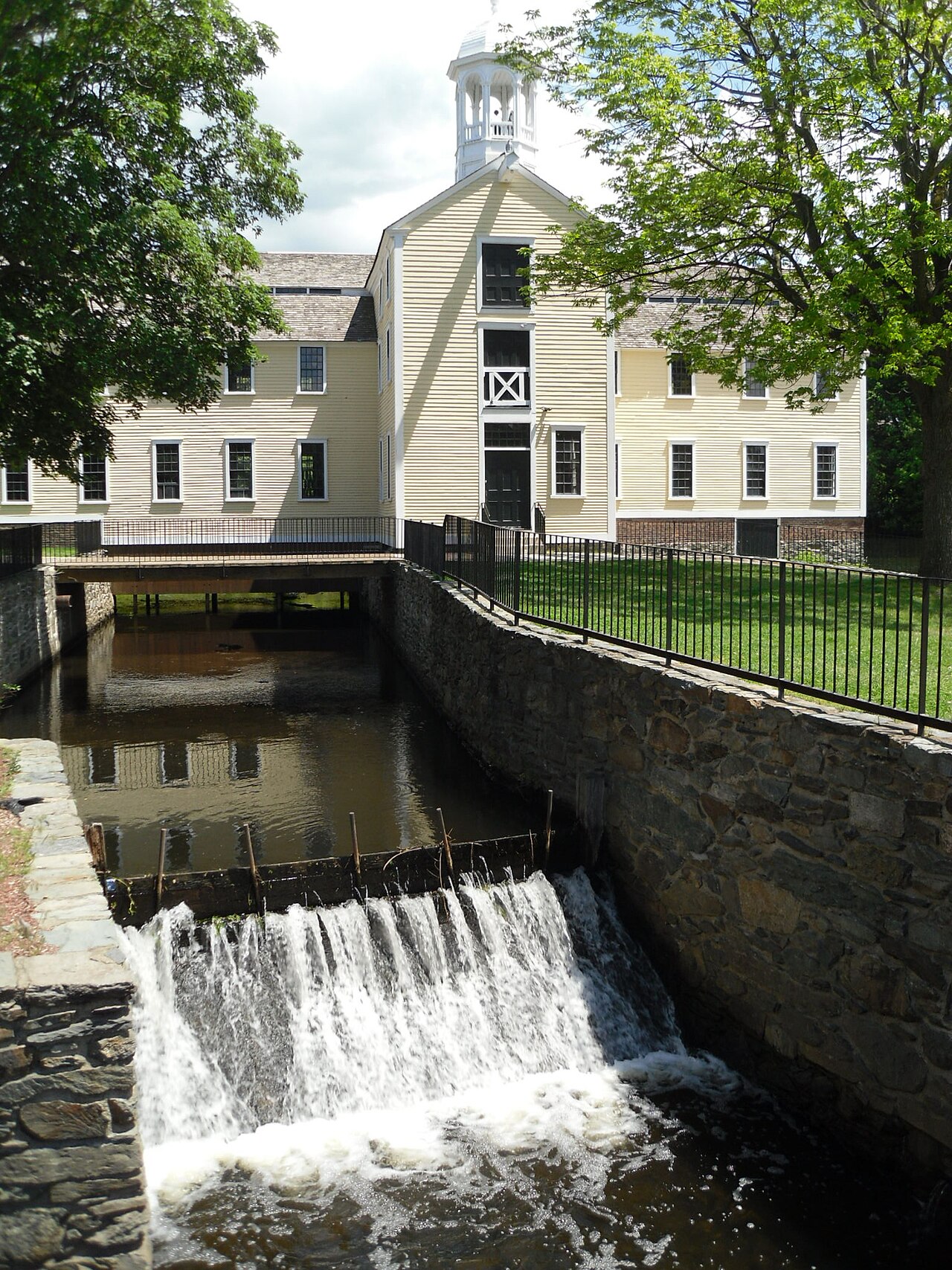 Artifact
Secondary source
Slater Mill Historic Site
Samuel Slater · 1955 (museum opening); mill built 1793
 Artifact
Secondary source
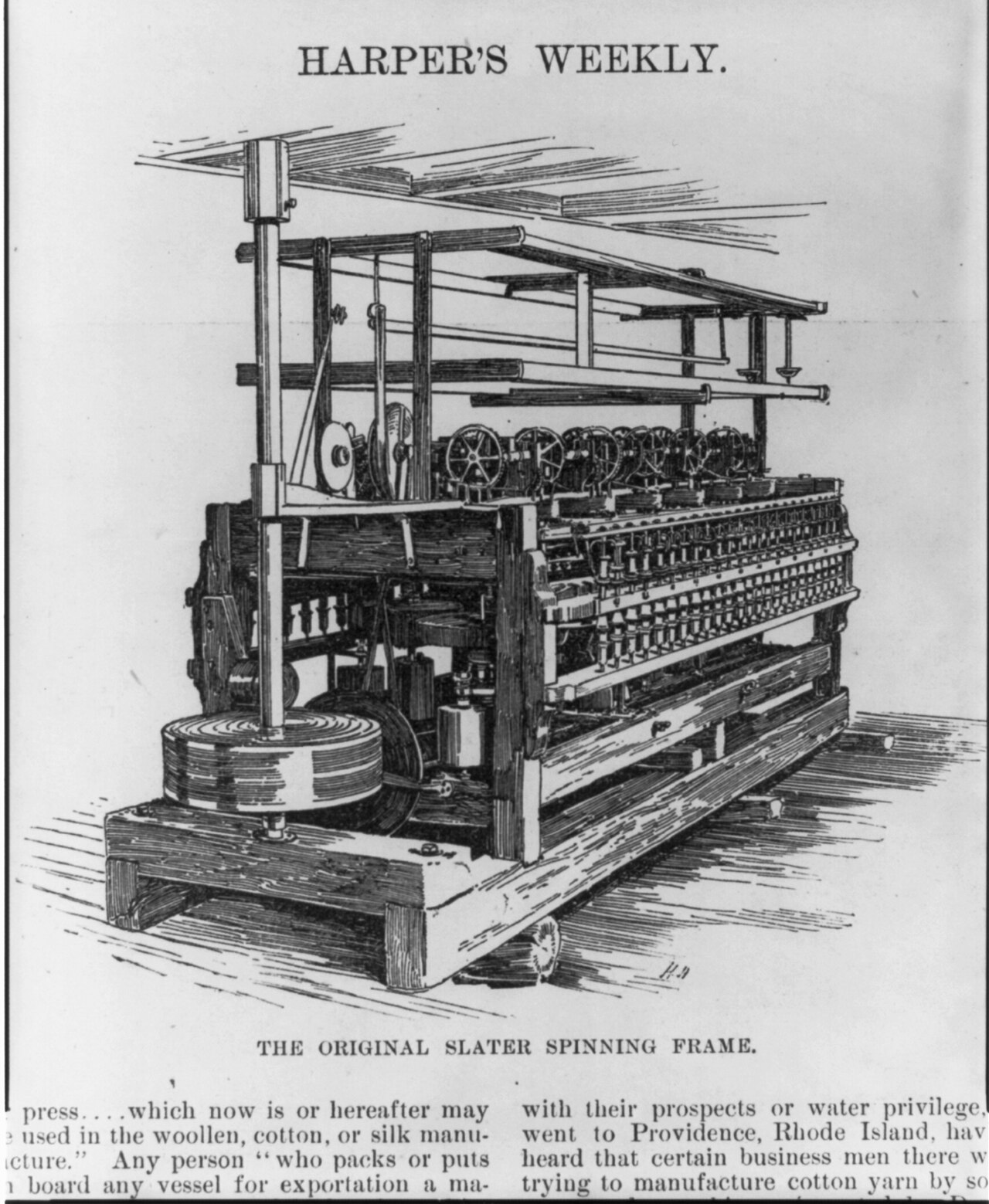
Slater Spinning Frame
Samuel Slater · c. 1790
 Photograph
Secondary source
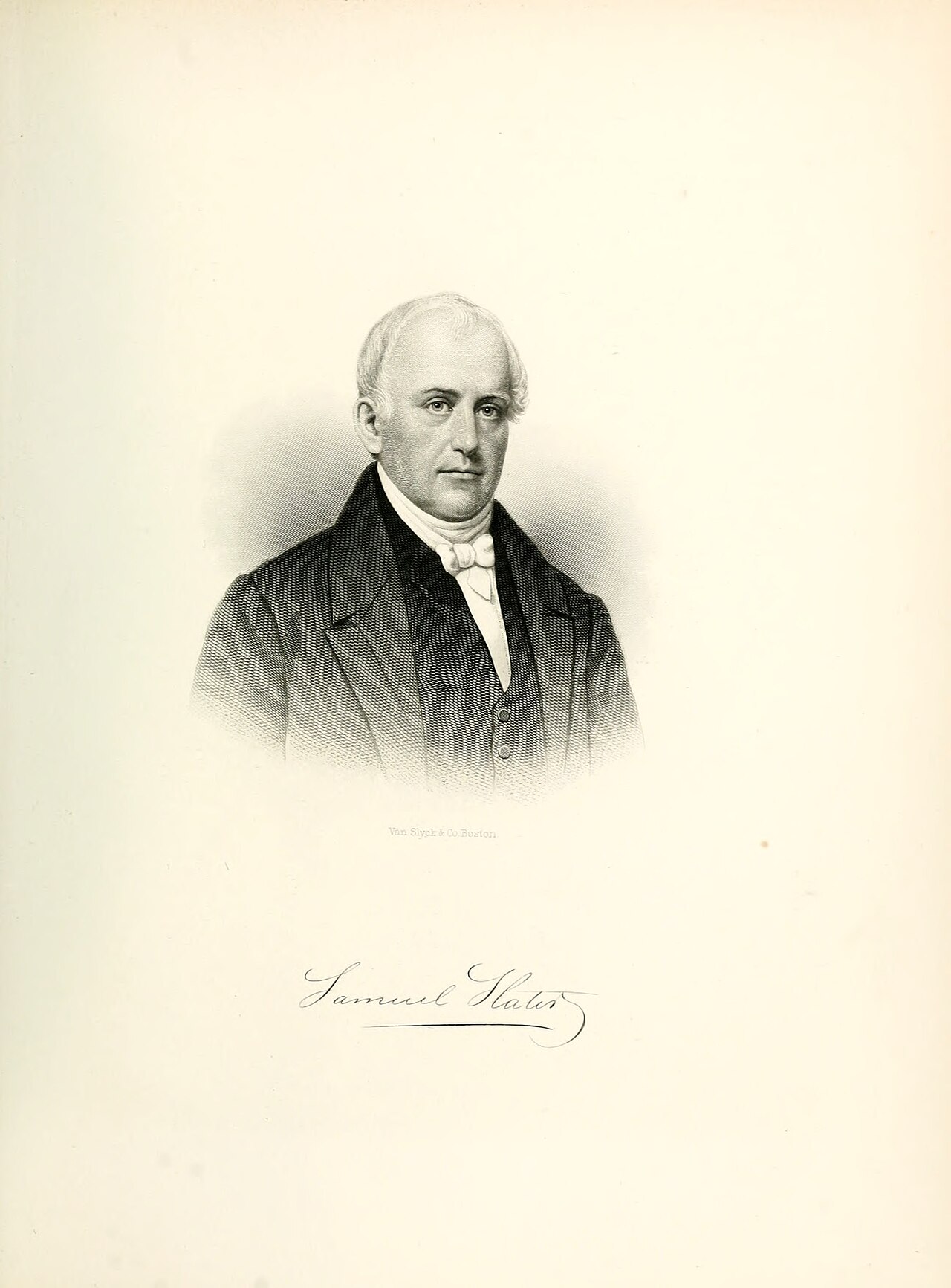
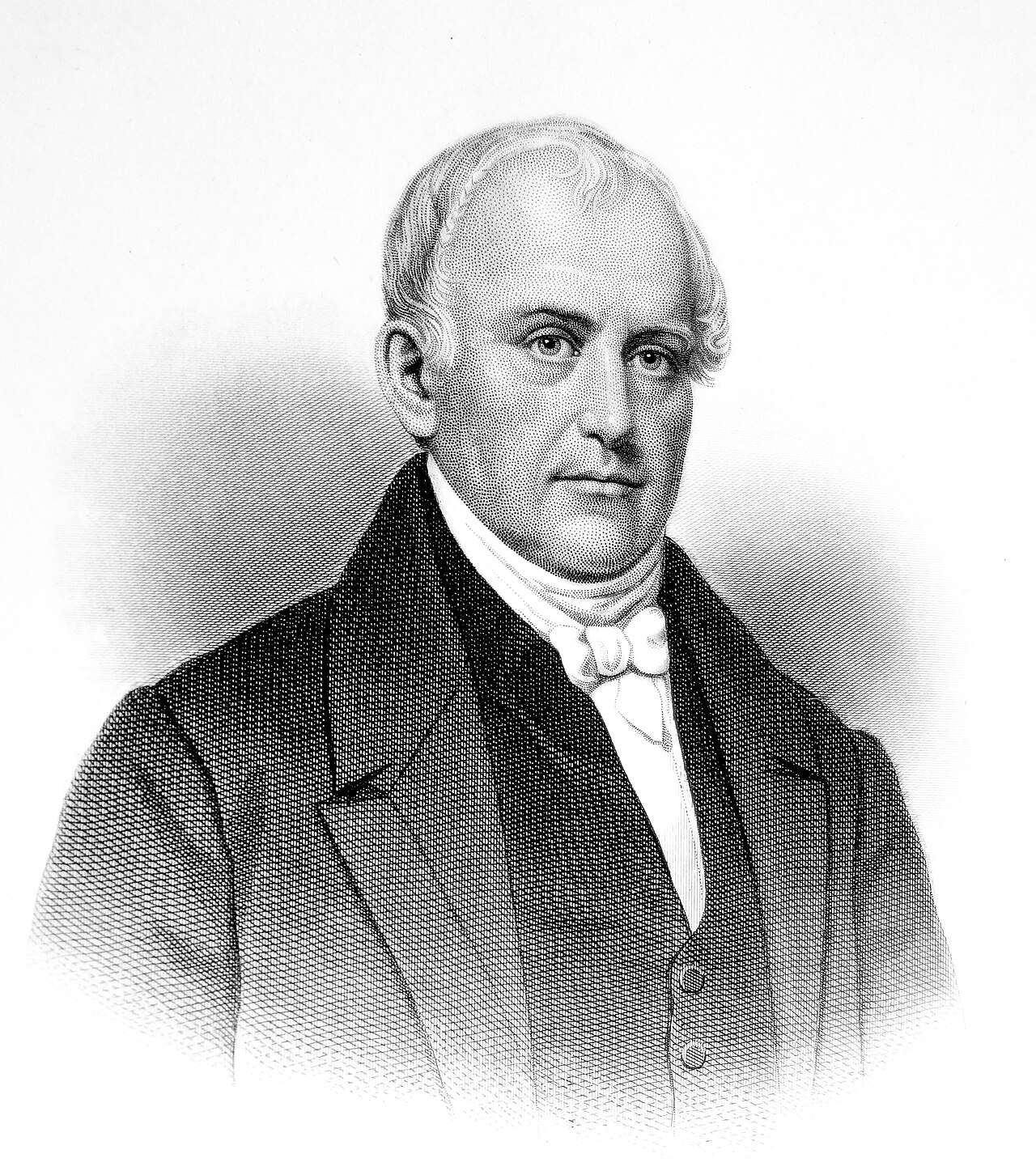
Samuel Slater Biographical Engraving
 Painting
Secondary source
Samuel Slater, Industrialist
National Biographical Publishing Company
 Document
Primary source
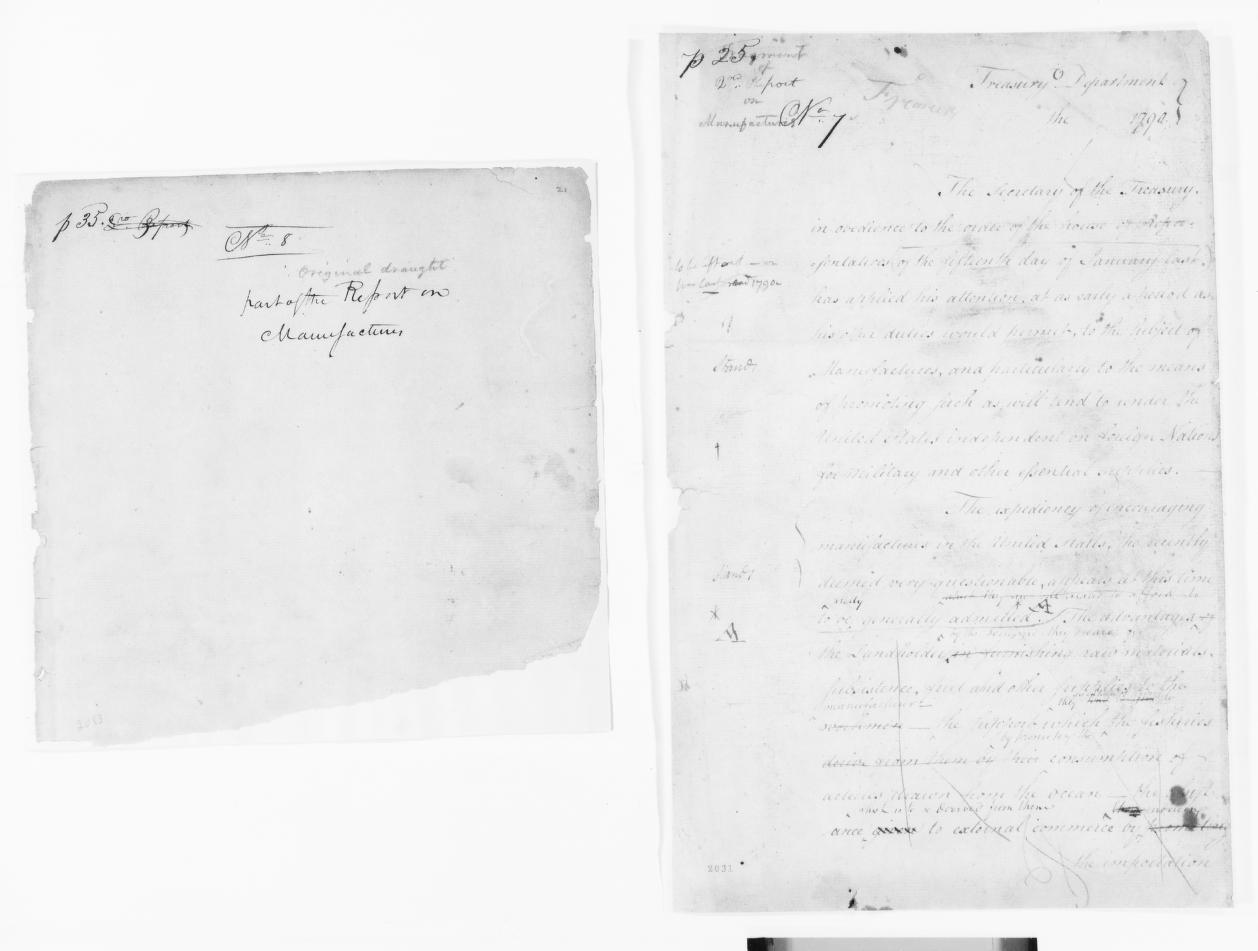
Report on Manufactures
Alexander Hamilton · 5 December 1791
Ready when you are
Start chatting with Samuel Slater now.
20 messages free · No credit card · Available in 50+ languages.