


Secondary sourceSculpture1496
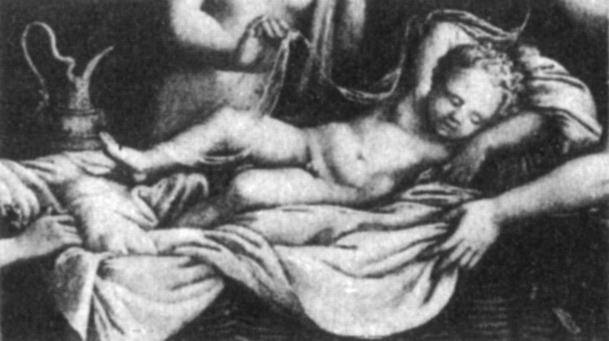
Sleeping Cupid
Michelangelo · 1496
A lost marble sculpture by Michelangelo that passed into Cesare Borgia's hands after he seized Urbino, and which he gave to Isabella d'Este.
Cesare Borgia took this Michelangelo sculpture after seizing Urbino and gave it to Isabella d'Este, showing his use of art as diplomacy.
About this source
What it is
Michelangelo carved this marble Cupid around 1496, while still a young artist, and artificially aged it to look antique. It was later donated by Cesare Borgia to Isabella d'Este. The sculpture is now lost, likely destroyed in a fire in the 17th century.
Why it matters
The Cupid's journey shows how Cesare Borgia used seized art as a tool of diplomacy and power after conquering Urbino in 1502. It also reveals Michelangelo's early career, built partly on a deception about the statue's age, and the Renaissance trade in valuable antiquities and art between rulers.
Look closer
- Why would a conqueror give away a valuable artwork instead of keeping it?
- What does it tell us that a sculpture was deliberately made to look older than it was?
- What is lost when we only have descriptions and no surviving original to study?
This sculpture is part of the curated material that grounds the AI version of Cesare Borgia and Michelangelo Buonarroti on Humy.ai — when students ask about related events, the AI can quote it and cite it.
More Cesare Borgia sources
Browse all 51 →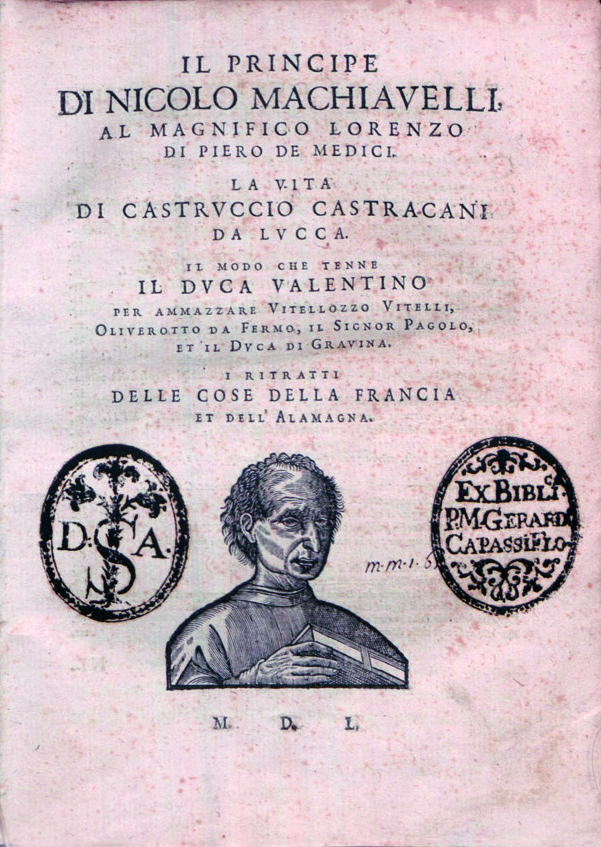 Book
Primary source
The Prince
Niccolò Machiavelli · 1513
 Book
Primary source
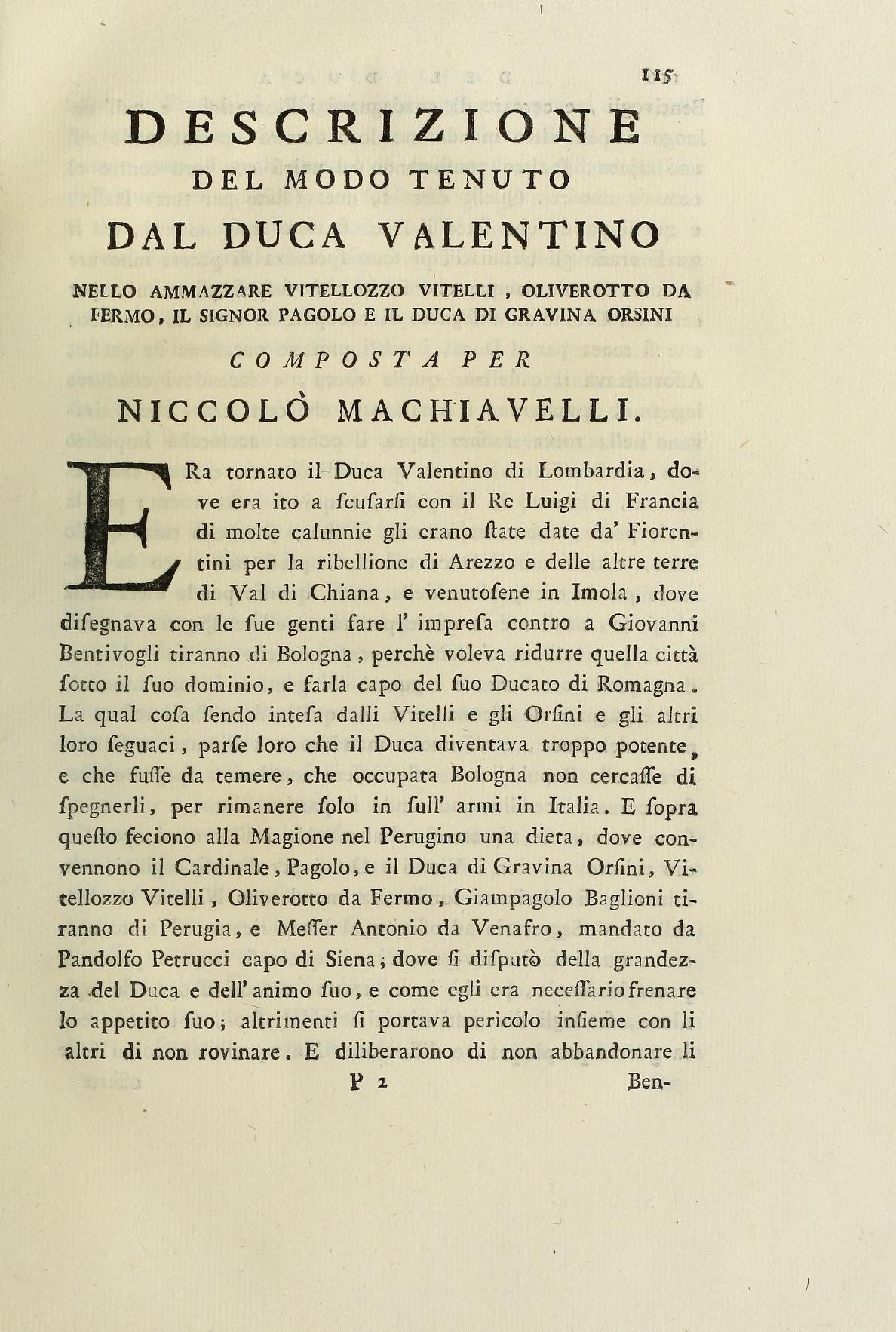
Description of the Manner in which Duke Valentino put Vitellozzo Vitelli, Oliverotto da Fermo, Lord Pagolo and the Duke of Gravina to Death
Niccolò Machiavelli · 1502-1503 (printed 1532)
 Document
Primary source
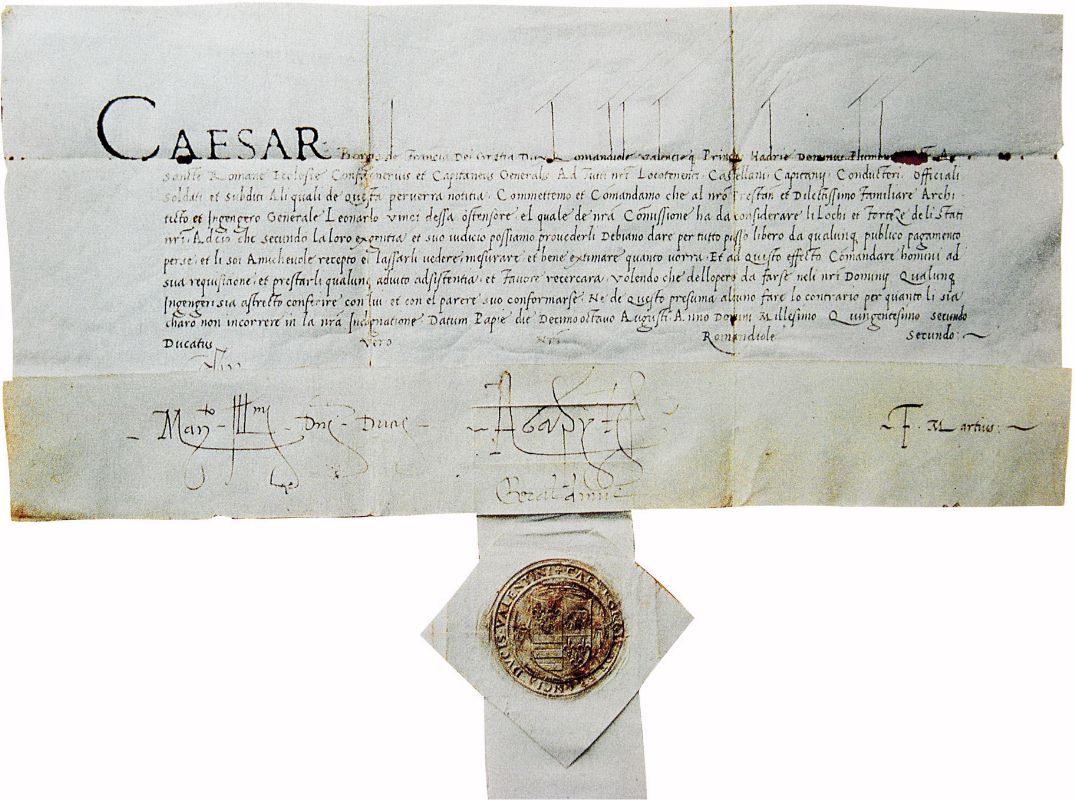
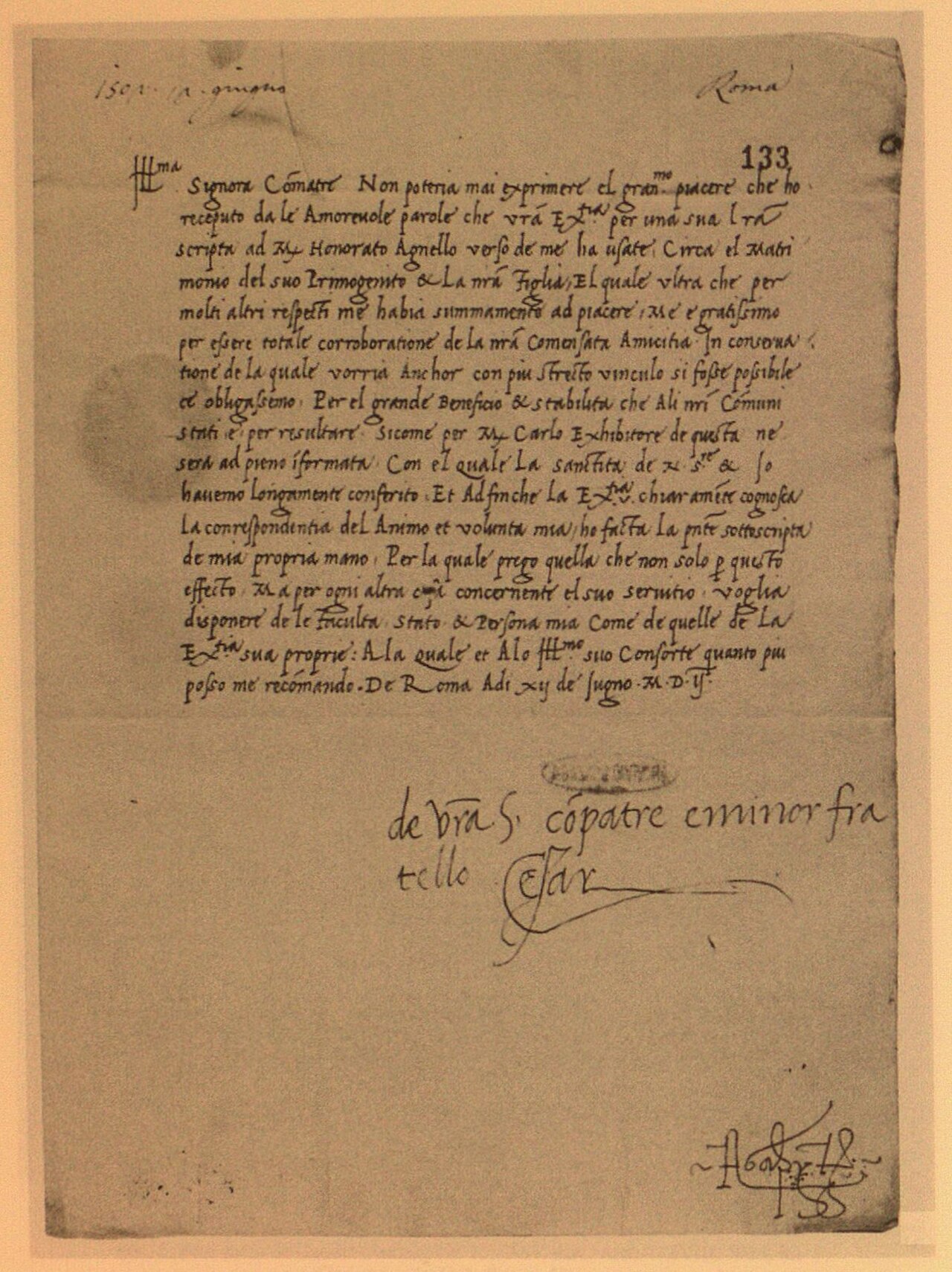
Safe-Conduct from Cesare Borgia
Cesare Borgia · 1502
 Artifact
Primary source
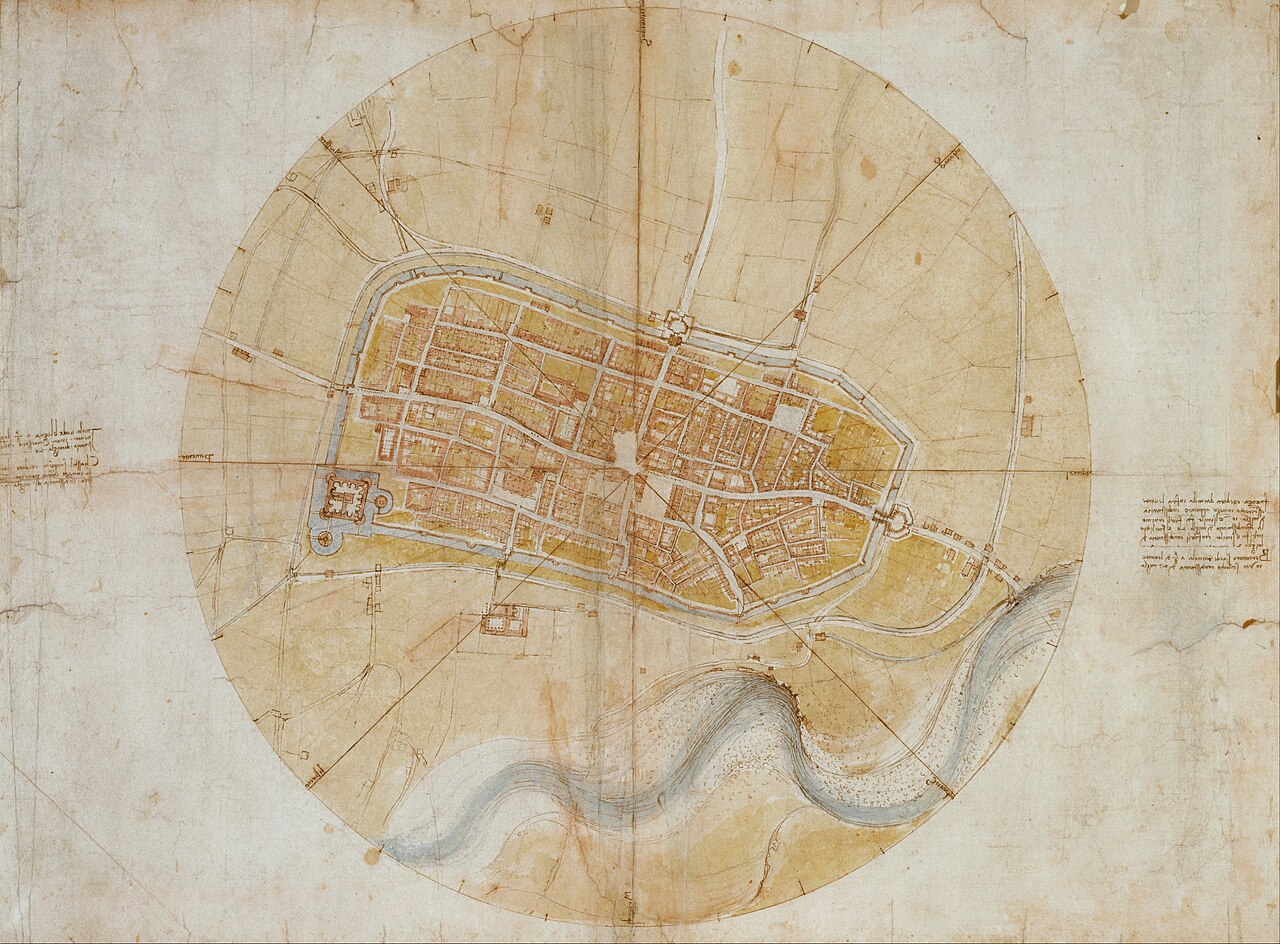
Leonardo da Vinci's Map of Imola
Leonardo da Vinci · 1502
Free account
Read every Cesare Borgia source
Sign up free →
Ready when you are
Start chatting with Cesare Borgia now.
20 messages free · No credit card · Available in 50+ languages.