


Secondary sourcePaintingc. 1610
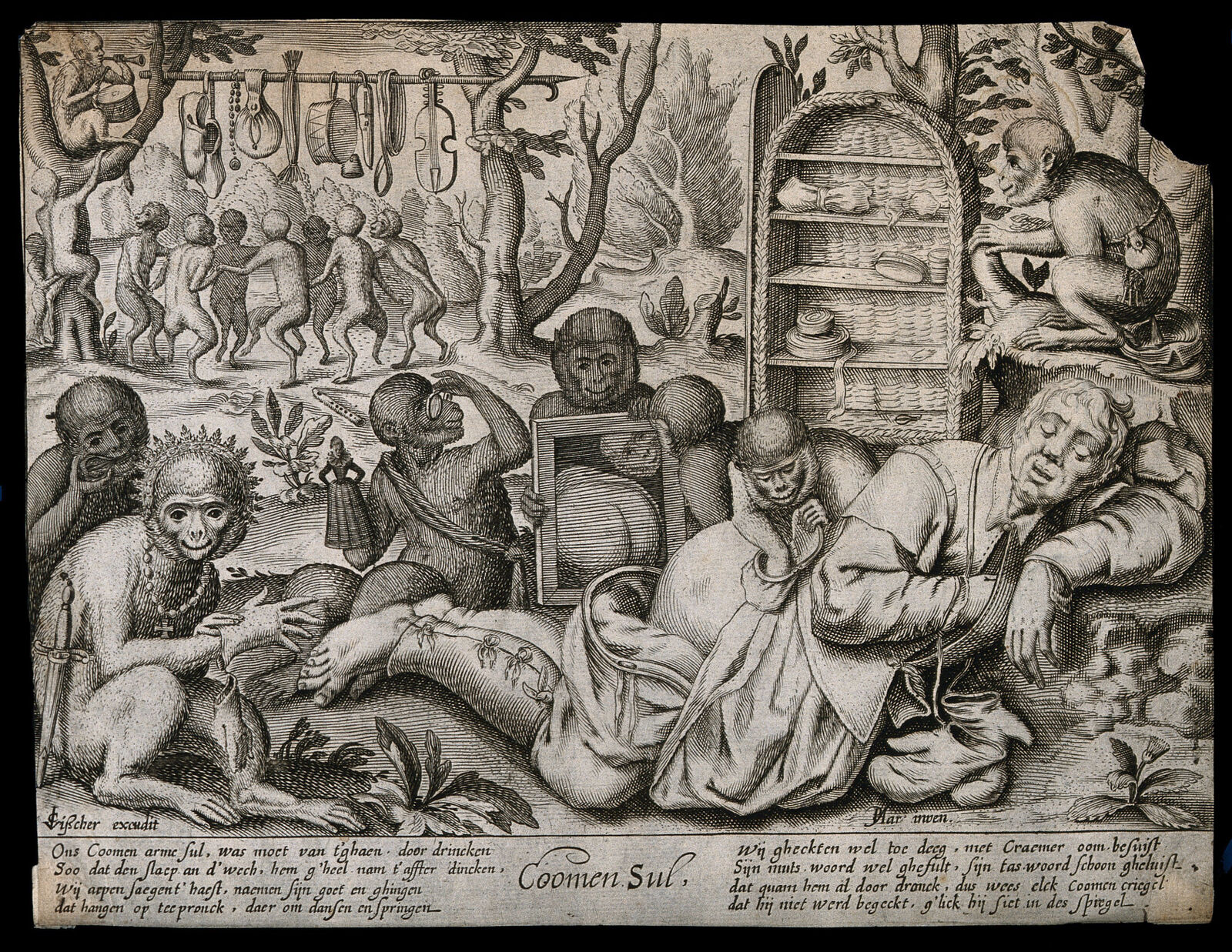
Sleeping Pedlar with Monkeys
P. van Harlingen after Pieter Bruegel the Elder · c. 1610
A humorous engraving made about 40 years after Bruegel's death, reproducing his design of monkeys ransacking a sleeping pedlar's goods.
This later print reproduces a comic design invented by Bruegel, showing his lasting popularity decades after his death.
About this source
What it is
This is a line engraving made around 1610, about forty years after Bruegel's death, by P. van Harlingen after a composition by Pieter Bruegel the Elder. It shows a sleeping pedlar surrounded by mischievous monkeys who examine him, steal from his basket, and play with a mirror and a crown. Dutch verse runs along the bottom. It is held by the Wellcome Collection in London.
Why it matters
Although made long after Bruegel's lifetime, the print preserves one of his comic, satirical compositions, showing his skill at inventing humorous scenes full of small details and social commentary. It also shows how popular Bruegel's inventions remained decades later, as engravers kept reproducing and selling them.
Look closer
- What different mischievous actions are the monkeys doing, and what might each represent?
- Why might an artist use monkeys instead of people to make fun of human behaviour?
- What does the long gap between Bruegel's death and this print tell you about his lasting popularity?
This painting is part of the curated material that grounds the AI version of Pieter Bruegel the Elder on Humy.ai — when students ask about related events, the AI can quote it and cite it.
More Pieter Bruegel the Elder sources
Browse all 96 →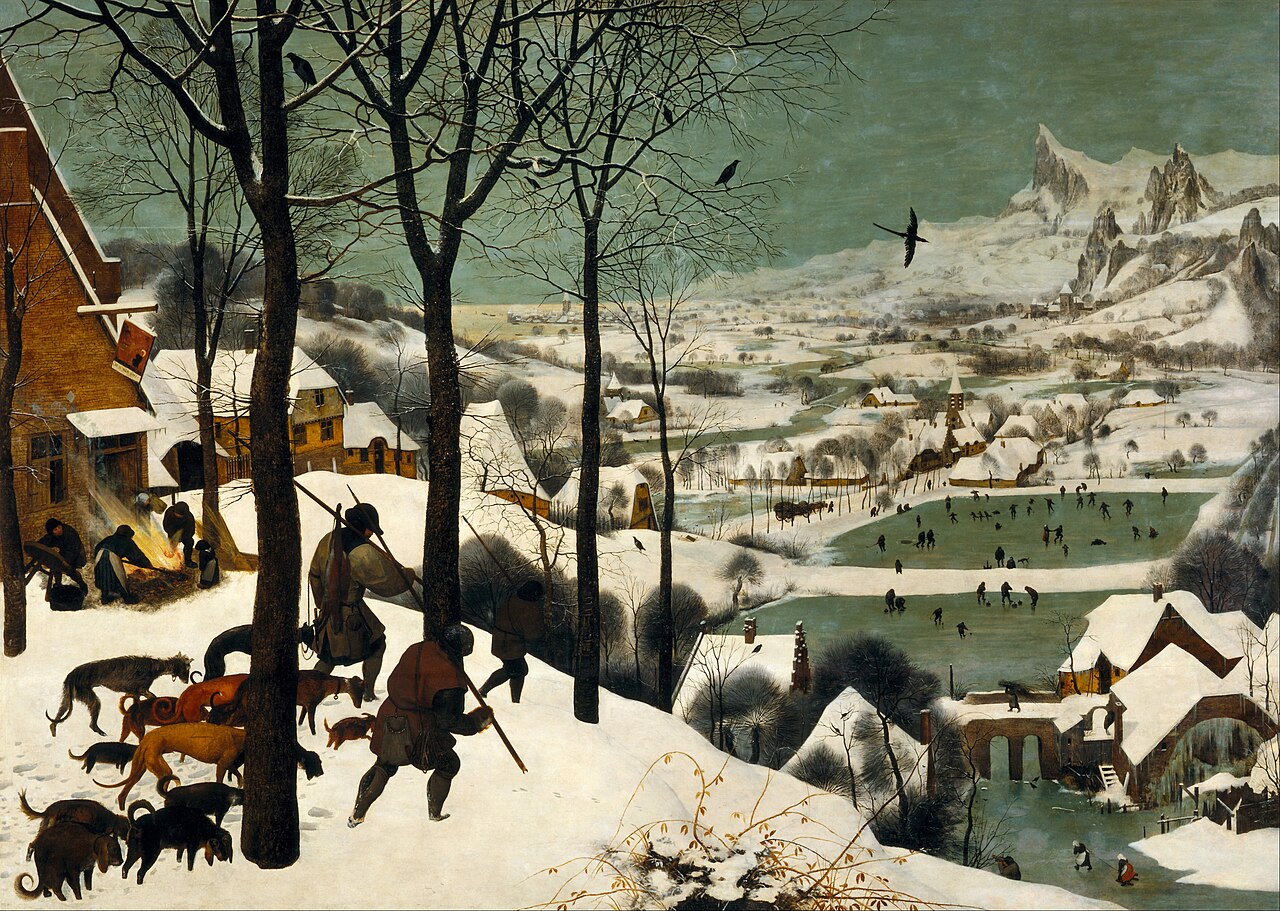 Painting
Primary source
The Hunters in the Snow
Pieter Bruegel the Elder · 1565
 Painting
Primary source
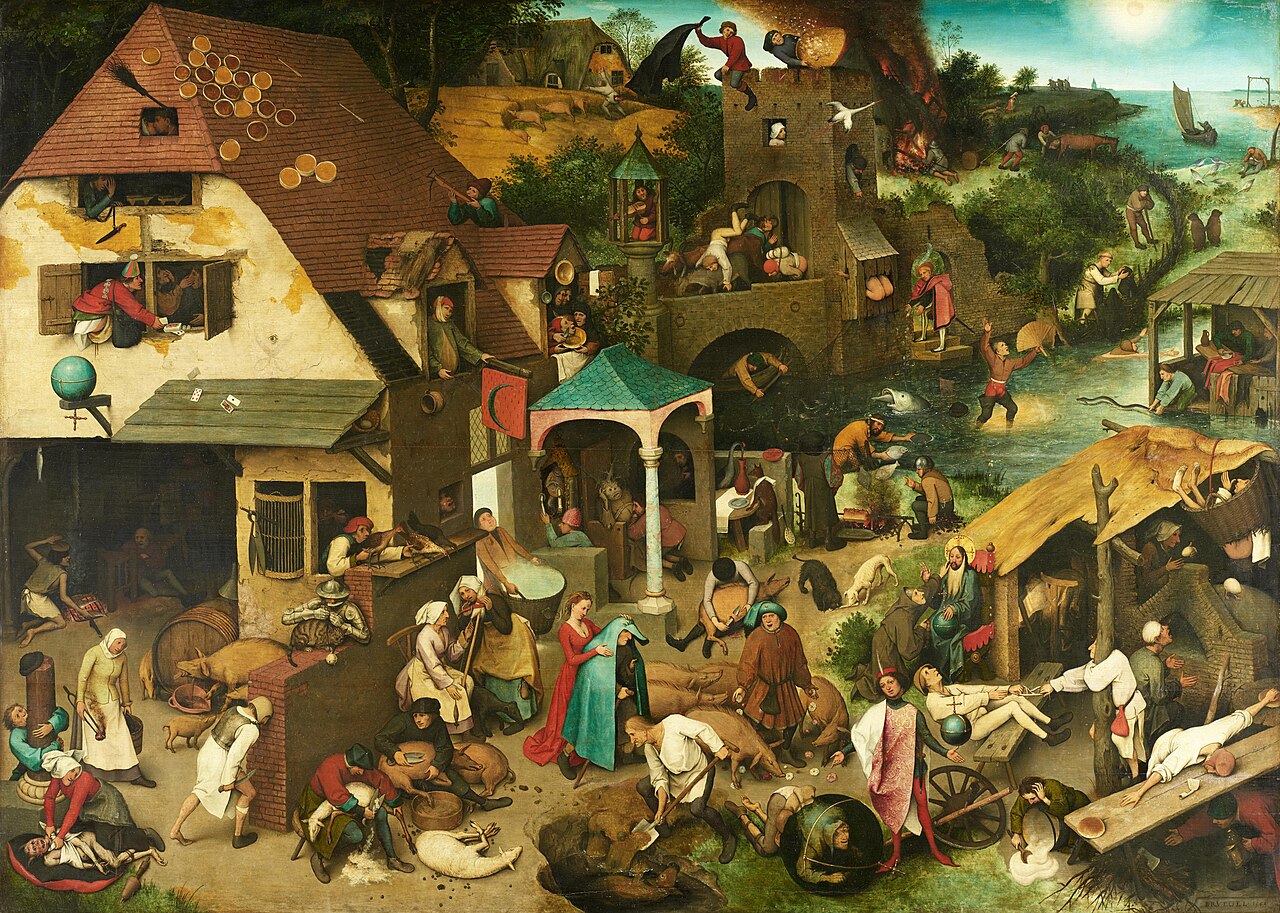
Netherlandish Proverbs
Pieter Bruegel the Elder · 1559
 Painting
Secondary source
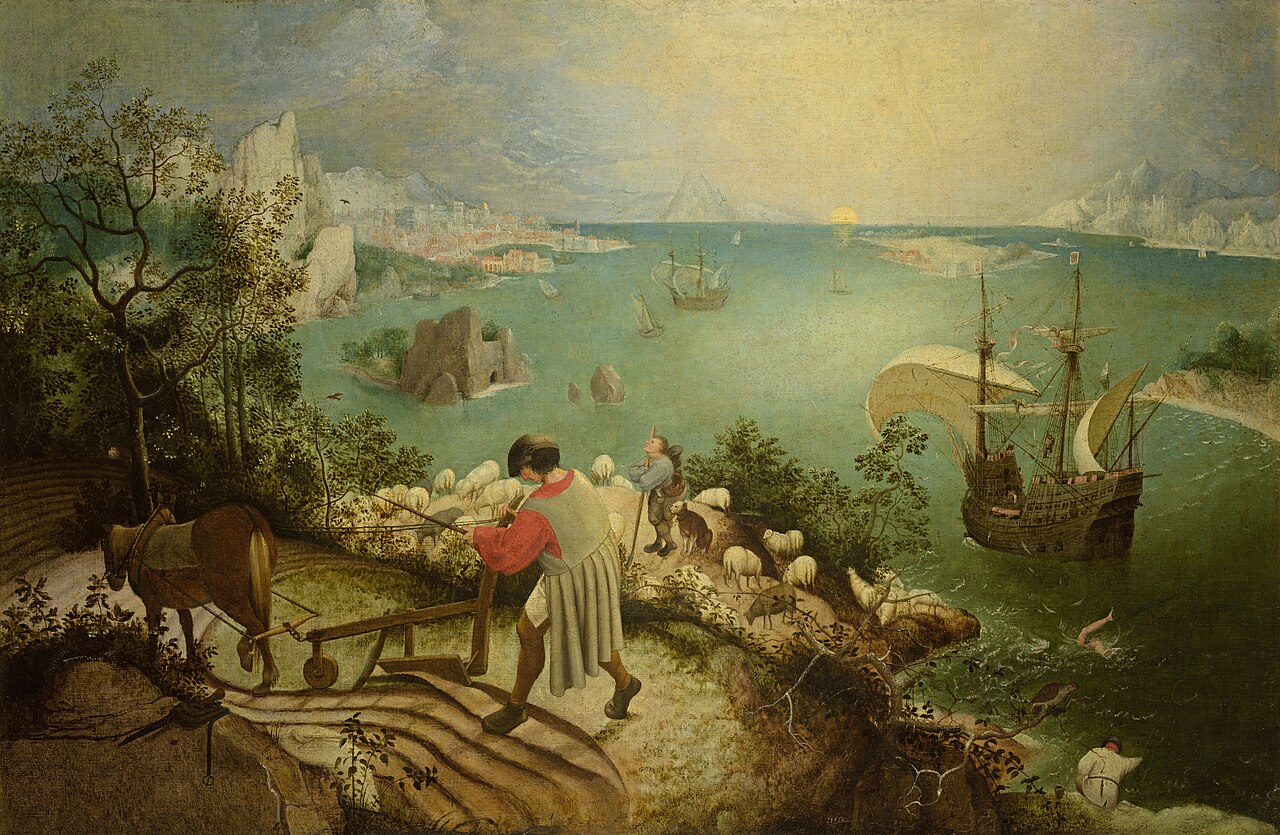
Landscape with the Fall of Icarus
Unknown (circle of Pieter Bruegel the Elder) · c. 1560s
 Painting
Primary source
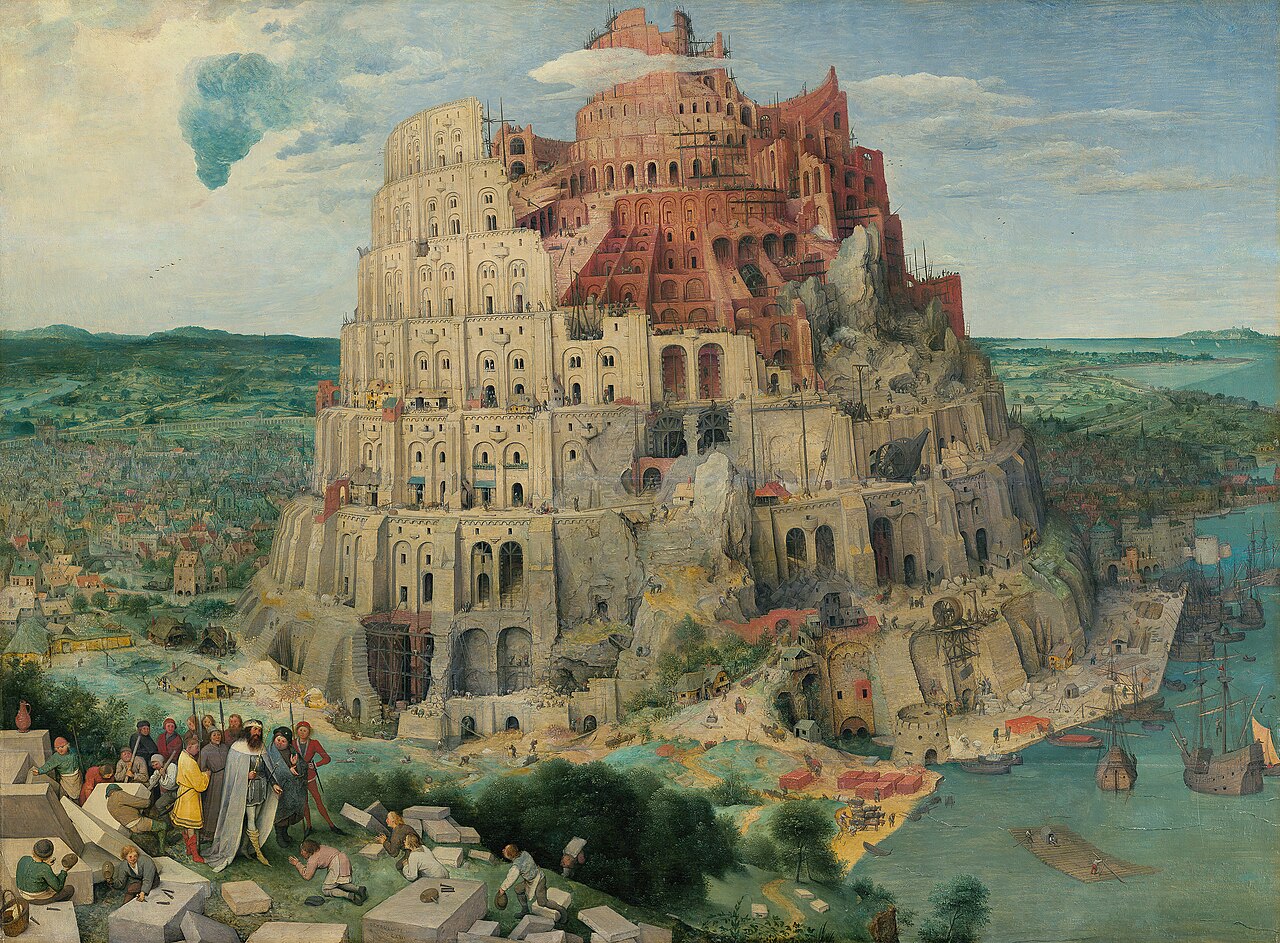
The Tower of Babel
Pieter Bruegel the Elder · 1563
Free account
Read every Pieter Bruegel the Elder source
Sign up free →
Ready when you are
Start chatting with Pieter Bruegel the Elder now.
20 messages free · No credit card · Available in 50+ languages.