


Secondary sourceArtifact1694-1695
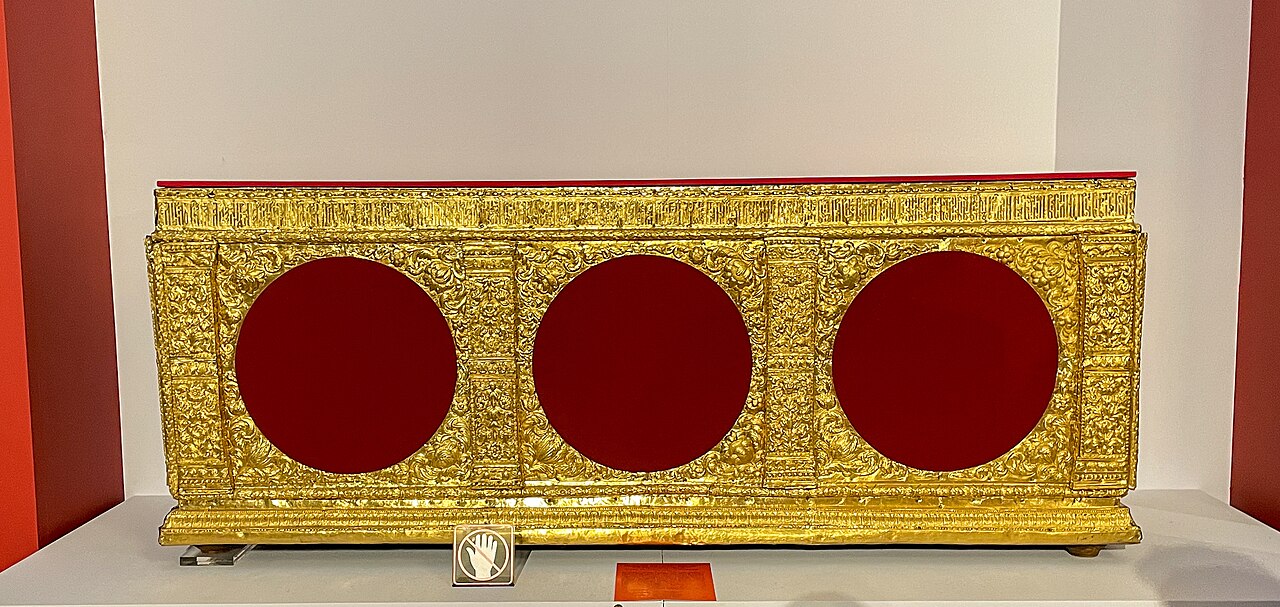
Small Reliquary for Alexander Nevsky's Relics
N. M. Pshenichny and associates · 1694-1695
A gilded reliquary chest made in 1694-1695 to hold the relics of Alexander Nevsky, kept in the Moscow Kremlin.
This reliquary was made to hold Nevsky's relics, showing how he was venerated as a saint after his death.
About this source
What it is
This is a small gilded reliquary chest, made in 1694-1695 by craftsman N. M. Pshenichny and his associates in the Golden Chamber of the Moscow Kremlin, to hold the sacred relics of Alexander Nevsky. It is decorated with carved gold surfaces and large red velvet panels, and is now displayed in the Kremlin Armoury.
Why it matters
Centuries after his death, Alexander Nevsky was honored as a saint of the Russian Orthodox Church, and objects like this reliquary show how his memory was preserved with great ceremony and craftsmanship. It reveals how political and religious leaders used relics and rich objects to connect themselves to respected figures from the past.
Look closer
- Why do you think so much gold and fine craftsmanship went into making a container for relics?
- What does the choice to keep this object in the Kremlin suggest about the connection between religion and the Russian state?
- What does this object NOT tell us about Nevsky's actual life and actions as a ruler?
This artifact is part of the curated material that grounds the AI version of Alexander Nevsky on Humy.ai — when students ask about related events, the AI can quote it and cite it.
More Alexander Nevsky sources
Browse all 93 →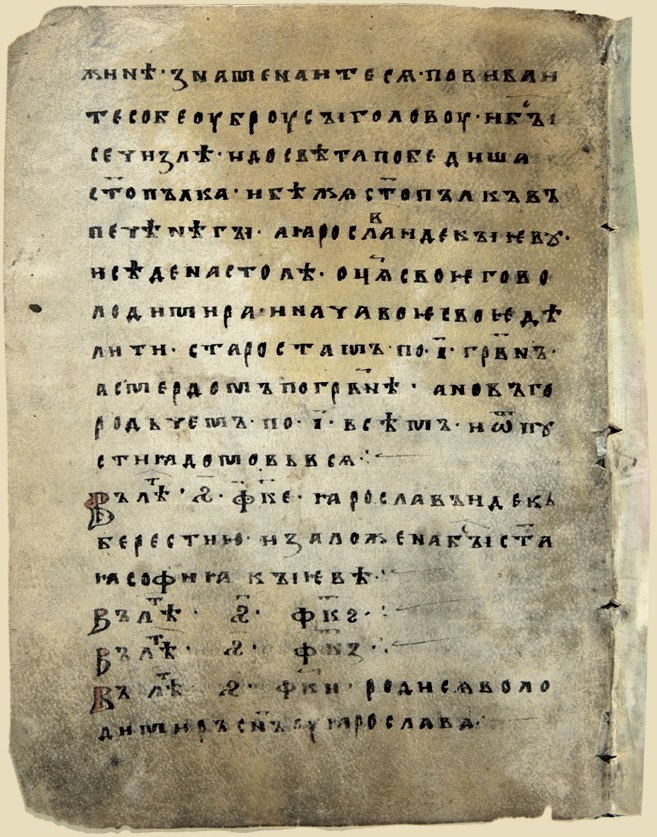 Document
Primary source
Novgorod First Chronicle
13th century (covering events from 1016)
 Document
Secondary source
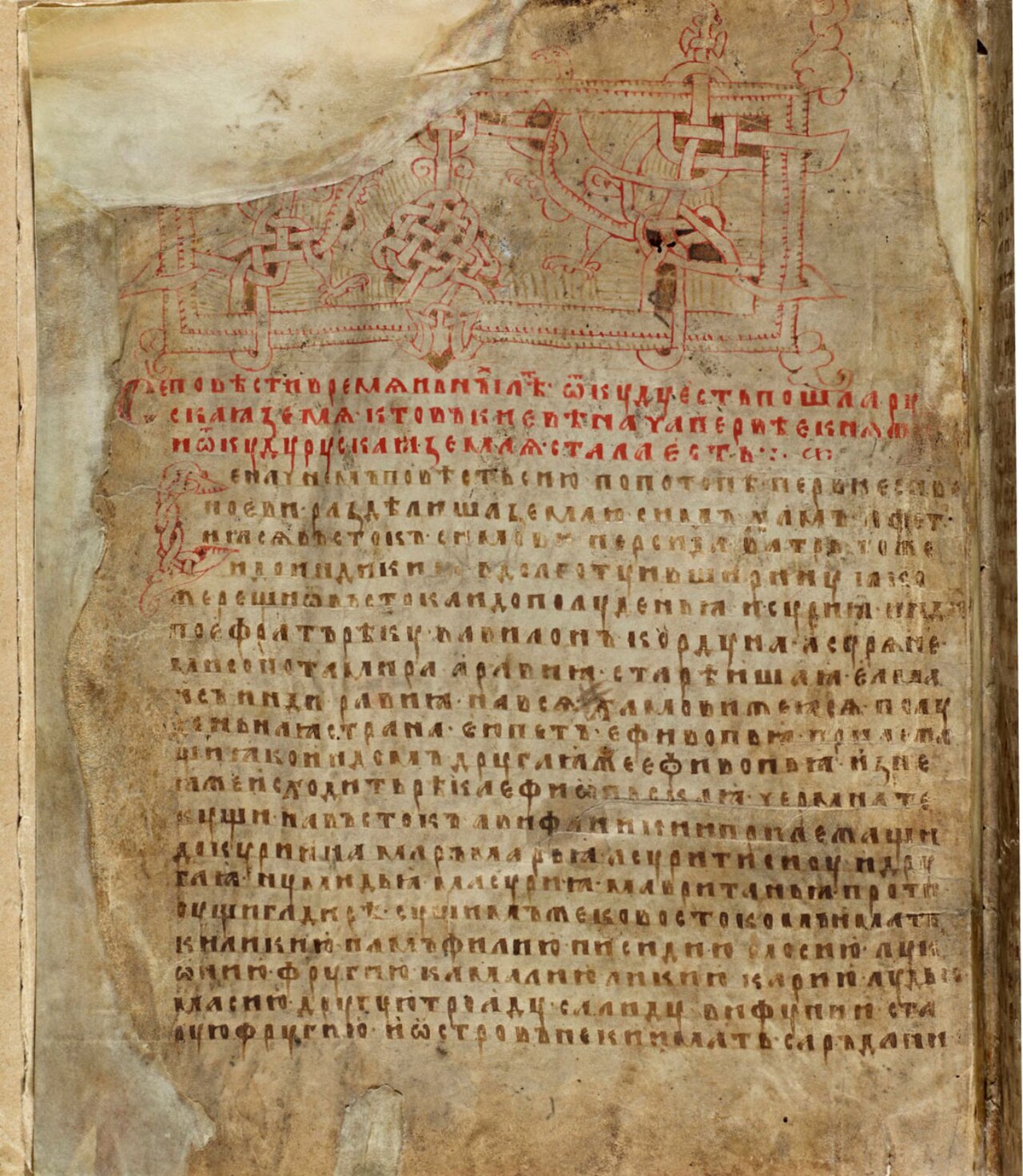
Laurentian Codex
Laurentius · 1377
 Artifact
Primary source
Seal of Alexander Nevsky
13th century
 Artifact
Primary source
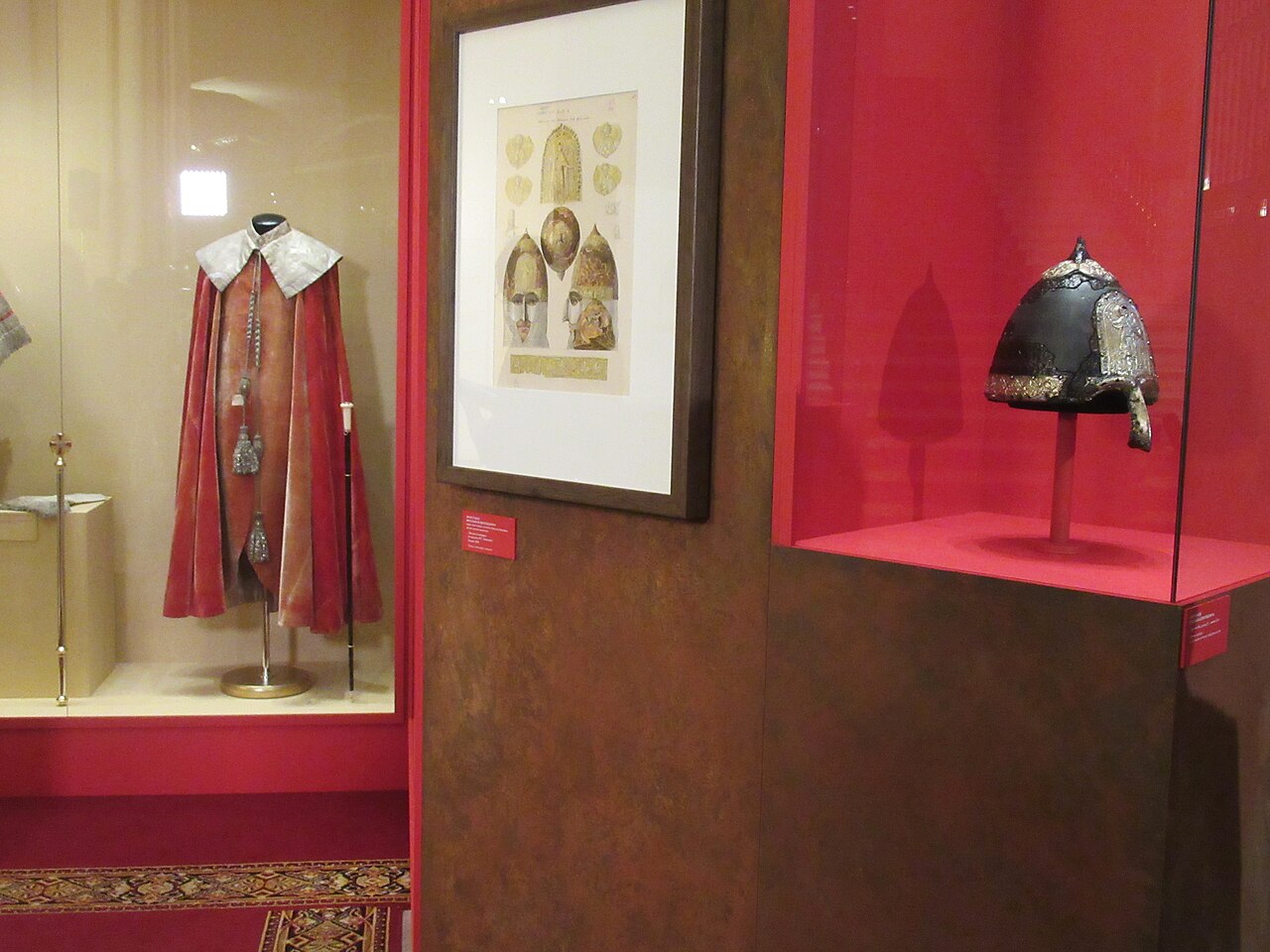
Helmet of Yaroslav Vsevolodovich
Rus' armourers · early 13th century

Free account
Read every Alexander Nevsky source
Sign up free →
Ready when you are
Start chatting with Alexander Nevsky now.
20 messages free · No credit card · Available in 50+ languages.