


Secondary sourceArtifact
Smuts Barracks, Berlin
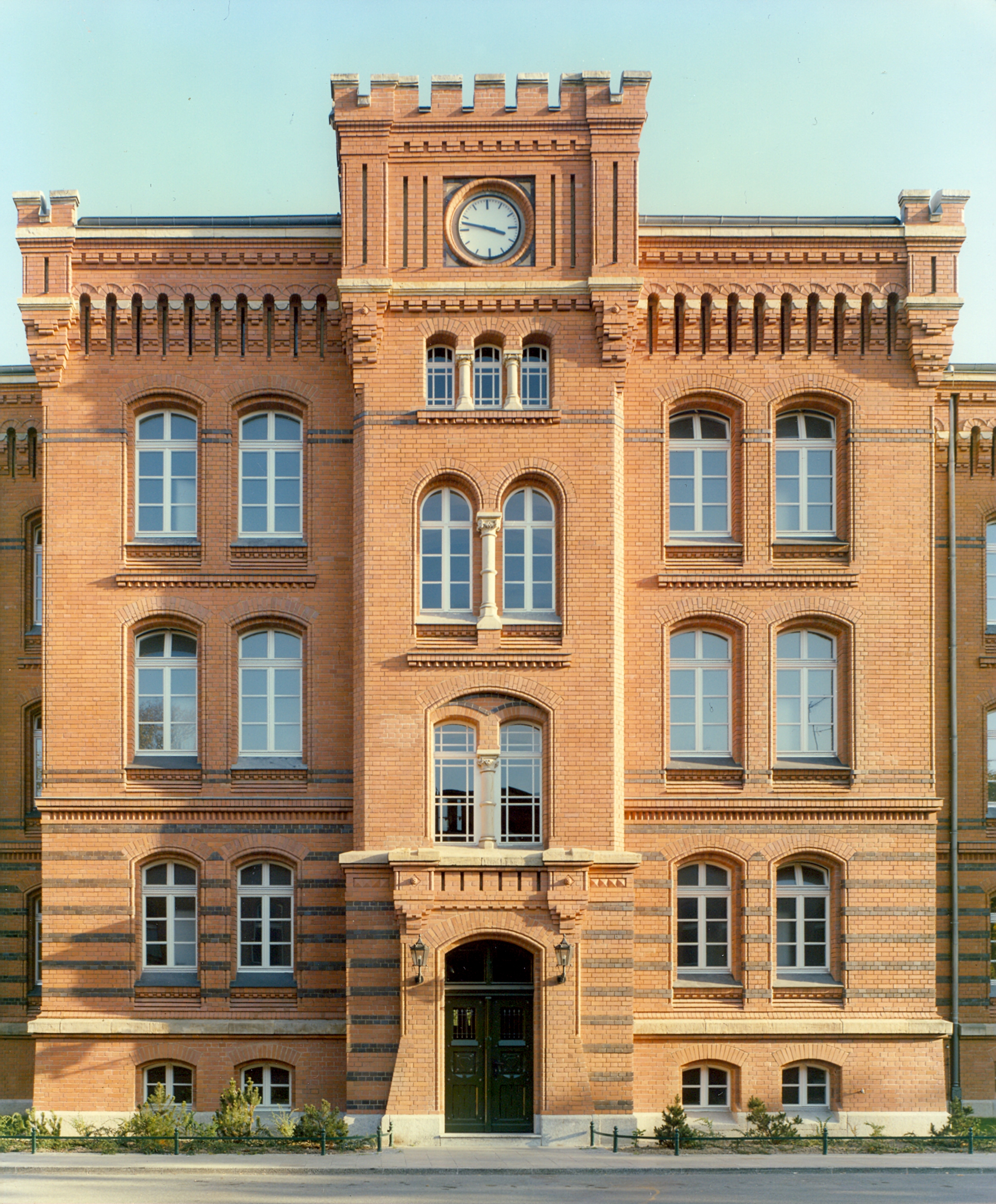
A former German barracks named after Smuts for British forces, shown in a photograph from a European Heritage Award record about its restoration.
This building carried Smuts's name as a British barracks, but the award record is only indirectly about him.
About this source
What it is
This is a photograph of a three-storey red brick building with castle-style battlements, a central clock tower and arched windows. The building is the former Smuts Barracks in Berlin. Its record is held by the European Heritage Awards Archive in Austria. The jury citation praises the faithful restoration of a German barracks and its conversion into an education centre and library for the British army. The facts do not give a date for the building or for when it was named after Smuts.
Why it matters
This record is mainly about restoration and reuse, so it is only indirectly about Smuts. The name shows that a building in Berlin once carried his name for British forces. Students should notice that the award looks at the building's later life, not at Smuts himself.
Look closer
- What does the building's design tell us about the period it was built in?
- Why would an award focus on restoring a building rather than on the person it was named after?
- What does this record leave out about the history of the barracks and its name?
This artifact is part of the curated material that grounds the AI version of Jan Smuts on Humy.ai — when students ask about related events, the AI can quote it and cite it.
More Jan Smuts sources
Browse all 90 → Document
Primary source
Treaty of Vereeniging
31 May 1902
Primary source
Holism and Evolution
Jan Christiaan Smuts · 1926
Primary source
The League of Nations: A Practical Suggestion
Jan Christiaan Smuts · December 1918
 Painting
Primary source
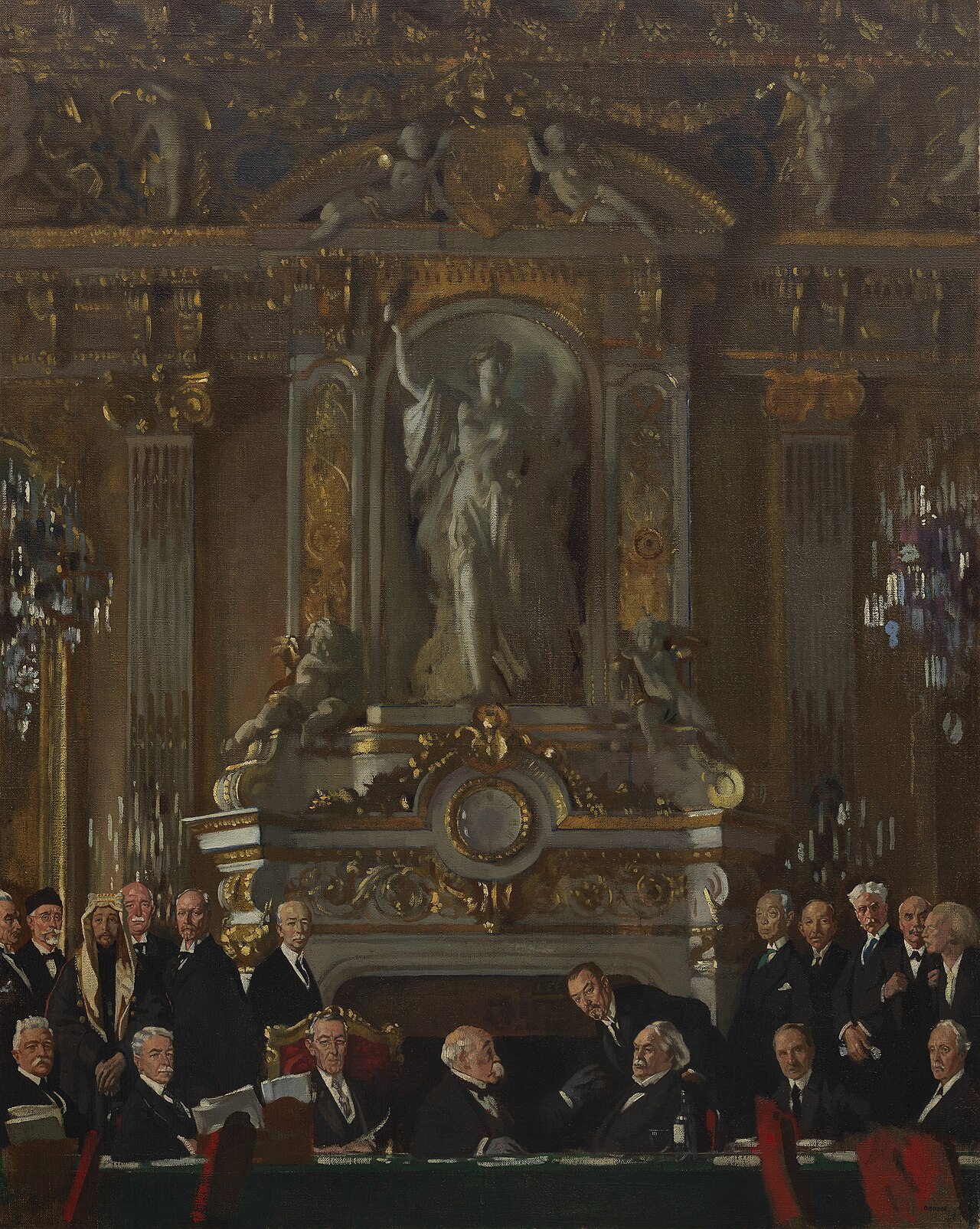
A Peace Conference at the Quai d'Orsay
William Orpen · 1919
Free account
Read every Jan Smuts source
Sign up free →
Ready when you are
Start chatting with Jan Smuts now.
20 messages free · No credit card · Available in 50+ languages.