


Primary sourceDocument31 May 1902
Treaty of Vereeniging
31 May 1902
The 1902 peace treaty that ended the Second Boer War, negotiated in part by Smuts, bringing the Boer republics under British rule.
Smuts helped negotiate this treaty, a turning point that moved him from Boer general to statesman within the British Empire.
Free Humy account · No credit card · 65,431 sources to read
About this source
What it is
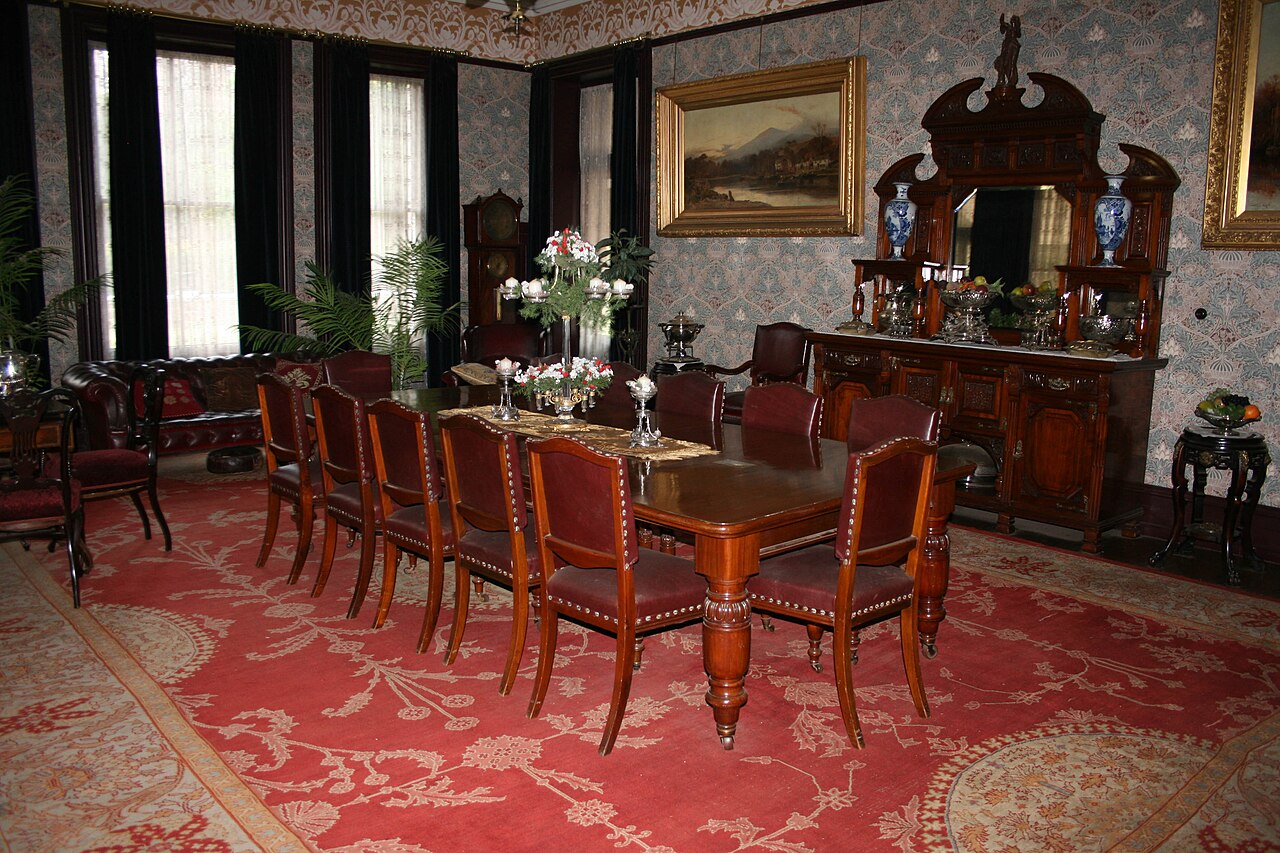
The Treaty of Vereeniging was signed on 31 May 1902, ending the Second Boer War between the Boer republics and the United Kingdom. It was negotiated after meetings at Klerksdorp, Pretoria, and Vereeniging, and is held at Melrose House.
Why it matters
Jan Smuts was one of the Boer generals involved in the negotiations, helping shape terms including a clause on black enfranchisement being postponed to a later self-government decision. The treaty ended Boer independence but set the Transvaal and Orange Free State on a path to self-rule within the British Empire, a defining turning point for Smuts's career.
Look closer
- Why might the British and Boer negotiators have disagreed so sharply over terms?
- What does the treaty's silence on full enfranchisement reveal about whose interests it served?
- How might this image of a formal dining room help you imagine the tense negotiations that happened here?
This document is part of the curated material that grounds the AI version of Jan Smuts and Paul Kruger on Humy.ai — when students ask about related events, the AI can quote it and cite it.
More Jan Smuts sources
Browse all 92 →Primary source
Holism and Evolution
Jan Christiaan Smuts · 1926
Primary source
The League of Nations: A Practical Suggestion
Jan Christiaan Smuts · December 1918
 Painting
Primary source
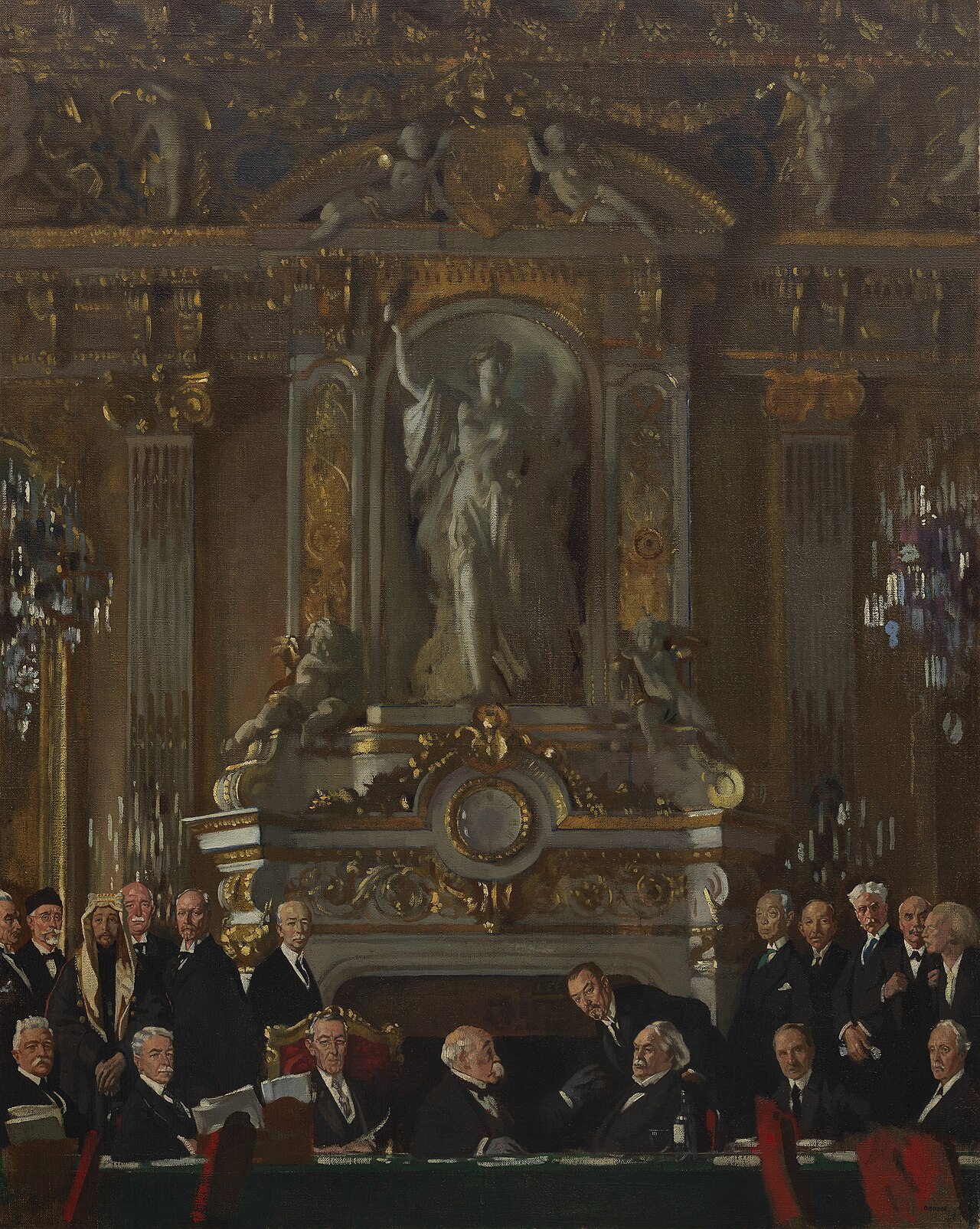
A Peace Conference at the Quai d'Orsay
William Orpen · 1919
Primary source
South Africa Act 1909
20 September 1909
Free account
Read every Jan Smuts source
Sign up free →
Ready when you are
Start chatting with Jan Smuts now.
20 messages free · No credit card · Available in 50+ languages.