


Primary sourceDocument20 September 1909
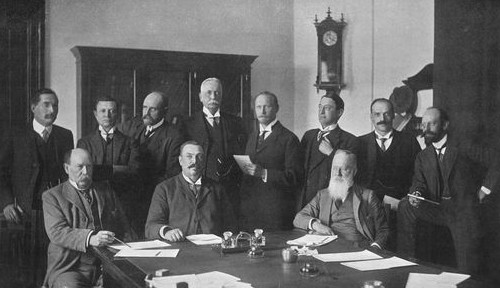
South Africa Act 1909
20 September 1909
The British act of parliament that created the Union of South Africa in 1910, largely shaped by Smuts.
Smuts was a leading architect of this constitution, which unified South Africa but entrenched racial exclusion from the franchise.
Free Humy account · No credit card · 65,431 sources to read
About this source
What it is
The South Africa Act 1909 was passed by the British Parliament to unite the Cape, Natal, Transvaal and Orange River colonies into the Union of South Africa. It followed the 1908 National Convention and served as South Africa's constitution from 1910 until 1961.
Why it matters
Jan Smuts was a leading architect of this constitution. While it unified the country and gave it self-government, it also kept a colour bar on the franchise, denying full political rights to non-white South Africans, a decision opposed at the time by Cape premier W. P. Schreiner. The act shows how the new state was built on both unity and exclusion.
Look closer
- Why might Schreiner have opposed the terms that other colonial leaders accepted?
- What does the act's structure of government tell you about who held power in it?
- What groups of people does this founding document fail to represent fairly?
This document is part of the curated material that grounds the AI version of Jan Smuts on Humy.ai — when students ask about related events, the AI can quote it and cite it.
More Jan Smuts sources
Browse all 92 → Document
Primary source
Treaty of Vereeniging
31 May 1902
Primary source
Holism and Evolution
Jan Christiaan Smuts · 1926
Primary source
The League of Nations: A Practical Suggestion
Jan Christiaan Smuts · December 1918
 Painting
Primary source
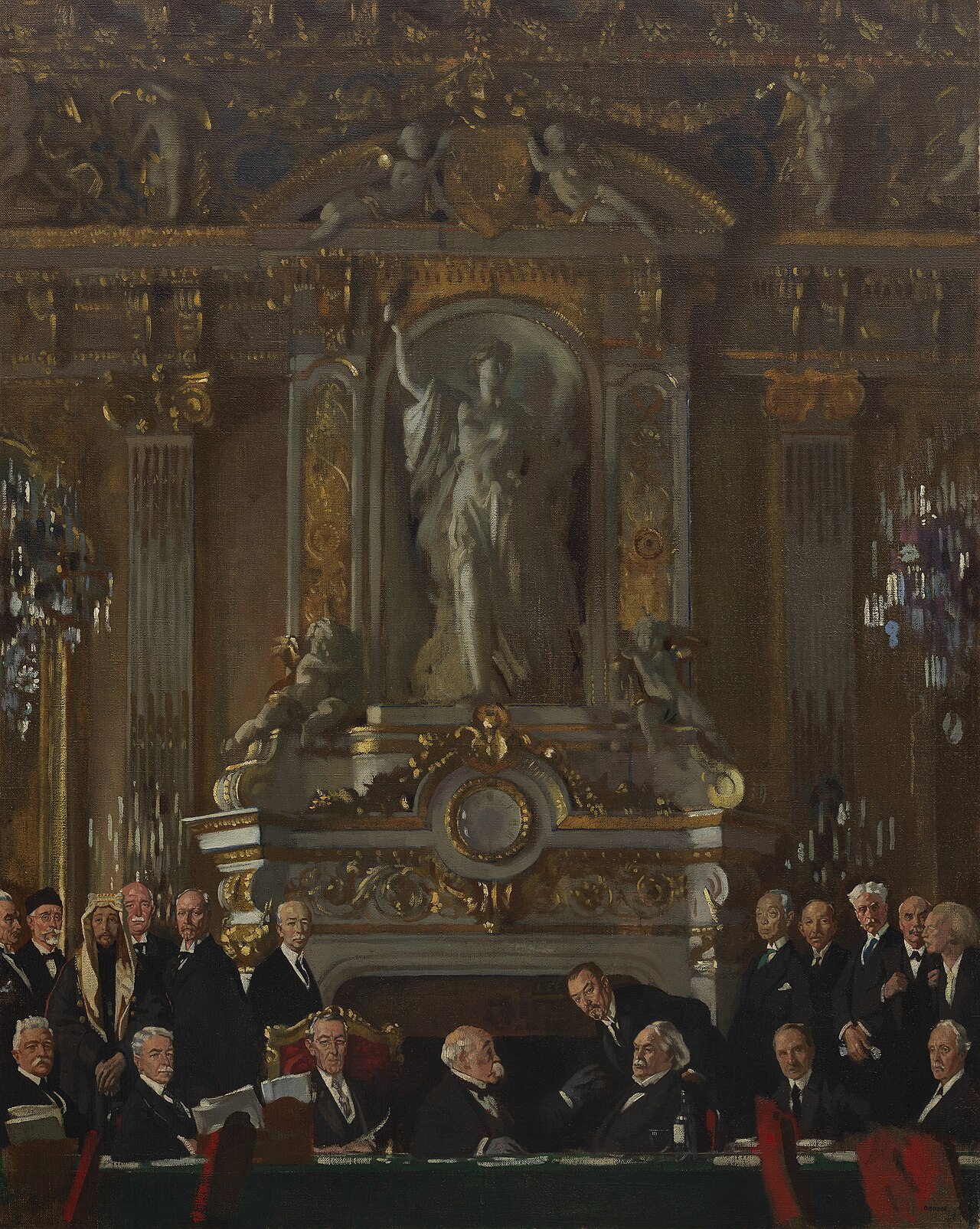
A Peace Conference at the Quai d'Orsay
William Orpen · 1919
Free account
Read every Jan Smuts source
Sign up free →
Ready when you are
Start chatting with Jan Smuts now.
20 messages free · No credit card · Available in 50+ languages.