


Secondary sourceArtifactfirst documented 1408
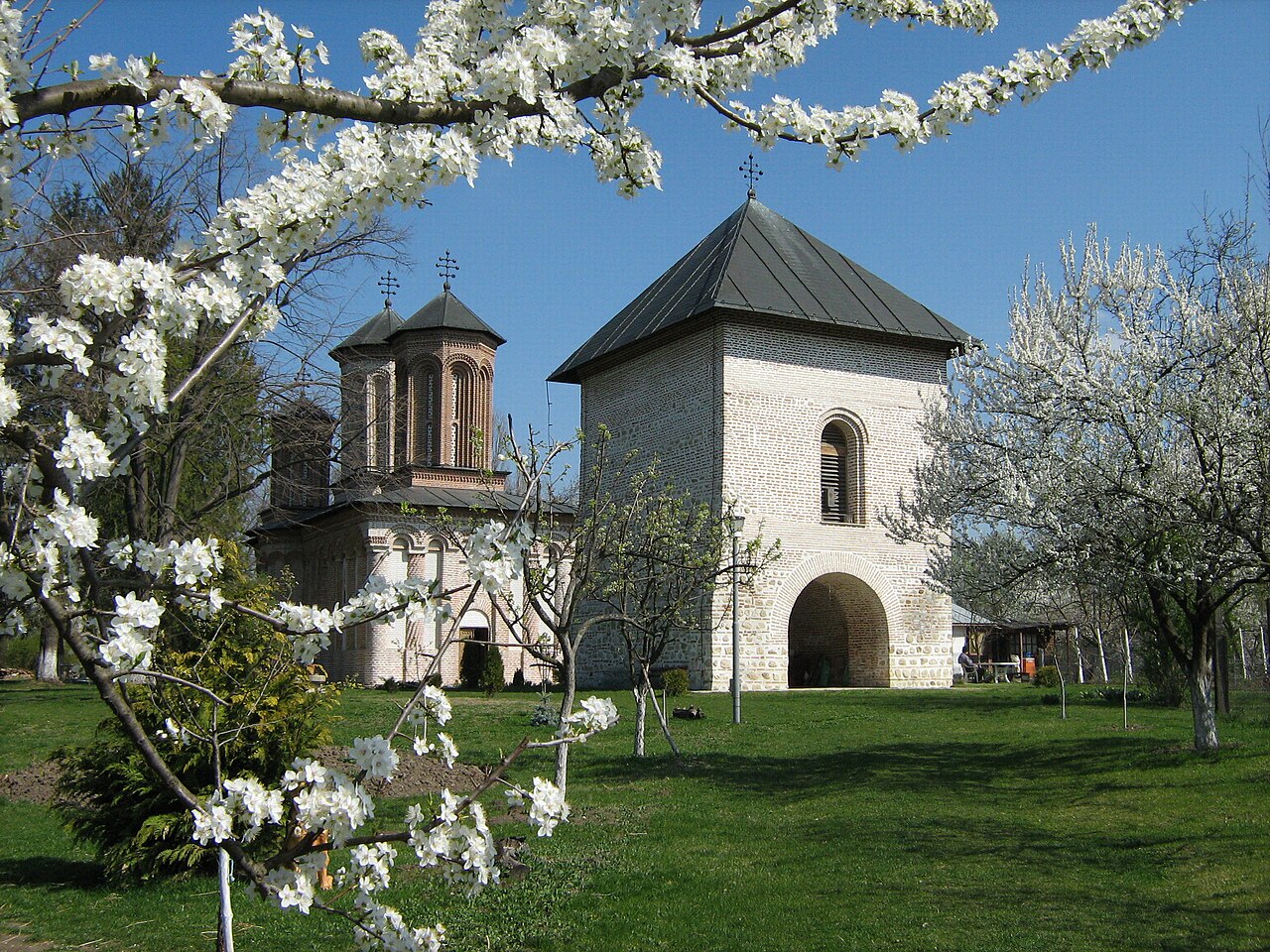
Snagov Monastery
first documented 1408
A medieval monastery on an island near Bucharest, traditionally said to be Vlad the Impaler's burial place, though this claim is debated.
Traditionally identified as Vlad's burial place, near where he died in battle, though this is debated.
Free Humy account · No credit card · 118,535 sources to read
About this source
What it is
Snagov Monastery is a medieval monastery on an island in Lake Snagov, Romania, first documented in 1408. It was rebuilt by several rulers, including Vlad Tepes, Mircea Ciobanul, and Neagoe Basarab. Under Vlad III, a prison, defense walls, and a bridge were built on the island around 1456. Only the church, bell tower, and a fountain still stand from its long history.
Why it matters
The monastery is traditionally named as Vlad the Impaler's burial place, with a funeral slab said to mark his grave, though historians debate whether this claim is accurate. It also served later rulers like Neagoe Basarab and Constantin Brâncoveanu as a religious and cultural center, including an important printing press.
- Why might a burial legend persist even when historians are uncertain it is true?
- What does the monastery's long rebuilding history tell you about how sites change meaning over centuries?
- What questions would you want answered before trusting that this is really Vlad's grave?
This artifact is part of the curated material that grounds the AI version of Vlad the Impaler on Humy.ai — when students ask about related events, the AI can quote it and cite it.
More Vlad the Impaler sources
Browse all 83 →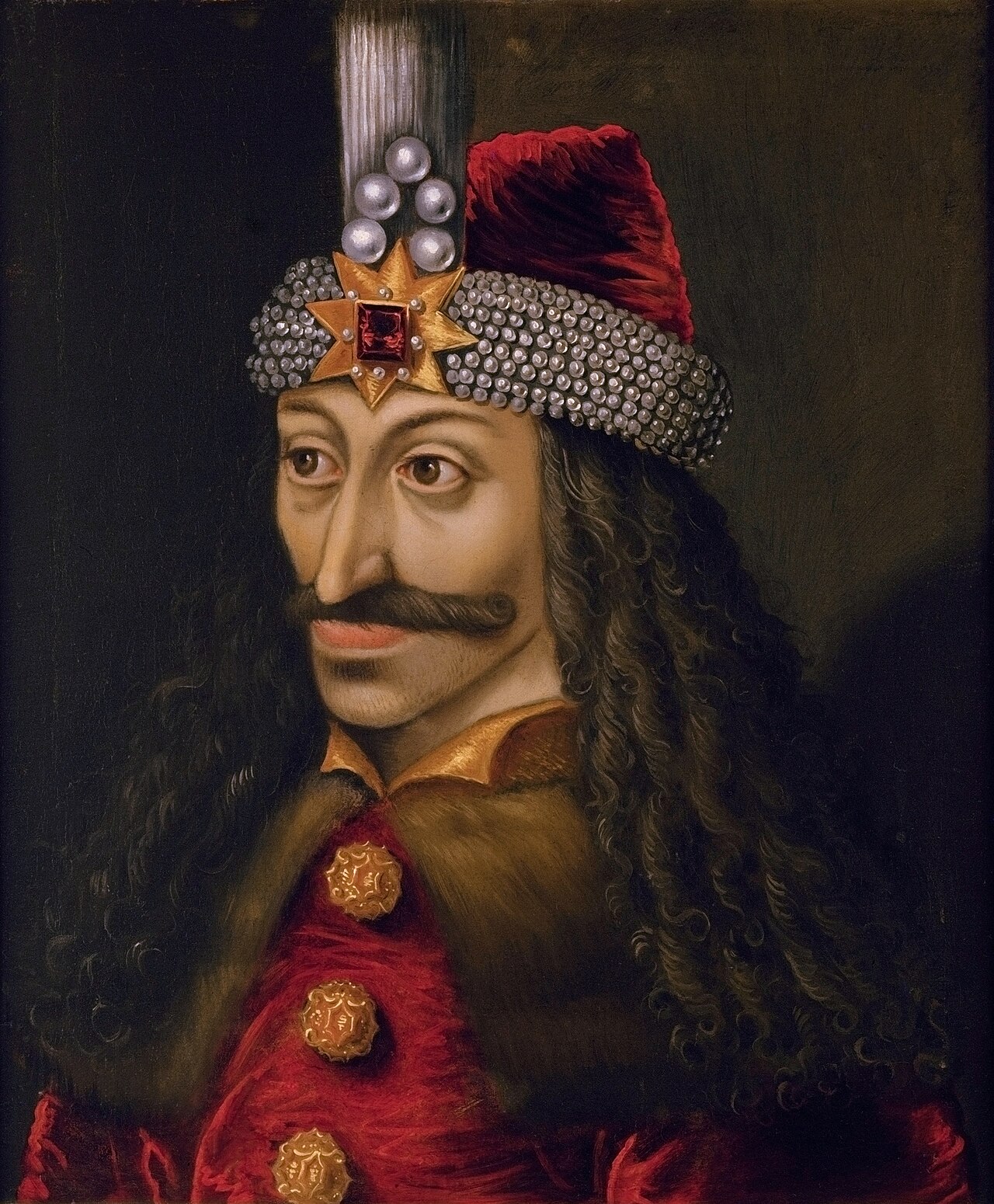 Painting
Secondary source
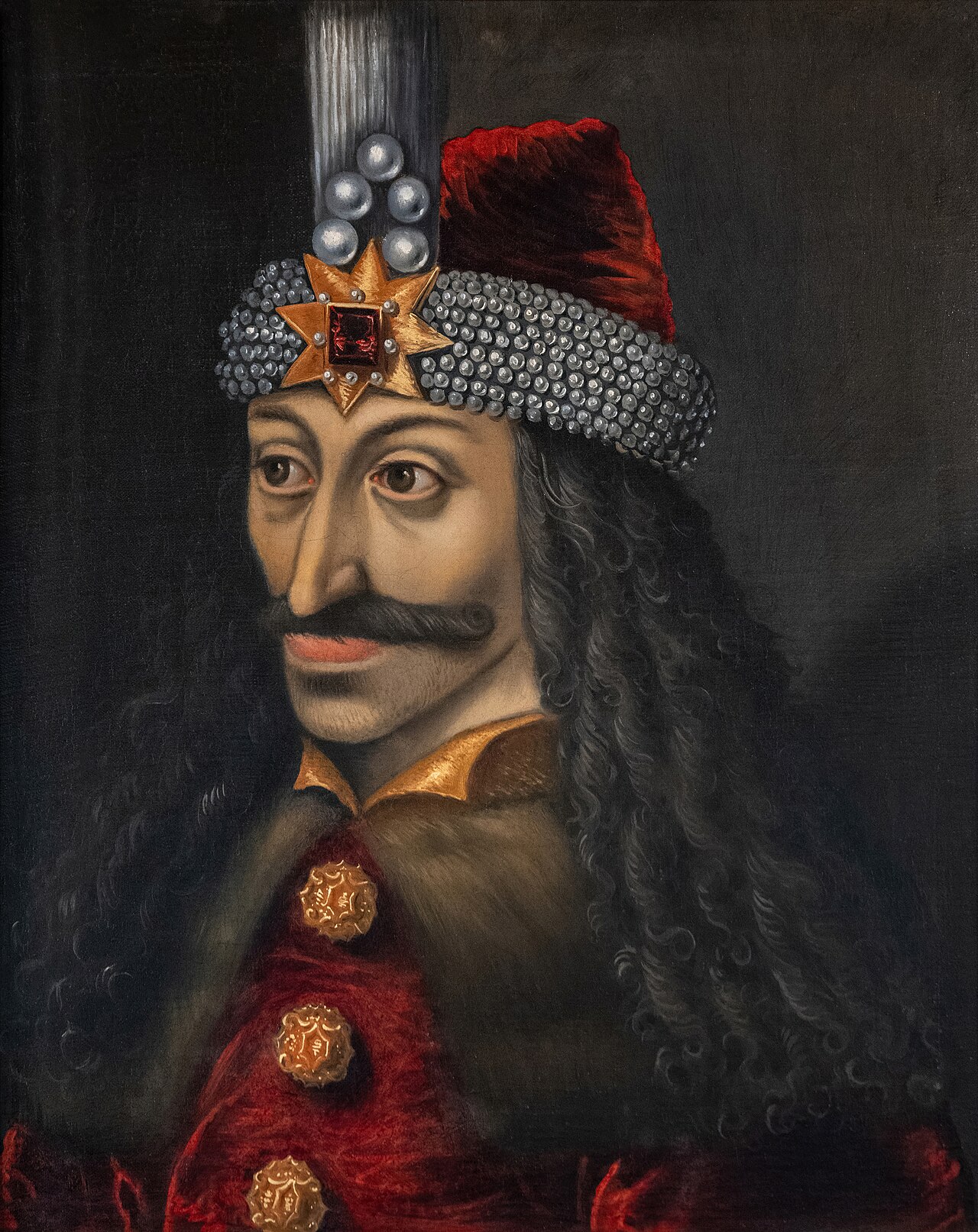
Portrait of Vlad Țepeș (Ambras Castle)
Unknown · c. 1560 (copy of lost original)
 Document
Primary source
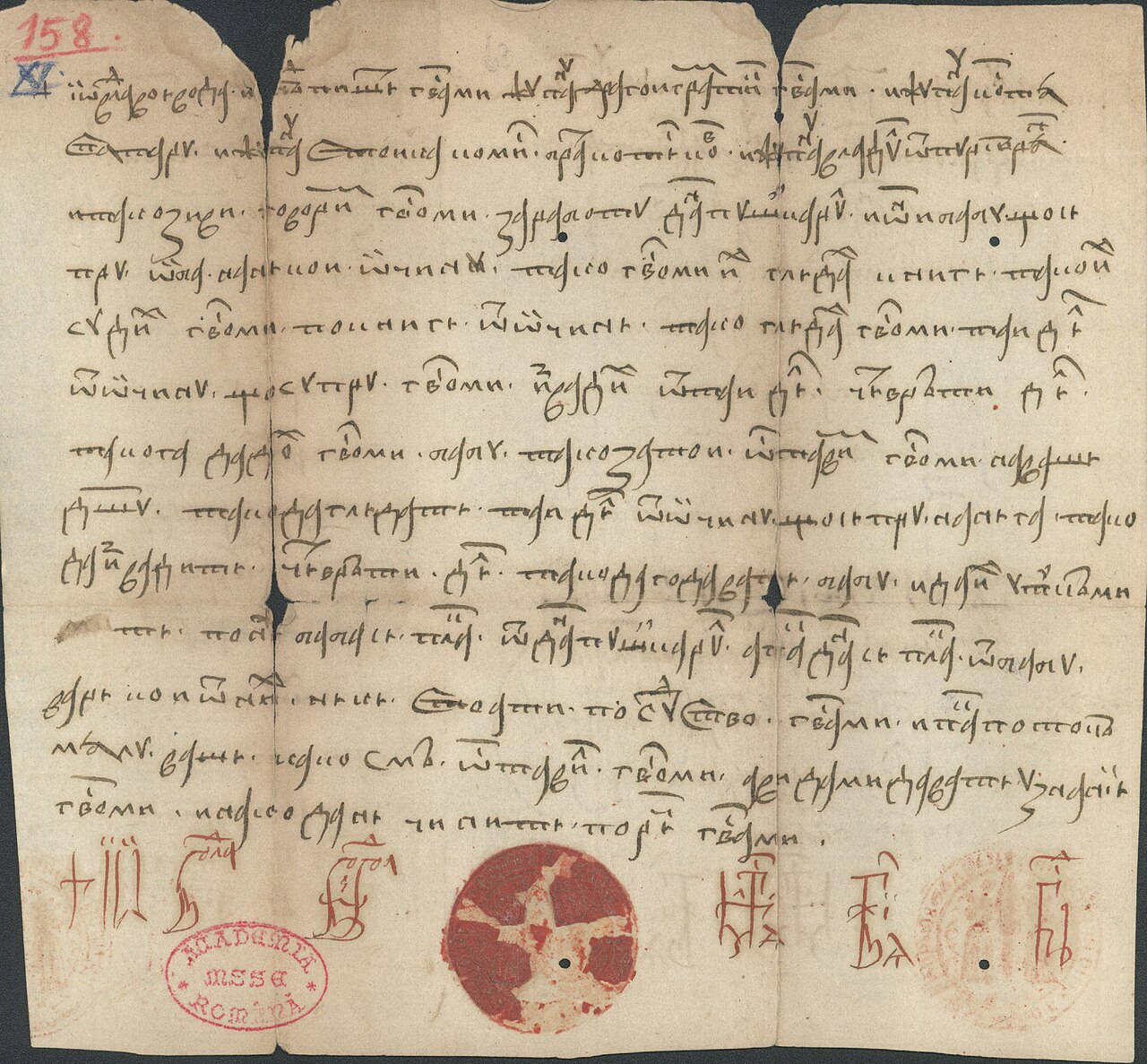
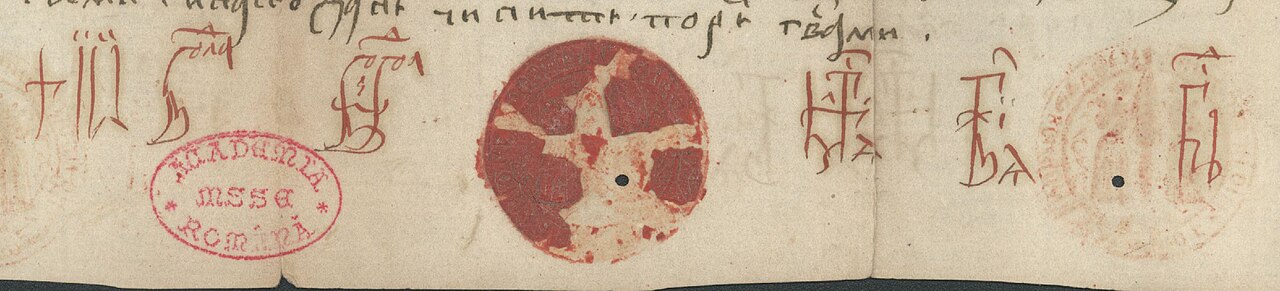
Hrisov of Vlad Țepeș to his Boyars (Baba Estate)
Vlad Țepeș · 15th century
 Letter
Primary source
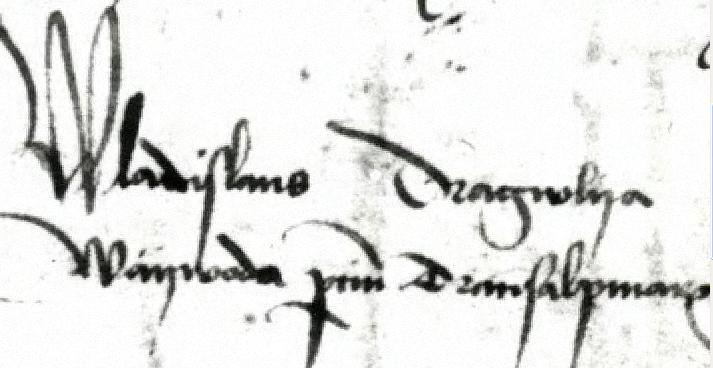
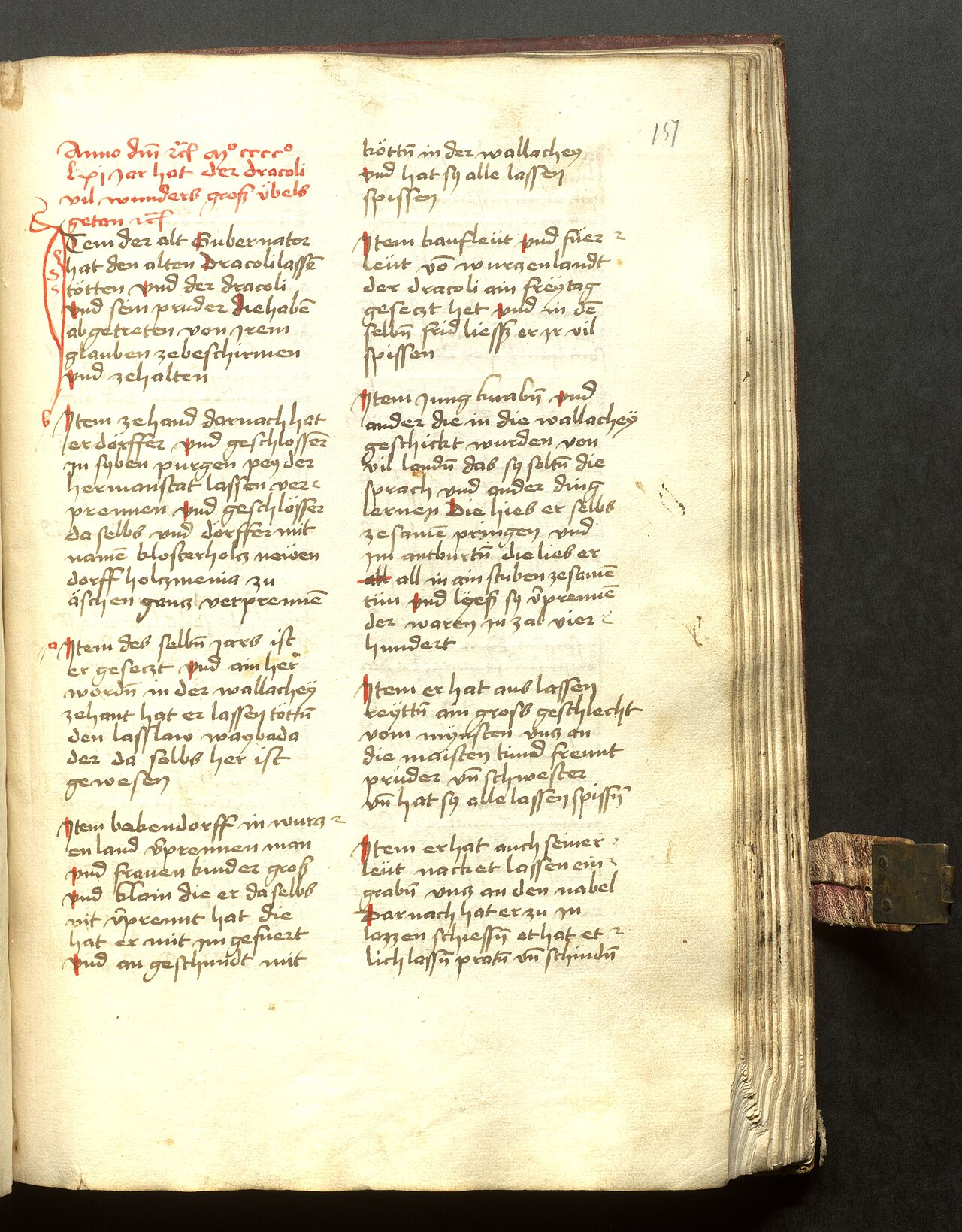
Letter Signed 'Wladislaus Dragwlya'
Vlad III of Wallachia · 15th century
 Painting
Secondary source
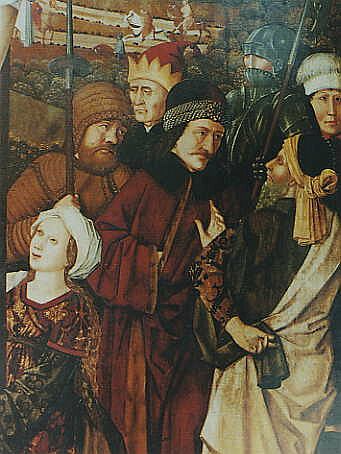
Portrait of Vlad the Impaler, Prince of Wallachia
Unknown · 16th century (copy of lost original)
Free account
Read every Vlad the Impaler source
Sign up free →
Ready when you are
Start chatting with Vlad the Impaler now.
20 messages free · No credit card · Available in 50+ languages.