


Secondary sourcePainting1793
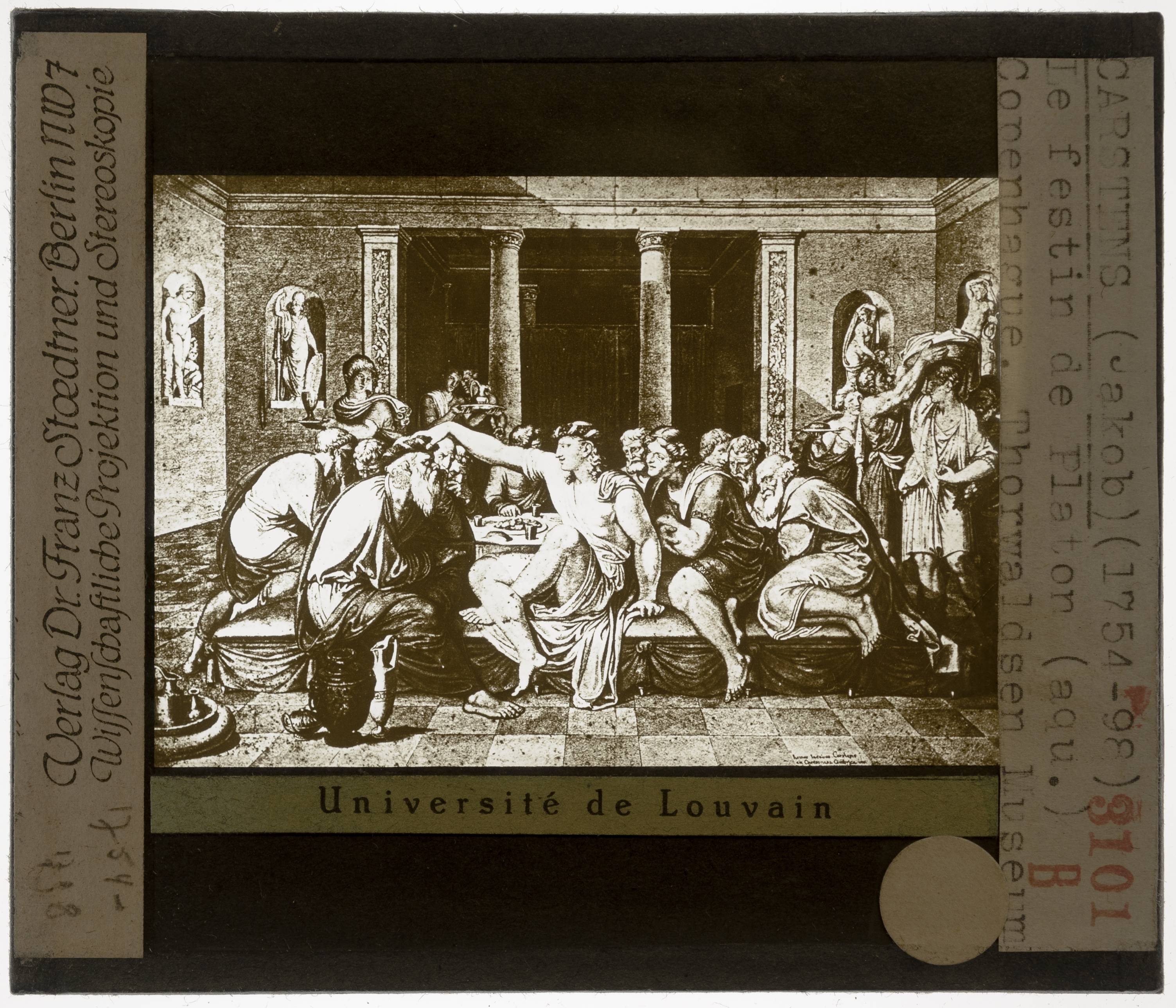
Socrates and Alcibiades at the Feast of Agathon
Asmus Jacob Carstens · 1793
A watercolour by Asmus Jacob Carstens, made in 1793, showing the Symposium banquet with Alcibiades. The image known here is a lantern slide of an engraved scene.
Shows Alcibiades at the banquet in Plato's Symposium, painted by a later artist, and so is a later image of him rather than a contemporary record.
About this source
What it is
This is a watercolour by Asmus Jacob Carstens, dated 1793, showing a classical banquet in a columned hall. A bearded man in a robe reclines, a younger man with a wreath gestures outward, and many draped figures sit on couches around a table with cups. Statues stand in niches. The catalogue record says the original watercolour is in the Thorvaldsens Museum in Copenhagen. The image here is a lantern slide from the KU Leuven art history collection, so it shows a photograph of an image rather than the watercolour itself.
Why it matters
The scene is from Plato's Symposium, a dialogue about a banquet at the house of the playwright Agathon, where Alcibiades arrives late and speaks. Carstens was a German-born neoclassical artist who painted this classical subject in 1793. Images like this show how artists and collectors of the late 1700s studied ancient Athens, and how slide collections later passed those images to students.
Look closer
- Which figure is the central speaker, and how does Carstens show who is listening and who is reacting?
- Why might a lantern slide of this image have been used in a university art history course, and what would a student lose by seeing it only as a slide?
- What does the scene leave out from Plato's text, and how does the setting shape the story?
This painting is part of the curated material that grounds the AI version of Alcibiades on Humy.ai — when students ask about related events, the AI can quote it and cite it.
More Alcibiades sources
Browse all 94 →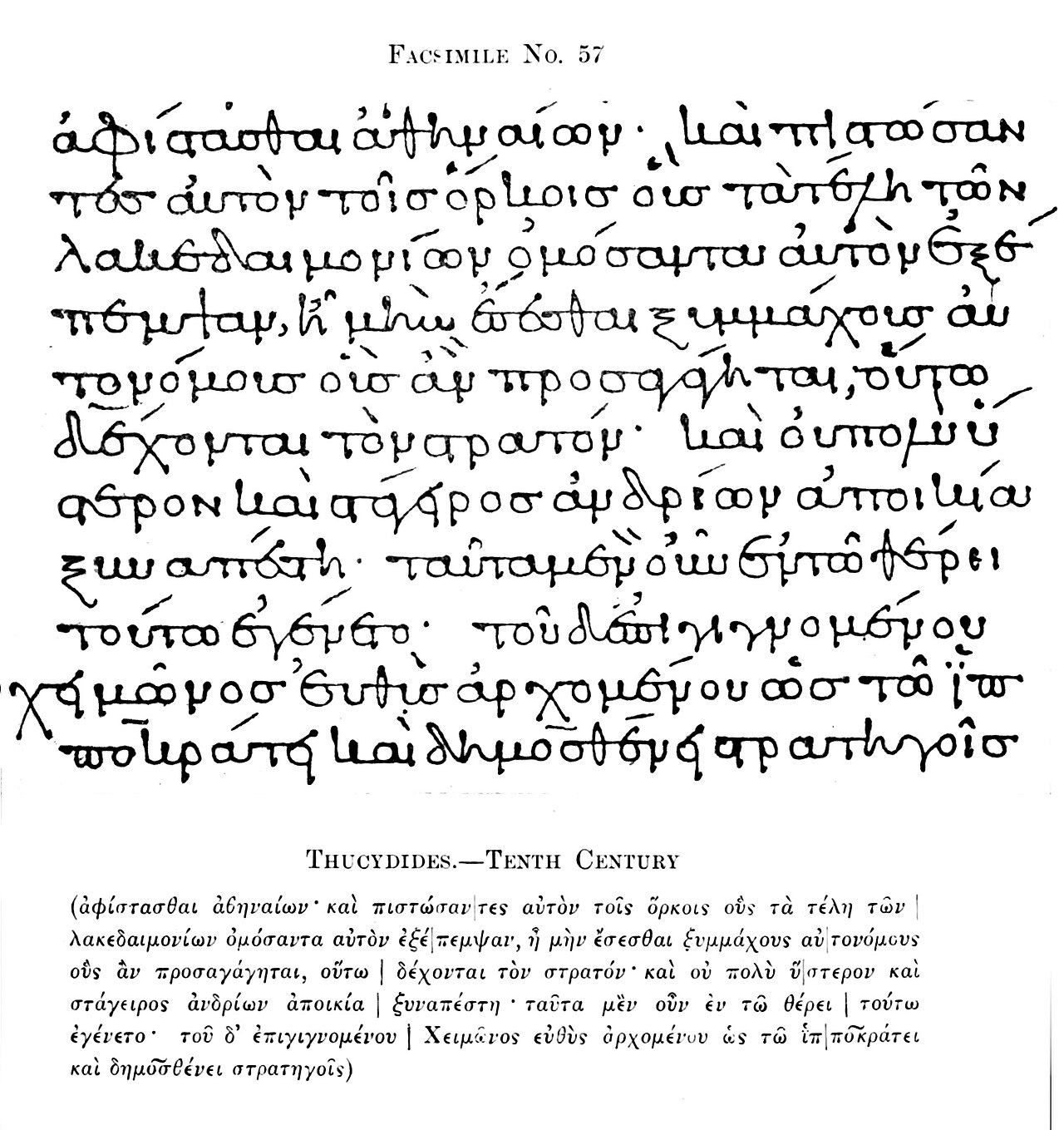 Book
Primary source
History of the Peloponnesian War
Thucydides · 5th century BCE
Secondary source
Life of Alcibiades
Plutarch
 Book
Secondary source
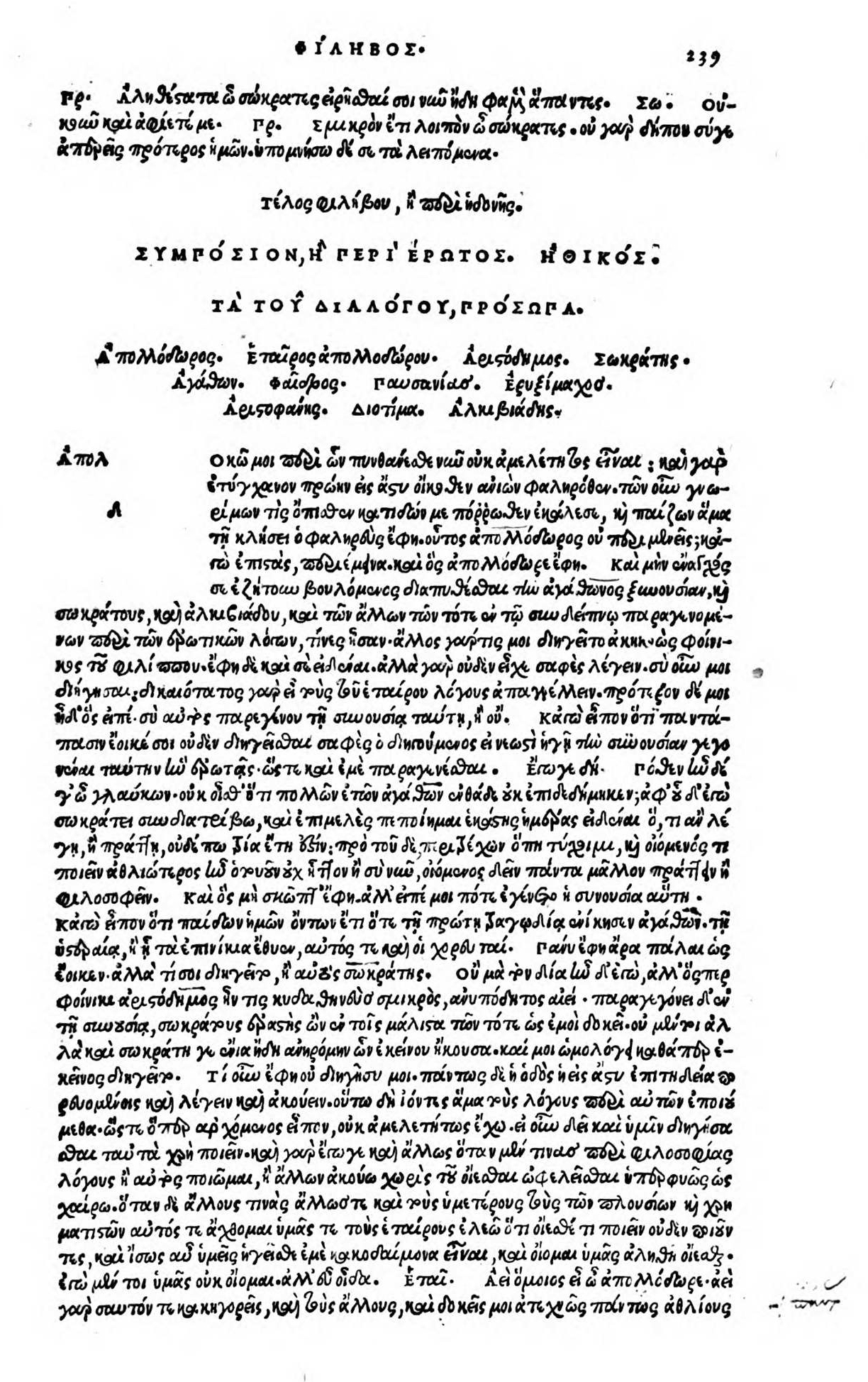
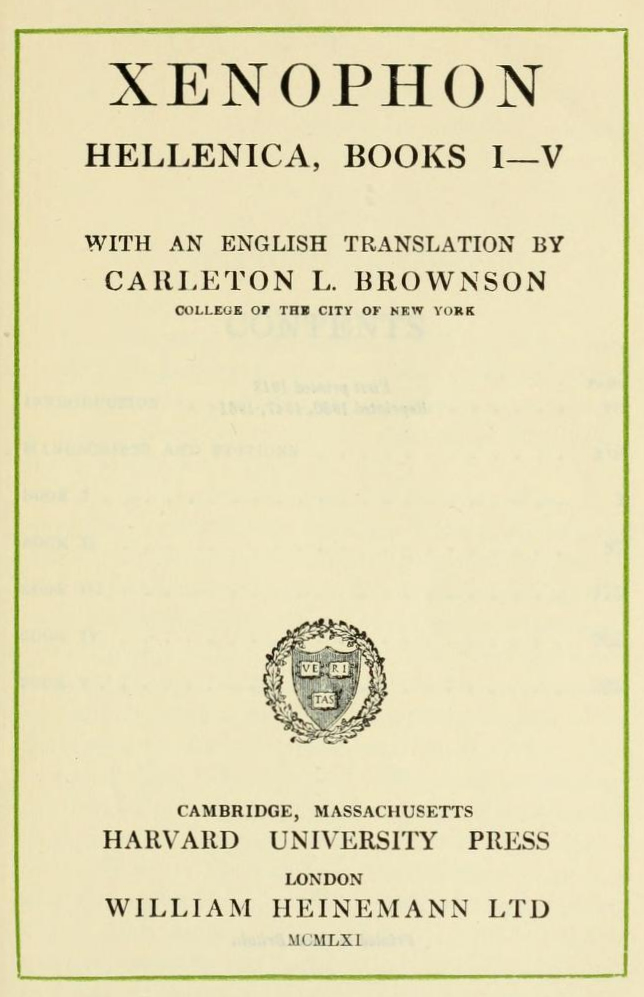
Symposium
Plato · c. 385-370 BC
 Artifact
Primary source
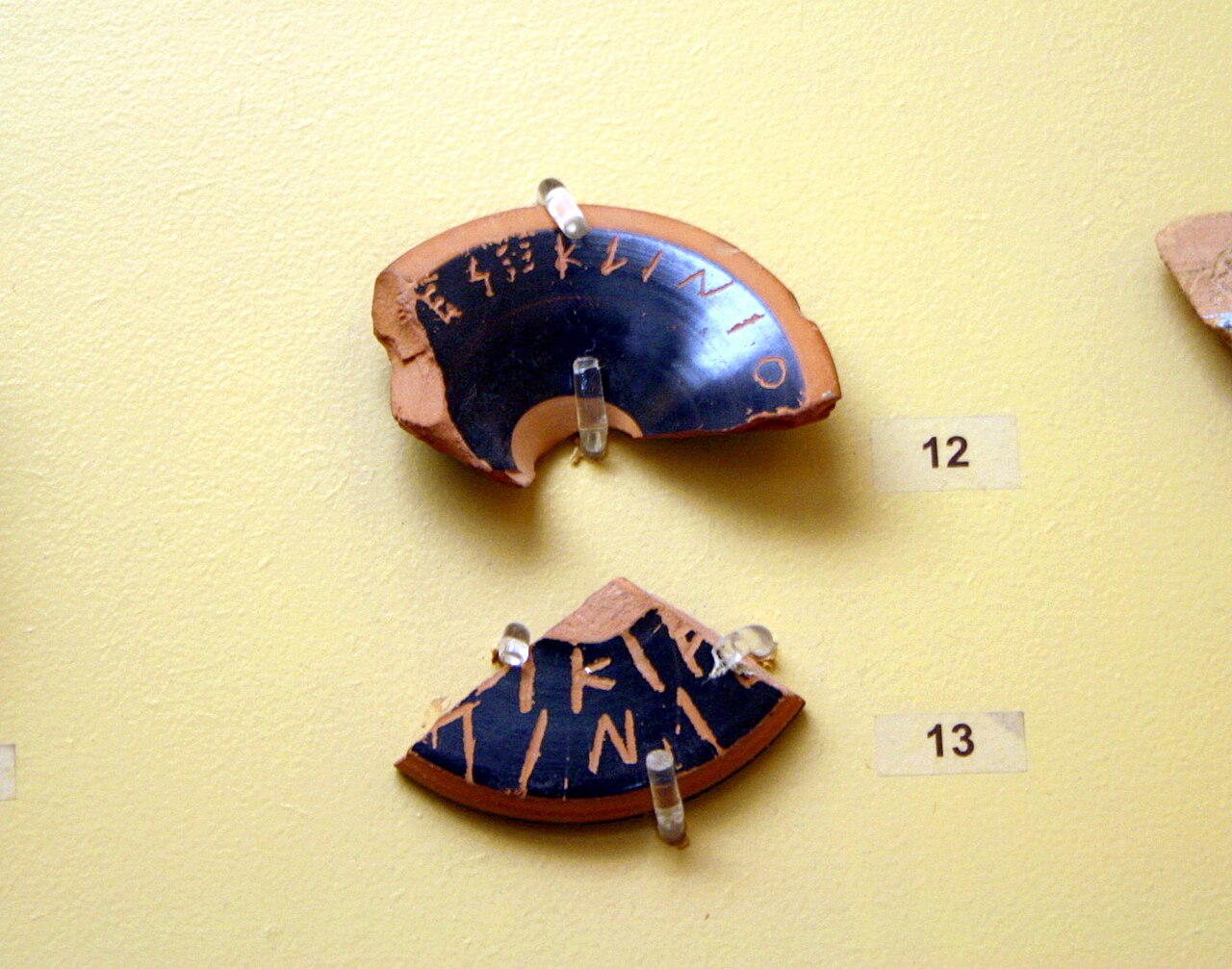
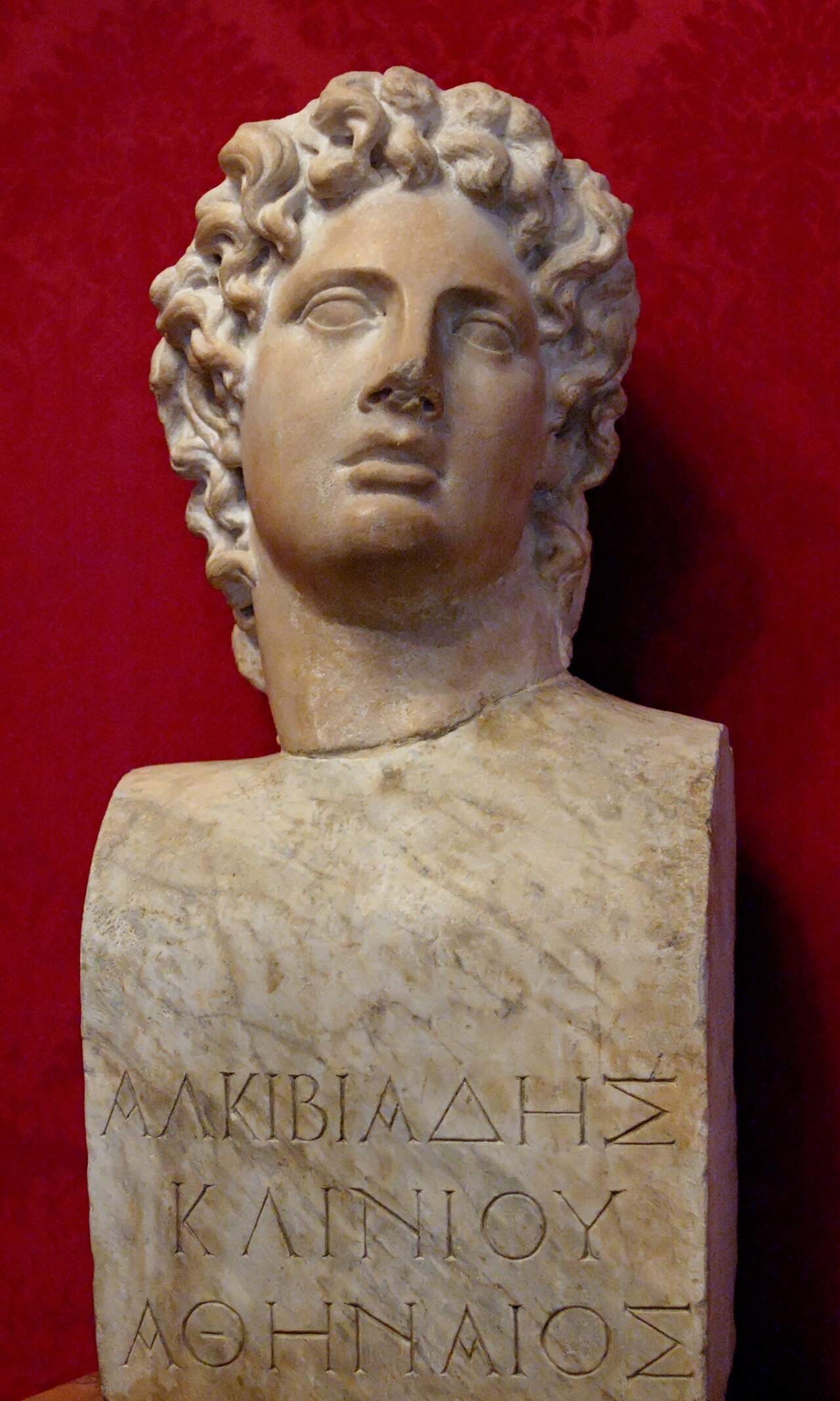
Ostraka inscribed with the name of Alcibiades
Athenian citizens · c. 416-415 BC
Free account
Read every Alcibiades source
Sign up free →
Ready when you are
Start chatting with Alcibiades now.
20 messages free · No credit card · Available in 50+ languages.