


Secondary sourcePainting1865
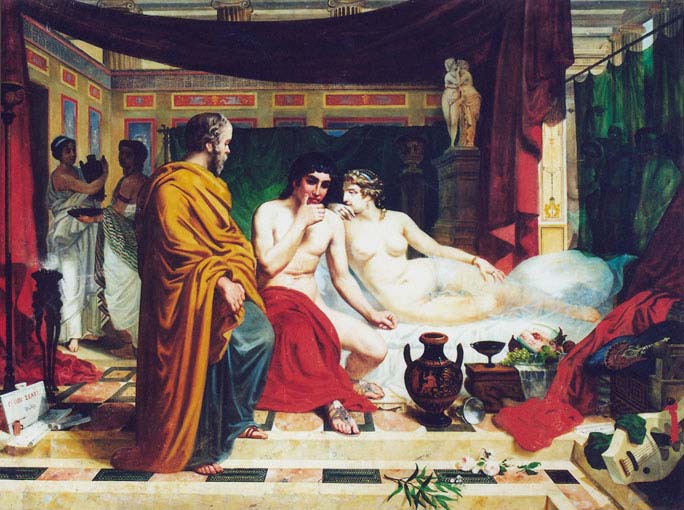
Socrates Separating Alcibiades from Vice
Jules Le Chevrel · 1865
An 1865 academic painting by Jules Le Chevrel showing Socrates pulling Alcibiades away from vice, a moral scene drawn from Plato and Plutarch.
Shows Alcibiades in a moral story from Plato and Plutarch, where Socrates draws him away from vice, so it belongs in his archive as a later moral image.
About this source
What it is
This is an oil on canvas painting, 98.0 by 123.0 cm, by Jules Le Chevrel, dated 1865. The collection record says it was a competition piece, a test for a teaching post at the AIBA. The curator's note describes it as a moral scene showing Socrates pulling Alcibiades away from vice, based on Plato and Plutarch.
Why it matters
Academic painting in the 1800s followed set rules for subject, composition and technique, and students often painted set scenes to show their skill. This picture is therefore both a story about Alcibiades and an example of how art schools judged their students. It shows how writers from ancient Athens, such as Plato and Plutarch, were used in the nineteenth century to talk about character and morality.
Look closer
- Why would a painting made as a school test choose a moral story from ancient writers?
- How do the positions of Socrates and Alcibiades show which one the painter wanted viewers to admire?
- What does this painting not tell us about the real life of Alcibiades?
This painting is part of the curated material that grounds the AI version of Alcibiades on Humy.ai — when students ask about related events, the AI can quote it and cite it.
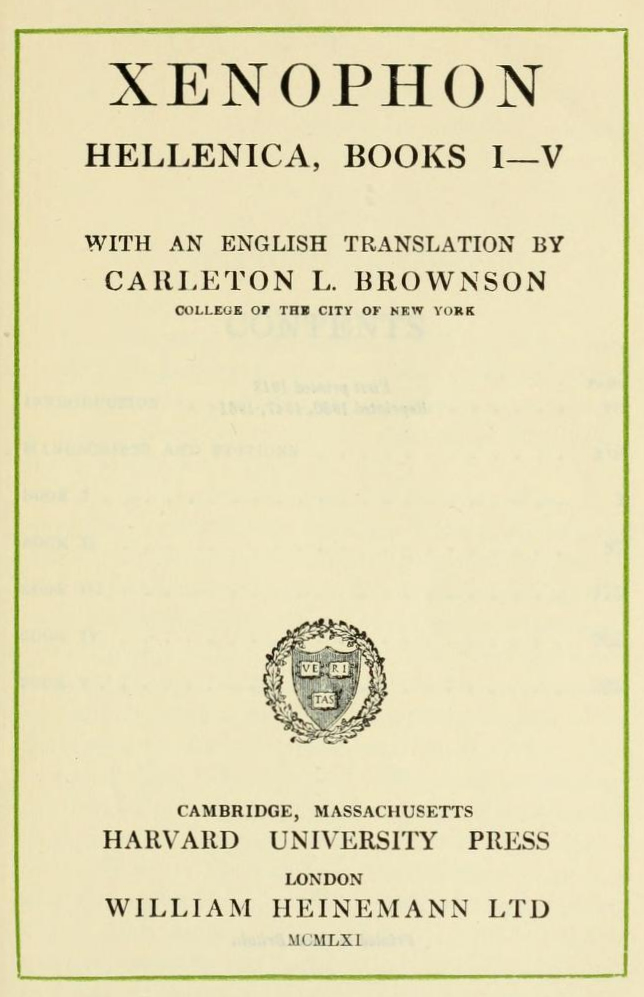
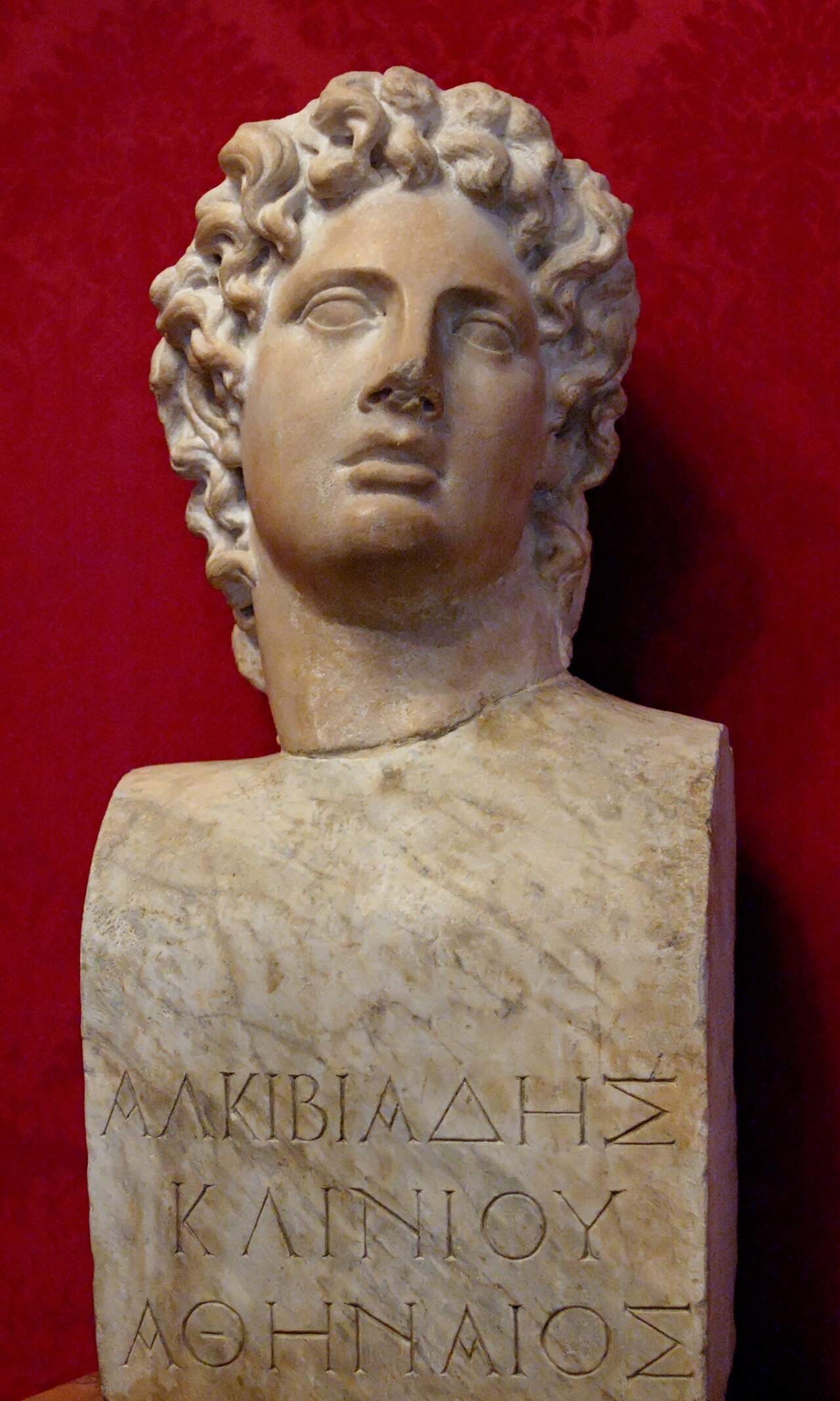
More Alcibiades sources
Browse all 94 →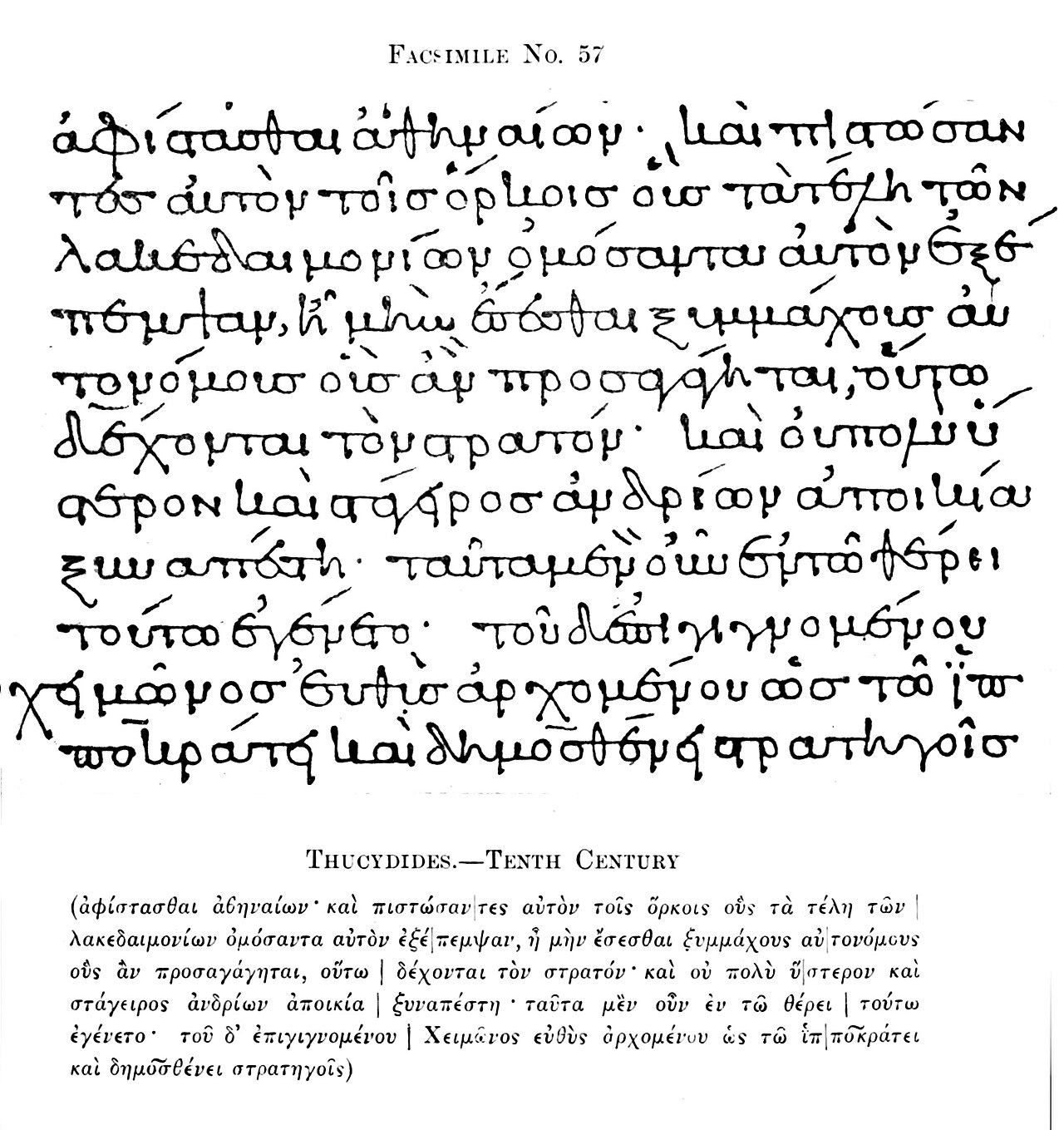 Book
Primary source
History of the Peloponnesian War
Thucydides · 5th century BCE
Secondary source
Life of Alcibiades
Plutarch
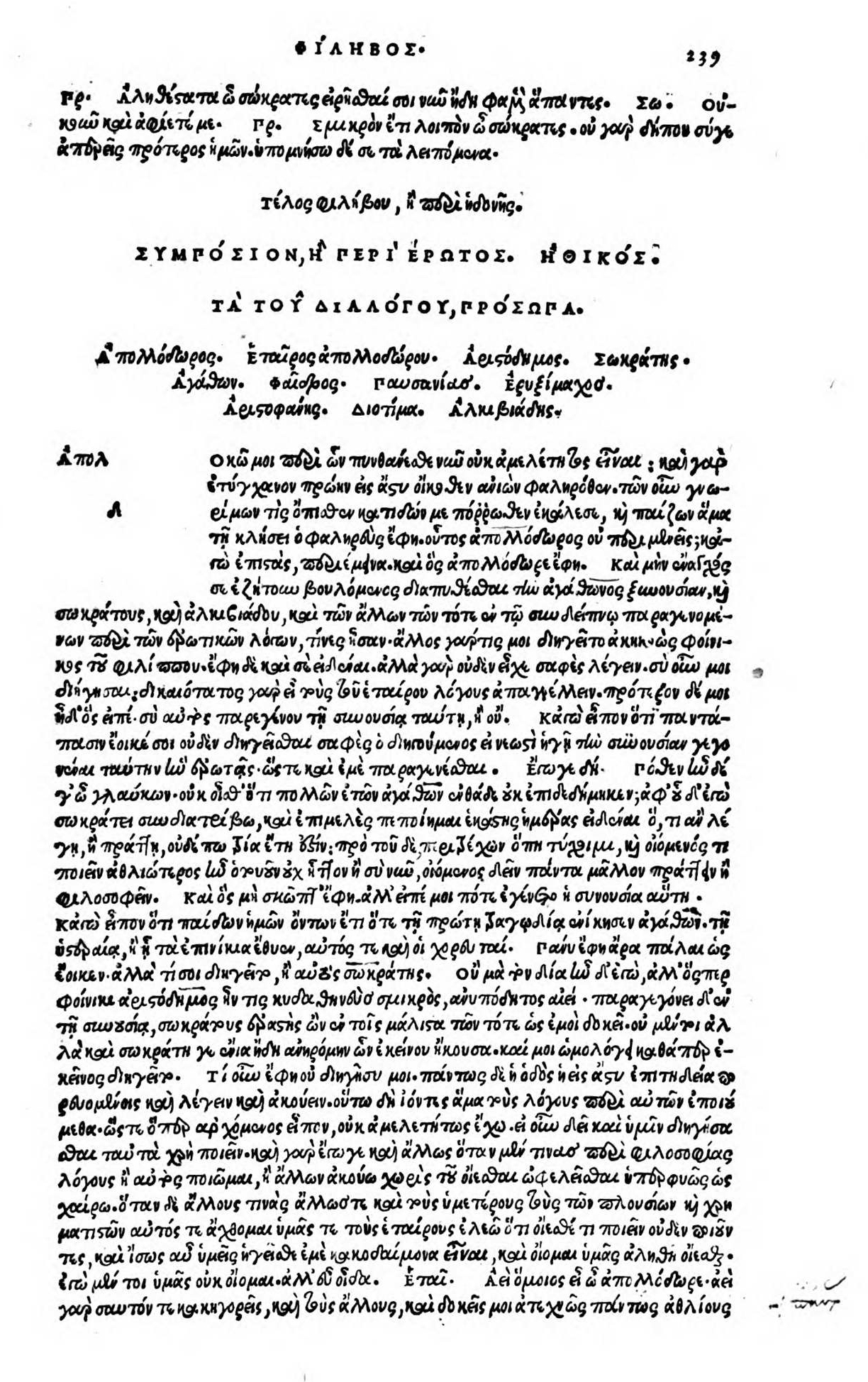 Book
Secondary source
Symposium
Plato · c. 385-370 BC
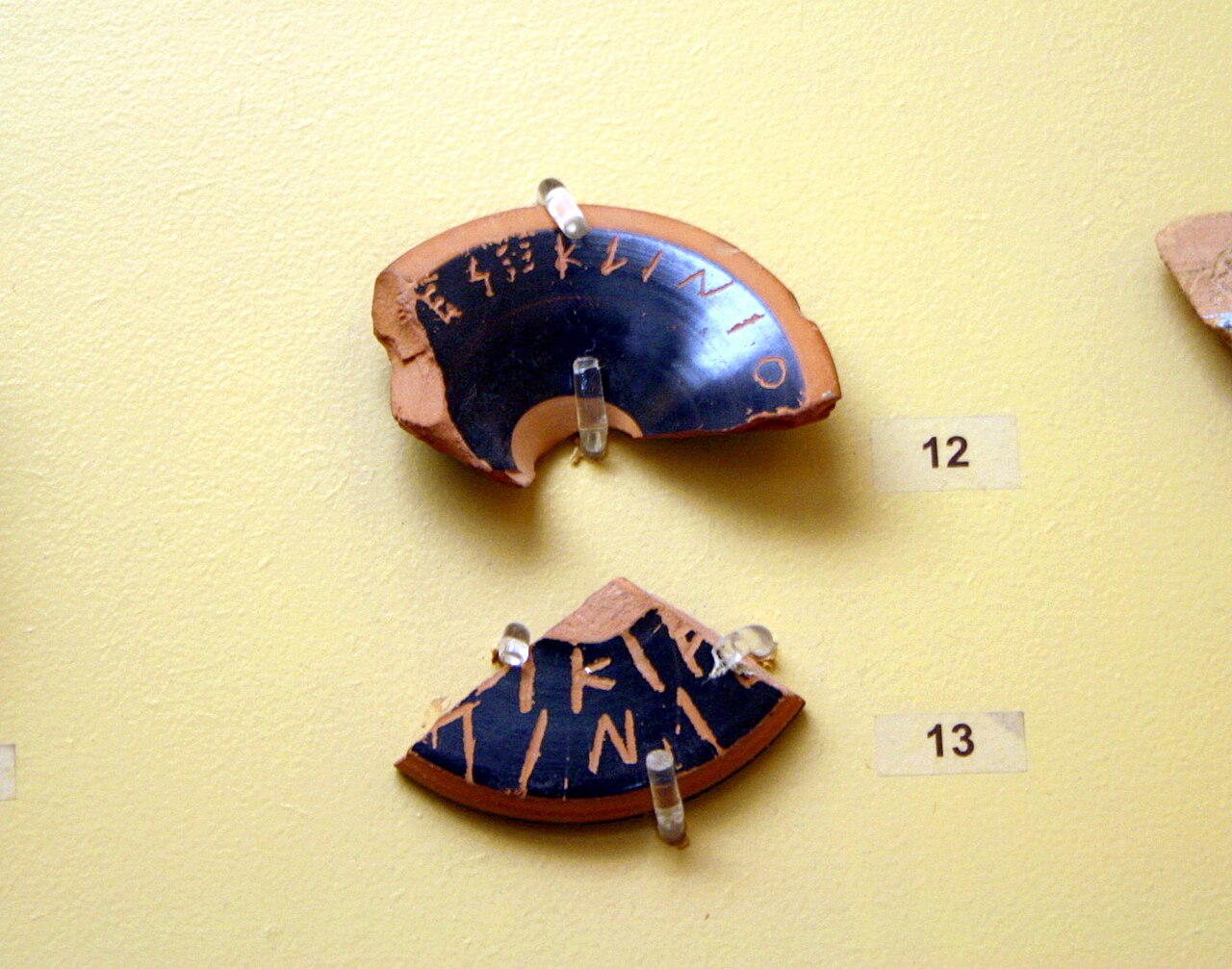 Artifact
Primary source
Ostraka inscribed with the name of Alcibiades
Athenian citizens · c. 416-415 BC
Free account
Read every Alcibiades source
Sign up free →
Ready when you are
Start chatting with Alcibiades now.
20 messages free · No credit card · Available in 50+ languages.