


Primary sourceArtifact383–388 AD
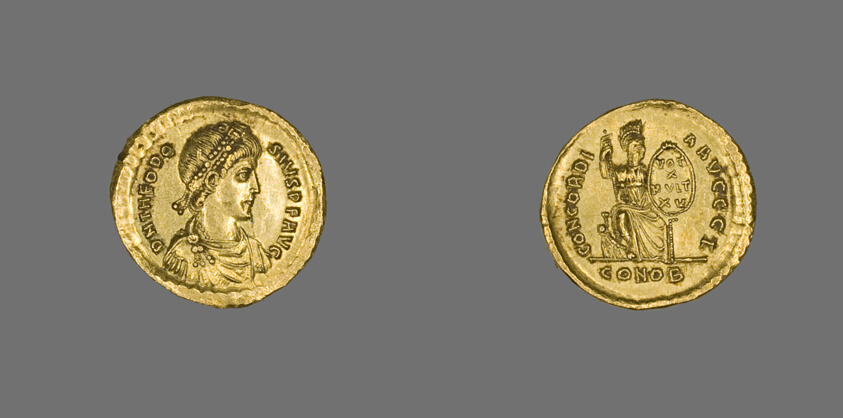
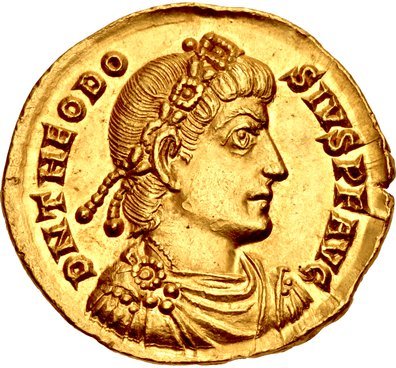
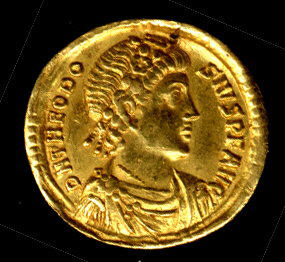
Solidus of Emperor Theodosius I
Byzantine mint, Constantinople · 383–388 AD
A gold coin minted in Constantinople during Theodosius I's reign, showing his portrait and imperial authority.
This coin was minted during Theodosius I's reign and bears his own portrait and symbols of his authority.
About this source
What it is
This is a gold coin, called a solidus, struck in Constantinople between 383 and 388. It shows a diademed bust of the emperor on one side, and on the other a seated figure holding a globe and sceptre, with a shield and a small kneeling figure at the feet. It is held today by the Art Institute of Chicago.
Why it matters
Coins like this were made by the state and carried the emperor's image across the empire. They were a way for Theodosius I to show his power, legitimacy, and connection to older imperial traditions, reaching people who would never see him in person.
Look closer
- What does the pose and object held by the seated figure suggest about how the emperor wanted to be seen?
- Why would an emperor want his face on money used every day?
- What does the small figure at the feet of the seated figure represent?
This artifact is part of the curated material that grounds the AI version of Theodosius I on Humy.ai — when students ask about related events, the AI can quote it and cite it.
More Theodosius I sources
Browse all 93 →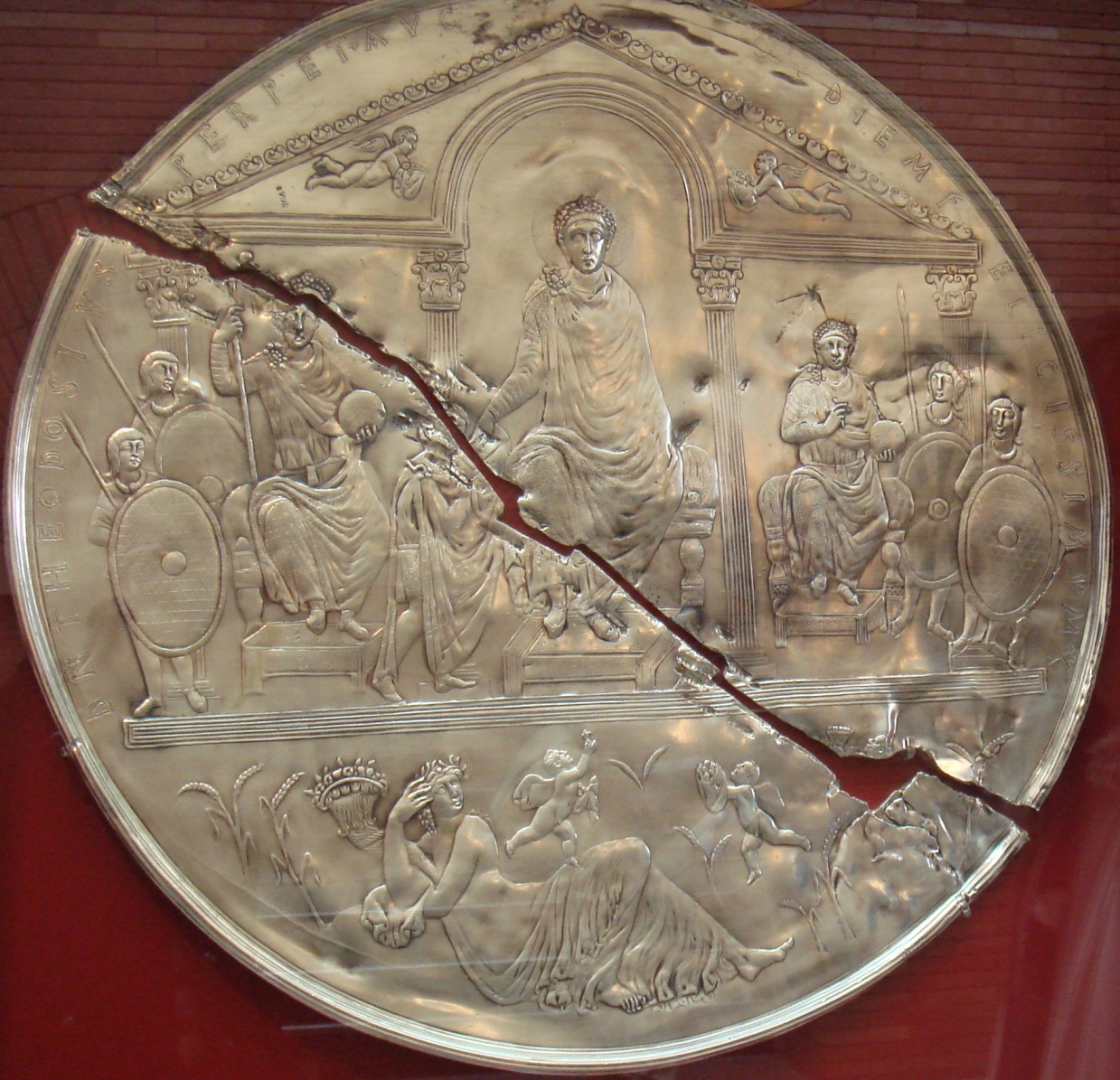 Artifact
Primary source
Missorium of Theodosius I
388 AD
 Sculpture
Primary source
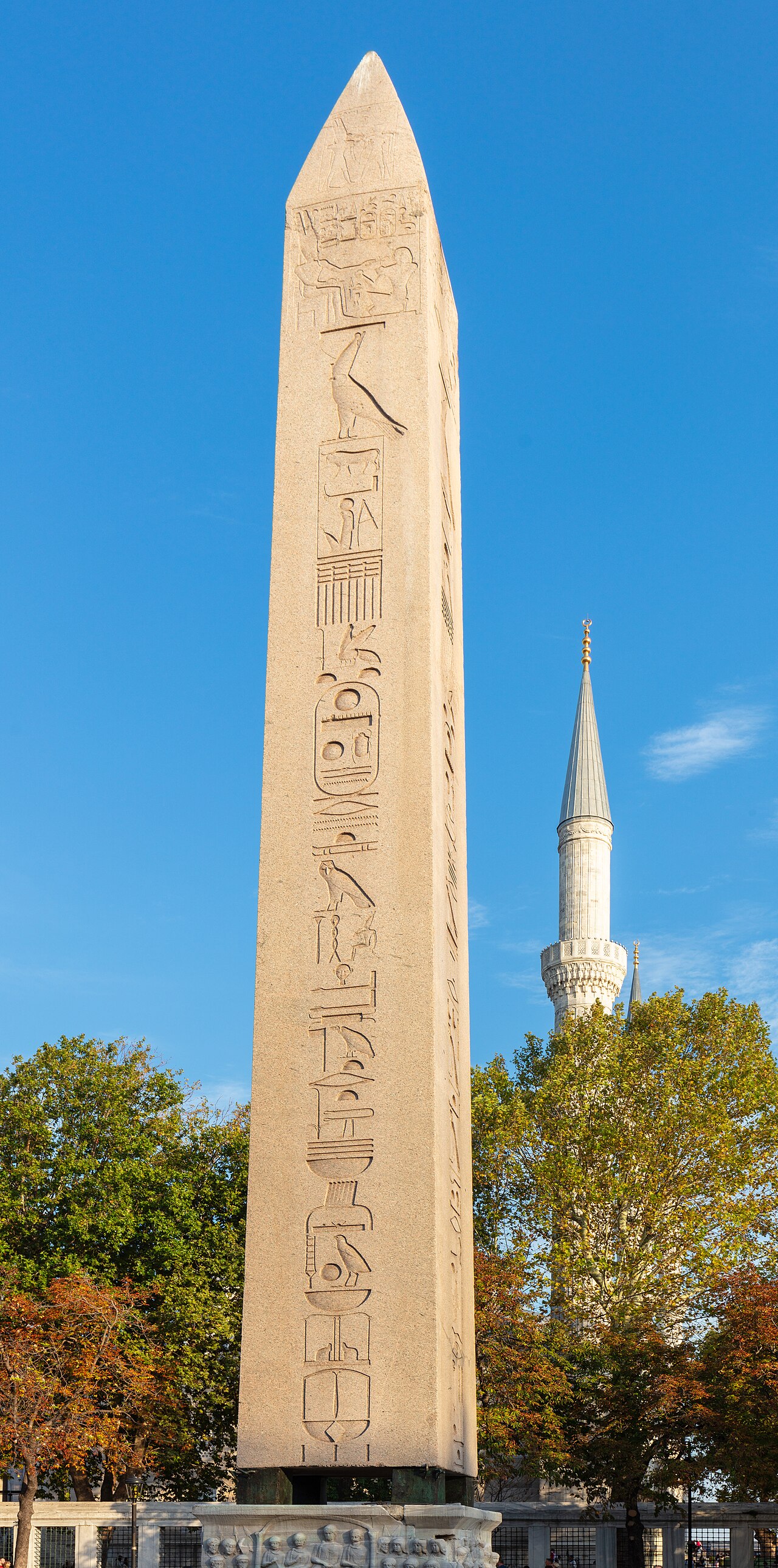
Obelisk of Theodosius
390 AD (obelisk c. 1450 BC)
 Document
Primary source
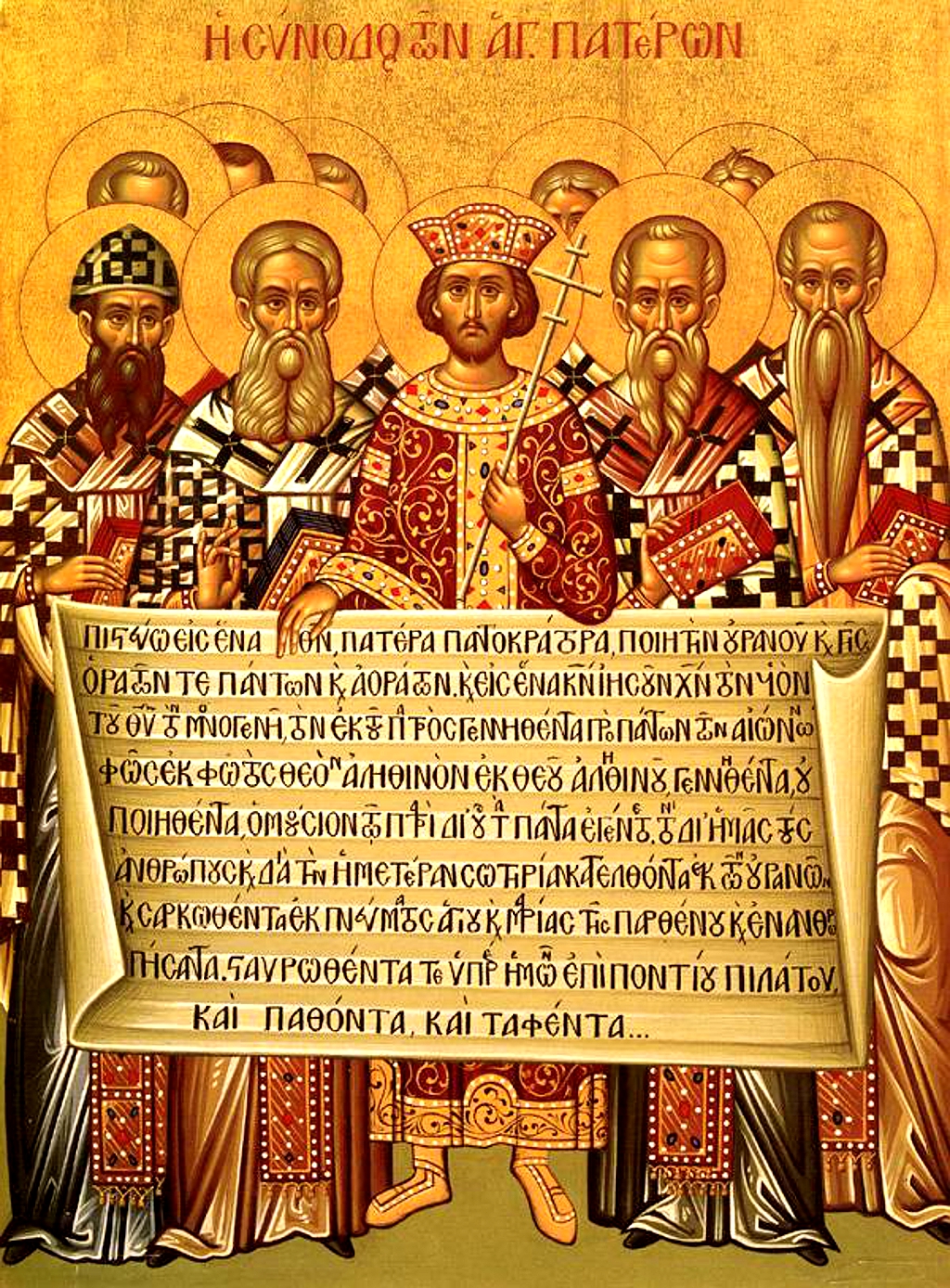
Nicene–Constantinopolitan Creed
381 AD
Primary source
Letter to Theodosius after the Massacre of Thessalonica
Ambrose of Milan · 390 AD
Free account
Read every Theodosius I source
Sign up free →
Ready when you are
Start chatting with Theodosius I now.
20 messages free · No credit card · Available in 50+ languages.