


Primary sourceArtifact629-631
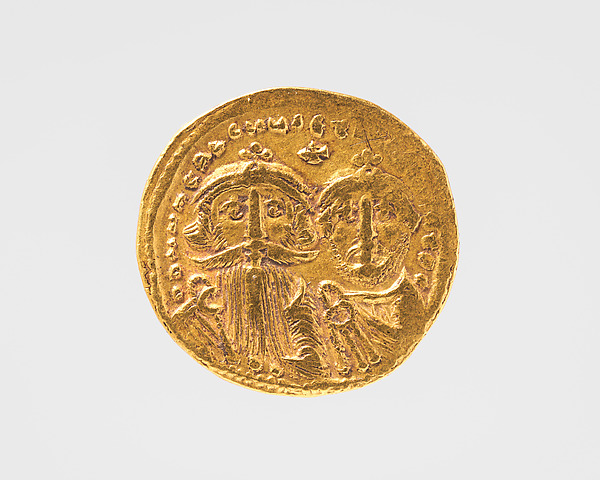
Solidus of Heraclius and Heraclius Constantine
629-631
A Byzantine gold coin from 629-631 showing Emperor Heraclius and his son, struck around the time of Abu Bakr's early campaigns against Byzantine territory.
This Byzantine coin represents the rival empire that Abu Bakr's early campaigns targeted in the Levant.
About this source
What it is
This gold solidus, struck between 629 and 631, shows the Byzantine emperor Heraclius standing with his son Heraclius Constantine, both crowned, beneath a cross. It is held today by the Metropolitan Museum of Art.
Why it matters
Heraclius ruled the Byzantine Empire during the years when Abu Bakr, as the first Islamic caliph, launched military campaigns into Byzantine-controlled Levant. This coin is a primary object from that rival empire, helping to show the wider world of competing powers during Abu Bakr's caliphate.
Look closer
- What do the crowns, the cross, and the Greek inscriptions tell you about Byzantine identity and religion?
- Why might a coin show two rulers together?
- How does this object help us understand the empires Abu Bakr's conquests targeted?
This artifact is part of the curated material that grounds the AI version of Abu Bakr and Khalid ibn al-Walid on Humy.ai — when students ask about related events, the AI can quote it and cite it.
More Abu Bakr sources
Browse all 66 →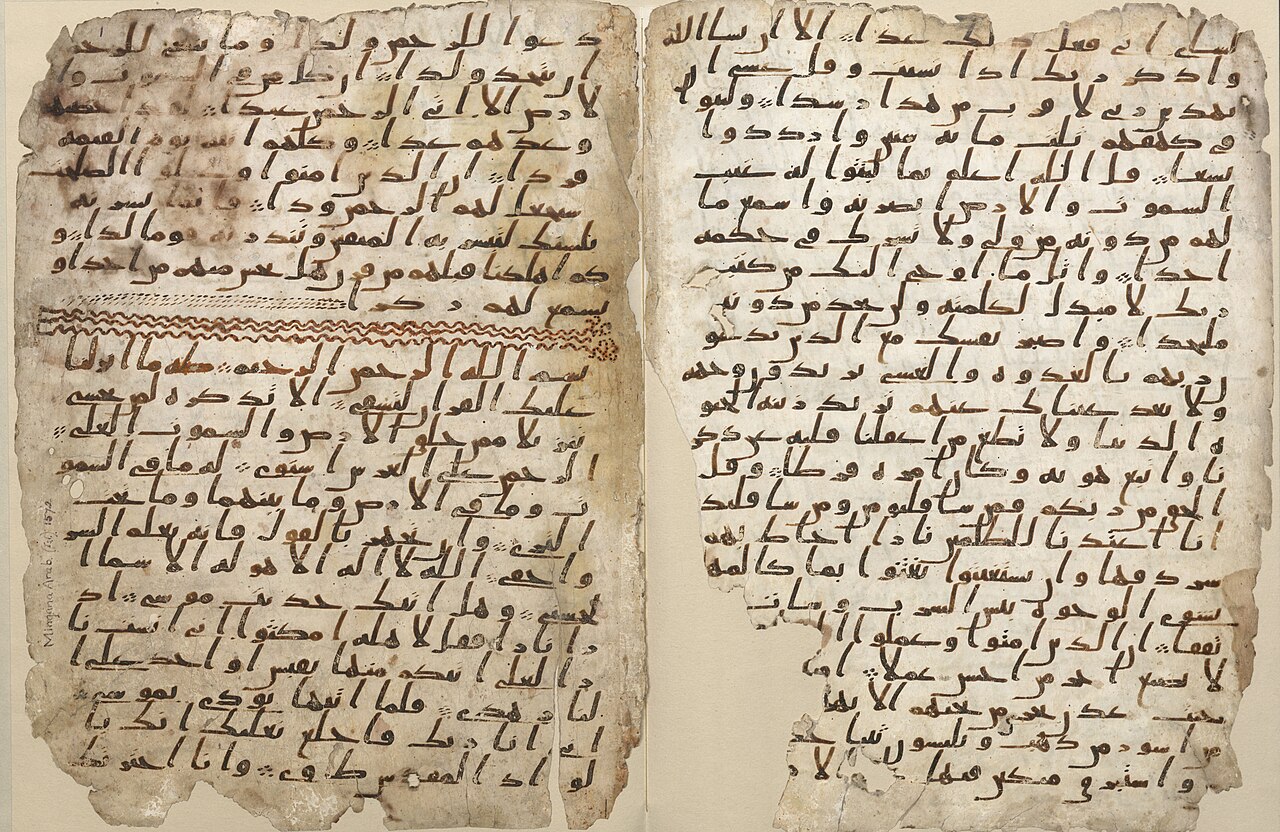 Document
Primary source
Birmingham Quran Manuscript
568–645 CE
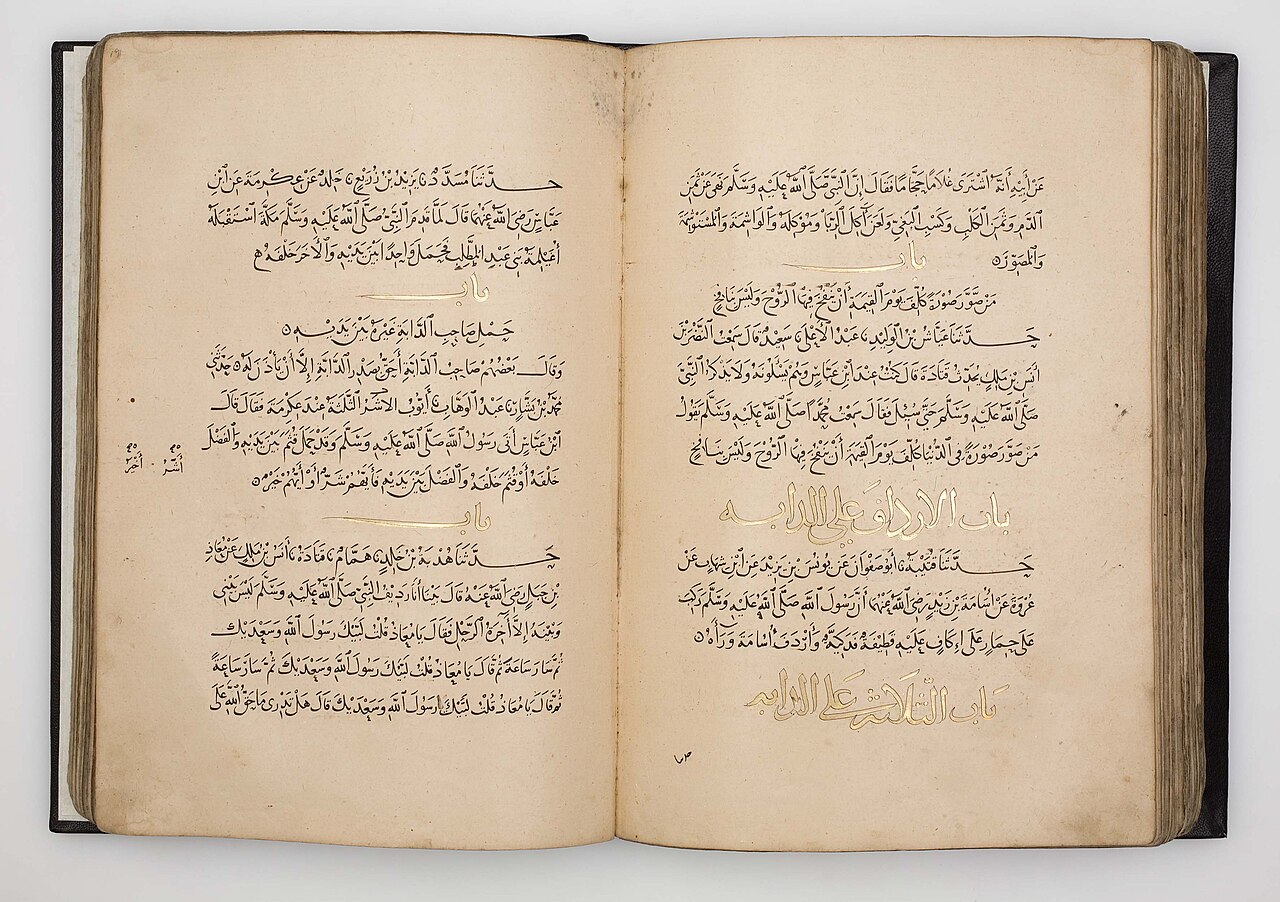 Book
Secondary source
Sahih al-Bukhari
Muhammad ibn Isma'il al-Bukhari · c. 846 CE
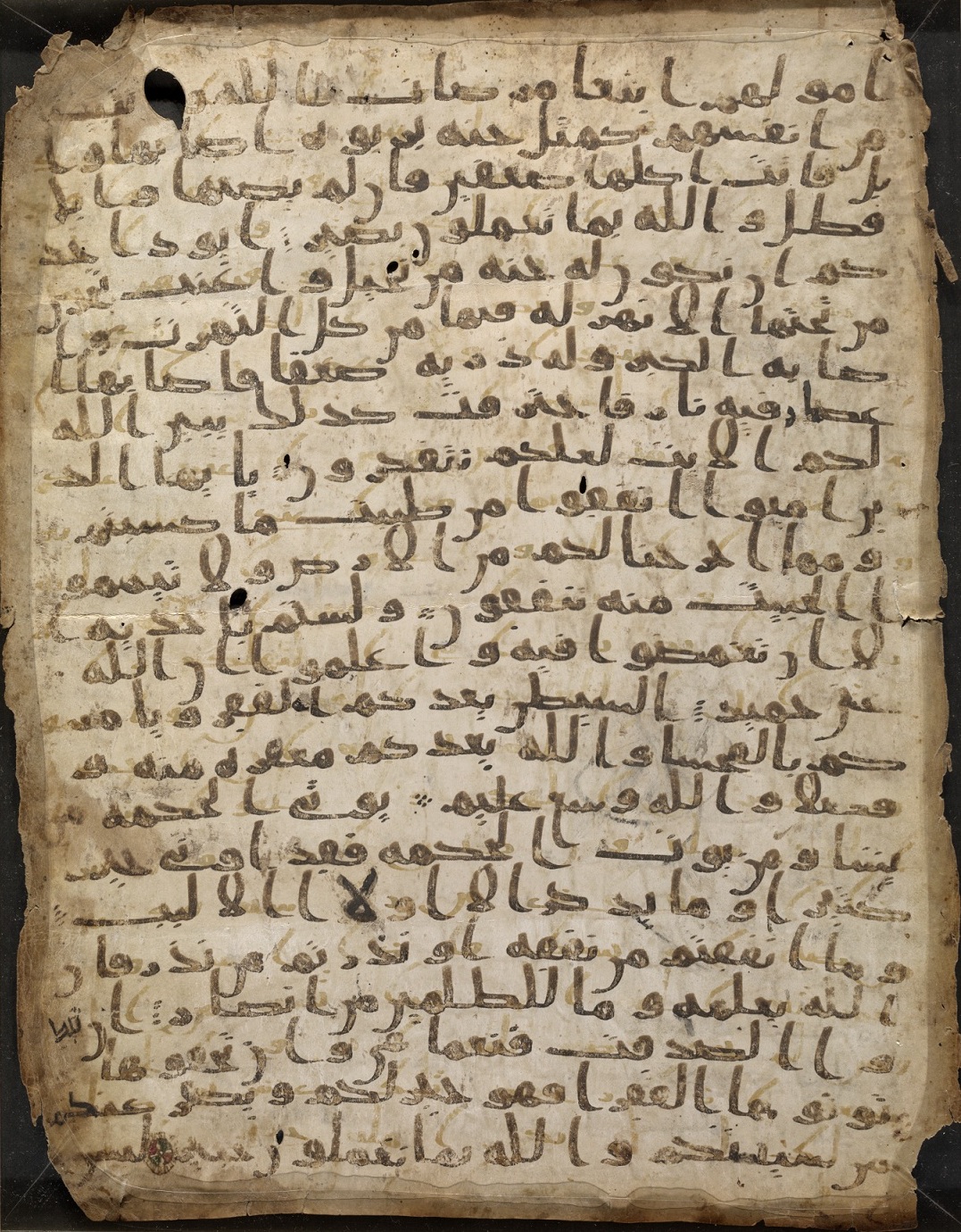 Book
Primary source
Sana'a Manuscript
c. 650 CE
 Book
Secondary source
Futuh al-Buldan
Al-Baladhuri · 9th century
Free account
Read every Abu Bakr source
Sign up free →
Ready when you are
Start chatting with Abu Bakr now.
20 messages free · No credit card · Available in 50+ languages.