


Primary sourceArtifactc. 616-625
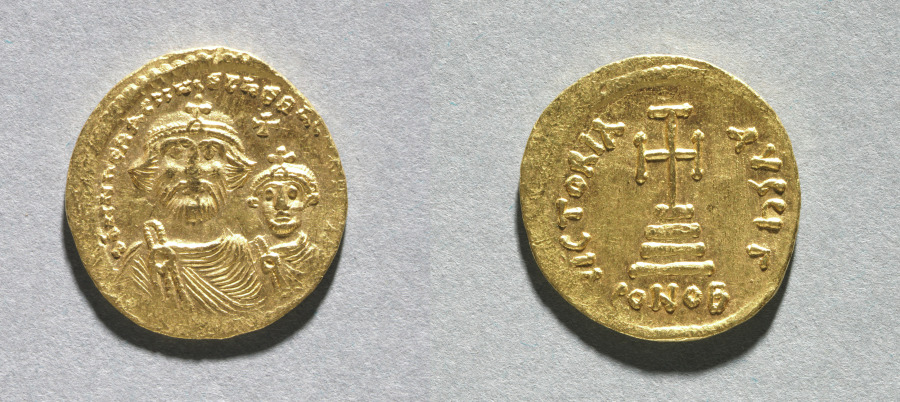
Solidus of Heraclius and Heraclius Constantine
c. 616-625
A Byzantine gold coin showing Emperor Heraclius and his son, from the empire whose armies Khalid ibn al-Walid later fought.
Represents the Byzantine Empire that Khalid's campaigns confronted, though it predates his major conquests.
About this source
What it is
This is a gold coin (solidus) showing Emperor Heraclius and his son Heraclius Constantine, made in the Byzantine Empire around 616–625. It is now held at the Cleveland Museum of Art.
Why it matters
Byzantine coins like this one were made under close imperial control, and the images on them were designed to show the emperor's power and legitimacy. This coin reflects the Byzantine state that Khalid ibn al-Walid's armies would later clash with as Islam expanded into Byzantine territory in Syria.
Look closer
- Why might an emperor want his heir pictured with him on money used across the empire?
- What does the careful craftsmanship tell you about how seriously rulers took their public image?
- How might ordinary people have understood political power just from handling a coin like this?
This artifact is part of the curated material that grounds the AI version of Khalid ibn al-Walid on Humy.ai — when students ask about related events, the AI can quote it and cite it.
More Khalid ibn al-Walid sources
Browse all 52 →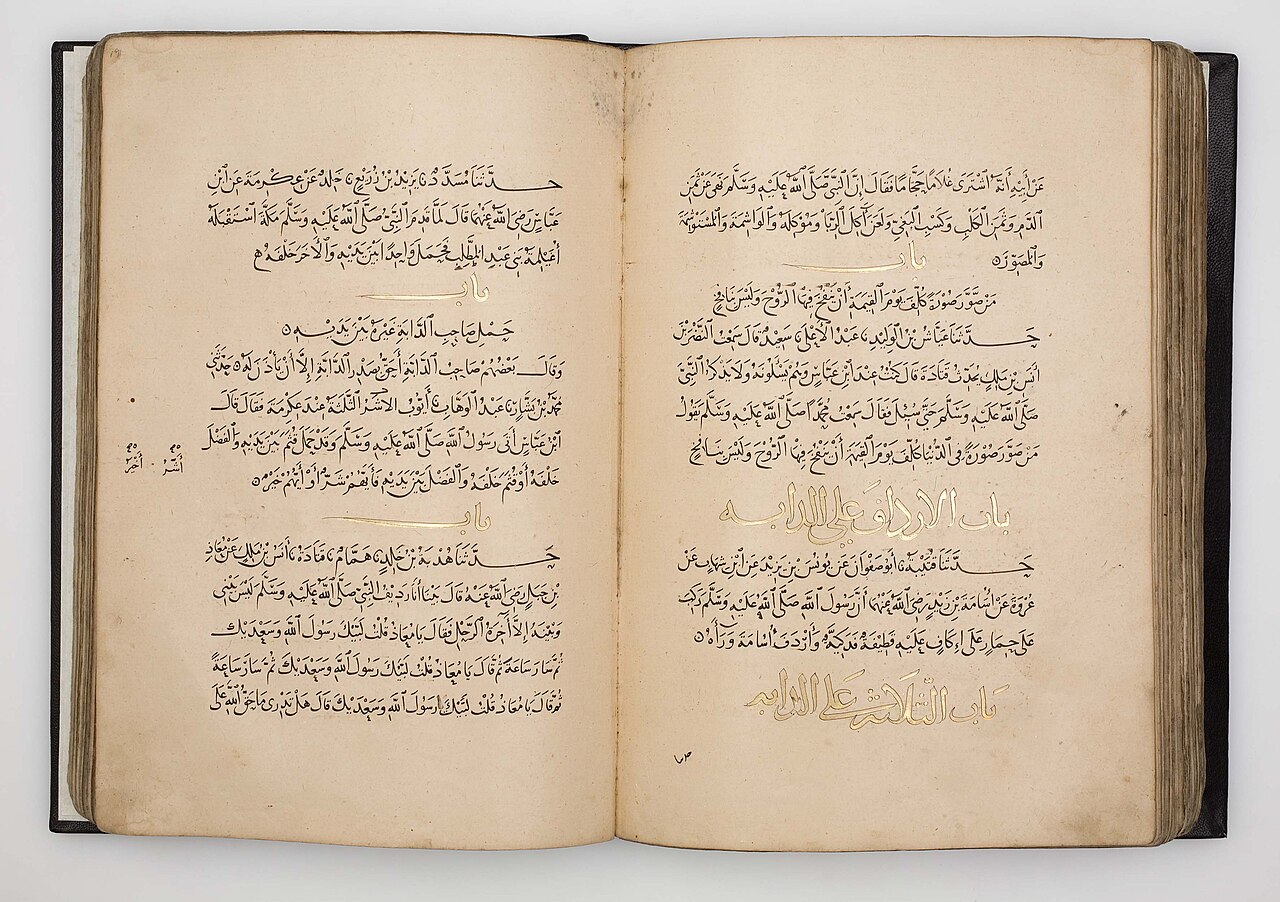 Book
Secondary source
Sahih al-Bukhari
Muhammad ibn Isma'il al-Bukhari · c. 846 CE
 Book
Secondary source
Futuh al-Buldan
Al-Baladhuri · 9th century
Secondary source
Book of Idols
Hisham ibn al-Kalbi · 8th-9th century
 Book
Secondary source
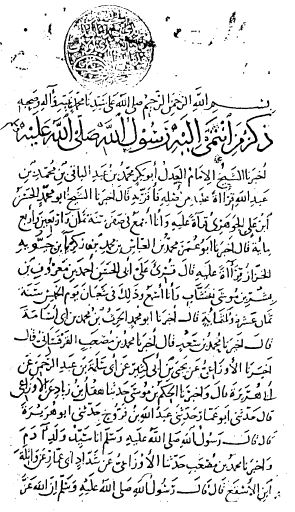
The Book of the Major Classes
Muhammad ibn Sa'd ibn Mani' al-Baghdadi
Free account
Read every Khalid ibn al-Walid source
Sign up free →
Ready when you are
Start chatting with Khalid ibn al-Walid now.
20 messages free · No credit card · Available in 50+ languages.