


Primary sourceArtifactc. 616-625
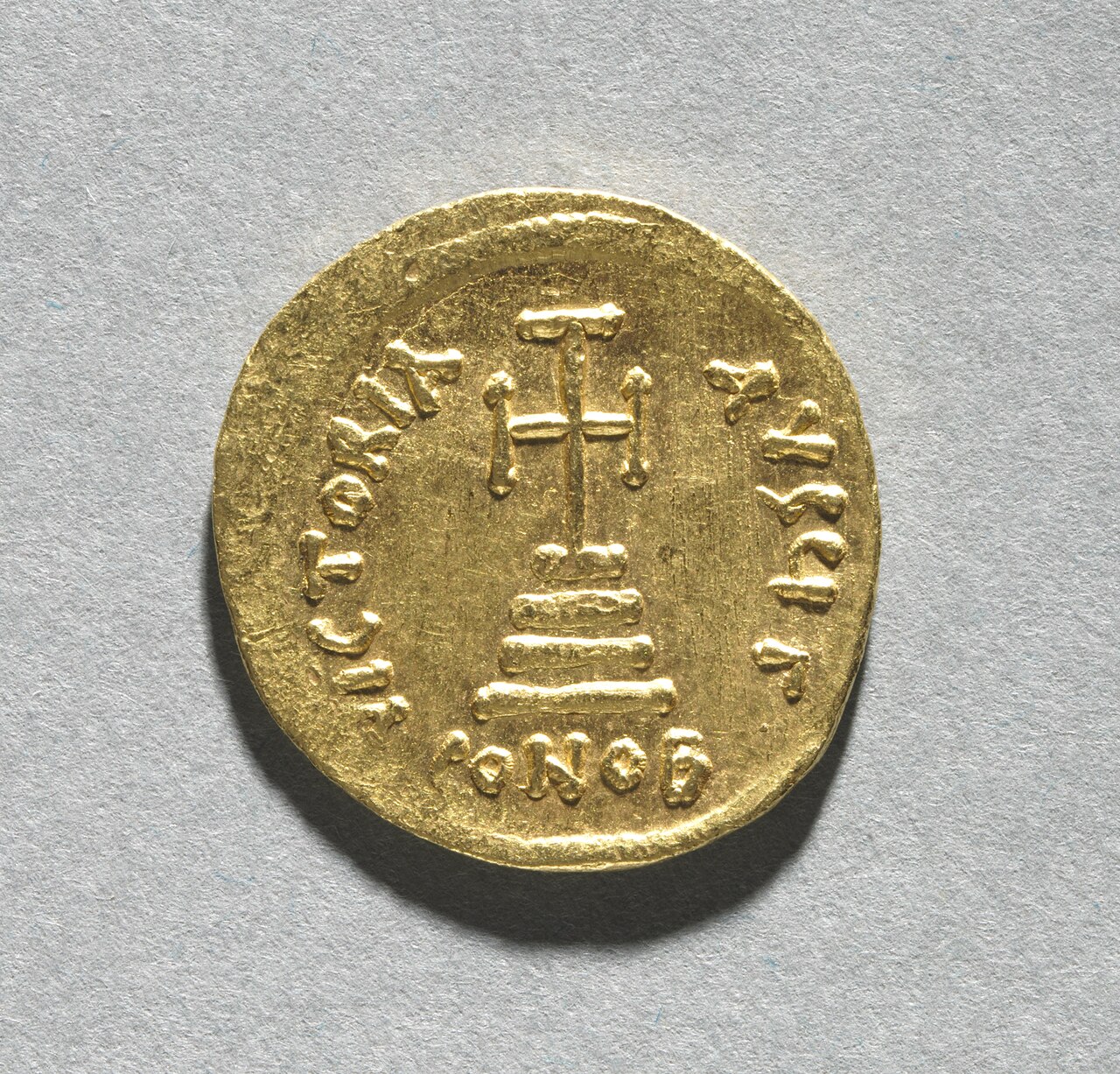
Solidus of Heraclius and Heraclius Constantine, Reverse
c. 616-625
The reverse side of a Byzantine gold coin from the reign of Emperor Heraclius, used here as background on the empire Abu Bakr's successors would confront.
Provides background on the Byzantine Empire that Abu Bakr's caliphate began to confront after Muhammad's death.
About this source
What it is
This is the reverse side of a Byzantine gold solidus coin, struck between about 616 and 625, during the reign of Emperor Heraclius and his son Heraclius Constantine. It shows a large cross on a stepped base, with Greek-style lettering around the edge.
Why it matters
Byzantine coins like this were carefully designed to project imperial authority and were used across a vast trading empire. This coin provides background on the Byzantine Empire, the great power that Abu Bakr's successors as caliph would soon challenge after his death, as Islamic armies expanded into former Byzantine territory.
Look closer
- Why would an empire put religious symbols like a cross on its money?
- What does the careful craftsmanship of the coin suggest about its purpose?
- How might objects like this help historians understand trade and politics even without written records?
This artifact is part of the curated material that grounds the AI version of Abu Bakr on Humy.ai — when students ask about related events, the AI can quote it and cite it.
More Abu Bakr sources
Browse all 66 →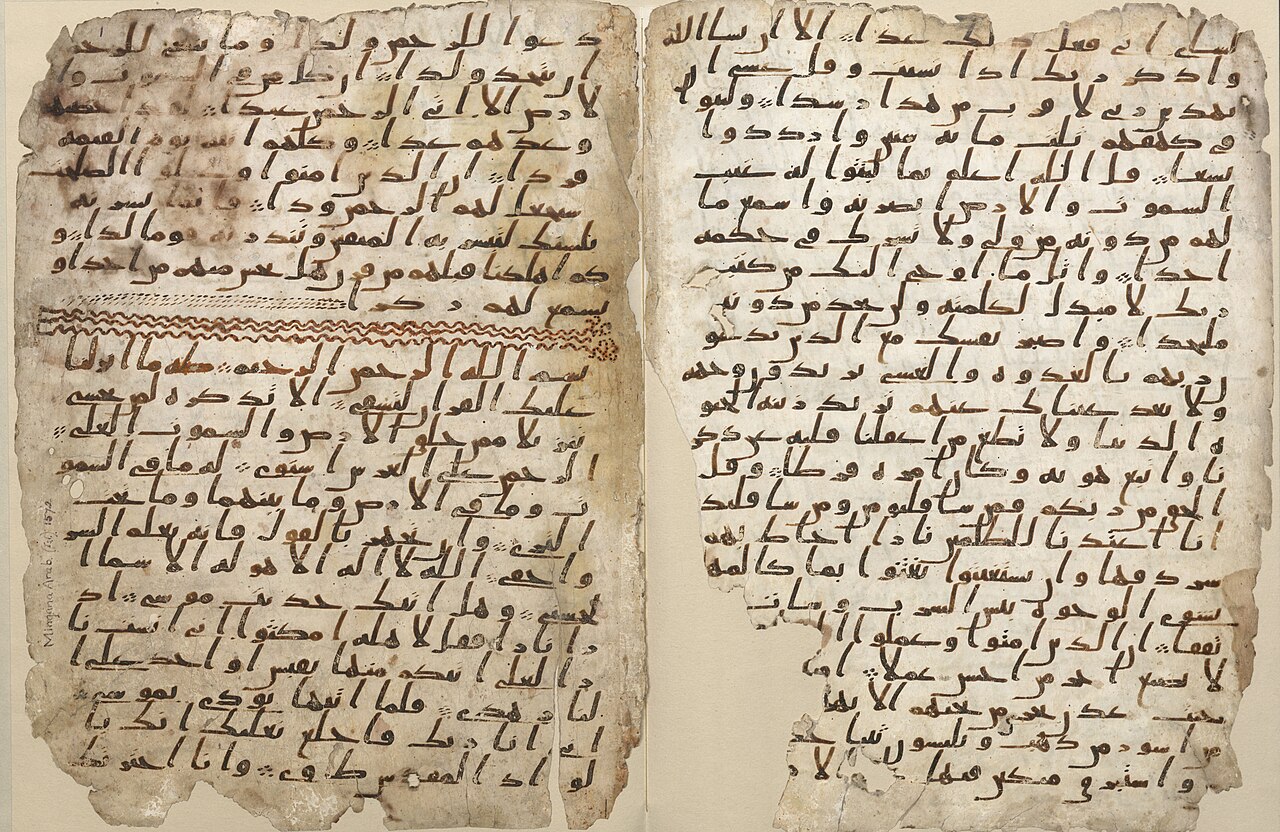 Document
Primary source
Birmingham Quran Manuscript
568–645 CE
 Book
Secondary source
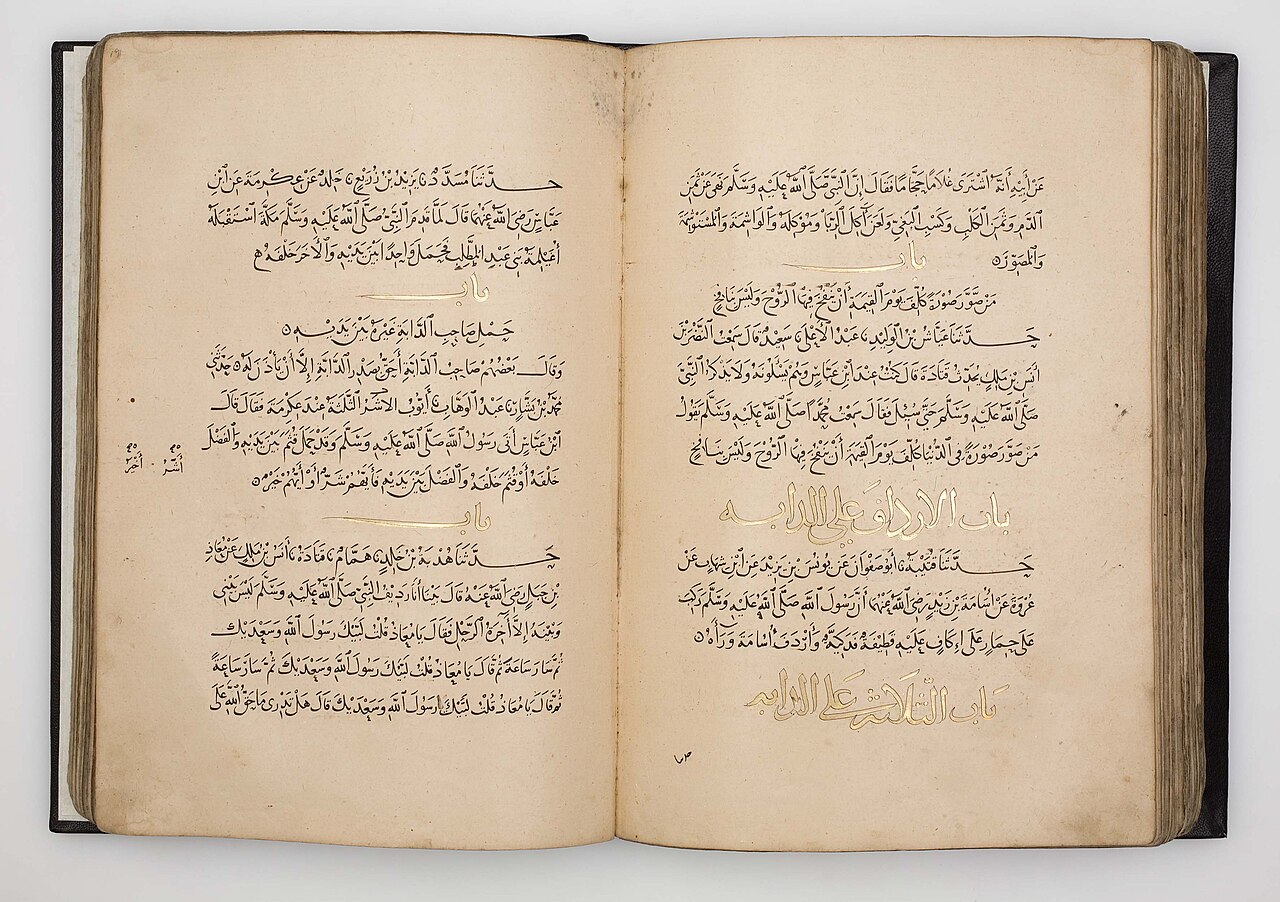
Sahih al-Bukhari
Muhammad ibn Isma'il al-Bukhari · c. 846 CE
 Book
Primary source
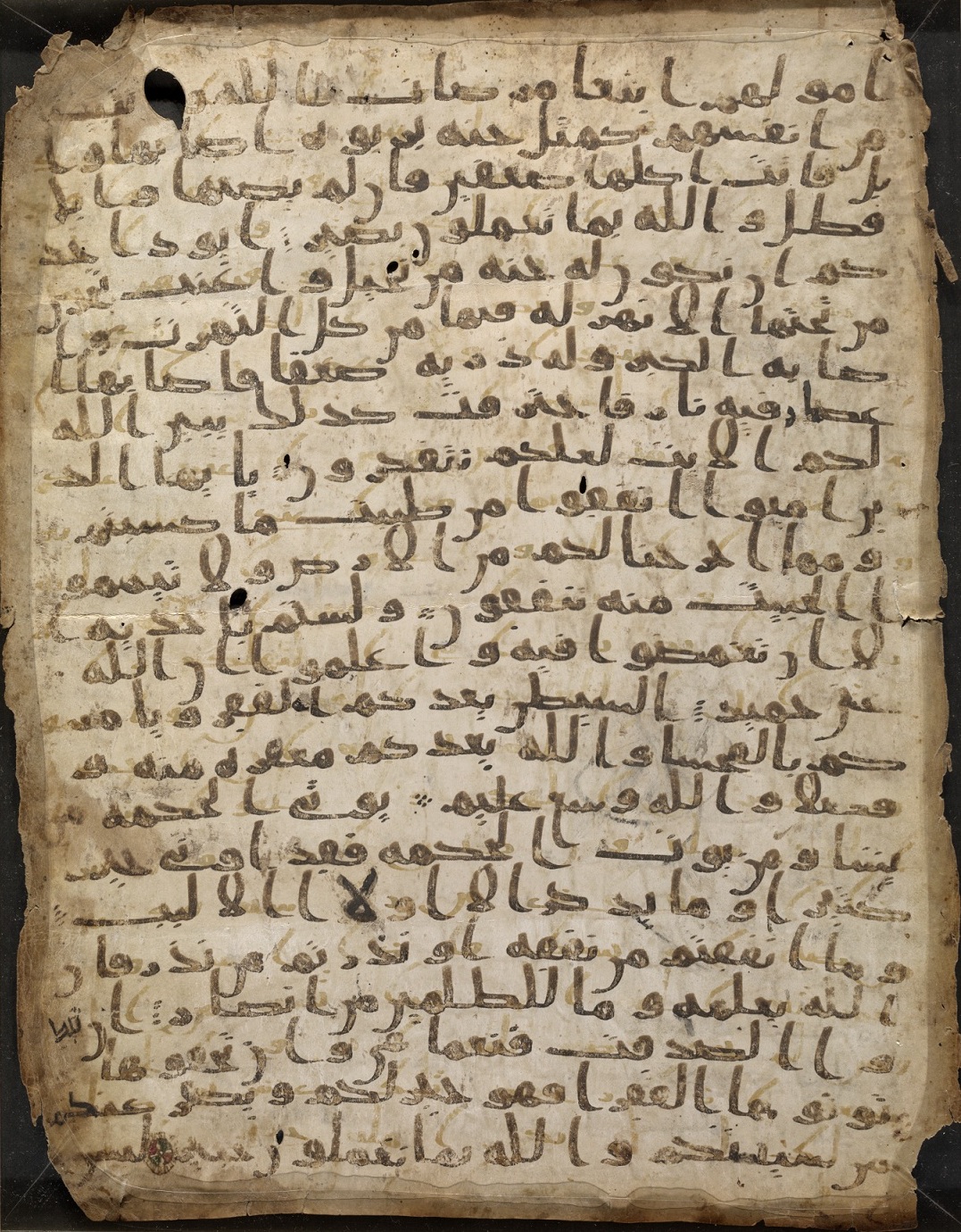
Sana'a Manuscript
c. 650 CE
 Book
Secondary source
Futuh al-Buldan
Al-Baladhuri · 9th century
Free account
Read every Abu Bakr source
Sign up free →
Ready when you are
Start chatting with Abu Bakr now.
20 messages free · No credit card · Available in 50+ languages.