


Primary sourceArtifact638-641
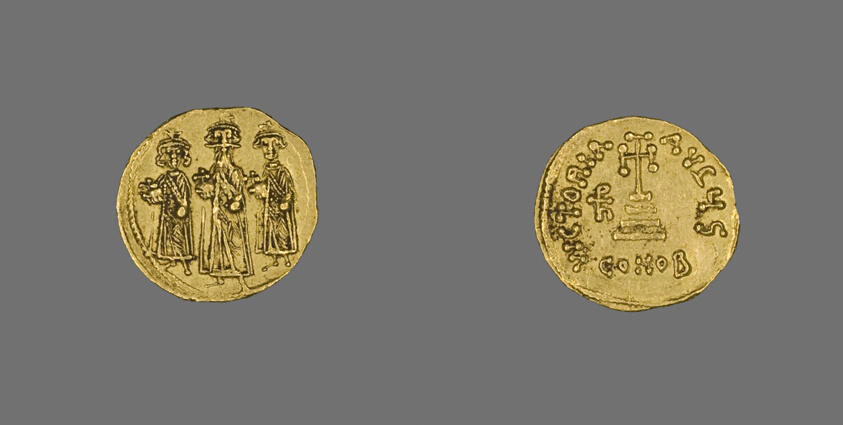
Solidus of Heraclius
Byzantine · 638-641
A Byzantine gold coin minted in Constantinople, representing the imperial currency of the Byzantine Empire in the era before Methodius.
This Byzantine coin, minted shortly after Abu Bakr's death, shows the powerful empire bordering the early caliphate he led.
About this source
What it is
This is a Byzantine gold coin called a solidus, minted in Constantinople under Emperor Heraclius between 638 and 641. It is held by the Art Institute of Chicago. One side shows three standing crowned figures, and the other shows a cross on steps surrounded by Greek lettering.
Why it matters
This coin comes from an earlier period of the Byzantine Empire, the same empire whose later culture and church produced missionaries such as Methodius and his brother Cyril. It shows the kind of currency, imagery, and imperial authority that shaped the Byzantine world the brothers grew up in and later represented on their mission to the Slavs.
Look closer
- What do the images on the coin suggest about how Byzantine rulers wanted to be seen?
- Why might crosses and religious symbols appear on everyday money?
- What continuities or changes might link this older coin to the Byzantine world of Methodius's own time?
This artifact is part of the curated material that grounds the AI version of Abu Bakr, Khalid ibn al-Walid and Methodius of Thessaloniki on Humy.ai — when students ask about related events, the AI can quote it and cite it.
More Abu Bakr sources
Browse all 66 →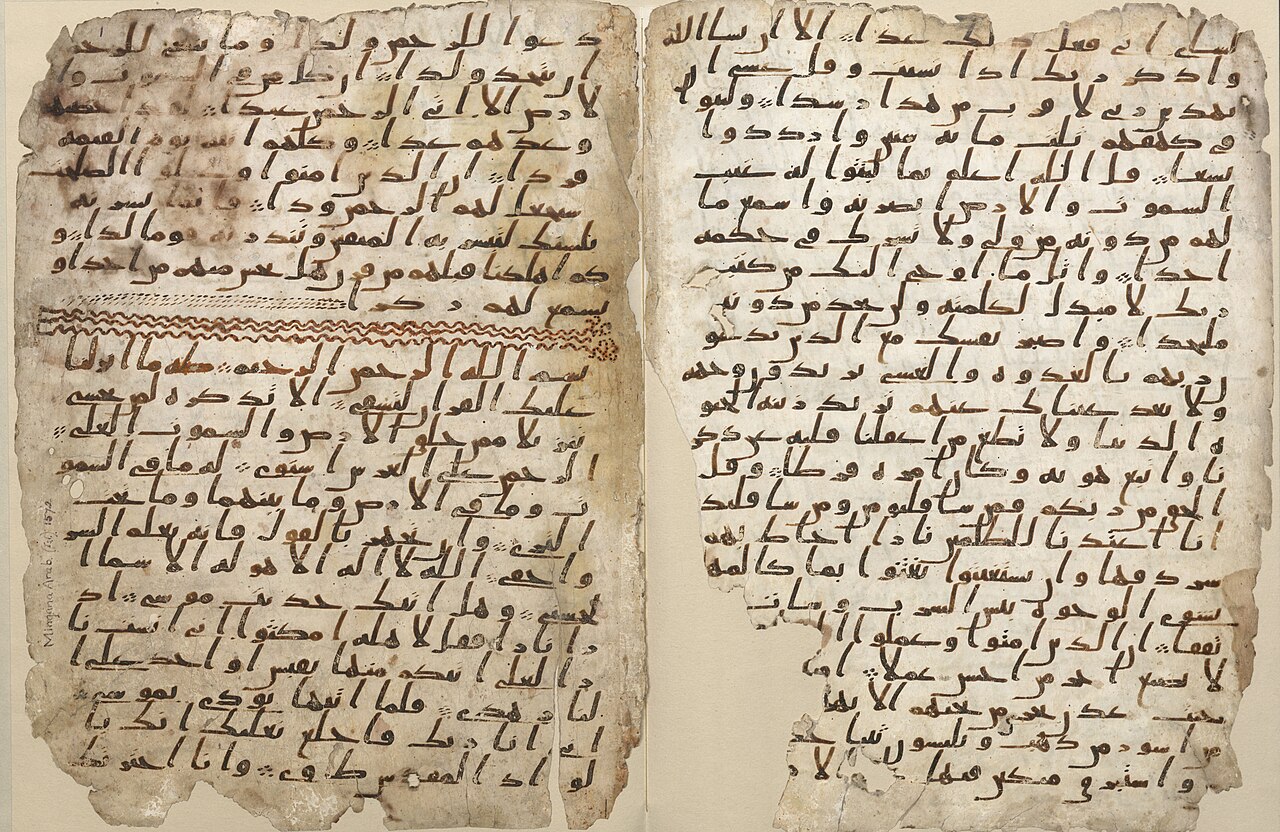 Document
Primary source
Birmingham Quran Manuscript
568–645 CE
 Book
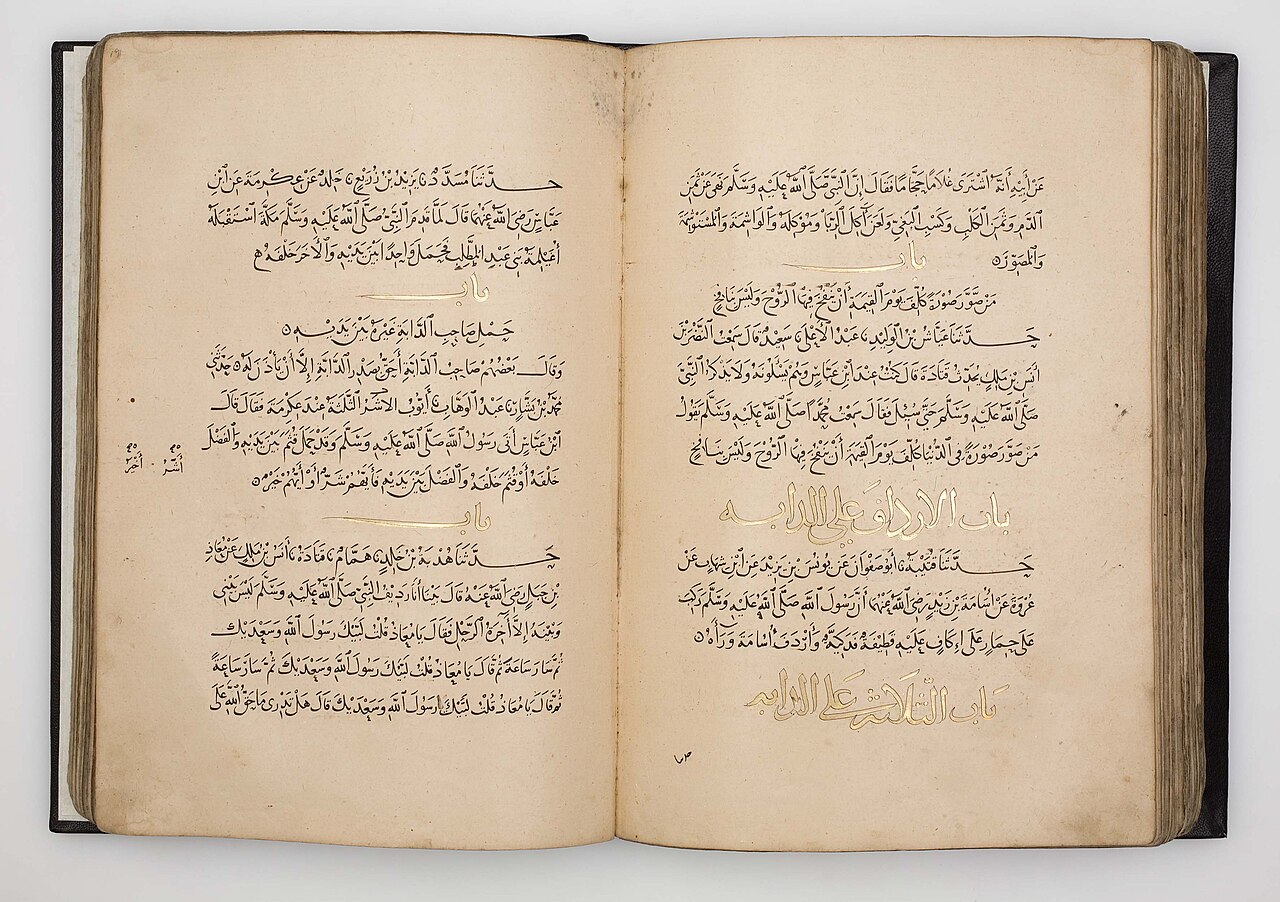
Secondary source
Sahih al-Bukhari
Muhammad ibn Isma'il al-Bukhari · c. 846 CE
 Book
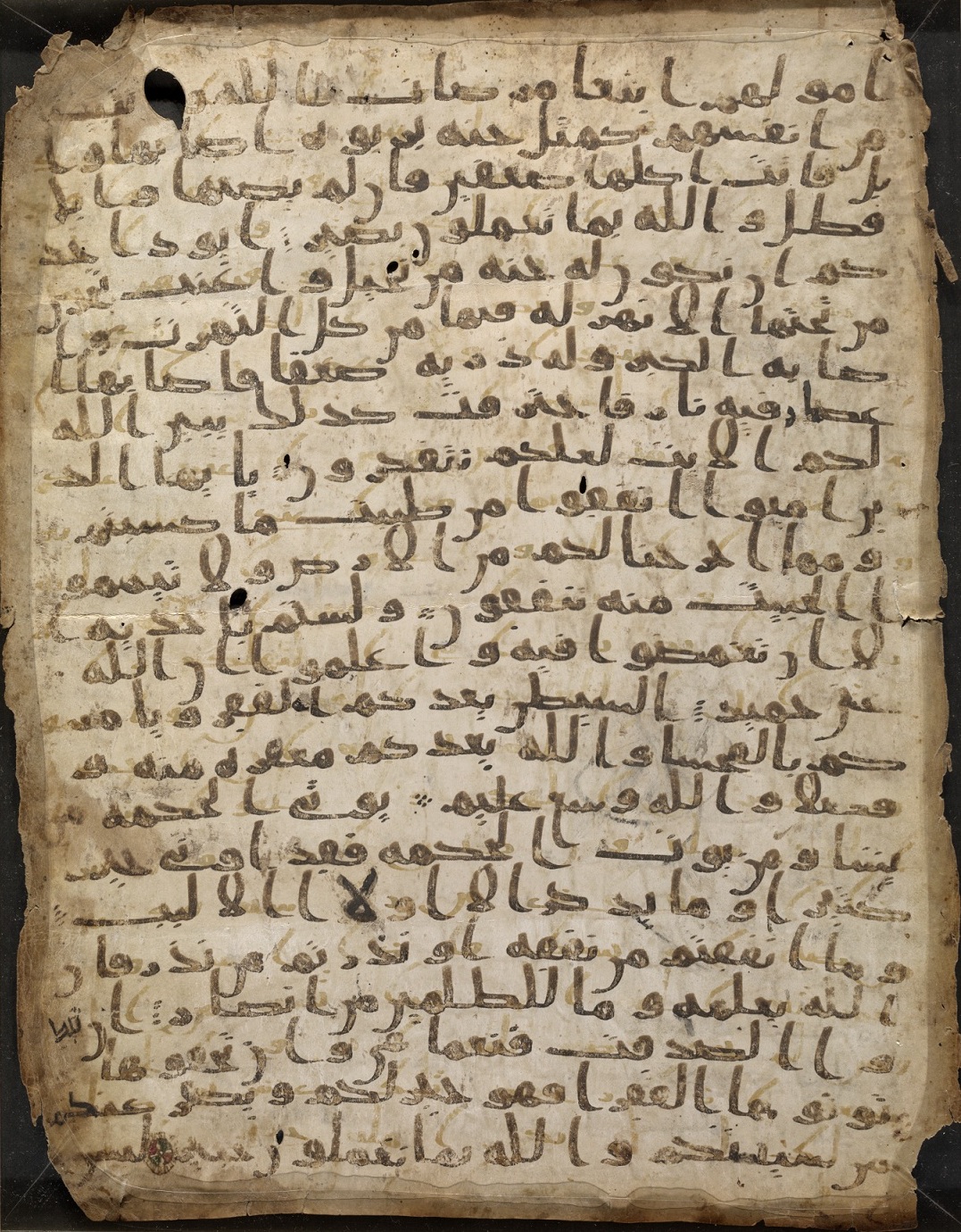
Primary source
Sana'a Manuscript
c. 650 CE
 Book
Secondary source
Futuh al-Buldan
Al-Baladhuri · 9th century
Free account
Read every Abu Bakr source
Sign up free →
Ready when you are
Start chatting with Abu Bakr now.
20 messages free · No credit card · Available in 50+ languages.