


Primary sourceArtifactsecond half of the 10th century
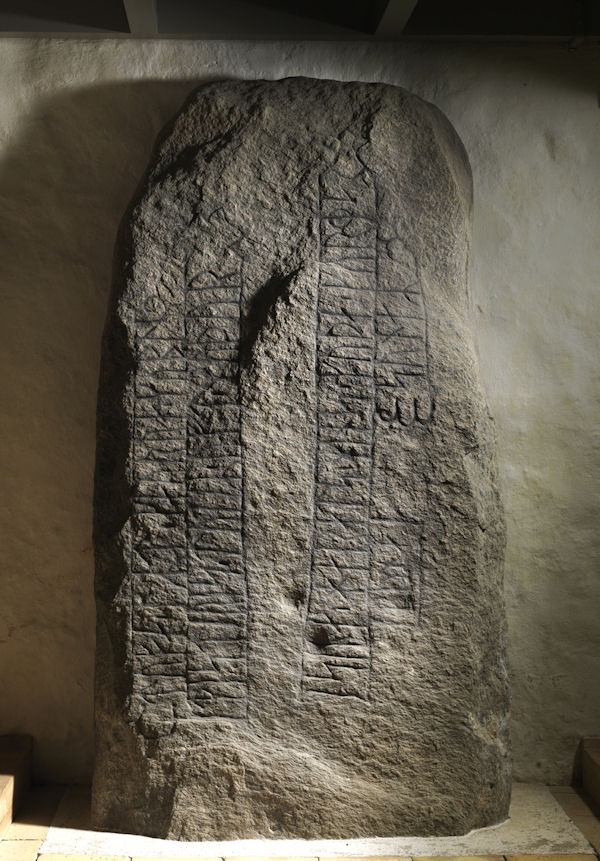
Sønder Vissing Runestone
second half of the 10th century
A runestone raised by Tove, wife of Harald Bluetooth, naming herself as the wife of 'Harald the Good, Gorm's son.'
Raised by Harald's wife Tove, this is the only contemporary record naming Harald and his marriage to a Slavic princess.
About this source
What it is
This runestone stands in Sønder Vissing Church in Jutland, Denmark. It was raised by Tove (Tofa), daughter of a Slavic ruler, in memory of her mother. It dates from the second half of the 10th century and was discovered in 1836 built into the churchyard wall.
Why it matters
The inscription calls Tove the wife of 'Harald the Good, Gorm's son' — very likely Harald Bluetooth. This is the only contemporary record of Harald's marriage to a Slavic princess, and one of the few runestones raised in memory of a woman rather than by a man for a man. It connects Harald's family to the Obodrite Slavs and shows how marriage alliances linked Denmark to its Baltic neighbours.
Look closer
- Why might a woman have paid to raise a stone like this?
- What does it suggest that this is almost our only record of Harald's marriage?
- How does the stone's style connect to other royal monuments of the time, like the Jelling stones?
This artifact is part of the curated material that grounds the AI version of Harald Bluetooth on Humy.ai — when students ask about related events, the AI can quote it and cite it.
More Harald Bluetooth sources
Browse all 41 →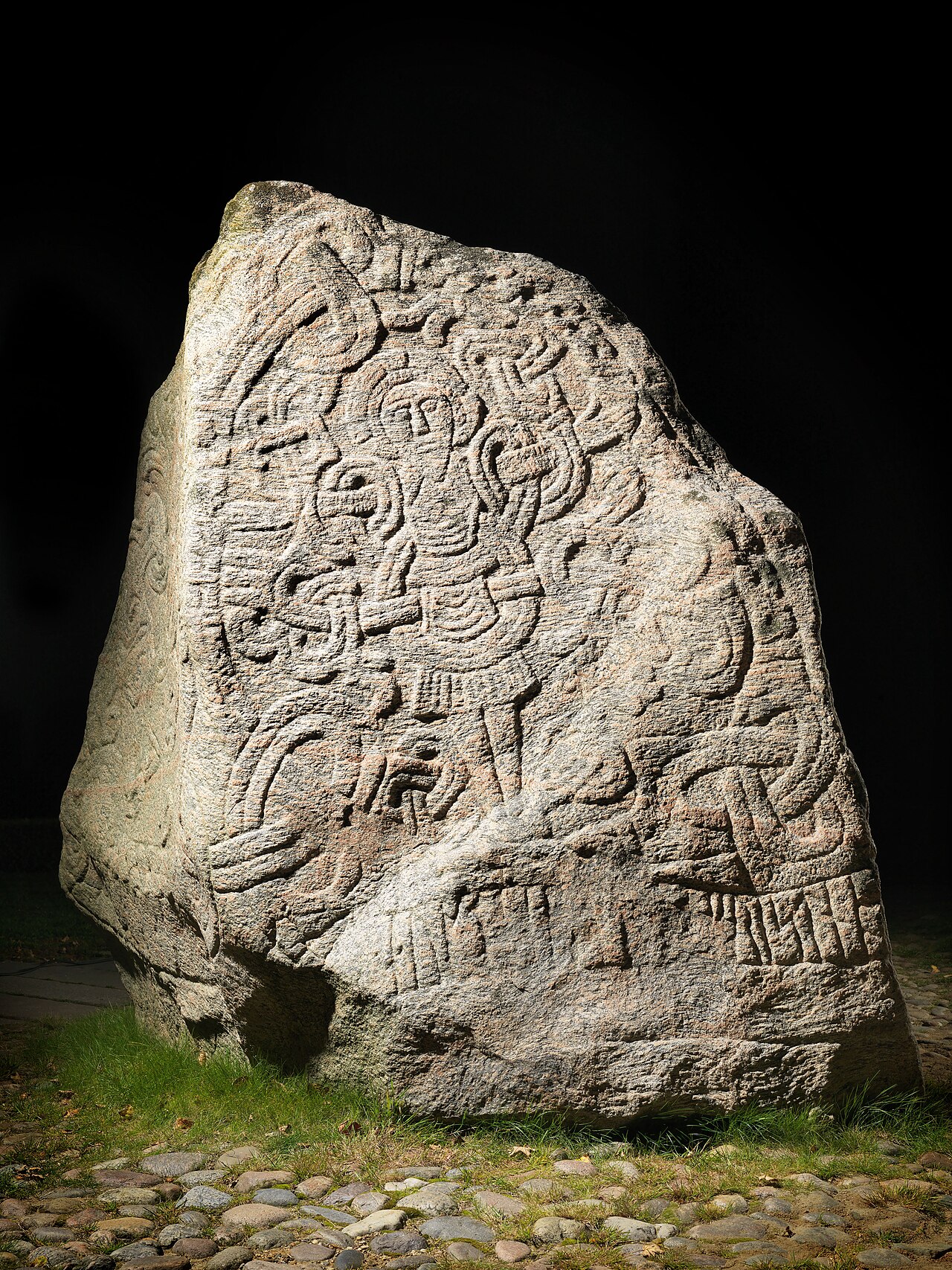 Document
Primary source
Harald's Runestone
Harald Bluetooth · c. 965
 Artifact
Primary source
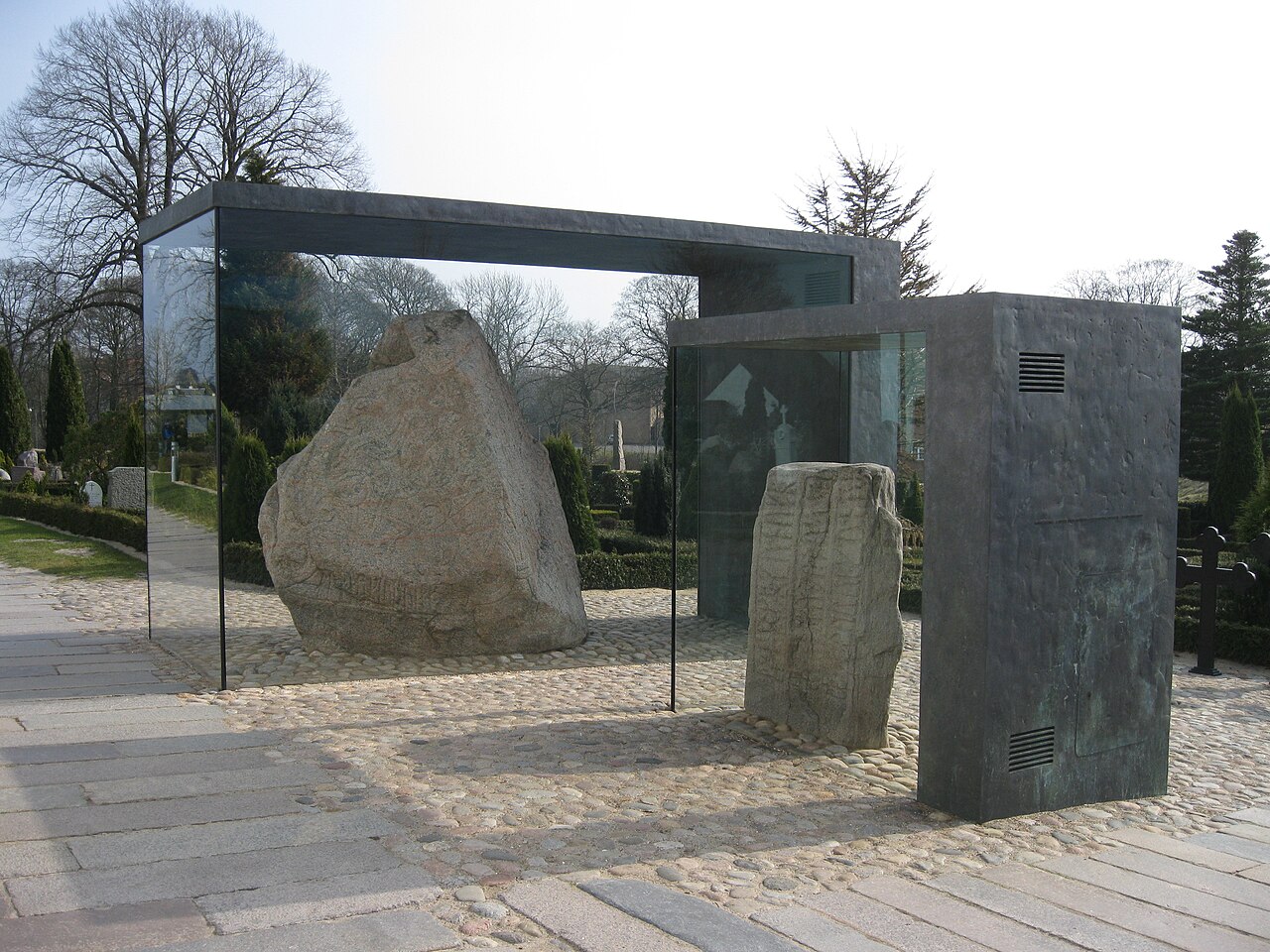
Jelling Stones
10th century
 Book
Secondary source
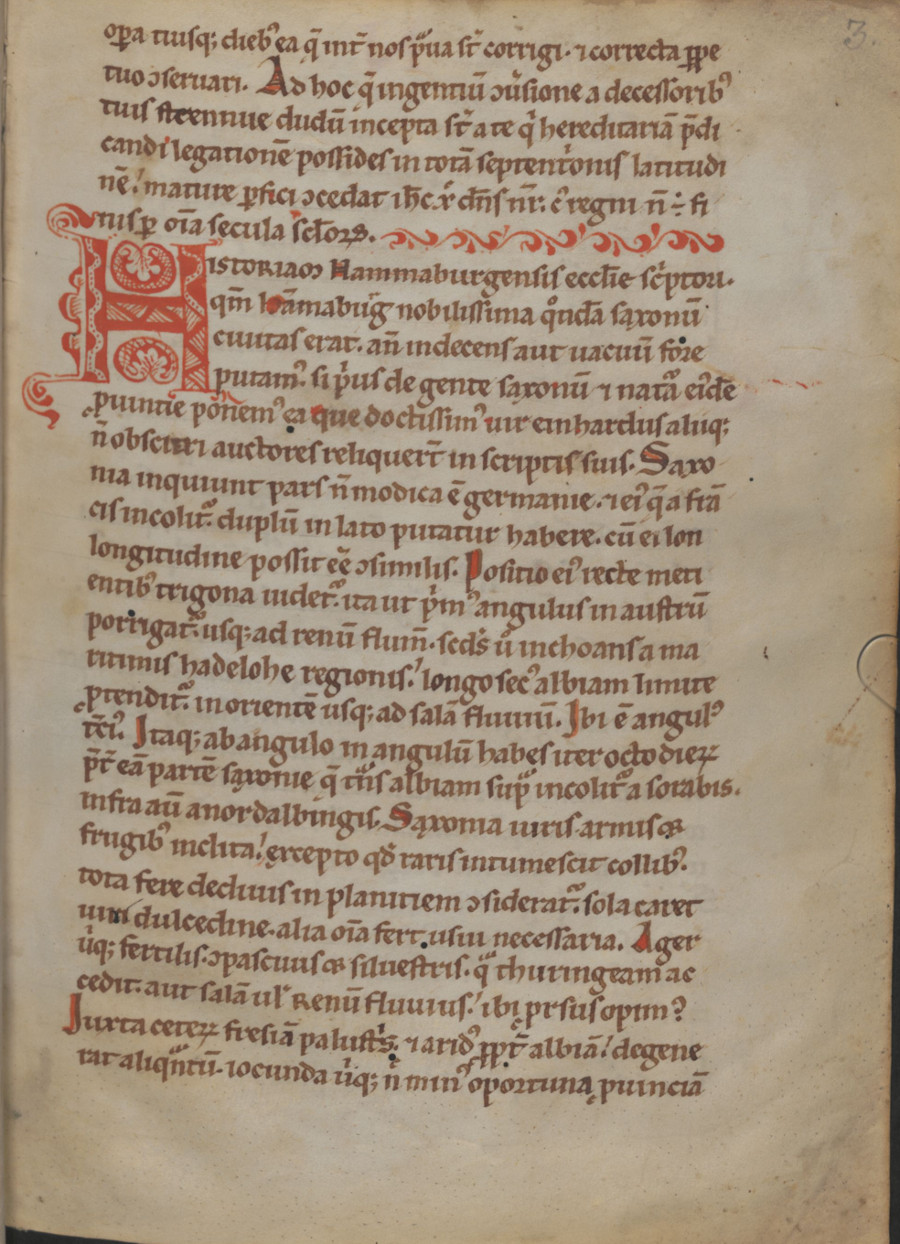
Gesta Hammaburgensis ecclesiae pontificum
Adam of Bremen · 1073-1076
 Artifact
Primary source
Aggersborg
c. 980


Free account
Read every Harald Bluetooth source
Sign up free →
Ready when you are
Start chatting with Harald Bluetooth now.
20 messages free · No credit card · Available in 50+ languages.