


Primary sourceBook1829
Sonnet — To Science
Edgar Allan Poe · 1829
A sonnet by Edgar Allan Poe lamenting that science destroys imagination and mystery, revealing his Romantic literary philosophy.
Poe's own sonnet, used to study his early literary philosophy about imagination versus science.
About this source
What it is
A sonnet written by Edgar Allan Poe in 1829, preserved in his published works and now available through Wikisource.
Why it matters
The poem criticises science for stripping away mystery, myth and imagination. It is often used to show Poe's early views on the conflict between rational inquiry and poetic creativity, a theme that runs through much of his later writing.
Look closer
- Why does Poe call science a 'vulture' with 'dull realities'?
- What mythological figures does he say science has driven away, and why might he choose them?
- What does this poem suggest about what Poe valued most as a writer?
This book is part of the curated material that grounds the AI version of Edgar Allan Poe on Humy.ai — when students ask about related events, the AI can quote it and cite it.
More Edgar Allan Poe sources
Meet the AI Edgar Allan Poe →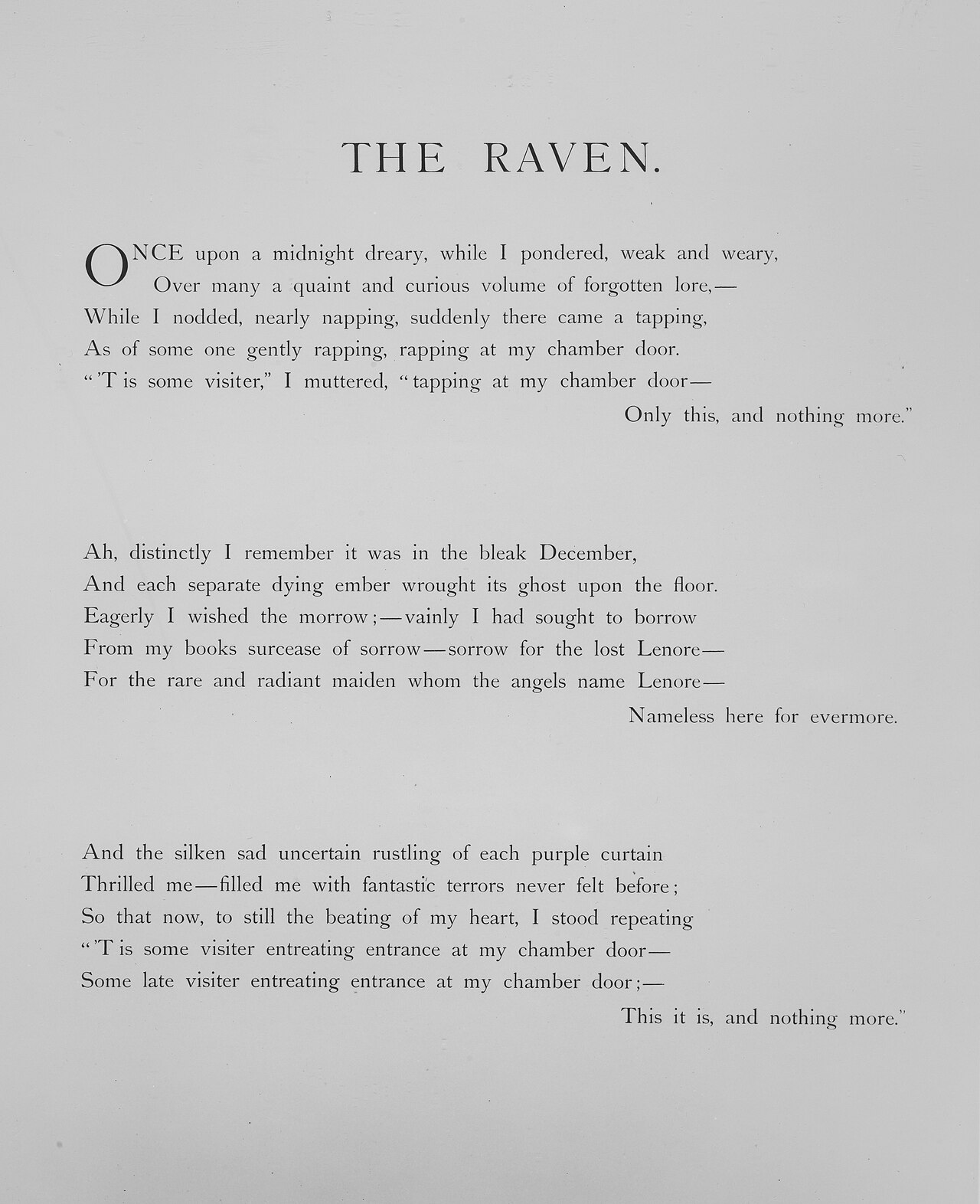 Book
Primary source
The Raven
Edgar Allan Poe · 1845
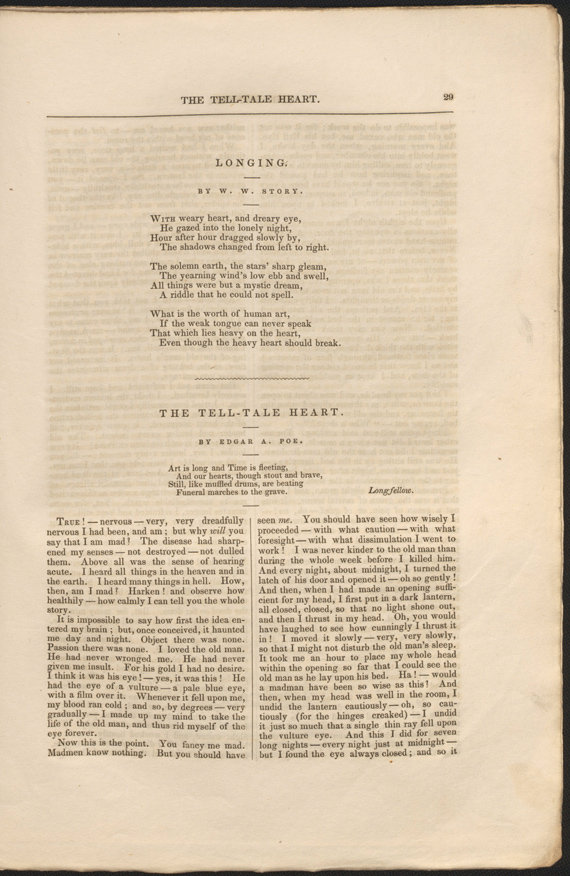 Book
Primary source
The Tell-Tale Heart
Edgar Allan Poe · 1843
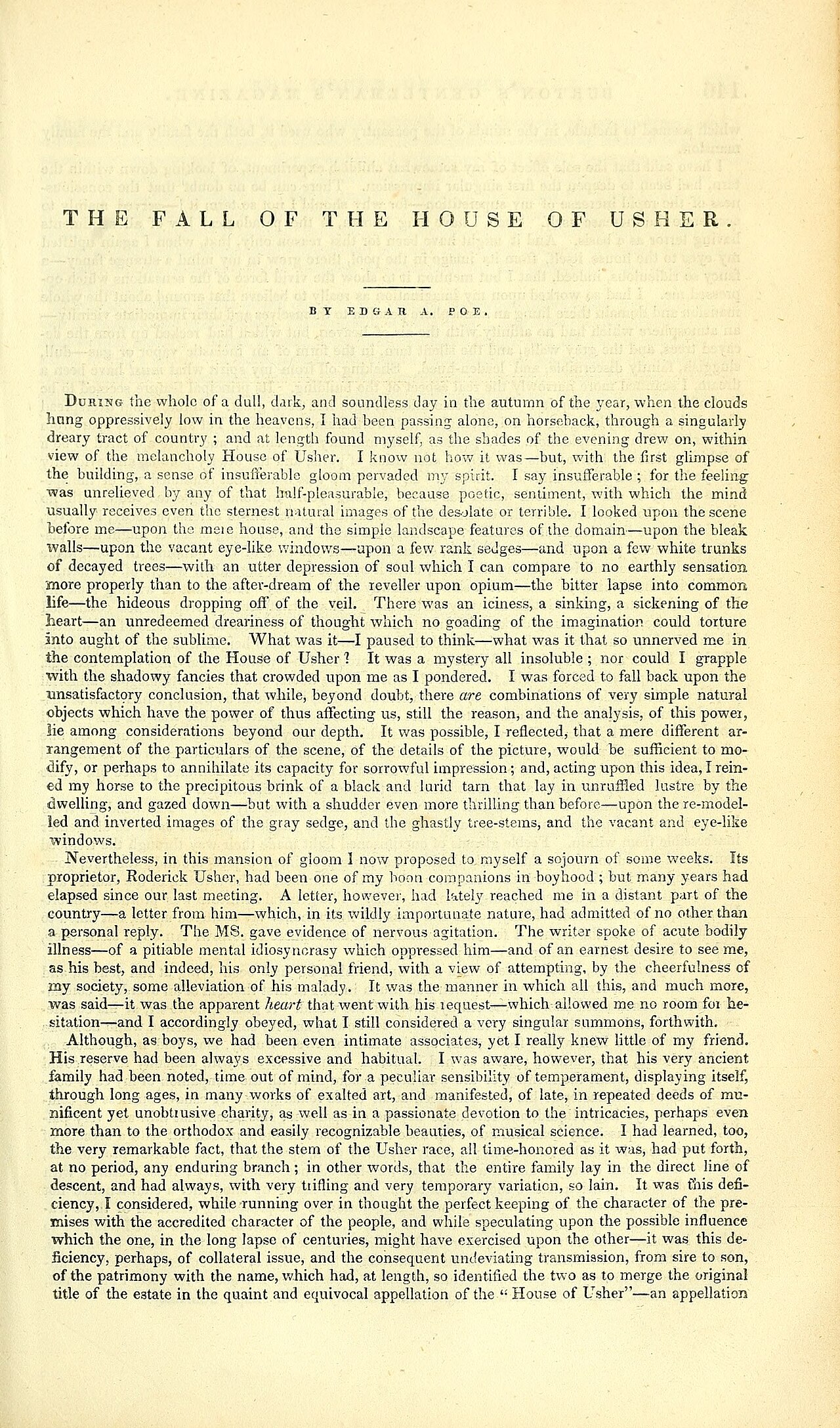 Book
Primary source
The Fall of the House of Usher
Edgar Allan Poe · 1839
 Book
Primary source
The Cask of Amontillado
Edgar Allan Poe · November 1846
 Book
Primary source
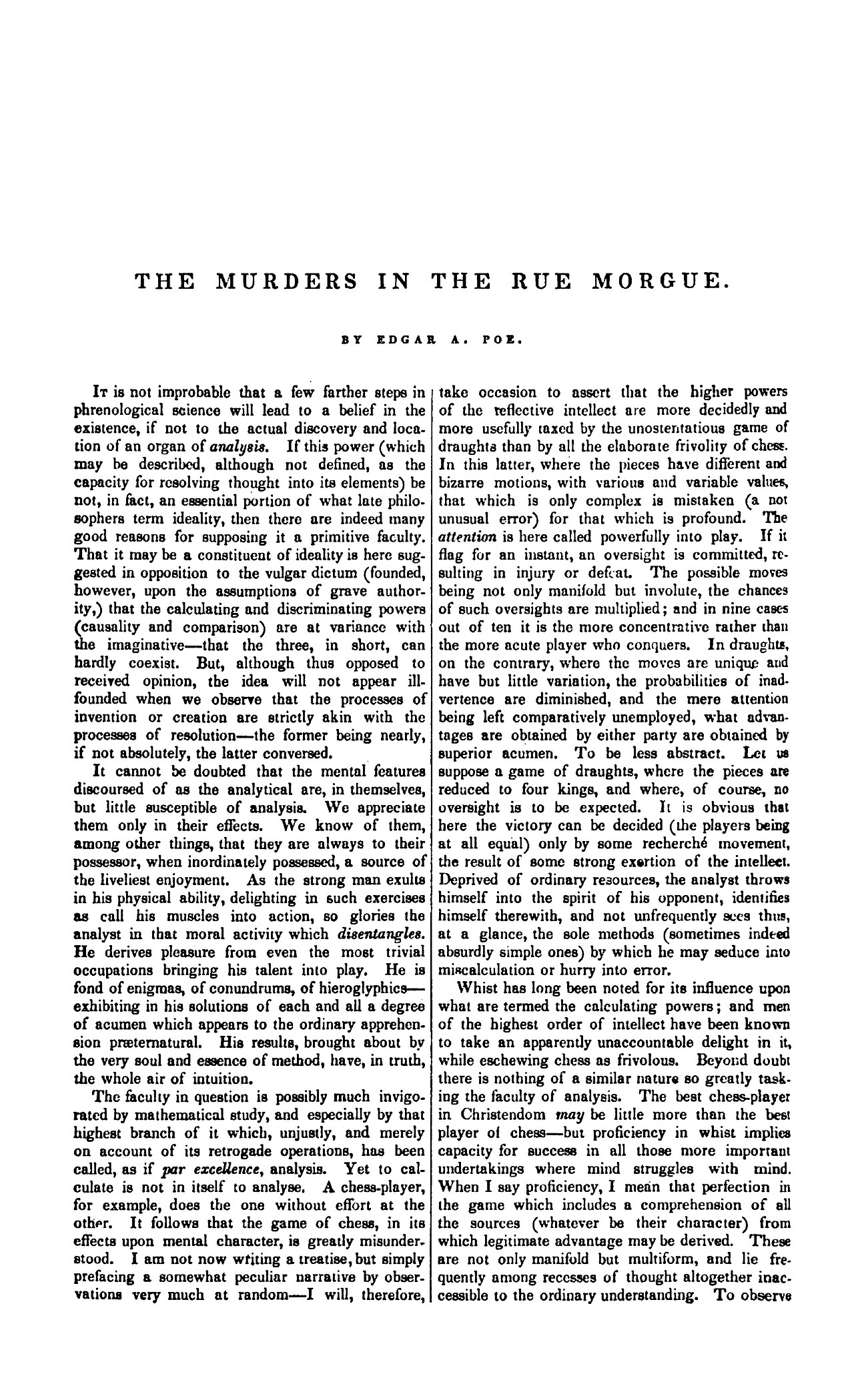
The Murders in the Rue Morgue
Edgar Allan Poe · 1841
Ready when you are
Start chatting with Edgar Allan Poe now.
20 messages free · No credit card · Available in 50+ languages.