


Primary sourceDocument13 April 1941
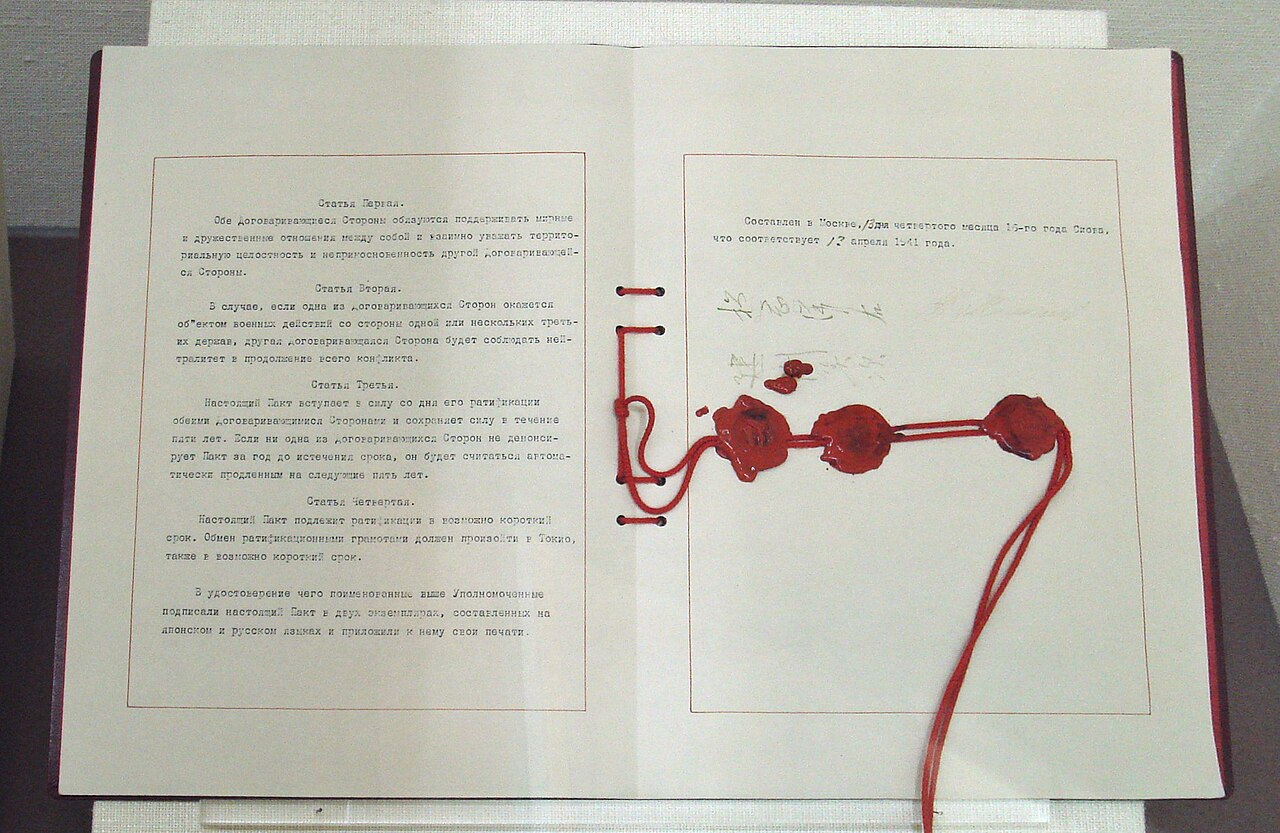
Soviet–Japanese Neutrality Pact
13 April 1941
A 1941 non-aggression pact signed by Molotov and Japanese minister Matsuoka, securing the USSR's eastern border before the German invasion.
Molotov signed this pact with Japan, securing the USSR's eastern flank weeks before the German invasion.
Free Humy account · No credit card · 120,912 sources to read
About this source
What it is
Signed in Moscow on 13 April 1941 by Japanese Foreign Minister Yosuke Matsuoka, Ambassador Yoshitsugu Tatekawa, and Soviet Foreign Commissar Vyacheslav Molotov, this treaty was a non-aggression pact between Japan and the Soviet Union.
Why it matters
The pact let the Soviet Union avoid fighting on two fronts, which mattered greatly just two months before Germany invaded the USSR. It also let Japan turn its attention toward Southeast Asia and the United States instead of the Soviet border. Stalin personally saw Matsuoka off at the train station, an unusual gesture showing how much importance he placed on the deal.
Look closer
- Why might securing peace in the east have mattered so much to the Soviet Union in early 1941?
- What does Stalin's unusual public gesture toward Matsuoka suggest about the pact's importance?
- How did this pact shape decisions made later in the war by Japan and the Soviet Union?
This document is part of the curated material that grounds the AI version of Vyacheslav Molotov and Fumimaro Konoe on Humy.ai — when students ask about related events, the AI can quote it and cite it.
More Vyacheslav Molotov sources
Browse all 87 →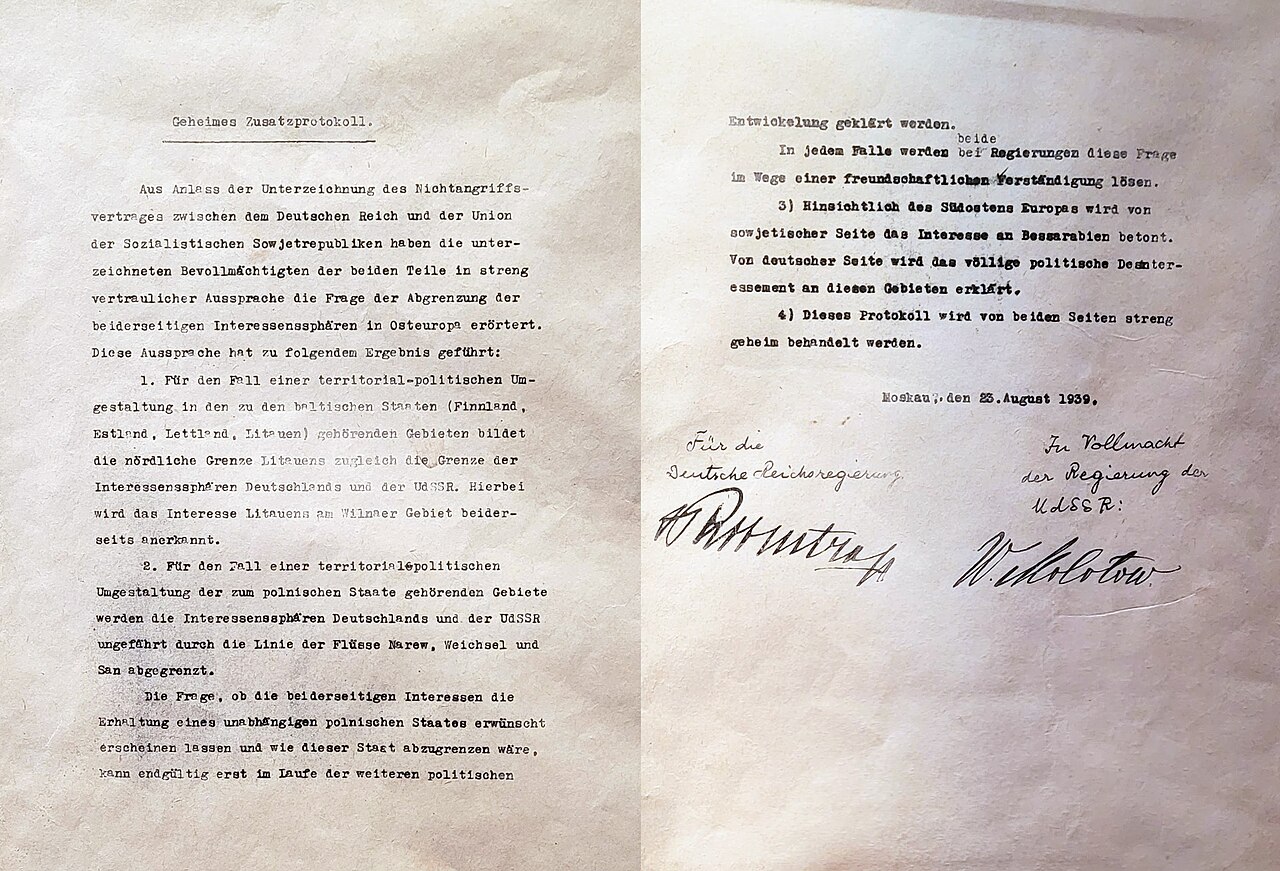 Document
Primary source
Molotov-Ribbentrop Pact
23 August 1939
 Photograph
Primary source
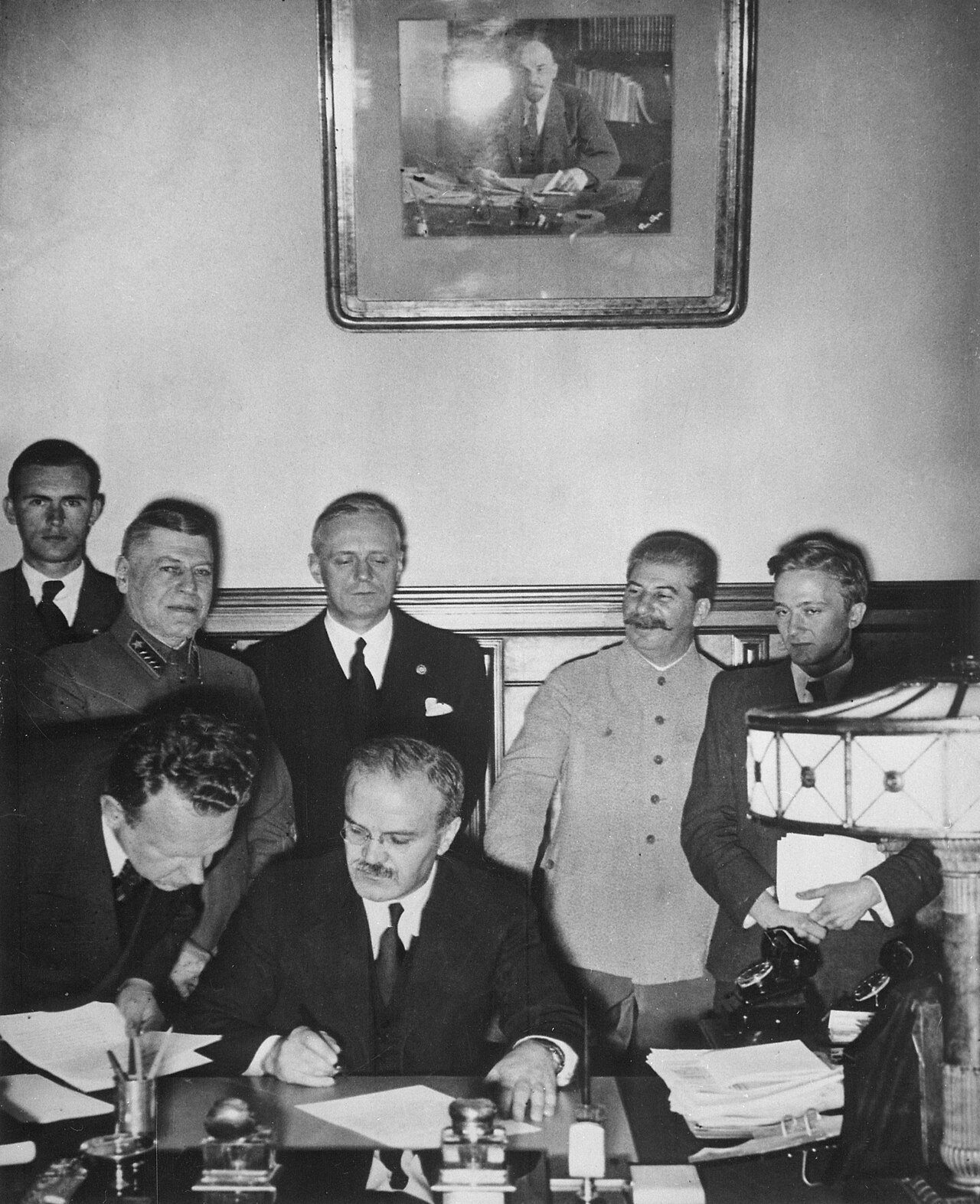
Photograph of Molotov signing the Nazi–Soviet Pact
Unknown photographer (Soviet / German press) · 23 August 1939
Primary source
Radio Speech by Molotov on June 22, 1941
Vyacheslav Molotov · 22 June 1941
 Document
Primary source
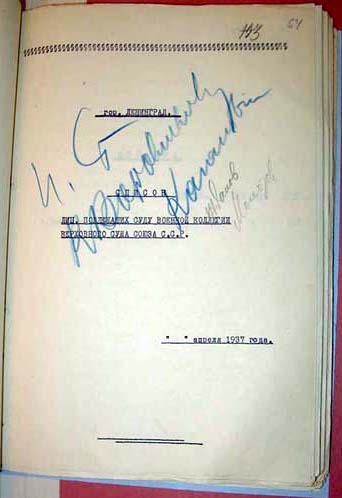
Leningrad Execution List, April 1937
Soviet government · April 1937
Free account
Read every Vyacheslav Molotov source
Sign up free →
Ready when you are
Start chatting with Vyacheslav Molotov now.
20 messages free · No credit card · Available in 50+ languages.