


Secondary sourceSculptureModeled c. 1883, cast 1919–21
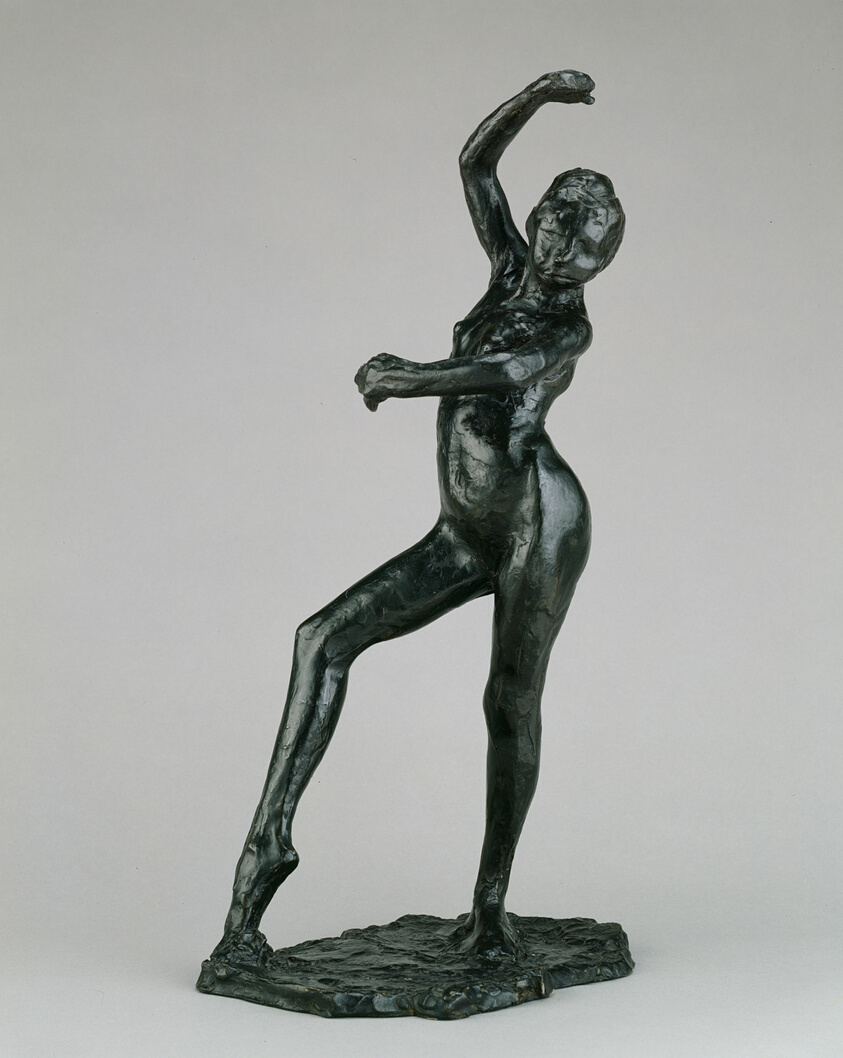
Spanish Dance
Edgar Degas · Modeled c. 1883, cast 1919–21
A bronze statuette of a dancer by Edgar Degas, cast after his death from a wax model he made around 1883.
This sculpture was modeled by Degas himself, extending his lifelong study of dancers into three-dimensional form.
About this source
What it is
This bronze statue of a dancer was modeled by Edgar Degas around 1883. It shows a nude female dancer balanced on one leg, with one arm raised above her head and the other bent across her body. The bronze held by the Art Institute of Chicago was cast between 1919 and 1921, after Degas's death, from his original studio model.
Why it matters
Degas painted and drew dancers throughout his career, and this sculpture shows he also worked in wax to capture movement in three dimensions. Many of his sculptures were never exhibited in his lifetime and were only cast in bronze afterward, so this piece helps show how his private experiments became public art objects, and how his fascination with dance extended beyond canvas.
Look closer
- How does the pose capture a moment of movement rather than a still stance?
- Why might Degas have used sculpture, not just painting, to study dancers?
- What does it mean that this bronze was cast only after the artist died?
This sculpture is part of the curated material that grounds the AI version of Edgar Degas on Humy.ai — when students ask about related events, the AI can quote it and cite it.
More Edgar Degas sources
Browse all 94 →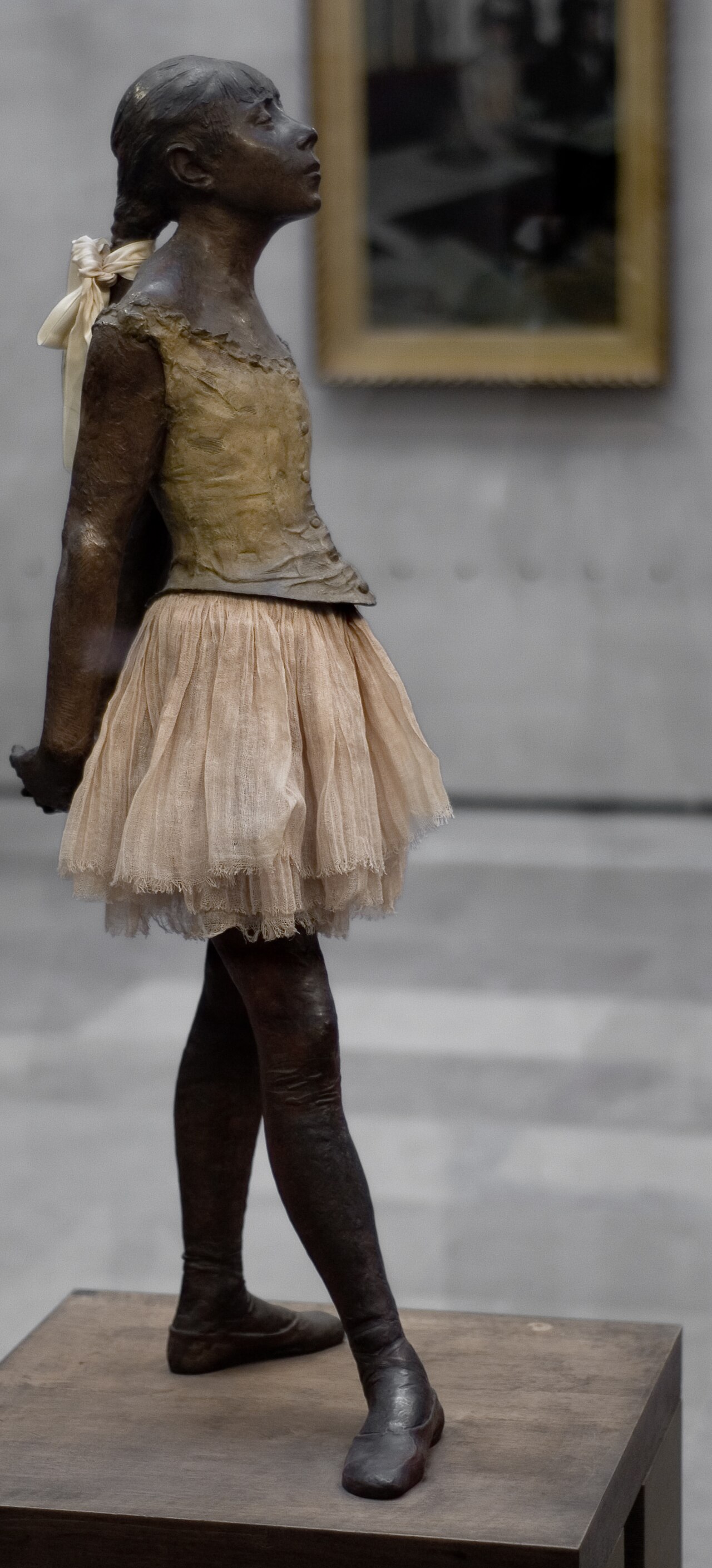 Sculpture
Primary source
Little Dancer of Fourteen Years
Edgar Degas · 1881
 Painting
Primary source
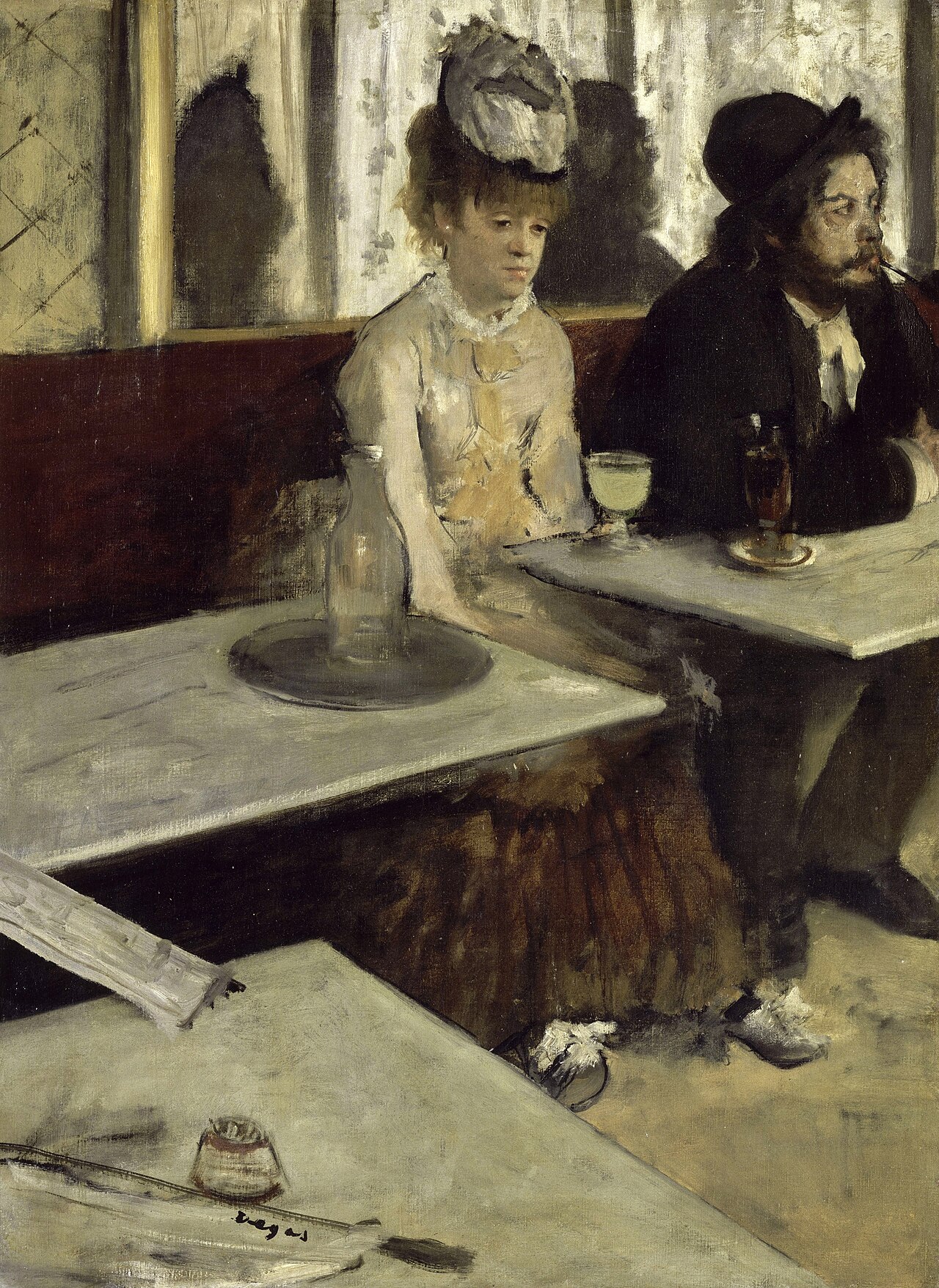
L'Absinthe
Edgar Degas · 1875-1876
 Painting
Primary source
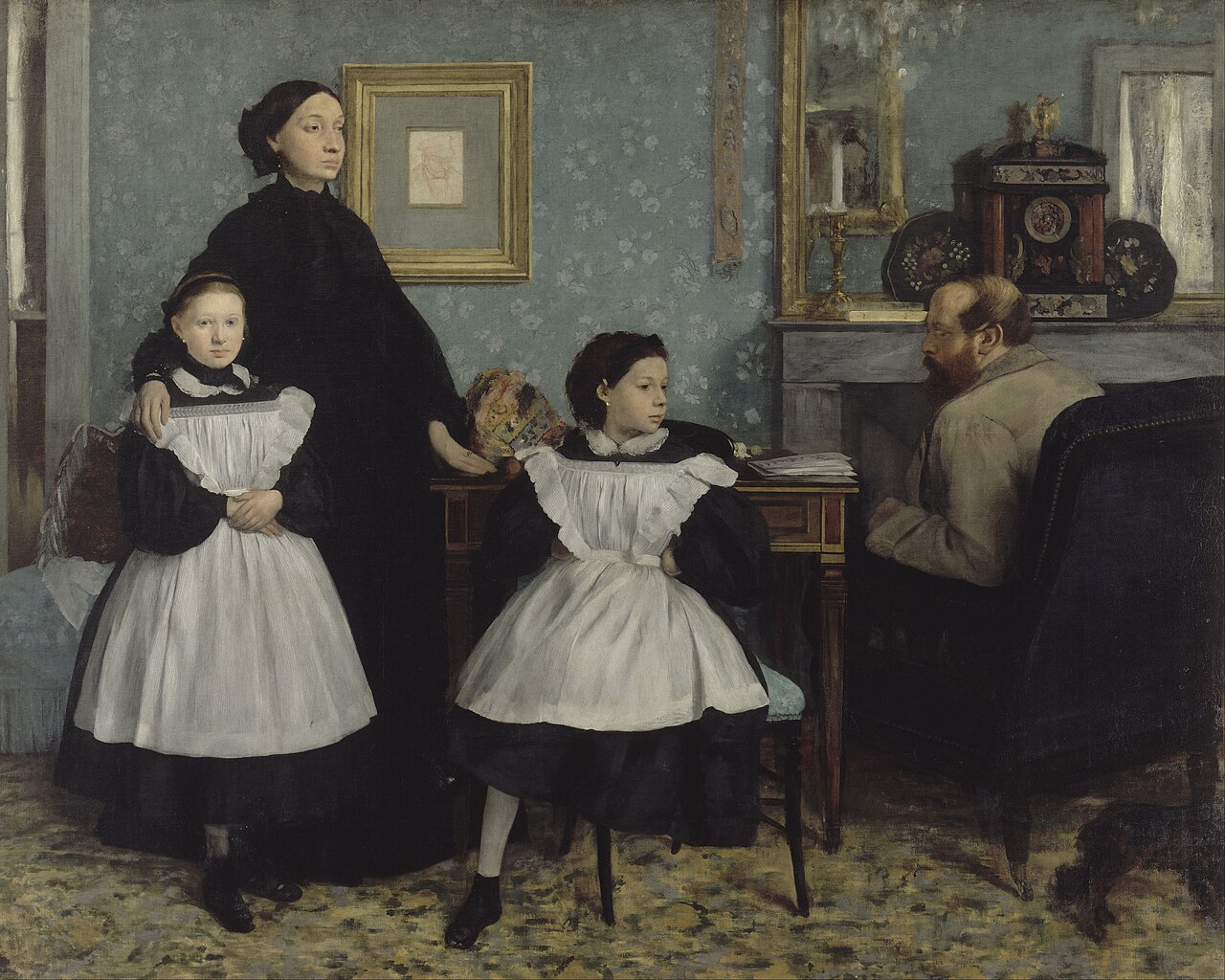
The Bellelli Family
Edgar Degas · c. 1858-1867
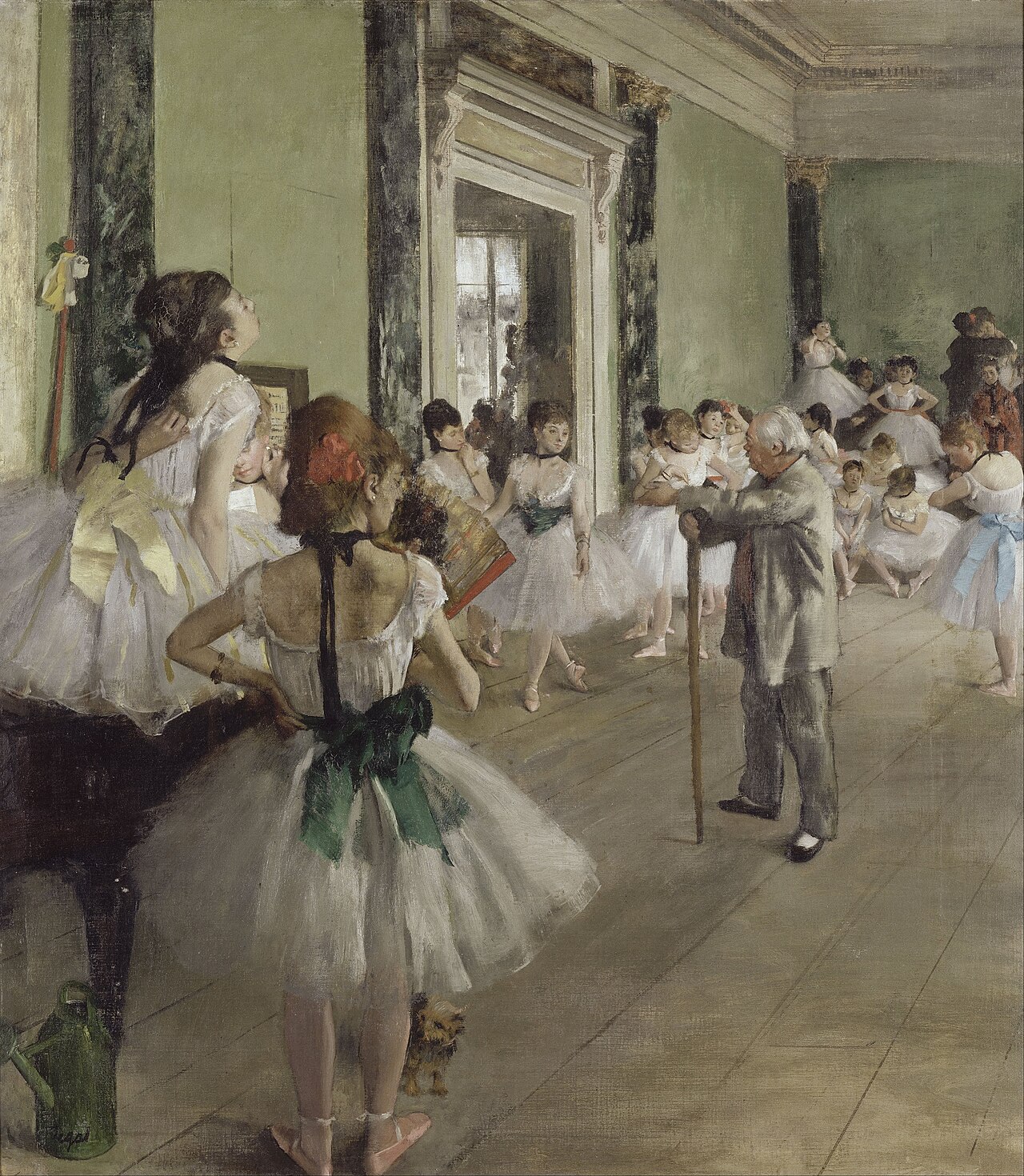 Painting
Primary source
The Ballet Class
Edgar Degas · 1874-1876
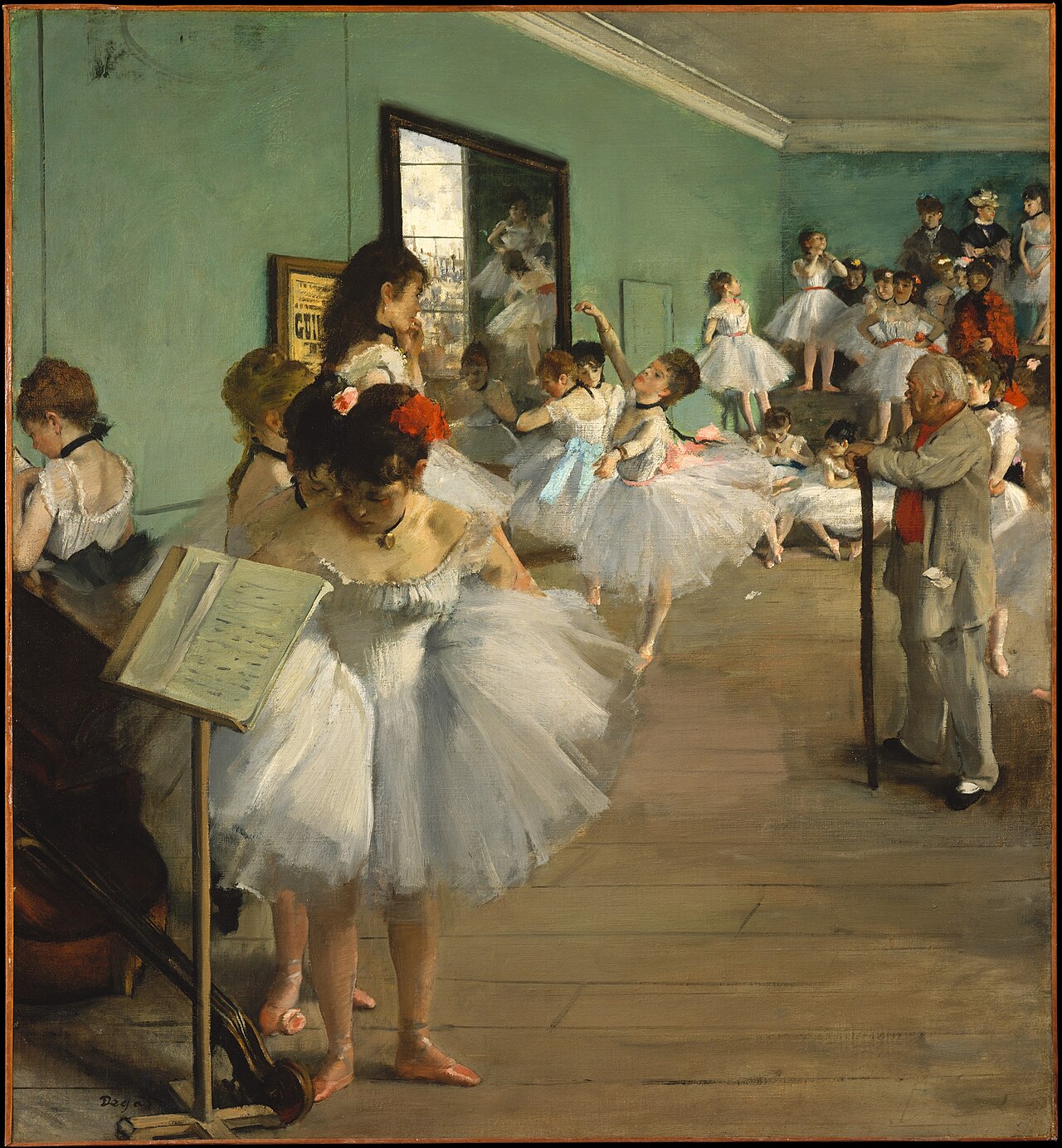
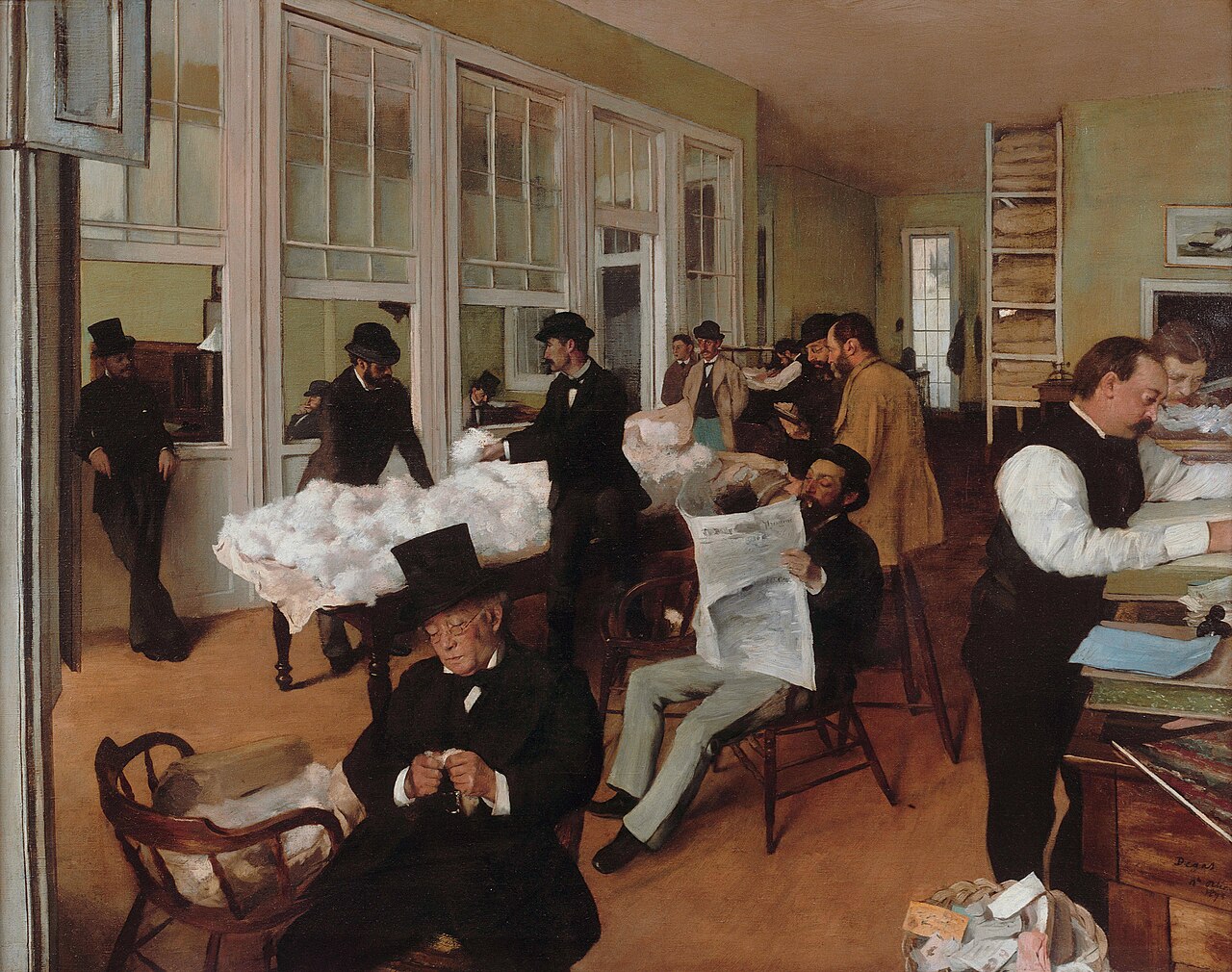
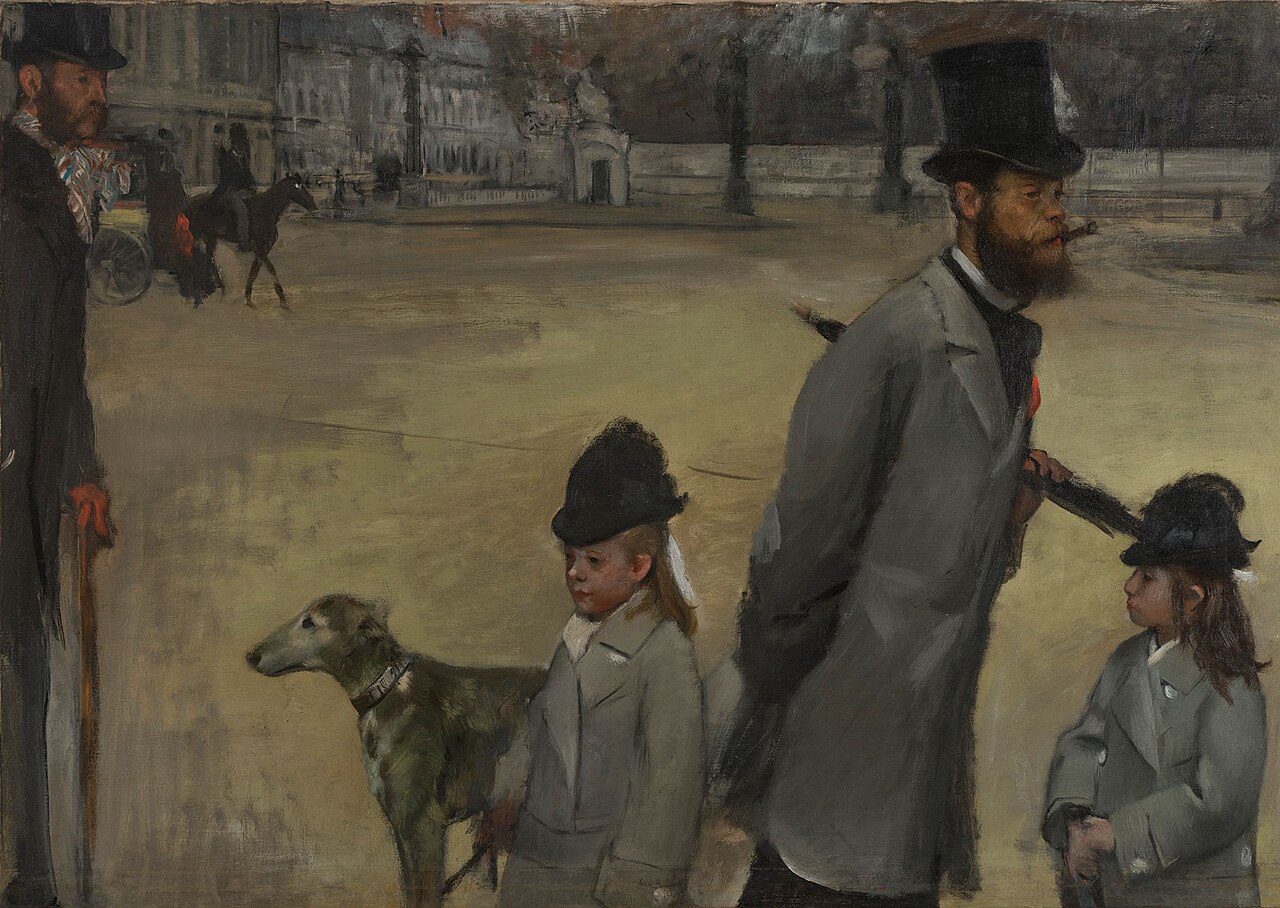
Free account
Read every Edgar Degas source
Sign up free →
Ready when you are
Start chatting with Edgar Degas now.
20 messages free · No credit card · Available in 50+ languages.