


Secondary sourceSculpture1850
Spartacus
Vincenzo Vela · 1850
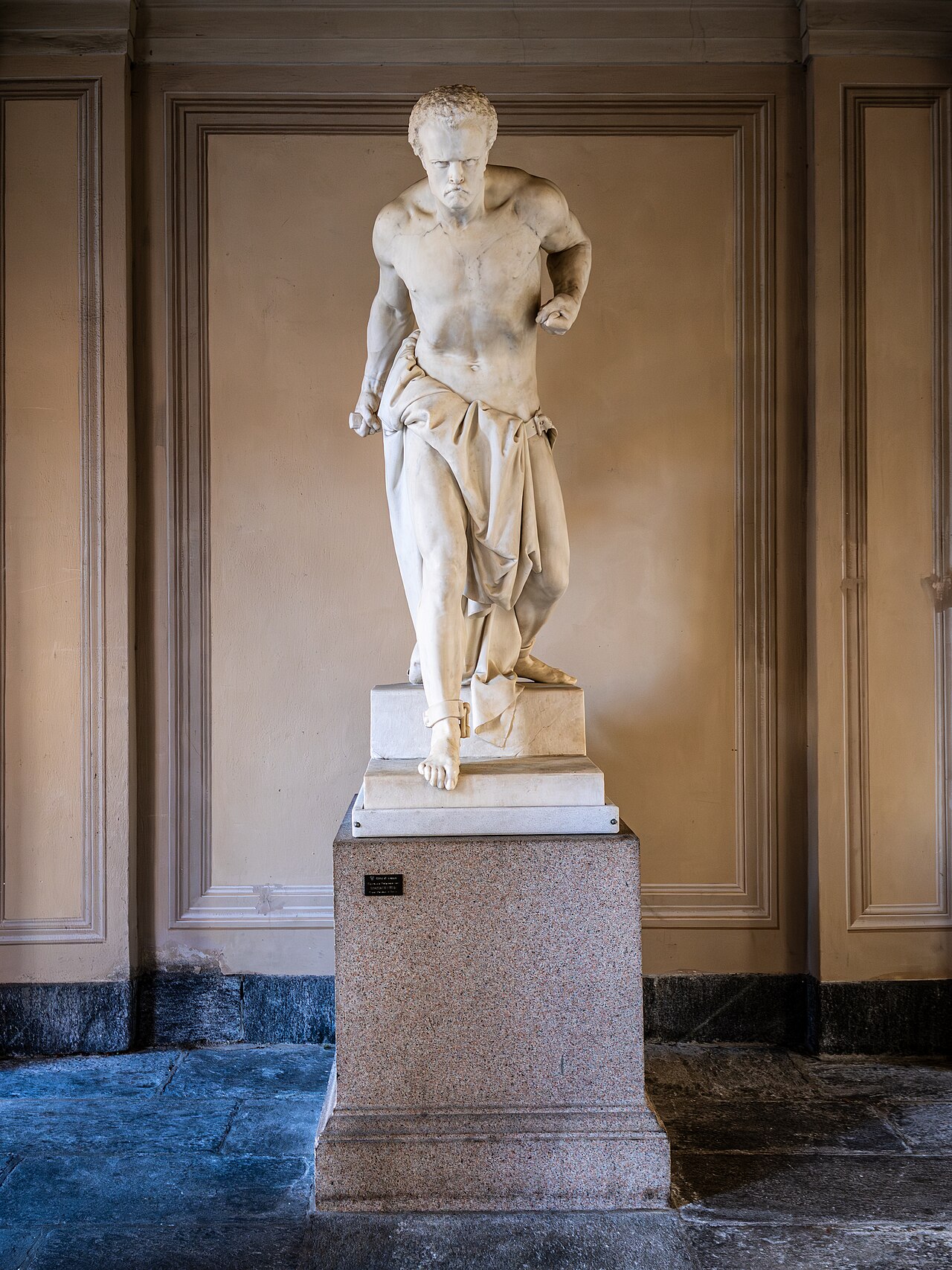
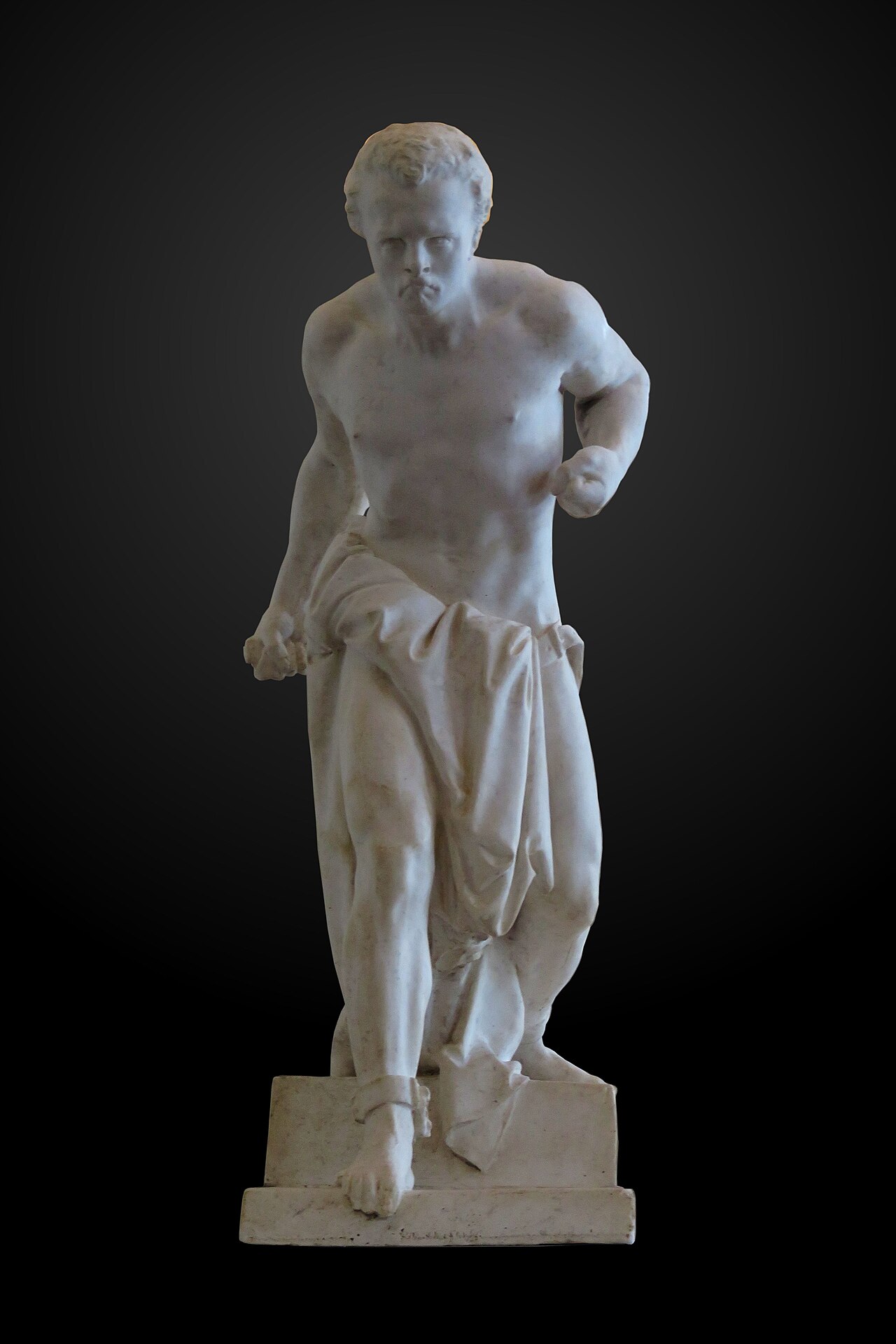
A white marble statue by Vincenzo Vela showing Spartacus breaking his chains, made in 1850 and now in Lugano.
This 1850 statue reimagines Spartacus as a nationalist symbol of liberation, long after his death in 71 BCE.
About this source
What it is
This marble statue of Spartacus was sculpted by Vincenzo Vela in 1850. It shows the gladiator as a muscular, nude figure breaking free of a chain around his ankle, and now stands in the atrium of the Palazzo Civico in Lugano.
Why it matters
Vela's Spartacus was not just about ancient Rome. During the Risorgimento, the movement for Italian unification, people read the statue as a symbol of a people breaking free from foreign rule. It shows how later generations reused Spartacus's story to express their own political hopes.
Look closer
- What does the broken chain suggest about the moment the sculptor chose to show?
- Why might a 19th-century Italian audience connect an ancient slave revolt to their own struggles?
- What does the statue's pose and expression tell you about how Vela wanted viewers to feel?
This sculpture is part of the curated material that grounds the AI version of Spartacus on Humy.ai — when students ask about related events, the AI can quote it and cite it.
More Spartacus sources
Browse all 37 →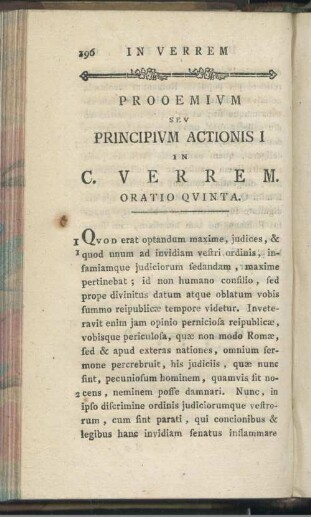 Speech
Primary source
In Verrem
Cicero · 70 BCE
 Book
Secondary source
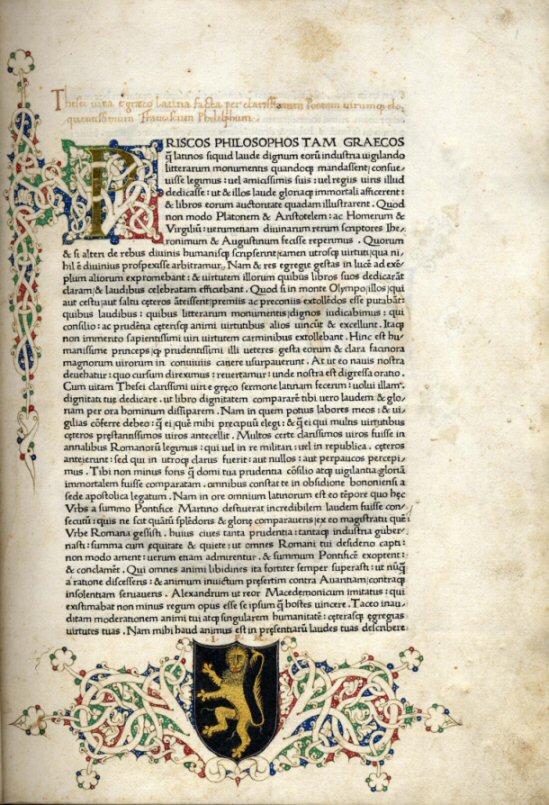
Parallel Lives
Plutarch · c. 100-120 AD
 Artifact
Secondary source
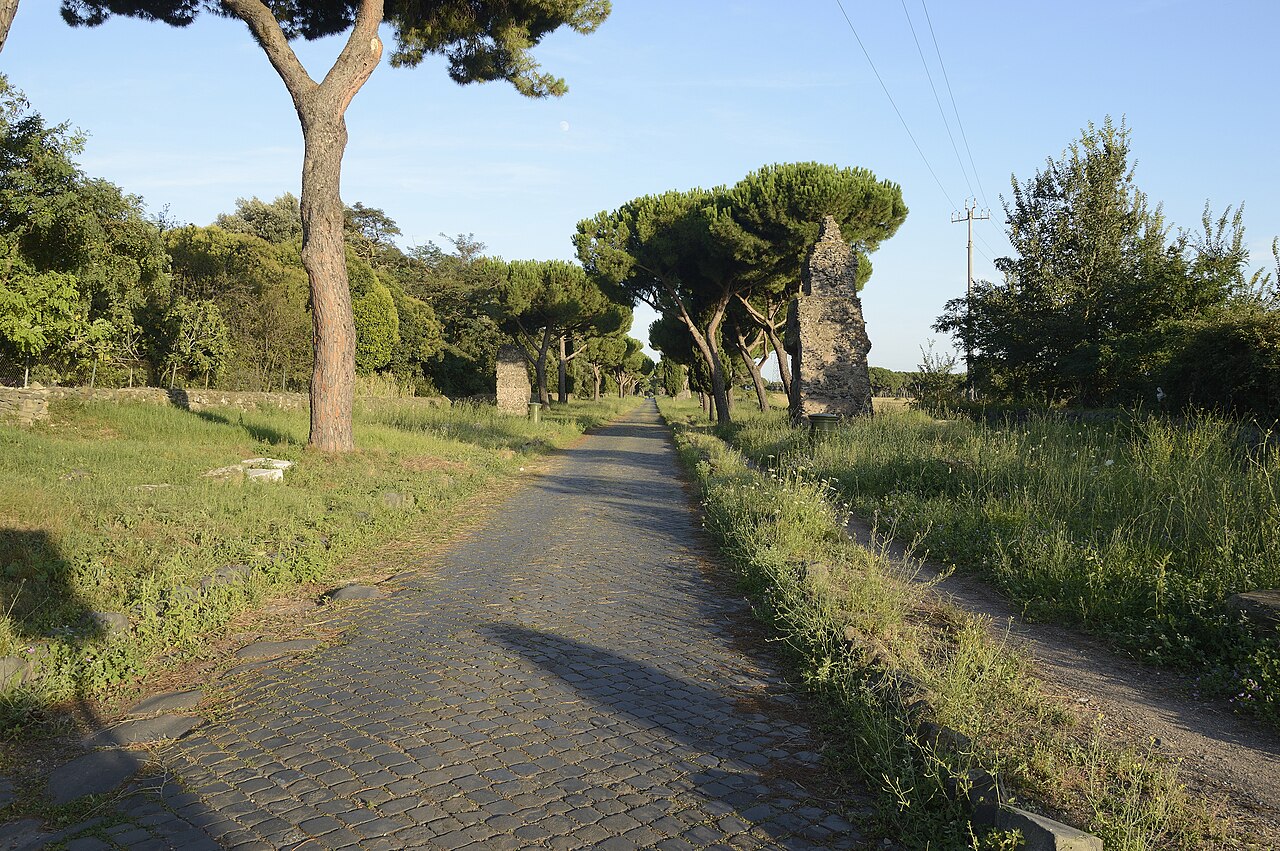
Appian Way
312 BCE
 Book
Primary source
Commentarii de Bello Gallico
Julius Caesar · c. 58-50 BCE (this copy 1469)
Free account
Read every Spartacus source
Sign up free →
Ready when you are
Start chatting with Spartacus now.
20 messages free · No credit card · Available in 50+ languages.