


Secondary sourceSculpture1830
Spartacus
Denis Foyatier · 1830
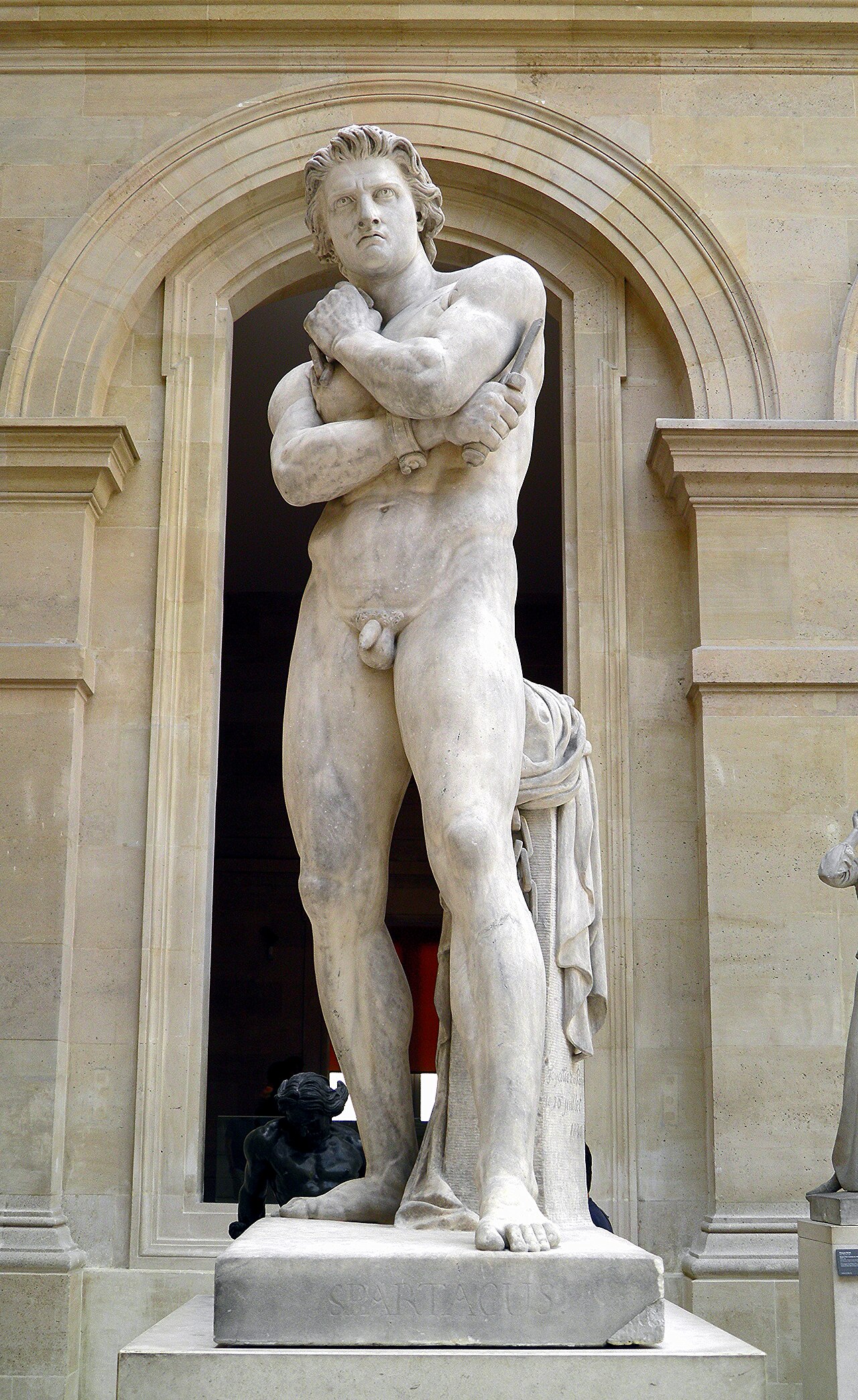
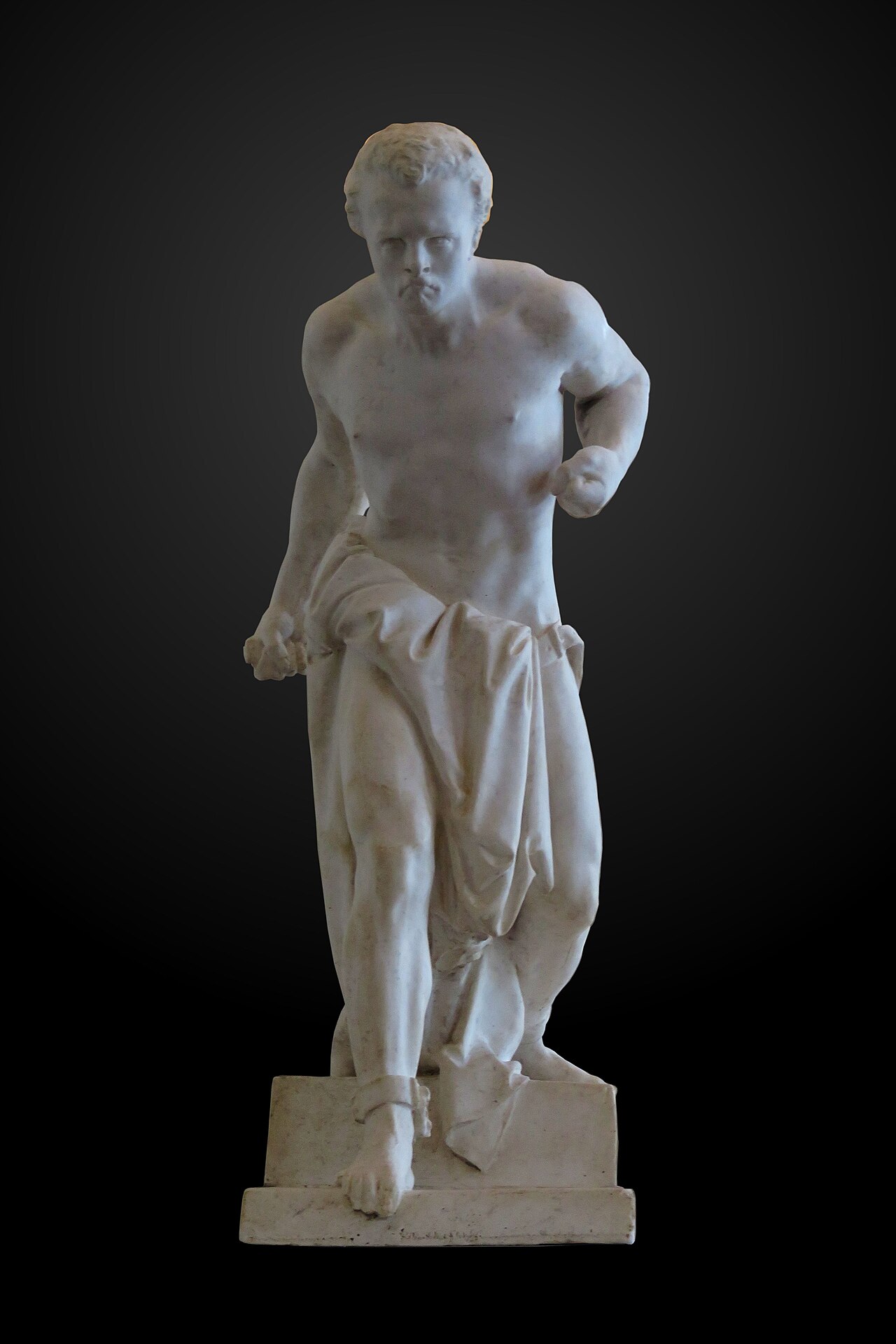
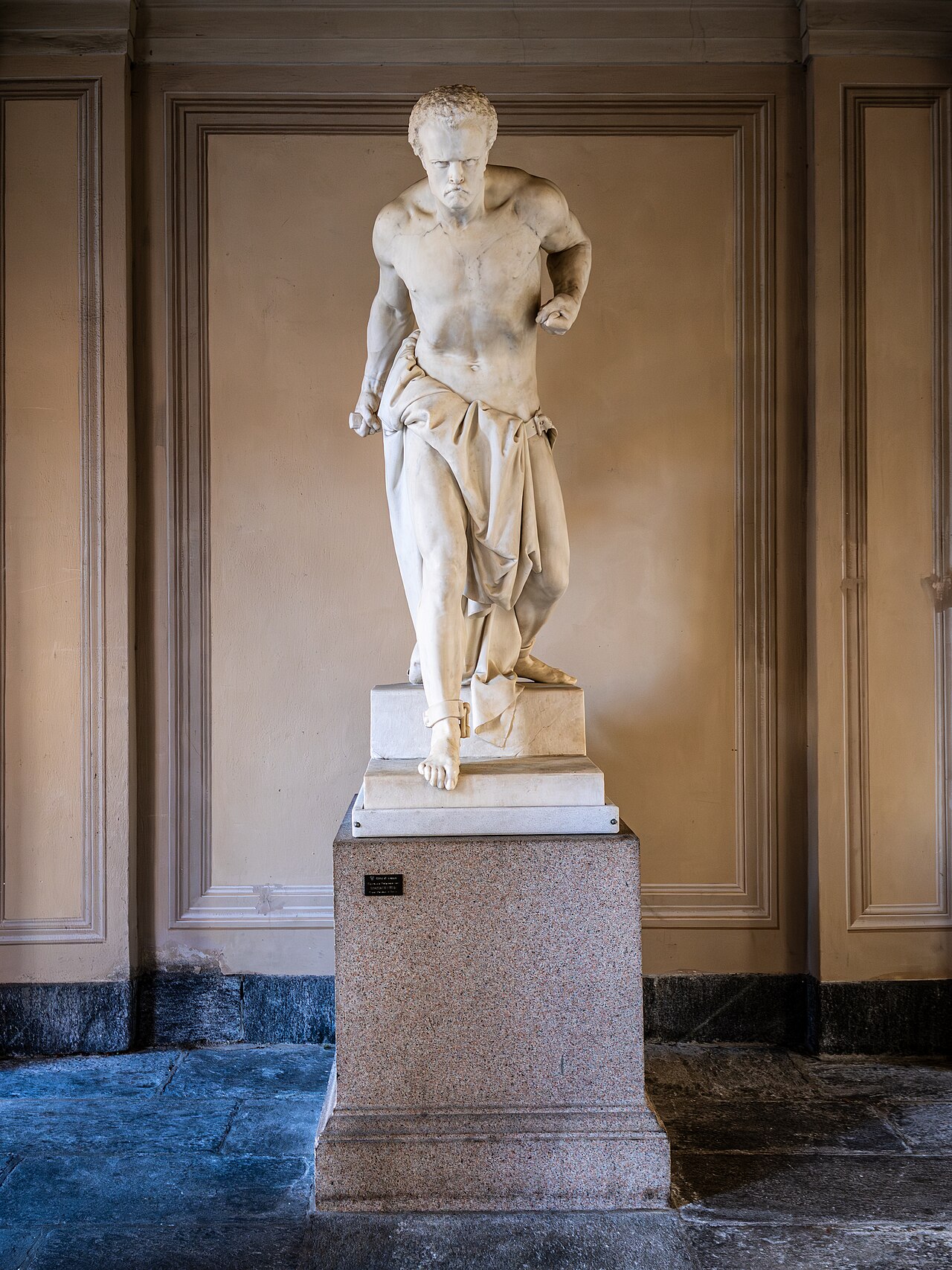
A famous 1830 marble statue by Denis Foyatier showing a bound Spartacus, made as a symbol of liberty in post-revolutionary France.
This celebrated statue reimagines Spartacus bound in chains as a symbol of liberty for post-1830 France.
About this source
What it is
This marble statue was created in 1830 by the French sculptor Denis Foyatier. It shows Spartacus with his wrists bound, looking upward, and is held by the Department of Sculptures of the Louvre, having originally stood in the Tuileries.
Why it matters
Made in the year of a French revolution, the statue turned Spartacus into a symbol of liberty for 19th-century France. It is the most famous later artistic image of him, showing how a rebel from ancient Rome could be reshaped to express ideas about freedom and resistance centuries later.
Look closer
- Why might Spartacus be shown bound rather than fighting or free?
- What does the small crouching bronze figure at his foot suggest about the scene?
- How does this statue reflect the politics of France in 1830 rather than events of Spartacus's own time?
This sculpture is part of the curated material that grounds the AI version of Spartacus on Humy.ai — when students ask about related events, the AI can quote it and cite it.
More Spartacus sources
Browse all 37 →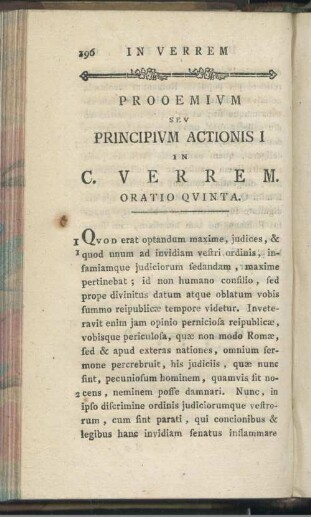 Speech
Primary source
In Verrem
Cicero · 70 BCE
 Book
Secondary source
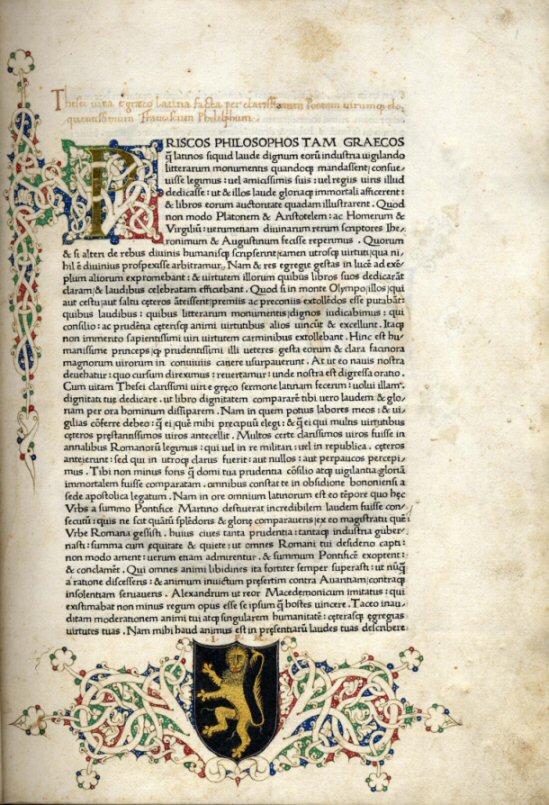
Parallel Lives
Plutarch · c. 100-120 AD
 Artifact
Secondary source
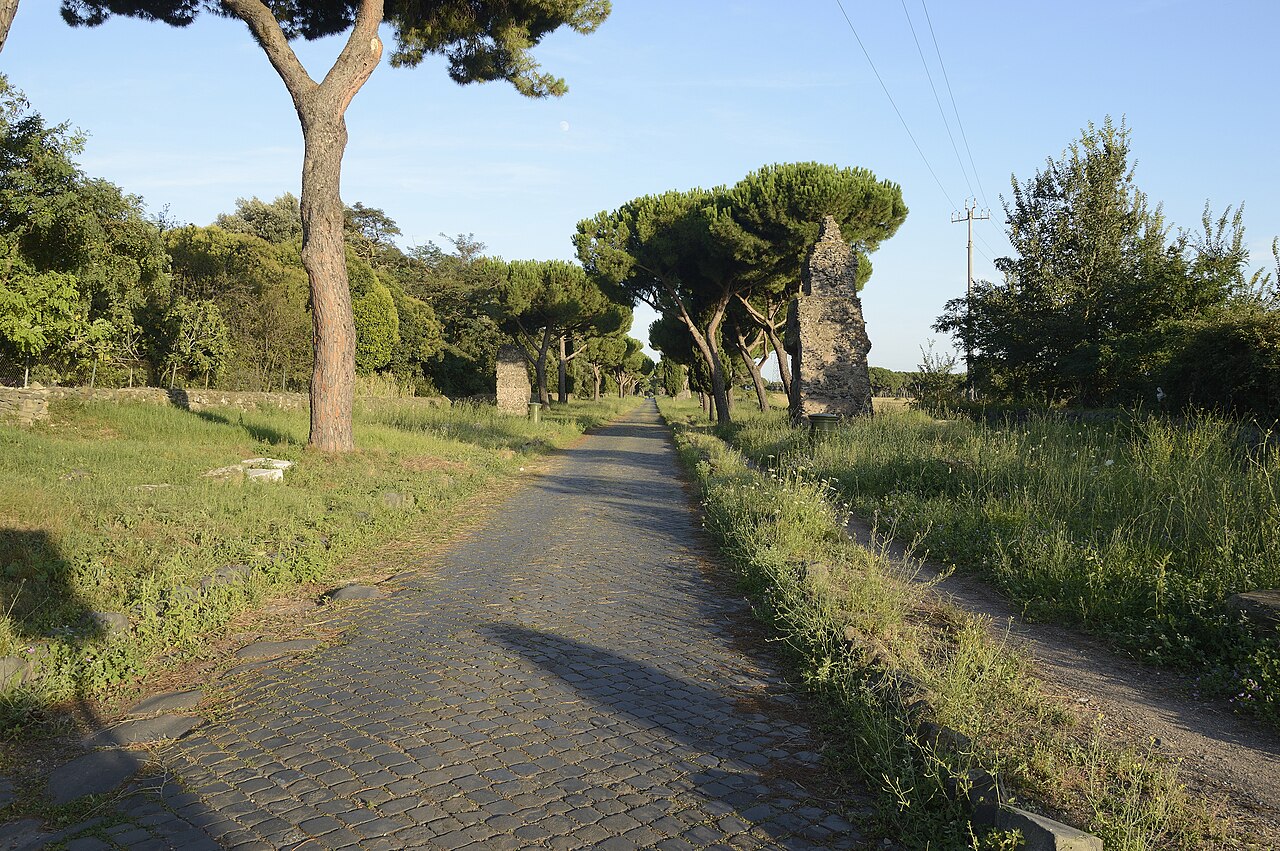
Appian Way
312 BCE
 Book
Primary source
Commentarii de Bello Gallico
Julius Caesar · c. 58-50 BCE (this copy 1469)
Free account
Read every Spartacus source
Sign up free →
Ready when you are
Start chatting with Spartacus now.
20 messages free · No credit card · Available in 50+ languages.