


Secondary sourcePainting1675-1741 (artist's lifetime)
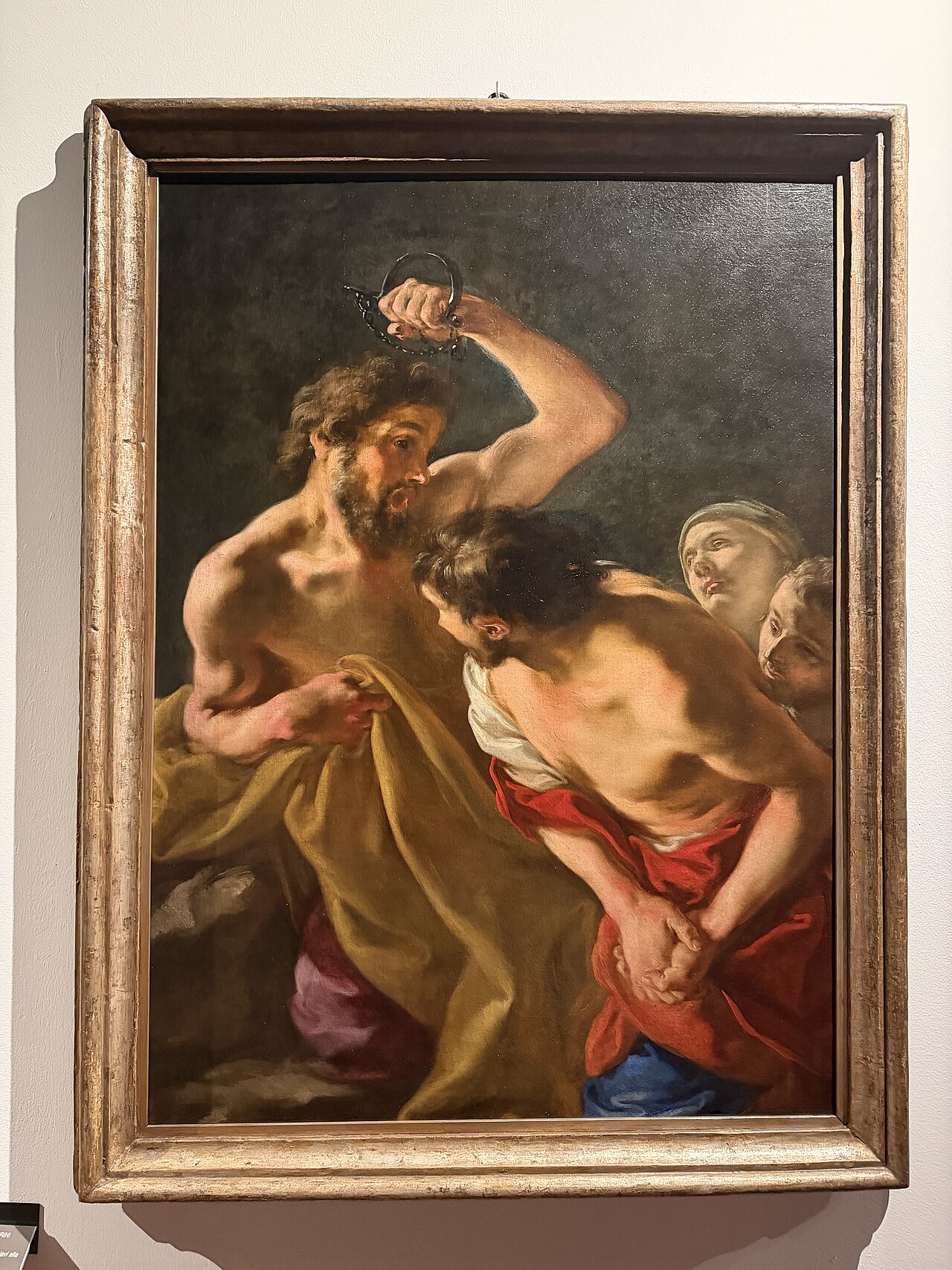
Spartacus Incites the Slaves to Revolt
Antonio Pellegrini · 1675-1741 (artist's lifetime)
An early 18th-century painting by Antonio Pellegrini showing Spartacus rallying fellow slaves to rebel.
An 18th-century artistic imagining of Spartacus urging fellow slaves to join his revolt.
About this source
What it is
This is an oil painting by the Venetian artist Antonio Pellegrini (1675–1741), held in the Museo Civico di Padova in Italy. It shows a bearded, shirtless man raising an iron shackle above his head while another bound man looks up at him, with two women watching from the background.
Why it matters
The painting imagines the moment Spartacus called on his fellow slaves to revolt. Made nearly 1,800 years after Spartacus lived, it reflects how 18th-century Italian artists and patrons viewed the story — as a dramatic, emotional scene about courage and freedom rather than a historically accurate record.
Look closer
- What emotions does the painter try to create through the poses and gestures of the figures?
- Why might the artist have chosen to show the moment of raising the shackle rather than another scene from the revolt?
- What can and can't a painting made so long after the events tell us about what really happened?
This painting is part of the curated material that grounds the AI version of Spartacus on Humy.ai — when students ask about related events, the AI can quote it and cite it.
More Spartacus sources
Browse all 37 →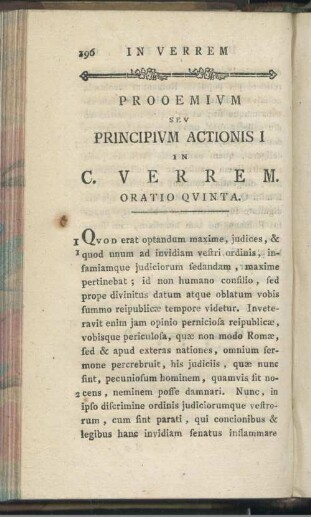 Speech
Primary source
In Verrem
Cicero · 70 BCE
 Book
Secondary source
Parallel Lives
Plutarch · c. 100-120 AD
 Artifact
Secondary source
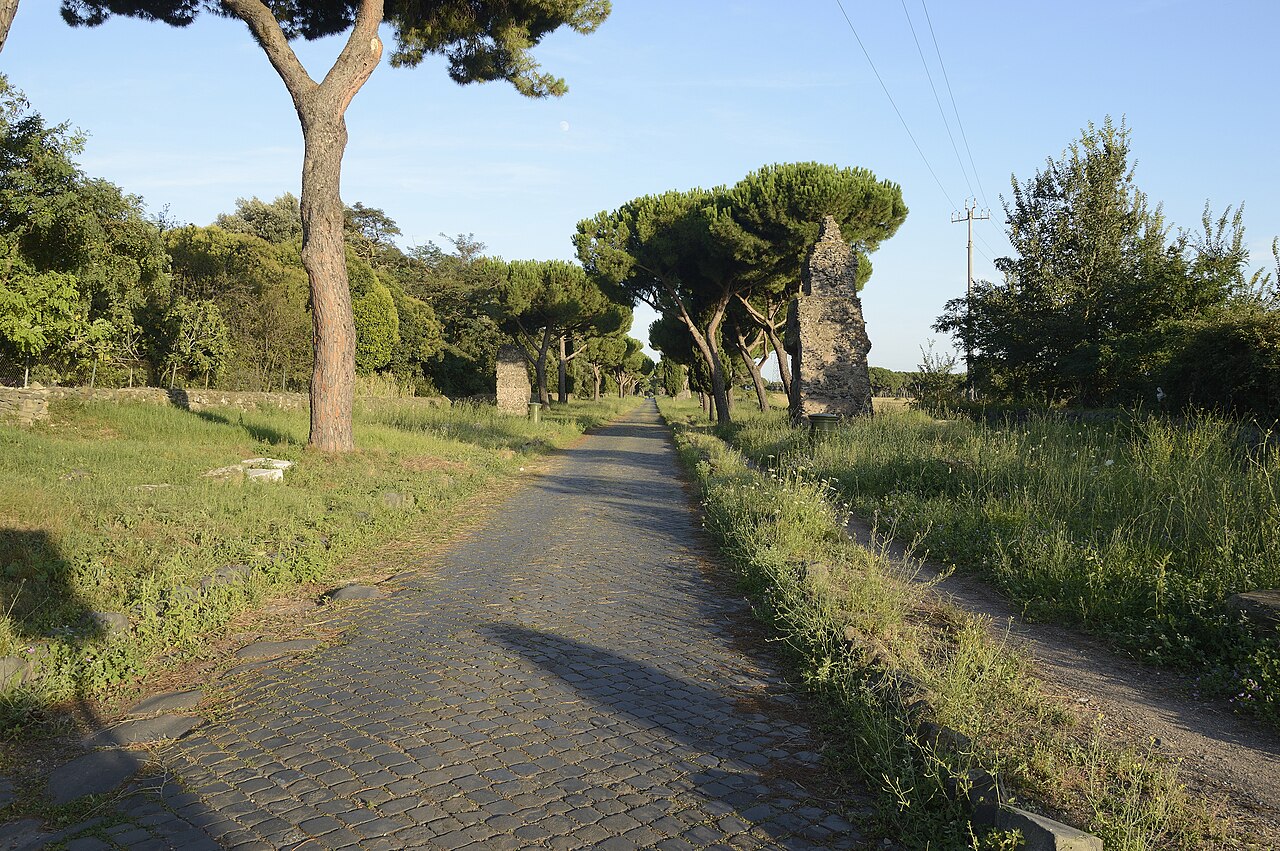
Appian Way
312 BCE
 Book
Primary source
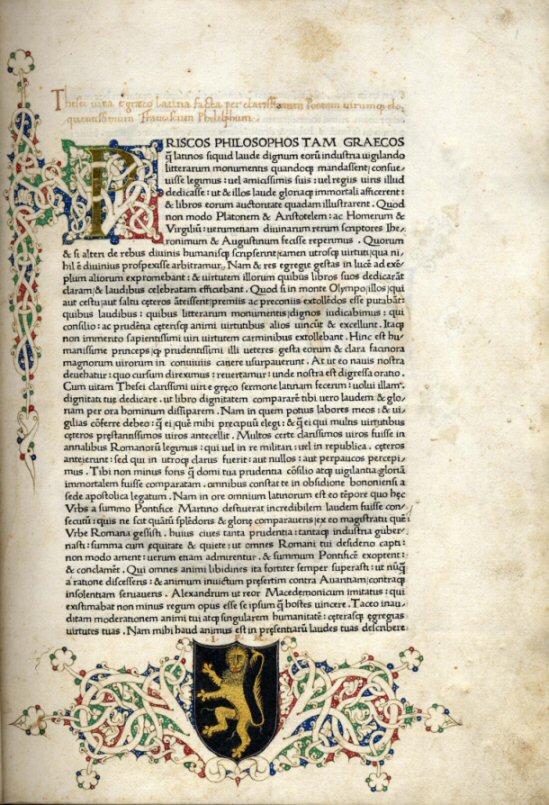
Commentarii de Bello Gallico
Julius Caesar · c. 58-50 BCE (this copy 1469)
Free account
Read every Spartacus source
Sign up free →
Ready when you are
Start chatting with Spartacus now.
20 messages free · No credit card · Available in 50+ languages.