


Primary sourcePhotographJune 1859
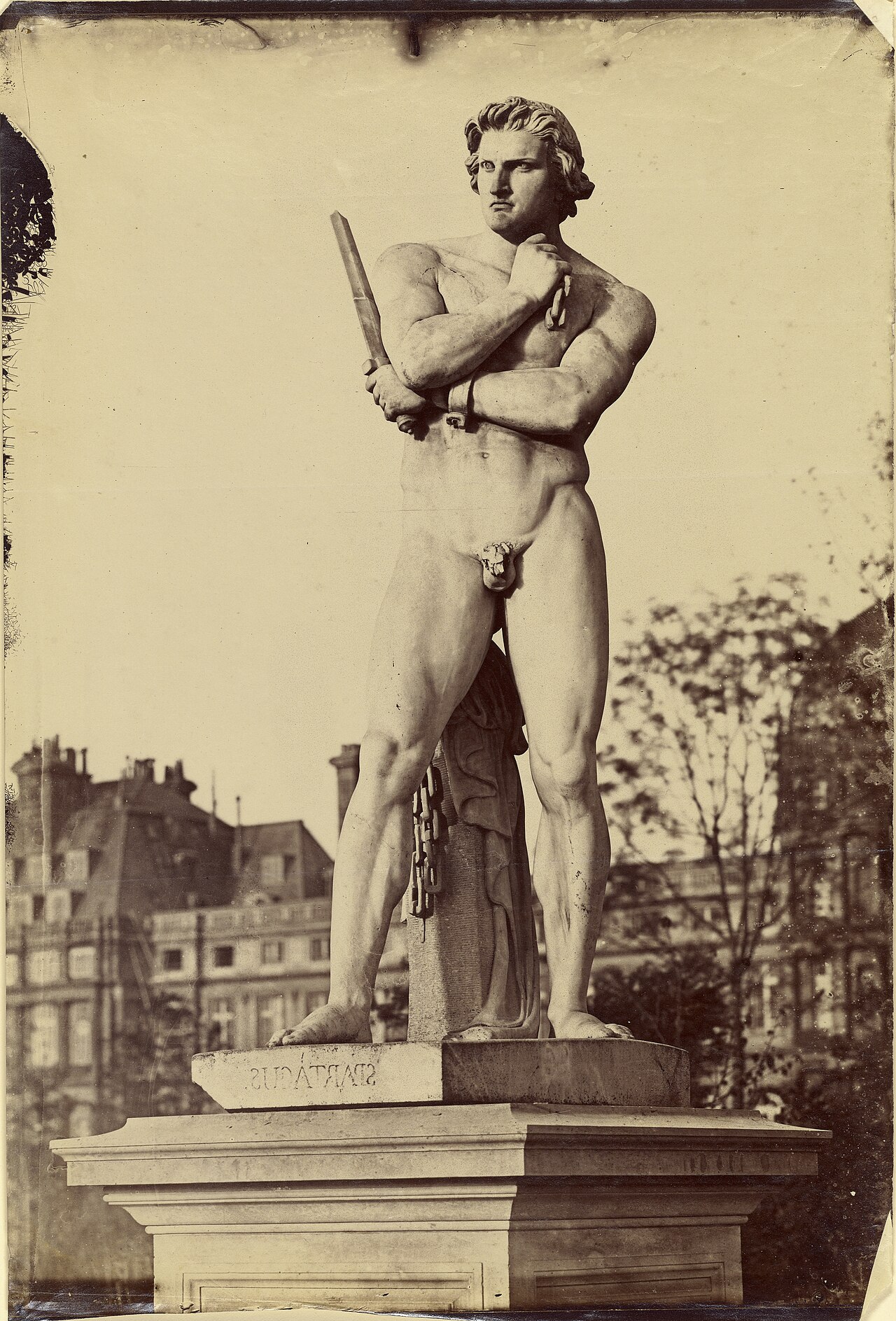
Spartacus Statue, Tuileries Gardens
Charles Nègre · June 1859
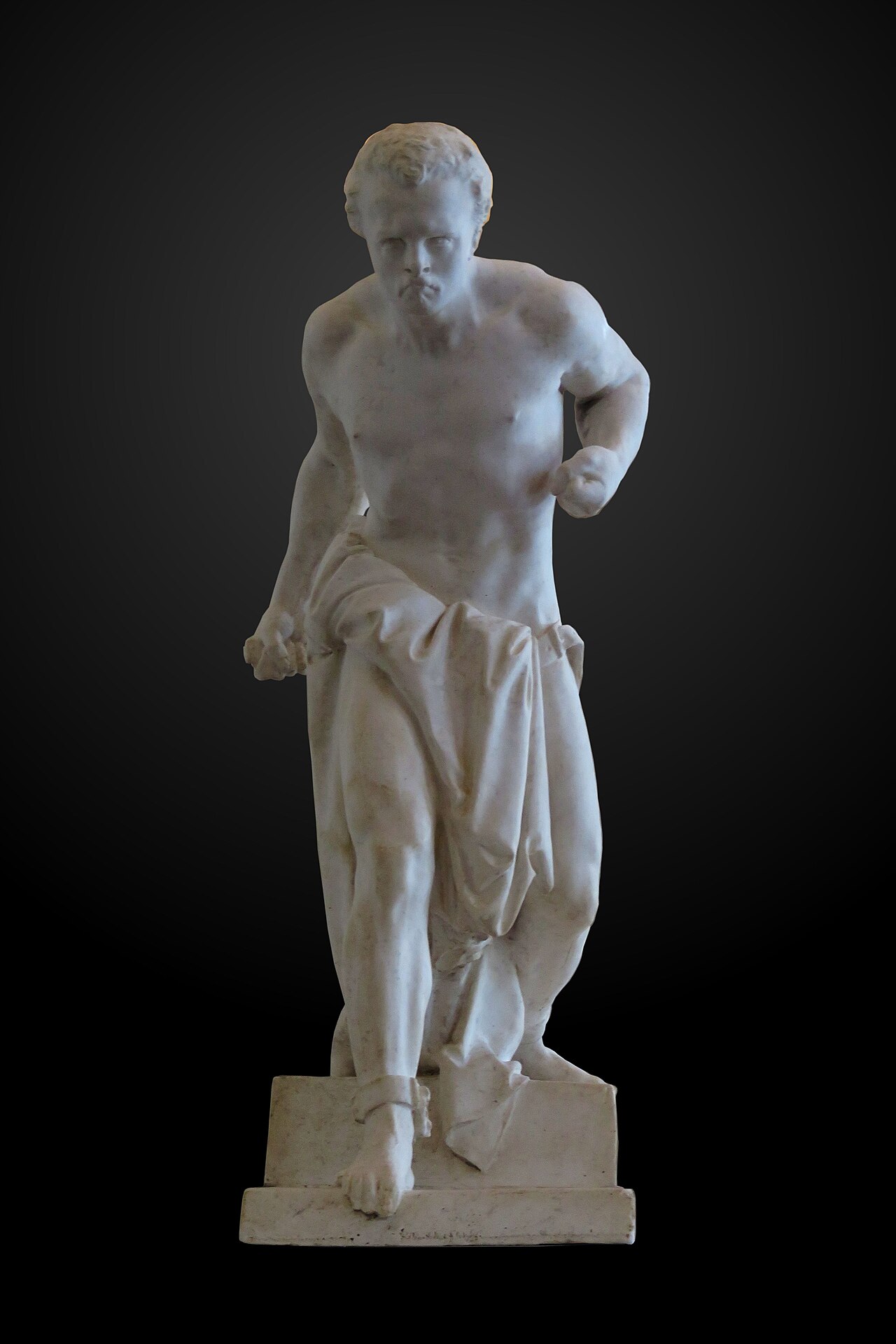
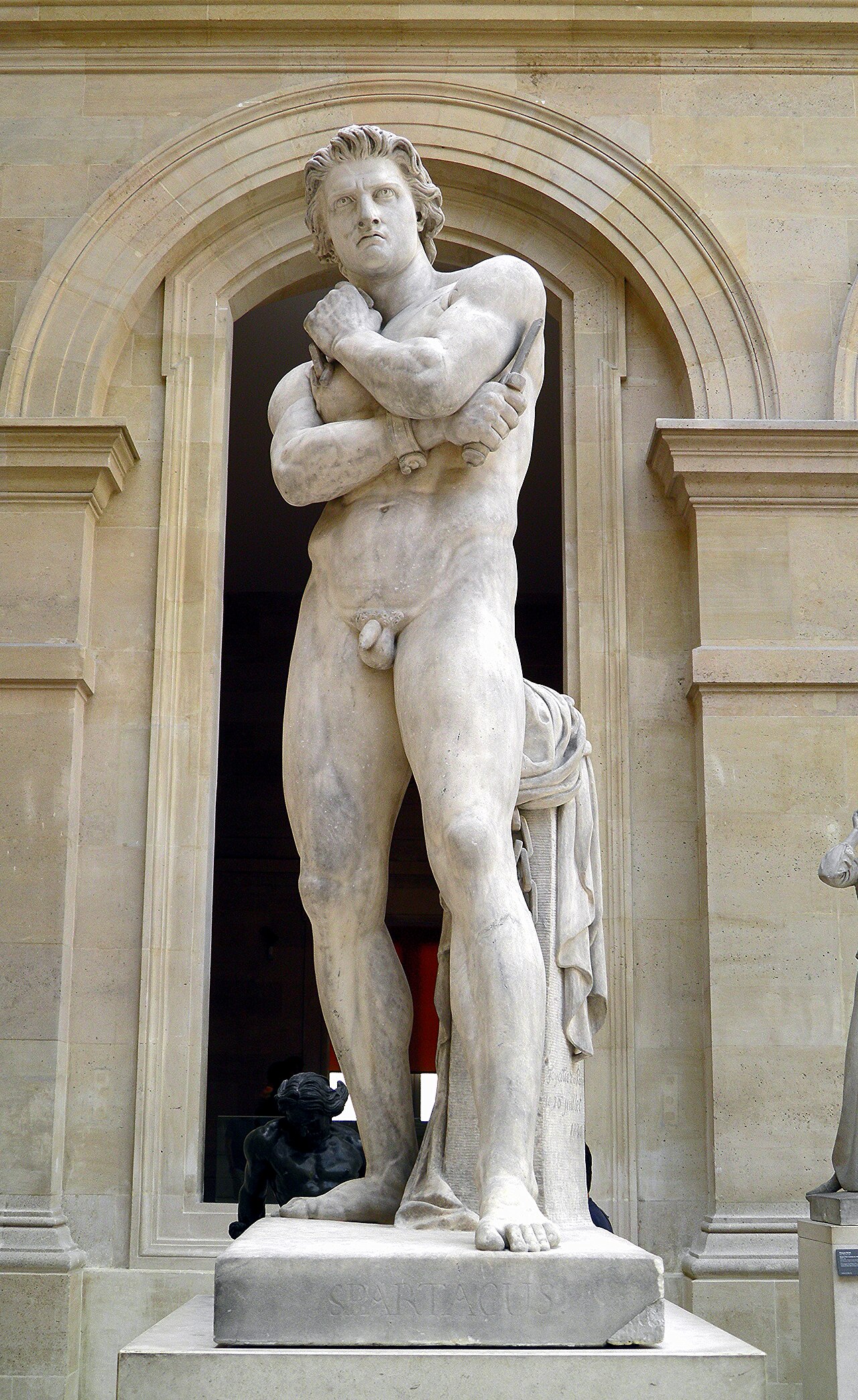
An 1859 photograph of a marble statue of Spartacus, in chains and holding a sword, standing in the Tuileries Gardens in Paris.
Shows a monument built centuries later to honour Spartacus as a symbol of resistance to slavery.
About this source
What it is
This is a photograph taken in 1859 by Charles Nègre of a marble statue inscribed with the name SPARTACUS, located in the Tuileries Gardens in Paris. The statue shows a muscular nude man holding a short sword, with chains at his wrist and ankle.
Why it matters
Statues like this one show how, centuries after his death, European artists and cities chose to memorialise Spartacus as a heroic symbol of resistance to slavery and oppression. The photograph itself is a historic artifact in its own right, showing early photographic technique and how 19th-century Europeans displayed classical-style sculpture in public spaces.
Look closer
- Why might a 19th-century city choose to display a statue of a slave rebel in a public garden?
- What do the chains in the sculpture suggest about how the artist wanted viewers to feel?
- How is this classical nude style used to make Spartacus look heroic rather than ordinary?
This photograph is part of the curated material that grounds the AI version of Spartacus on Humy.ai — when students ask about related events, the AI can quote it and cite it.
More Spartacus sources
Browse all 37 →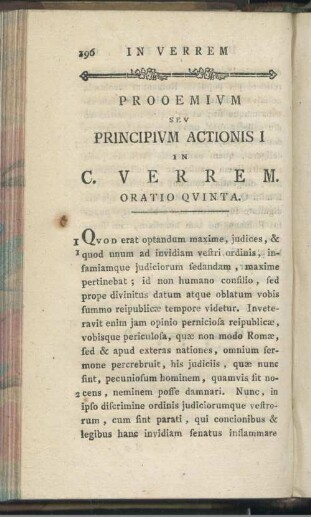 Speech
Primary source
In Verrem
Cicero · 70 BCE
 Book
Secondary source
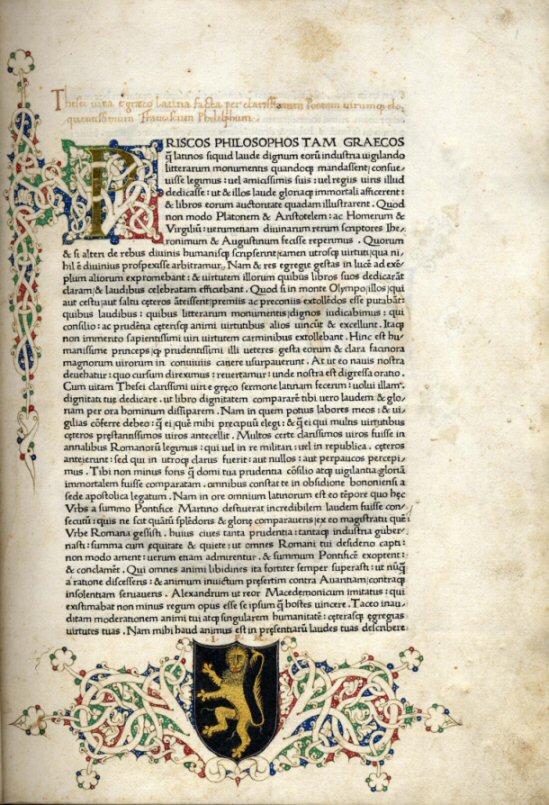
Parallel Lives
Plutarch · c. 100-120 AD
 Artifact
Secondary source
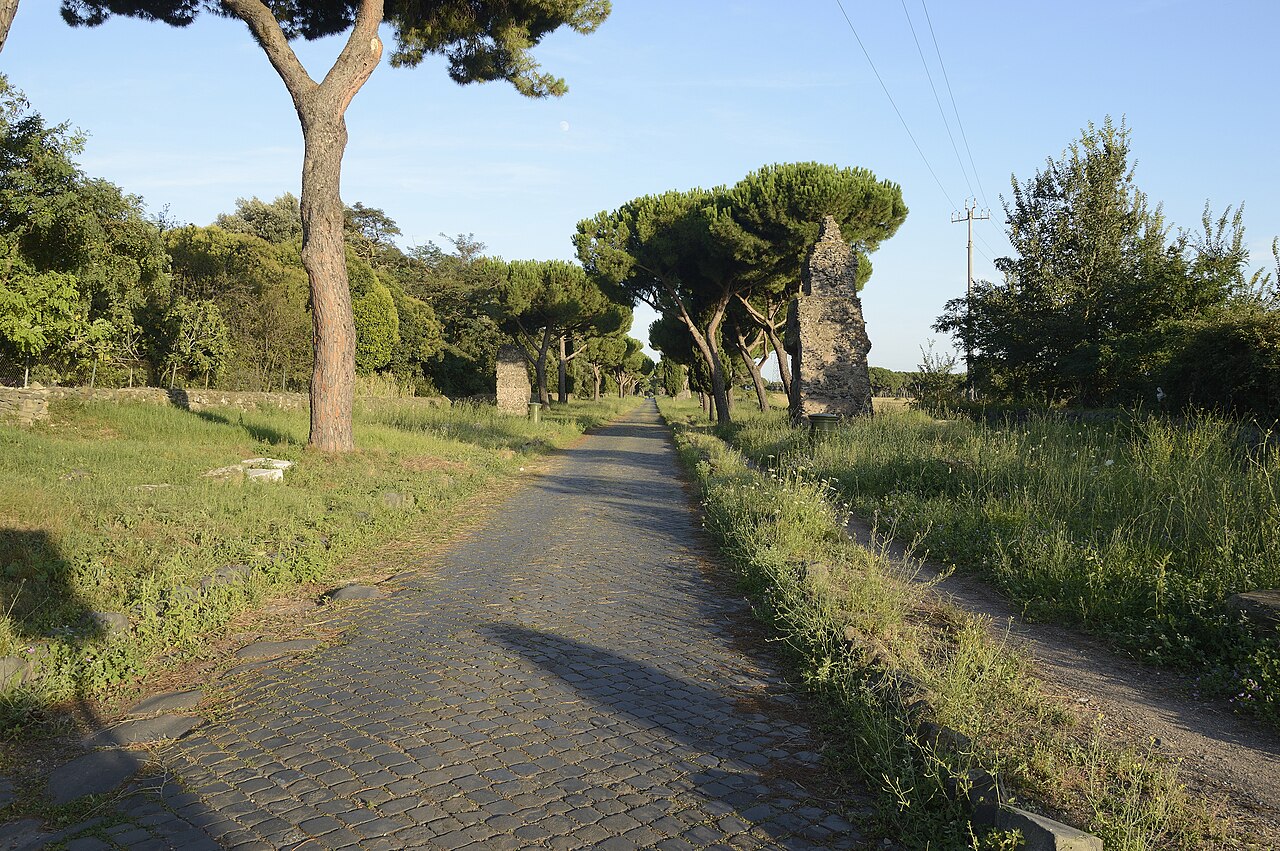
Appian Way
312 BCE
 Book
Primary source
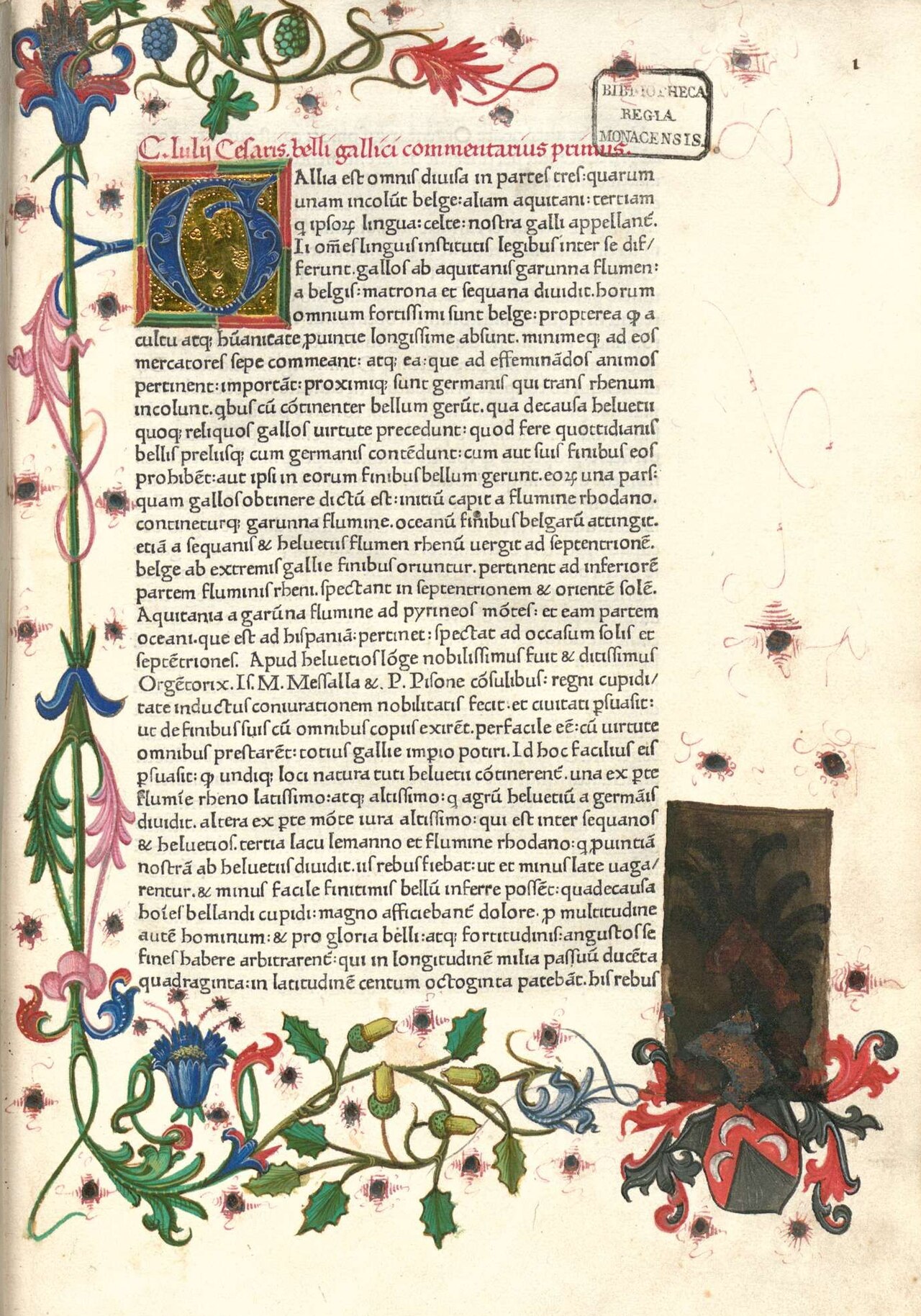
Commentarii de Bello Gallico
Julius Caesar · c. 58-50 BCE (this copy 1469)
Free account
Read every Spartacus source
Sign up free →
Ready when you are
Start chatting with Spartacus now.
20 messages free · No credit card · Available in 50+ languages.