


Secondary sourceNewspaper article1926
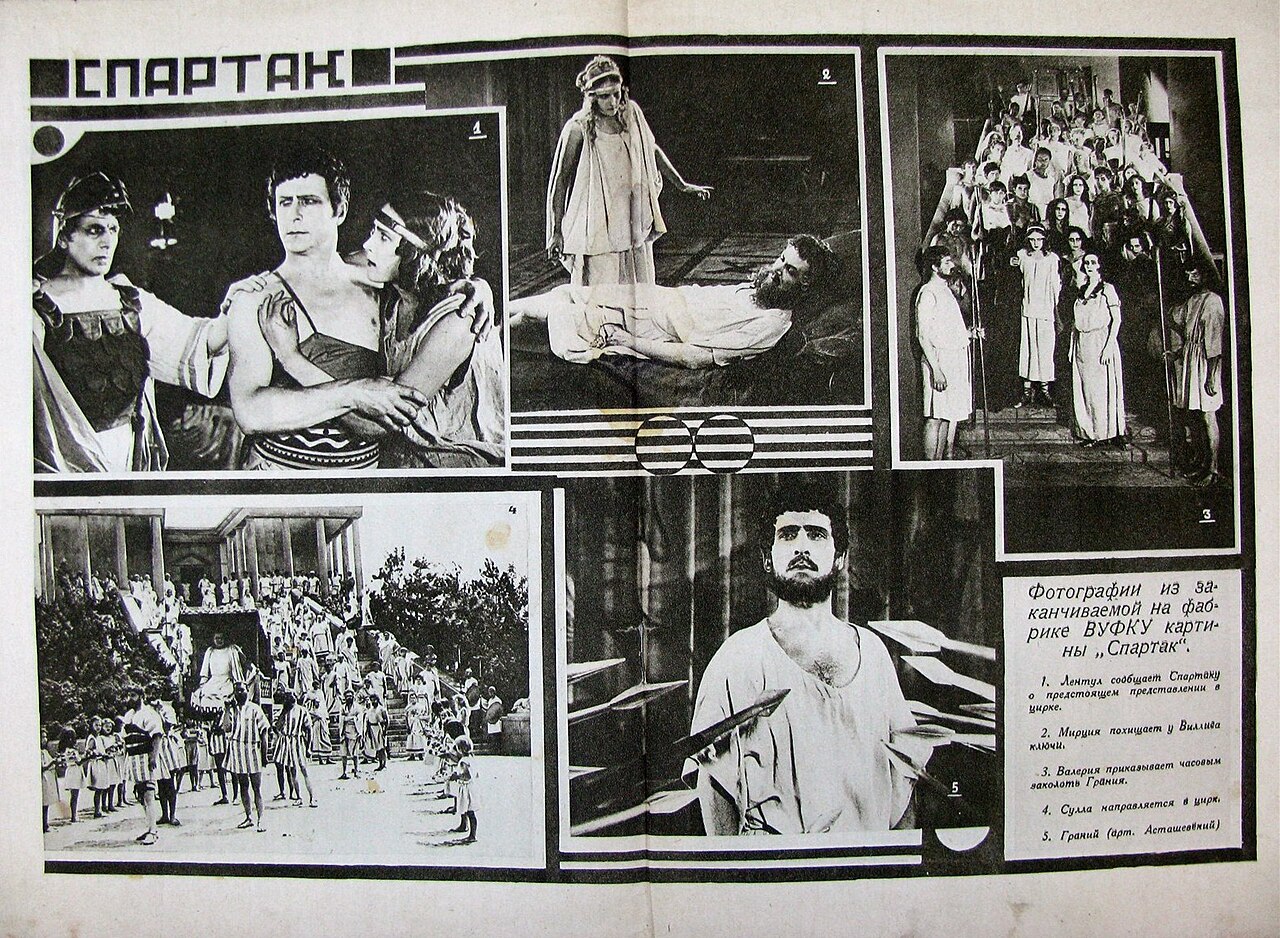
Spartak Film Stills, Sovetsky Ekran
1926
A 1926 Soviet magazine spread showing stills from the VUFKU silent film Spartak, about Spartacus's revolt.
Shows how the early USSR turned Spartacus's slave revolt into a symbol of revolutionary struggle through film.
Free Humy account · No credit card · 120,912 sources to read
About this source
What it is
This is a two-page spread from the Soviet magazine Sovetsky Ekran (Soviet Screen), published in 1926. It shows black-and-white photographs with Russian captions from a film called Spartak, made by the Ukrainian film studio VUFKU and directed by Ertugrul Muhsin-Bey. The stills show scenes such as a man surrounded by spears, crowds in a courtyard, and children in tunics.
Why it matters
The film and this magazine coverage show how the early Soviet Union used the story of Spartacus as a symbol of revolutionary struggle against oppression, turning an ancient slave revolt into propaganda for communist ideals. It reveals how later societies reshaped Spartacus's story for their own political purposes.
Look closer
- Why might a communist government be especially interested in telling Spartacus's story?
- What do the staged scenes suggest about how the filmmakers imagined ancient Rome?
- What is left out of this magazine coverage that a historian might want to know?
This newspaper article is part of the curated material that grounds the AI version of Spartacus on Humy.ai — when students ask about related events, the AI can quote it and cite it.
More Spartacus sources
Browse all 37 →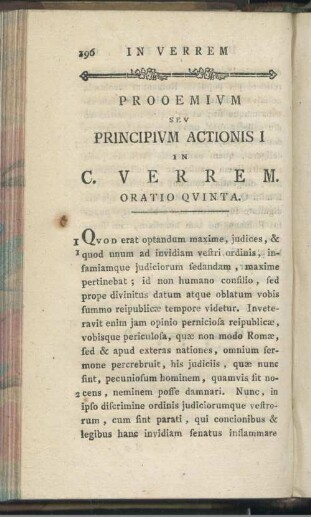 Speech
Primary source
In Verrem
Cicero · 70 BCE
 Book
Secondary source
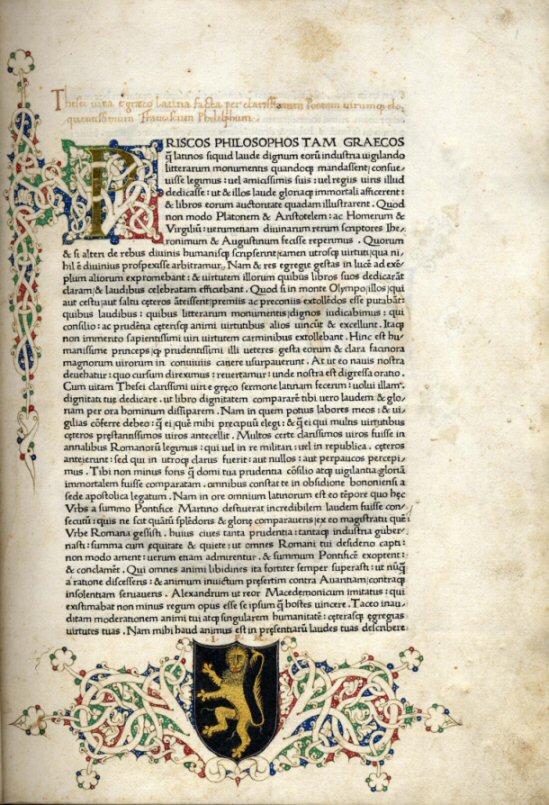
Parallel Lives
Plutarch · c. 100-120 AD
 Artifact
Secondary source
Appian Way
312 BCE
 Book
Primary source
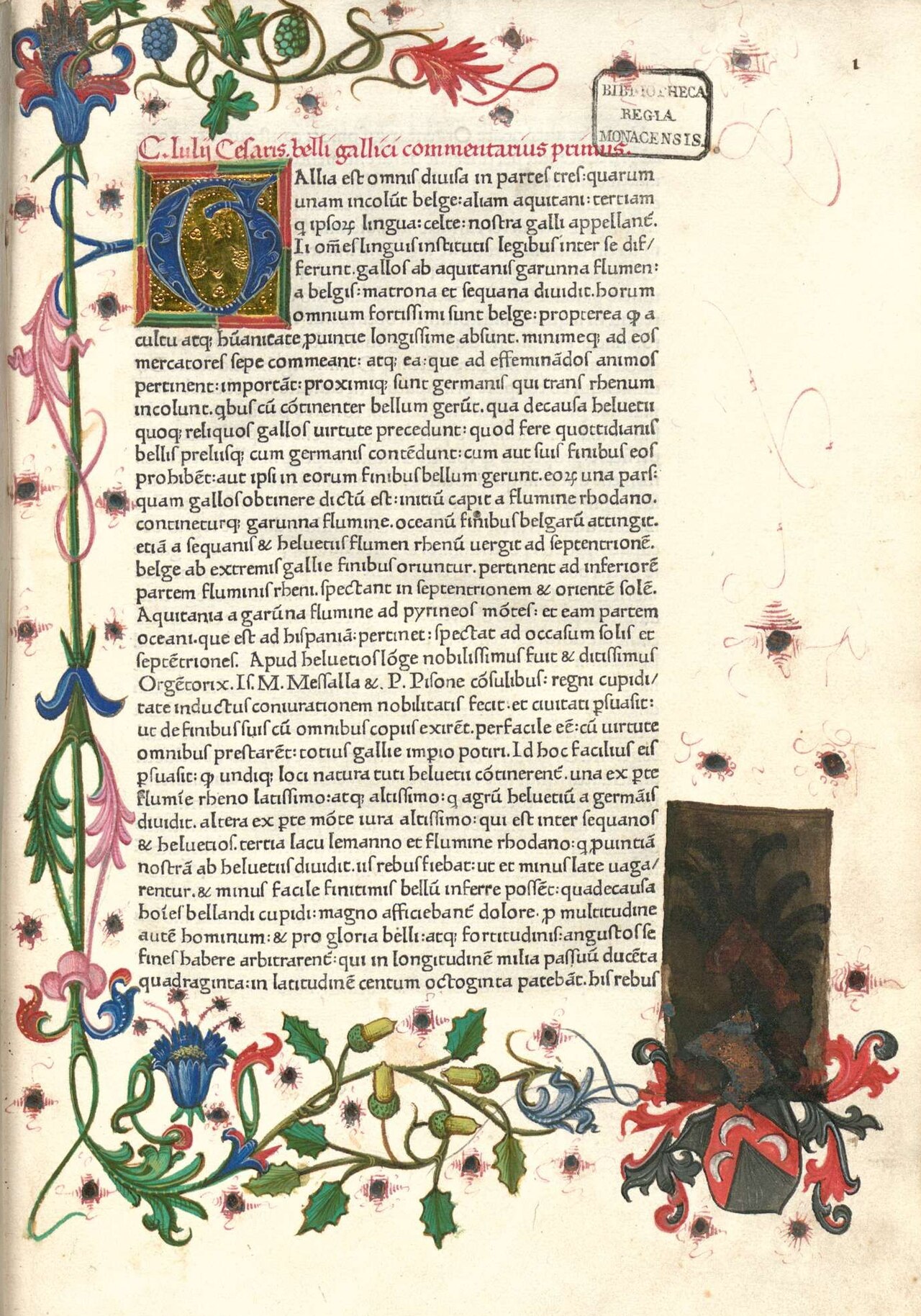
Commentarii de Bello Gallico
Julius Caesar · c. 58-50 BCE (this copy 1469)
Free account
Read every Spartacus source
Sign up free →
Ready when you are
Start chatting with Spartacus now.
20 messages free · No credit card · Available in 50+ languages.