


Secondary sourcePainting19th century
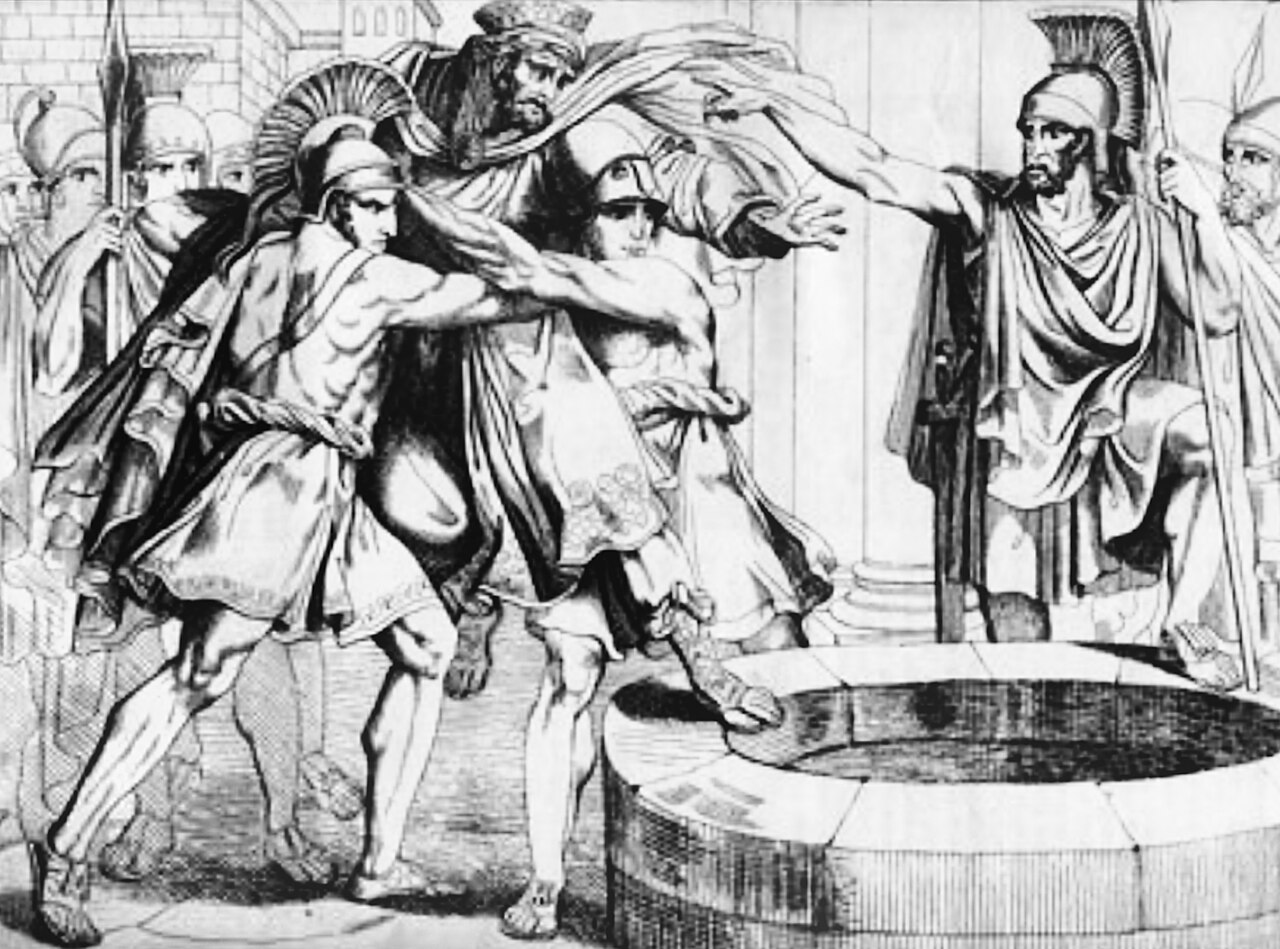
Spartans throw Persian envoys into a well
M. A. Barth · 19th century
A 19th-century engraving showing Spartans forcing Persian envoys toward a well, the defiant act that set the stage for Sparta's resistance to Persia before Leonidas's reign.
Depicts the Spartan defiance of Persia that preceded and foreshadowed Leonidas's own resistance at Thermopylae.
About this source
What it is
This is a 19th-century engraved print by M. A. Barth depicting Spartan warriors seizing a Persian envoy and pushing him toward a well, while other armed men look on.
Why it matters
The scene illustrates a famous story of Spartan defiance toward the Persian king Darius, which came before Leonidas became king. It helps explain the long-standing hostility between Sparta and Persia that led to the stand at Thermopylae under Leonidas.
Look closer
- What does the artist's choice to show force against the envoys suggest about how he wanted viewers to see Spartan character?
- Why might this story have been popular to illustrate in the 1800s?
- What does the image leave out about why the envoys were sent in the first place?
This painting is part of the curated material that grounds the AI version of Leonidas I on Humy.ai — when students ask about related events, the AI can quote it and cite it.
More Leonidas I sources
Browse all 58 → Book
Secondary source
Histories
Herodotus · c. 440 BCE
 Document
Primary source
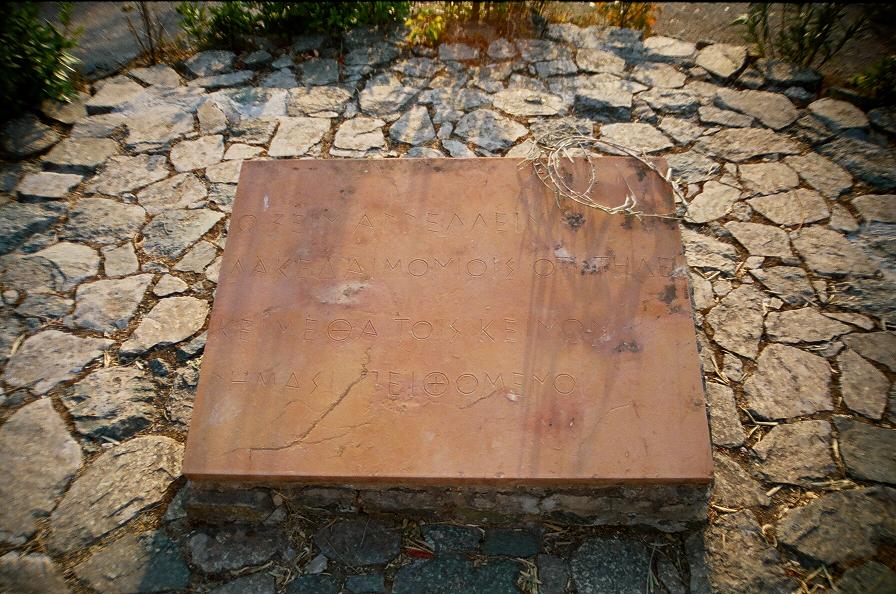
Go Tell the Spartans epitaph
Attributed to Simonides of Ceos · c. 480-479 BCE
 Painting
Primary source
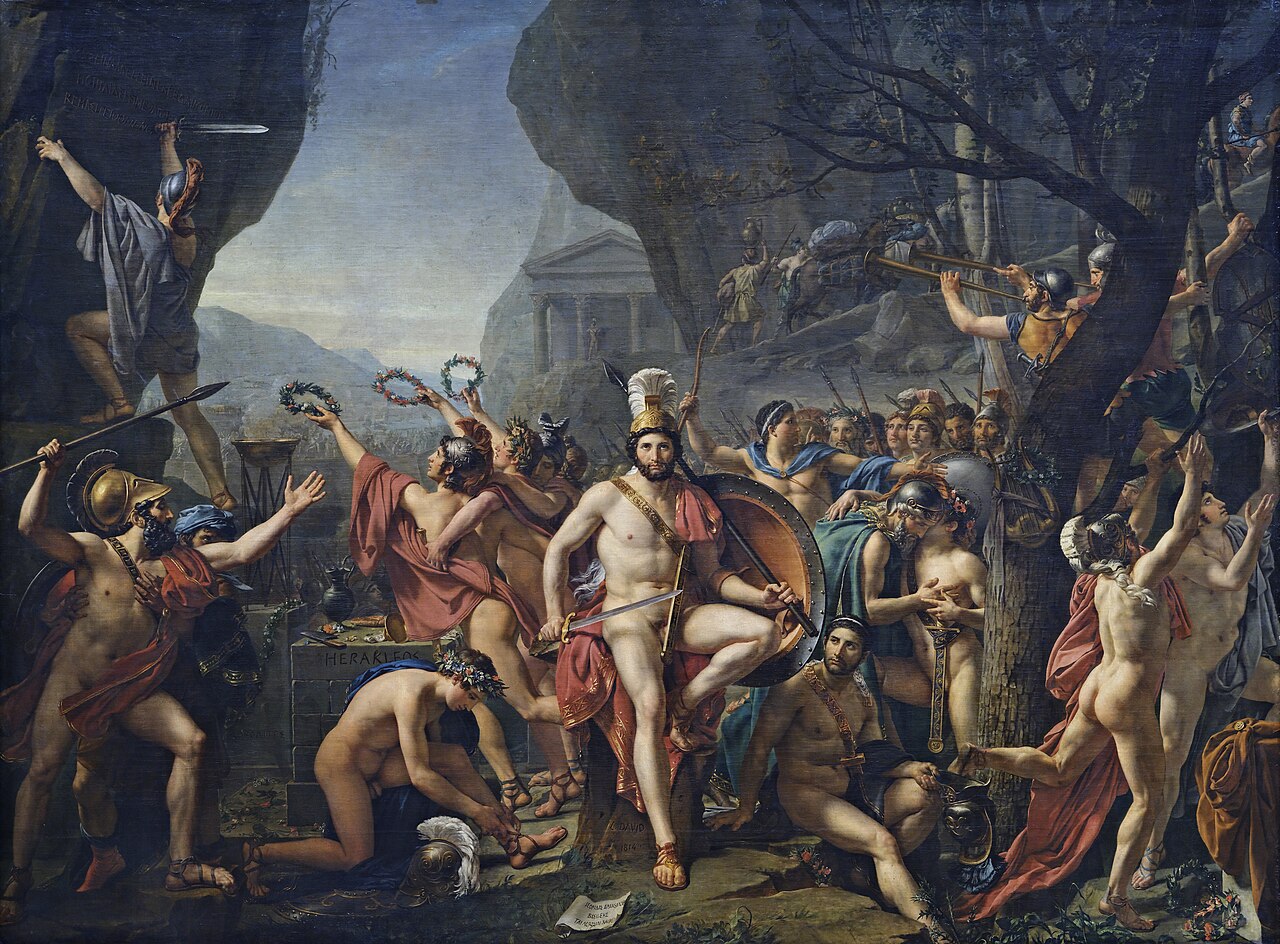
Leonidas at Thermopylae
Jacques-Louis David · 1799–1814
 Book
Secondary source
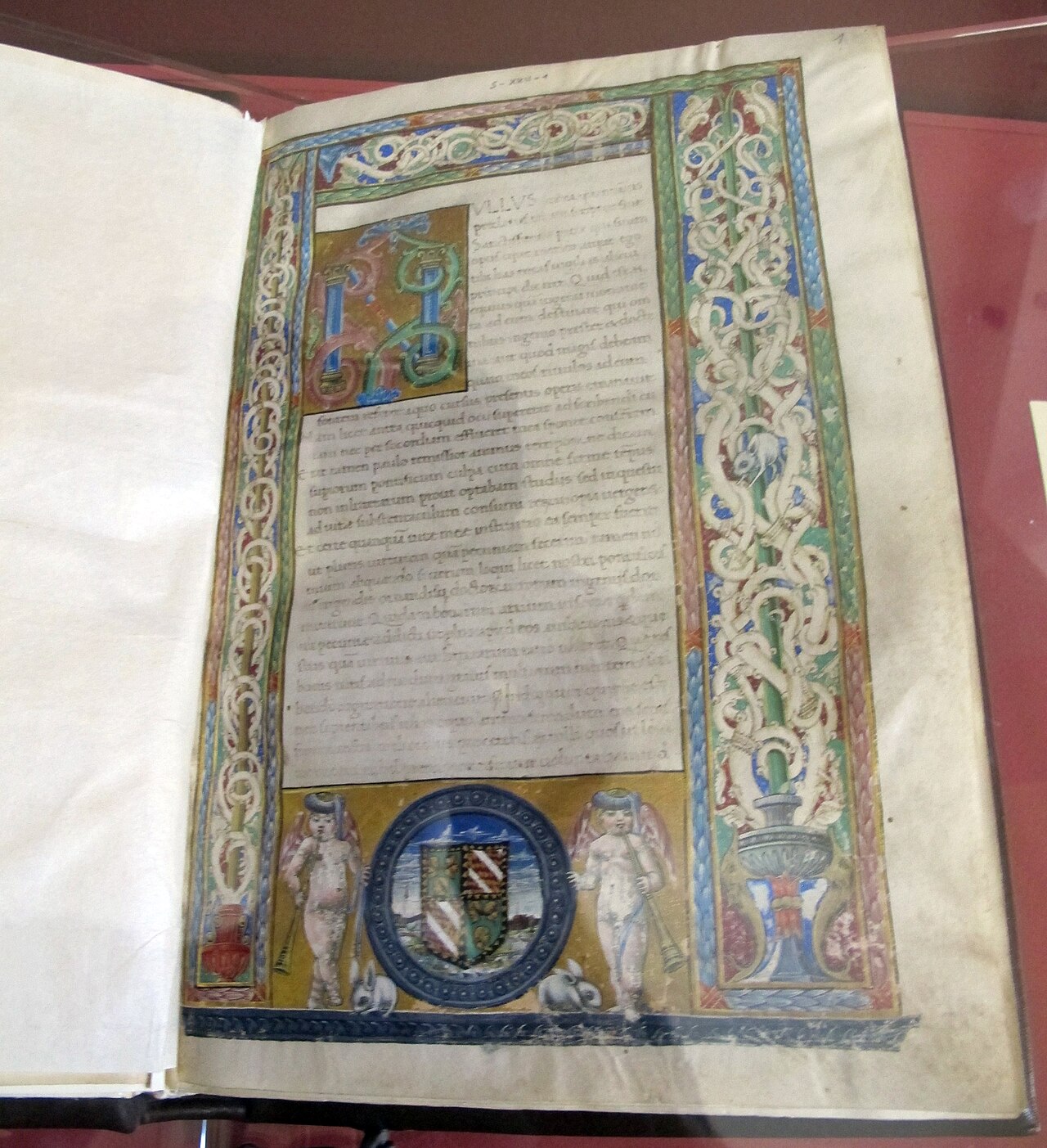
Bibliotheca Historica
Diodorus Siculus · 1st century BCE
Free account
Read every Leonidas I source
Sign up free →
Ready when you are
Start chatting with Leonidas I now.
20 messages free · No credit card · Available in 50+ languages.