


Primary sourceSculptureEarly Imperial period
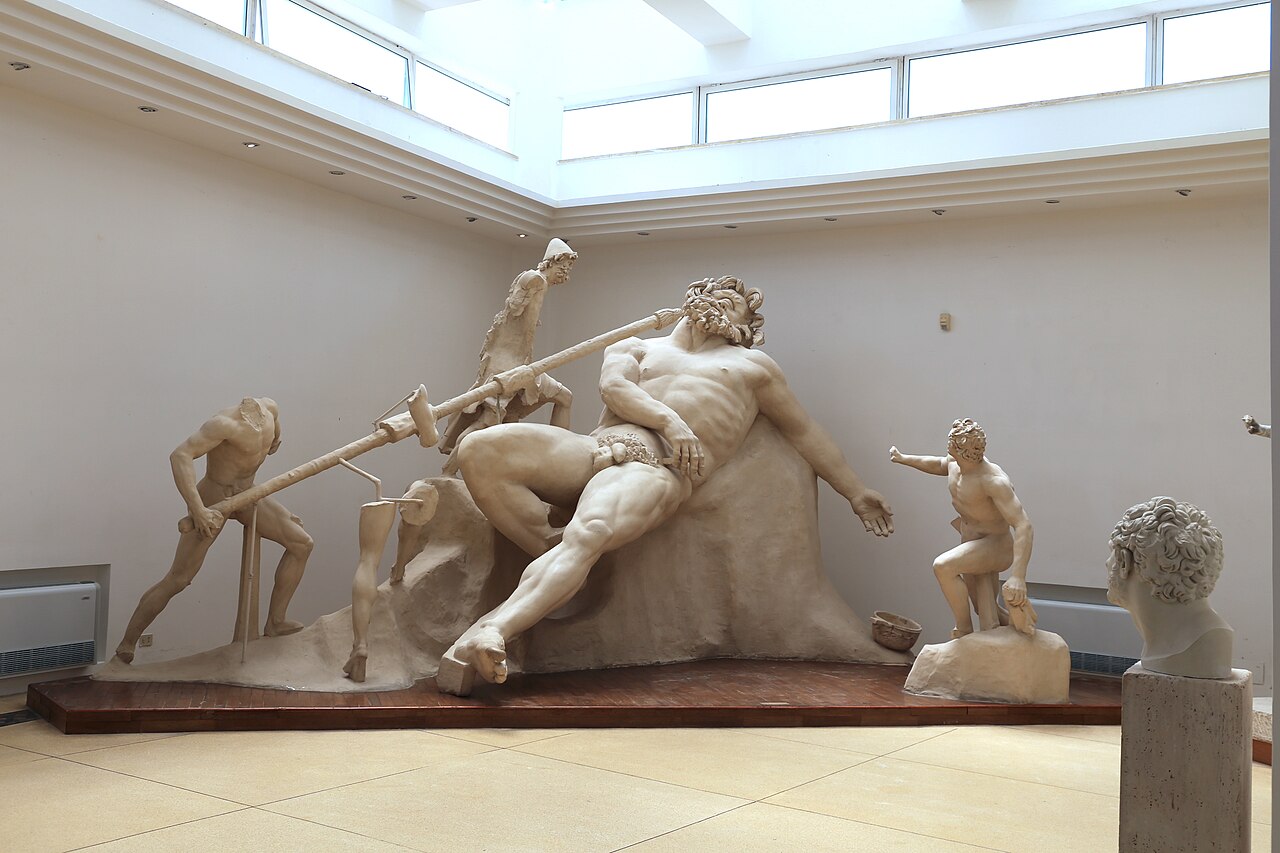
Sperlonga sculptures
Agesander of Rhodes · Early Imperial period
Marble sculpture groups from the dining grotto of Tiberius's seaside villa, showing scenes from the Odyssey, later shattered when the grotto roof collapsed near him.
Tiberius owned and used this grotto, where the roof once collapsed near him, showing his Greek literary tastes.
About this source
What it is
A large set of ancient marble sculptures found in 1957 at Sperlonga, on the coast between Rome and Naples. They decorated a seaside grotto used for dining by the emperor Tiberius, and are thought to have been installed by him. An inscription names three sculptors from Rhodes, including Agesander. The groups show scenes from Homer's story of Odysseus. Today the reconstructed pieces, many filled out with plaster casts, are displayed in a museum at Sperlonga.
Why it matters
Ancient writers Tacitus and Suetonius record that the grotto's roof collapsed in AD 26, nearly killing Tiberius; his guard commander Sejanus is said to have shielded him. The sculptures reveal Tiberius's taste for Greek literature and art, and his wealth and position allowed him to commission such an elaborate private dining space.
Look closer
- What does choosing scenes from Homer tell you about the owner's education and tastes?
- Why might so many pieces be reconstructed with plaster casts rather than original marble?
- What does a private grotto like this tell you about how an emperor lived?
This sculpture is part of the curated material that grounds the AI version of Tiberius on Humy.ai — when students ask about related events, the AI can quote it and cite it.
More Tiberius sources
Browse all 87 →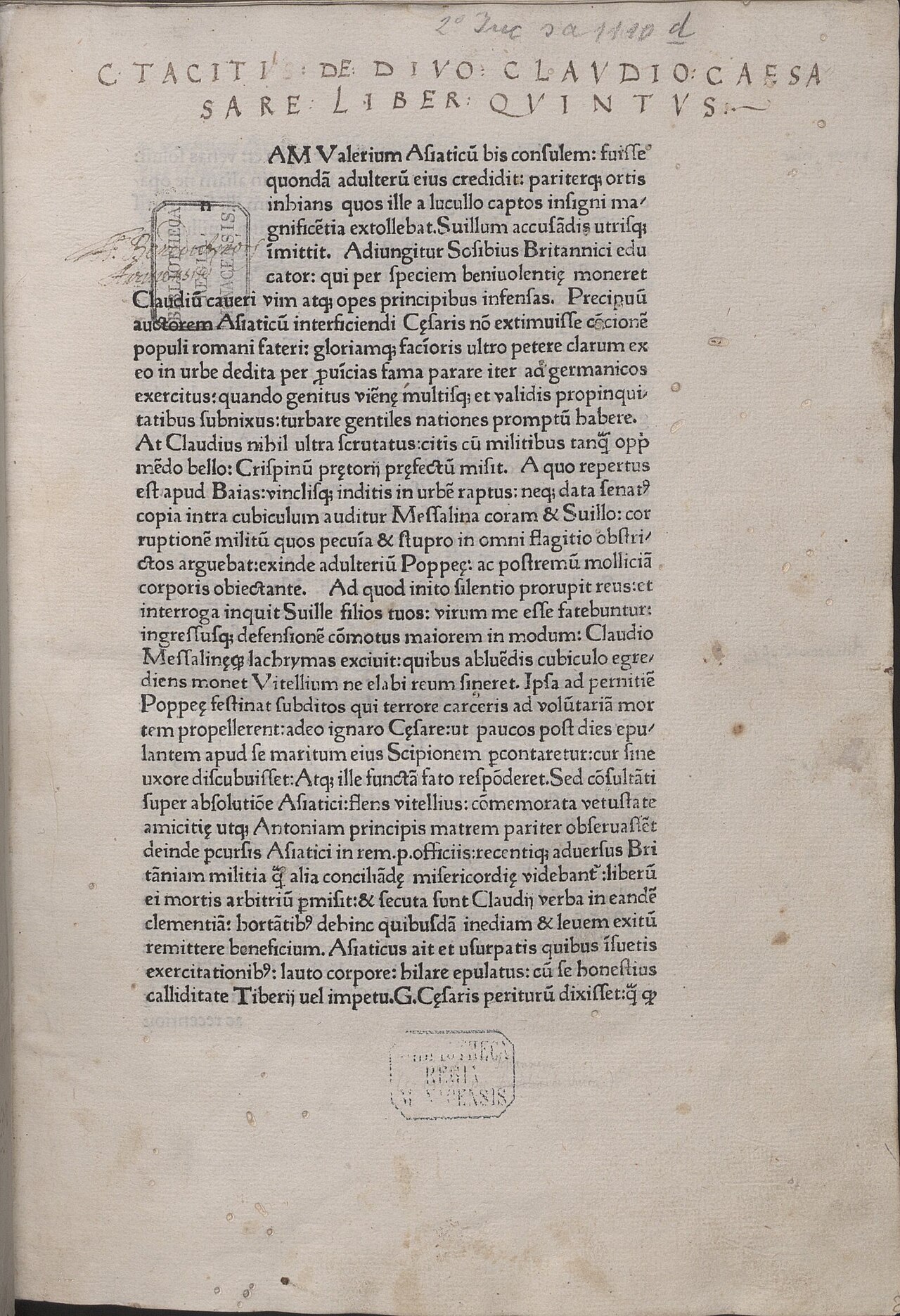
Ready when you are
Start chatting with Tiberius now.
20 messages free · No credit card · Available in 50+ languages.