


Primary sourceBook1923
Spring and All
William Carlos Williams · 1923
Williams's 1923 book mixing prose manifesto and free verse poems, written partly in response to T. S. Eliot's The Waste Land.
His influential 1923 book setting out his poetic manifesto and containing his most celebrated short poems.
About this source
What it is
A 1923 book by William Carlos Williams, published in a small edition by Contact Publishing Co. and printed in France. It alternates prose passages with poems, including what became his most famous works, 'Spring and All' and 'The Red Wheelbarrow'.
Why it matters
Williams wrote the book partly as an answer to T. S. Eliot's The Waste Land, which he felt pulled American poetry back toward old, 'classroom' traditions. Instead, Williams argued for a poetry rooted in everyday American language and locality. Many copies were seized by US customs at the time, and the book nearly disappeared until it was reprinted decades later. It is now seen as a landmark of modernist American poetry and was named one of the Library of Congress's 'Books That Shaped America'.
Look closer
- Why might Williams have mixed prose statements with poems instead of writing only poems?
- What does the fact that copies were confiscated tell you about attitudes to new art at the time?
- How does Williams's idea of poetry differ from Eliot's, based on what the facts say?
This book is part of the curated material that grounds the AI version of William Carlos Williams on Humy.ai — when students ask about related events, the AI can quote it and cite it.
More William Carlos Williams sources
Meet the AI William Carlos Williams →Primary source
To Elsie
William Carlos Williams · 1923
 Book
Primary source
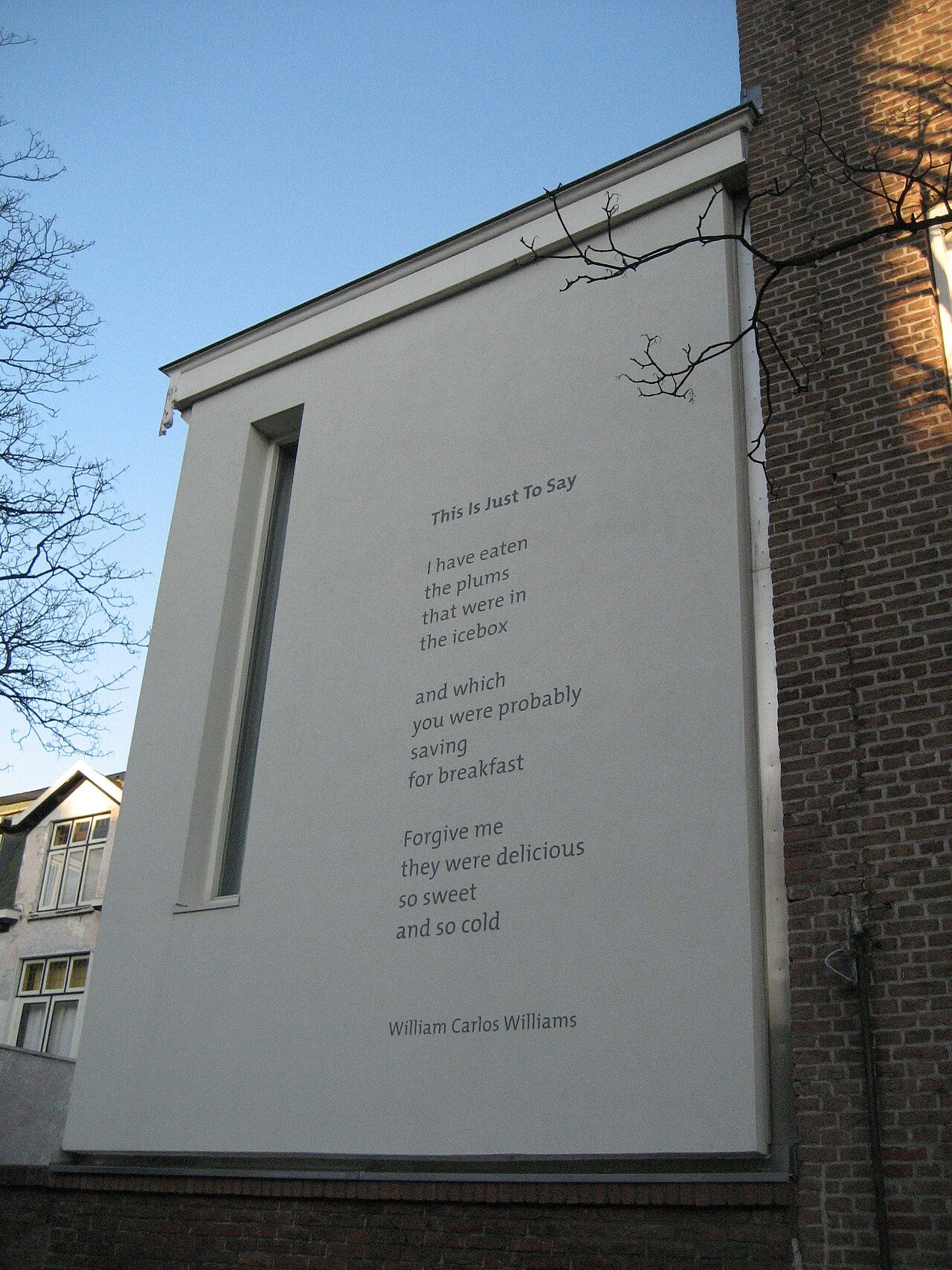
This Is Just To Say
William Carlos Williams · 1934
Primary source
A Widow's Lament in Springtime
William Carlos Williams · 1921
 Photograph
Primary source
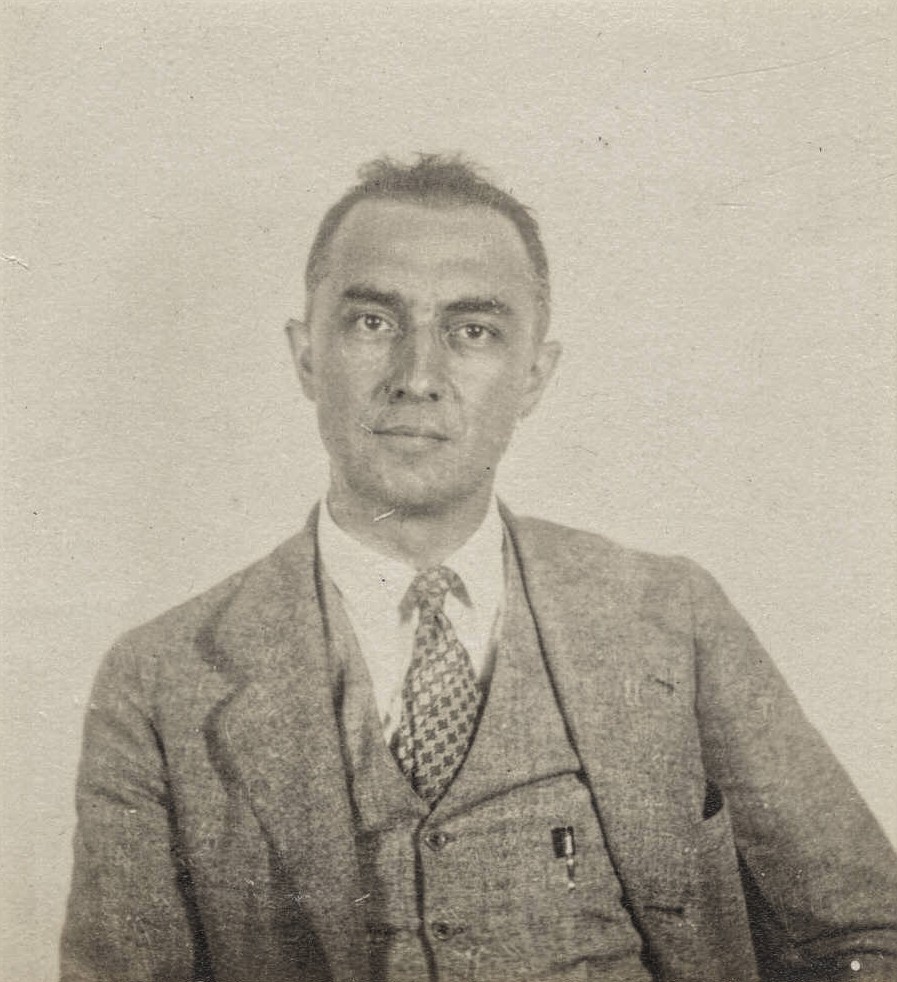
William Carlos Williams Passport Photograph
unknown · early 1920s
 Painting
Secondary source
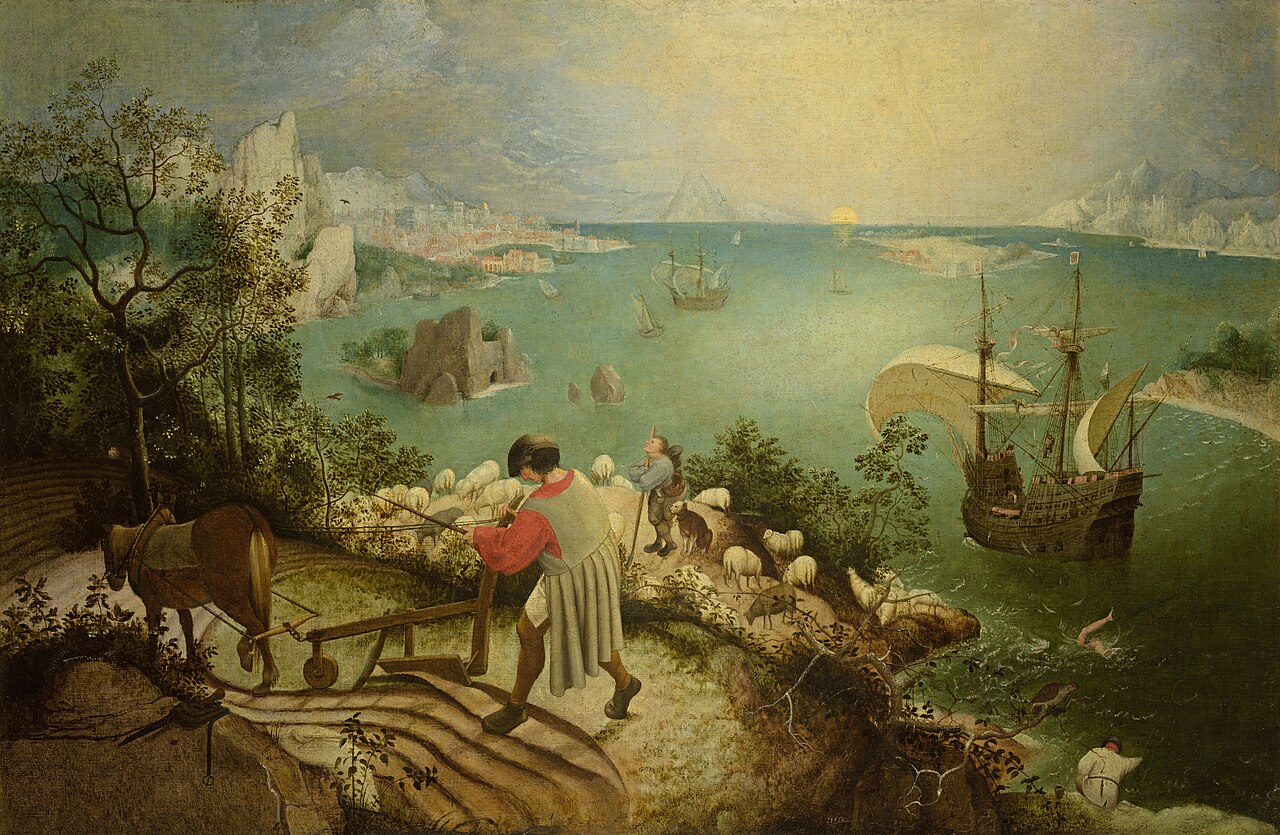
Landscape with the Fall of Icarus
Unknown (circle of Pieter Bruegel the Elder) · c. 1560s
Ready when you are
Start chatting with William Carlos Williams now.
20 messages free · No credit card · Available in 50+ languages.