


Primary sourceBook1934
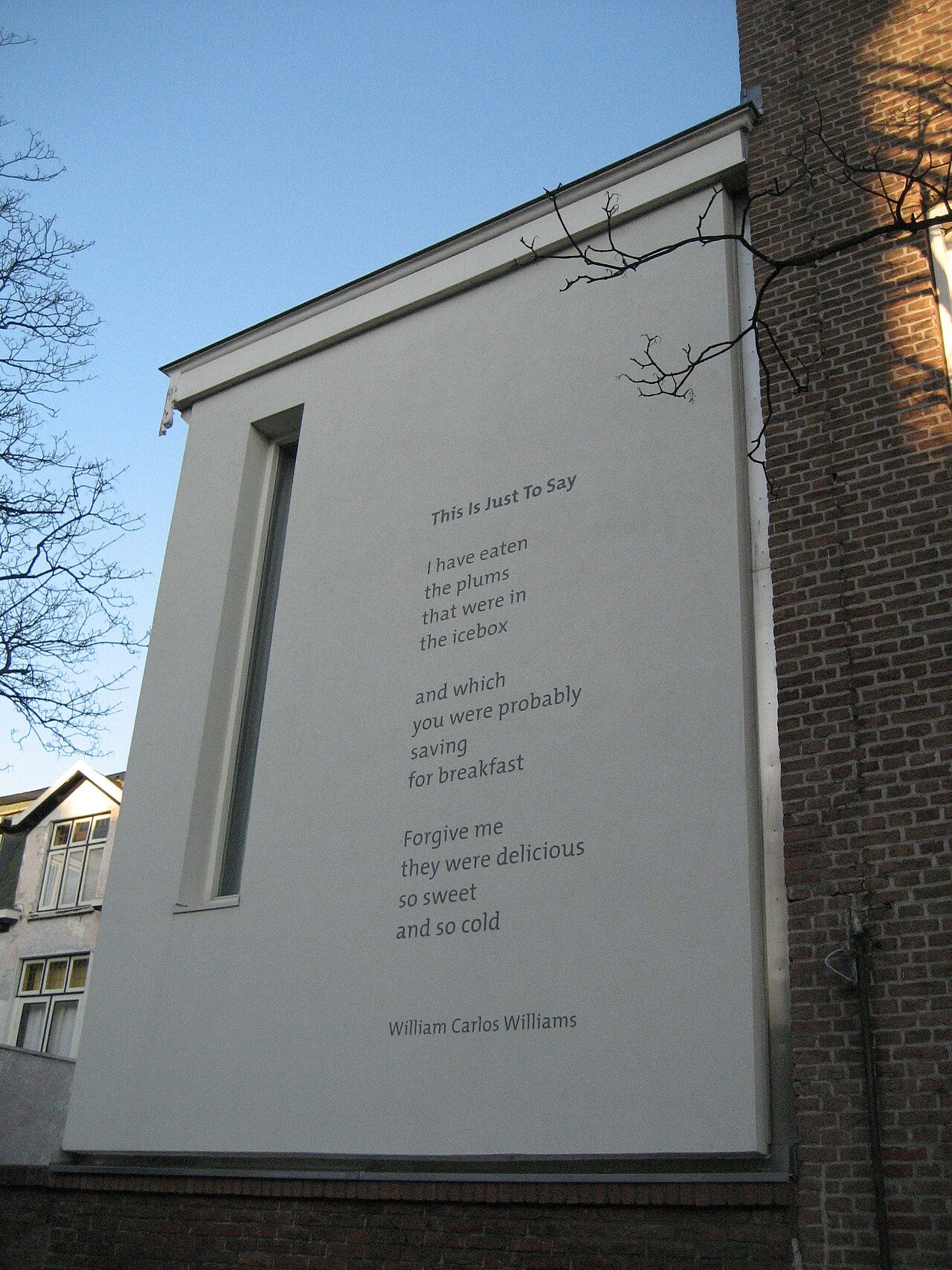
This Is Just To Say
William Carlos Williams · 1934
A short 1934 poem by William Carlos Williams written as an apology note about eaten plums, a famous example of his everyday, colloquial style.
One of Williams's most famous poems, showing his signature style of finding poetry in everyday speech.
About this source
What it is
A short poem written by William Carlos Williams in 1934. It takes the form of a note left on a kitchen table, apologising for eating someone's plums.
Why it matters
The poem is one of the best-known examples of Williams's style: plain American speech turned into poetry, with no obvious rhyme or regular rhythm. It shows how he found poetic material in ordinary domestic moments. His wife Florence later wrote a 'reply' to the note, which Williams included in his own later work, suggesting the poem may have grown from a real note she left him.
Look closer
- Why might an ordinary note about eating plums be called a poem?
- What effect does the lack of punctuation have when you read it aloud?
- How does knowing about Florence's 'reply' change how you read the poem?
This book is part of the curated material that grounds the AI version of William Carlos Williams on Humy.ai — when students ask about related events, the AI can quote it and cite it.
More William Carlos Williams sources
Meet the AI William Carlos Williams →Primary source
To Elsie
William Carlos Williams · 1923
Primary source
A Widow's Lament in Springtime
William Carlos Williams · 1921
Primary source
Spring and All
William Carlos Williams · 1923
 Photograph
Primary source
William Carlos Williams Passport Photograph
unknown · early 1920s
 Painting
Secondary source
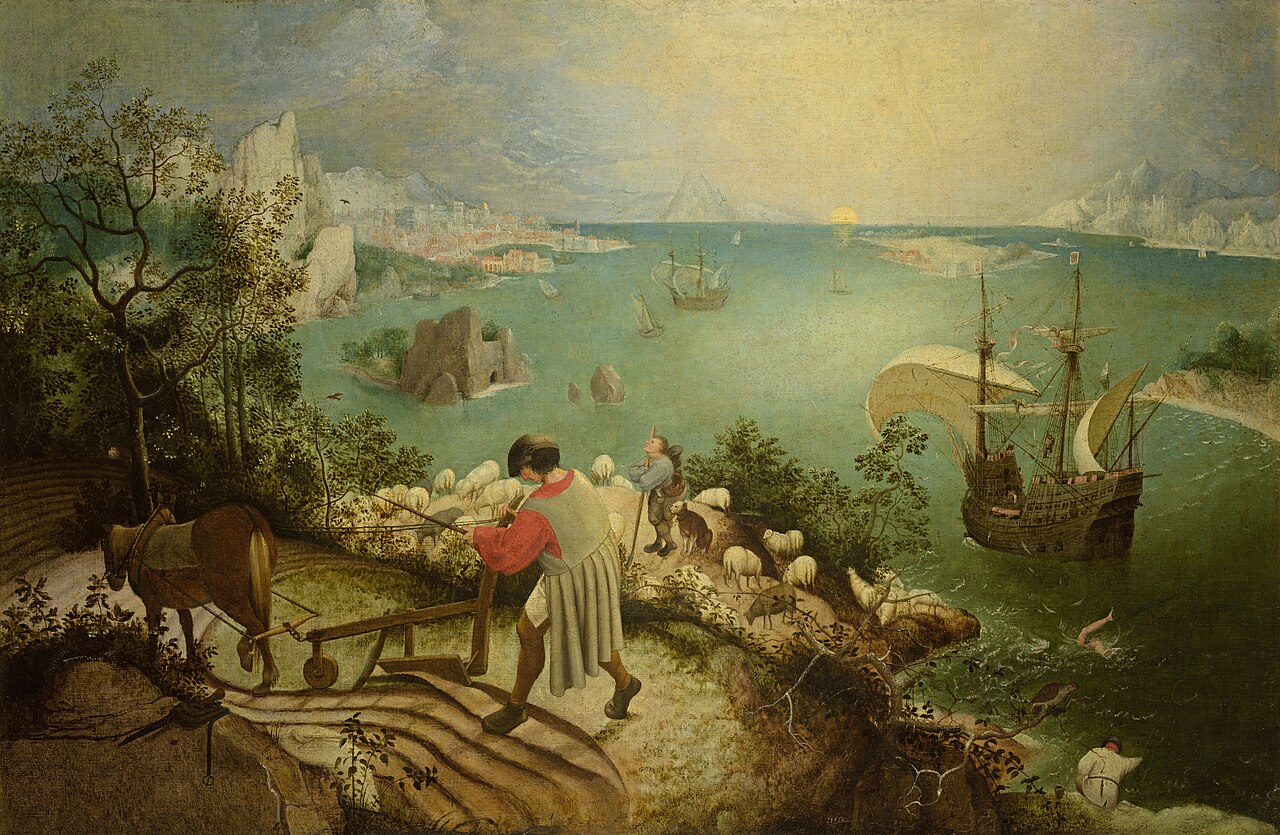
Landscape with the Fall of Icarus
Unknown (circle of Pieter Bruegel the Elder) · c. 1560s
Ready when you are
Start chatting with William Carlos Williams now.
20 messages free · No credit card · Available in 50+ languages.