


Primary sourcePaintingc. 1736
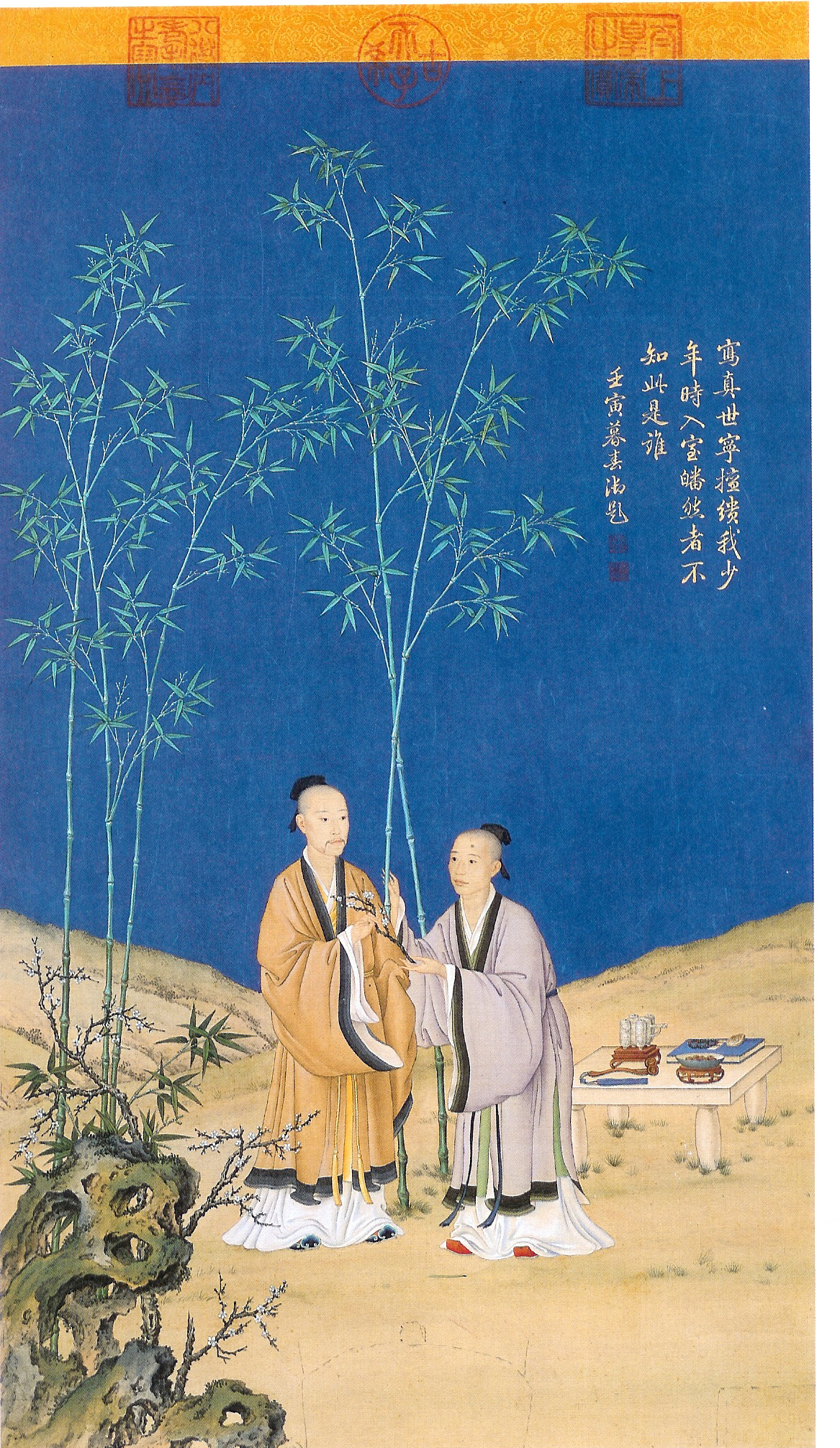
Spring's Peaceful Messages
Giuseppe Castiglione · c. 1736
A painting showing the Yongzheng Emperor and his young son, the future Qianlong Emperor, alluding to the planned imperial succession.
Qianlong appears here as the young prince Hongli beside his father, alluding to his future succession as emperor.
About this source
What it is
This hanging scroll, painted around 1736 by Giuseppe Castiglione (known as Lang Shining), shows the Yongzheng Emperor and the young prince Hongli—later the Qianlong Emperor—together among bamboo and plum branches. It is held at the National Palace Museum.
Why it matters
The painting is understood to allude to the planned succession from father to son. It is a rare image showing Qianlong before he became emperor, as a young prince alongside his father, and reflects how imperial portraiture could carry political meaning about legitimacy and continuity.
Look closer
- What gestures or objects in the painting might hint at the relationship between the two figures?
- Why might an emperor commission a painting suggesting succession before it officially happened?
- What does the calm garden setting add to the message of the painting?
This painting is part of the curated material that grounds the AI version of Qianlong Emperor on Humy.ai — when students ask about related events, the AI can quote it and cite it.
More Qianlong Emperor sources
Browse all 75 →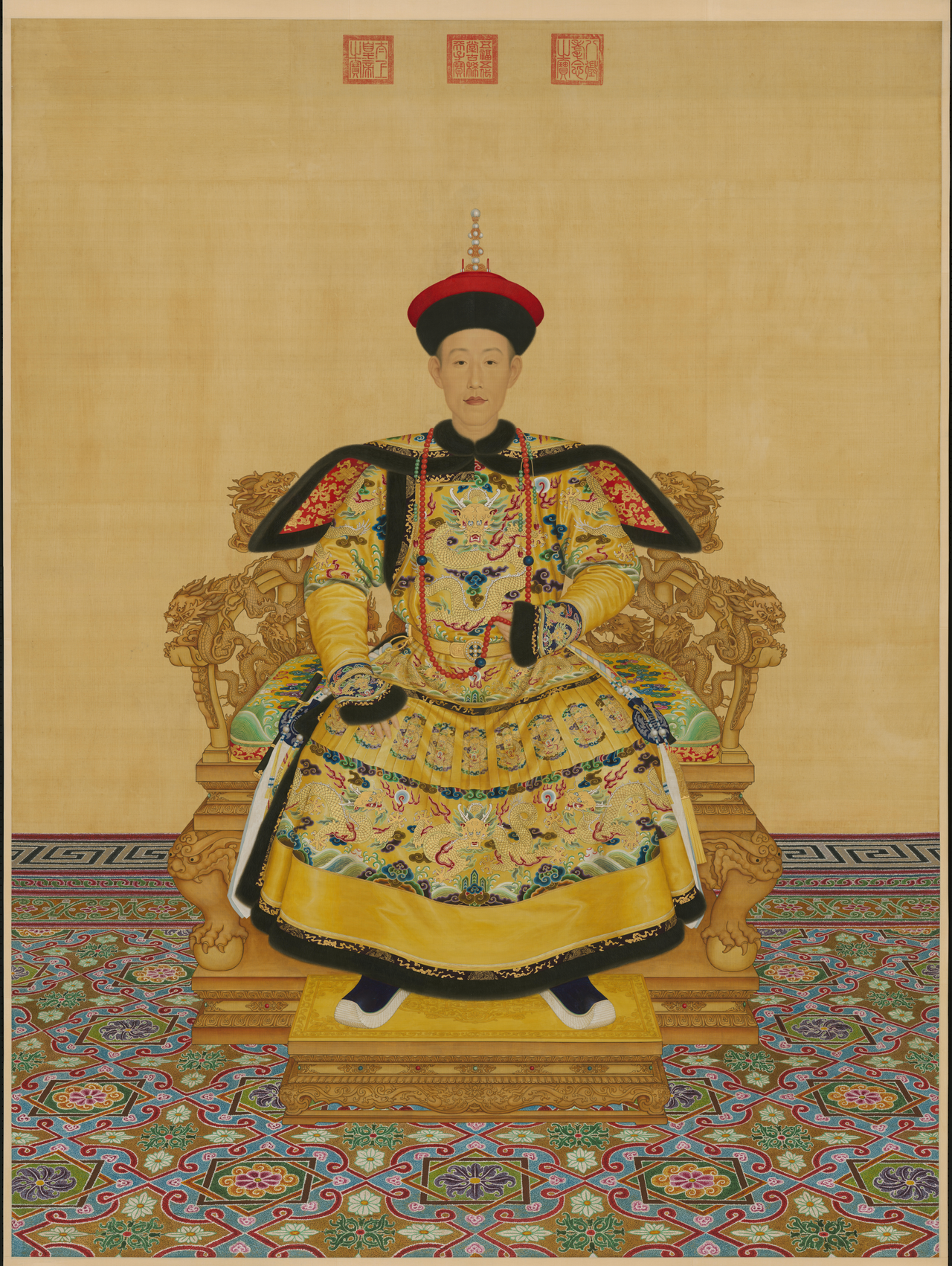 Painting
Primary source
Portrait of the Qianlong Emperor in Court Dress
Giuseppe Castiglione · 1736
 Painting
Primary source
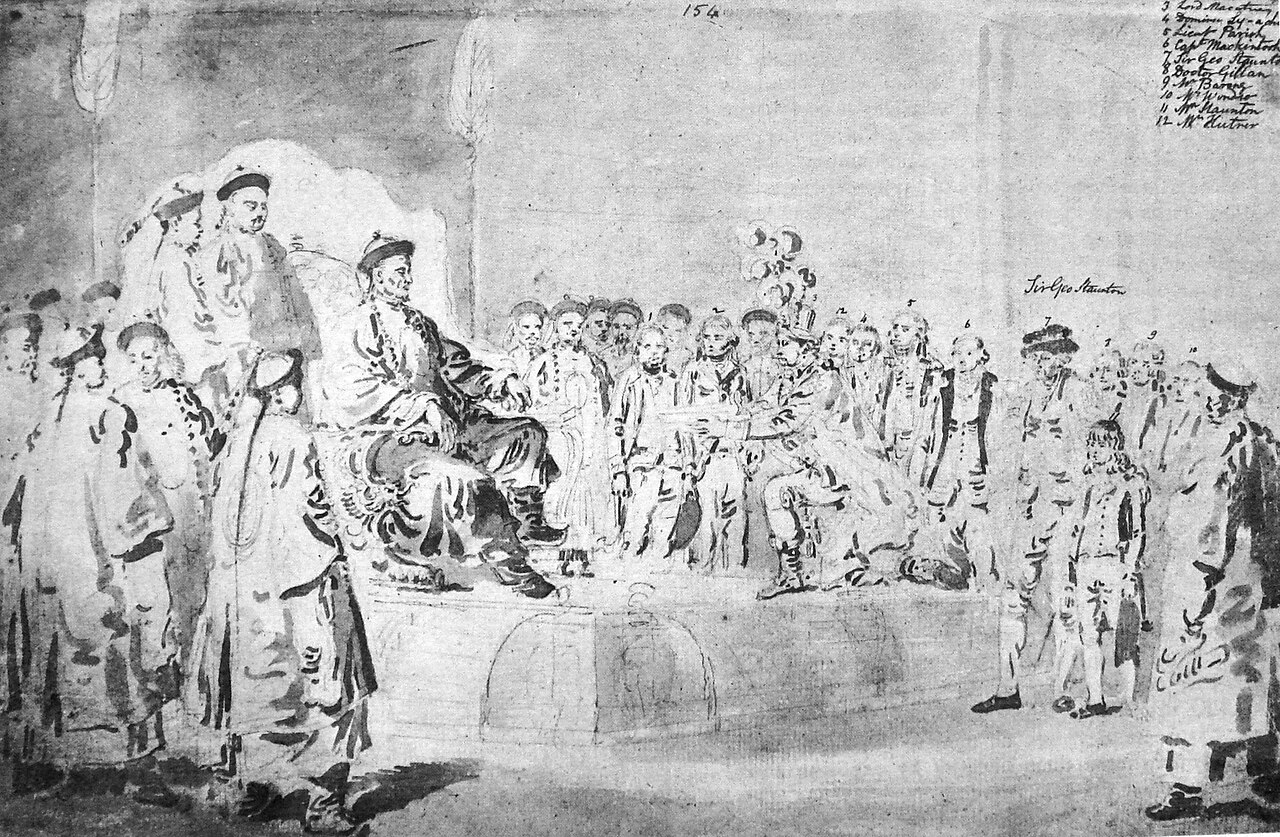
Lord Macartney's Embassy to China, 1793
William Alexander · 1793
 Painting
Primary source
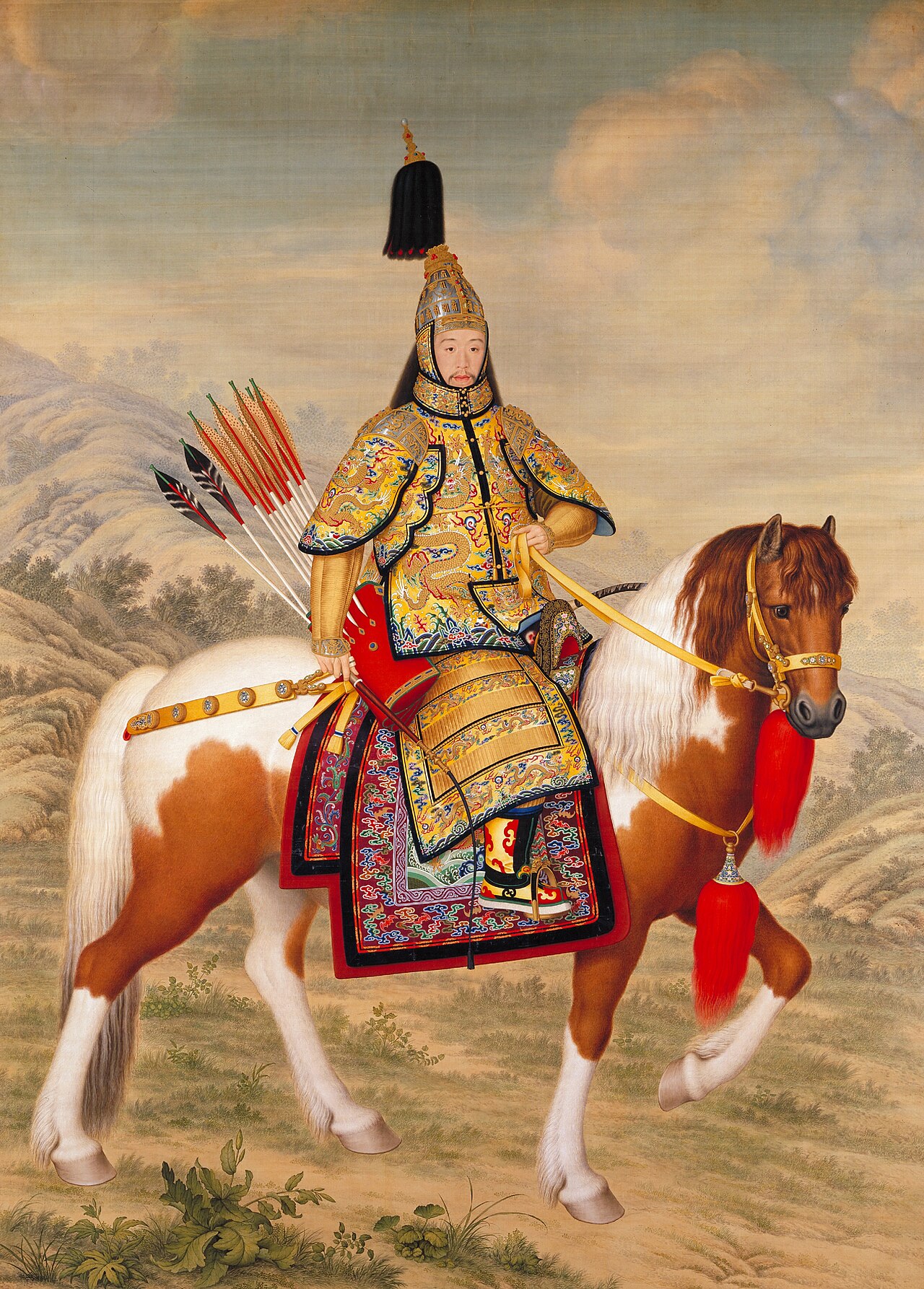
The Qianlong Emperor in Ceremonial Armor on Horseback
Giuseppe Castiglione · 1739
 Document
Primary source
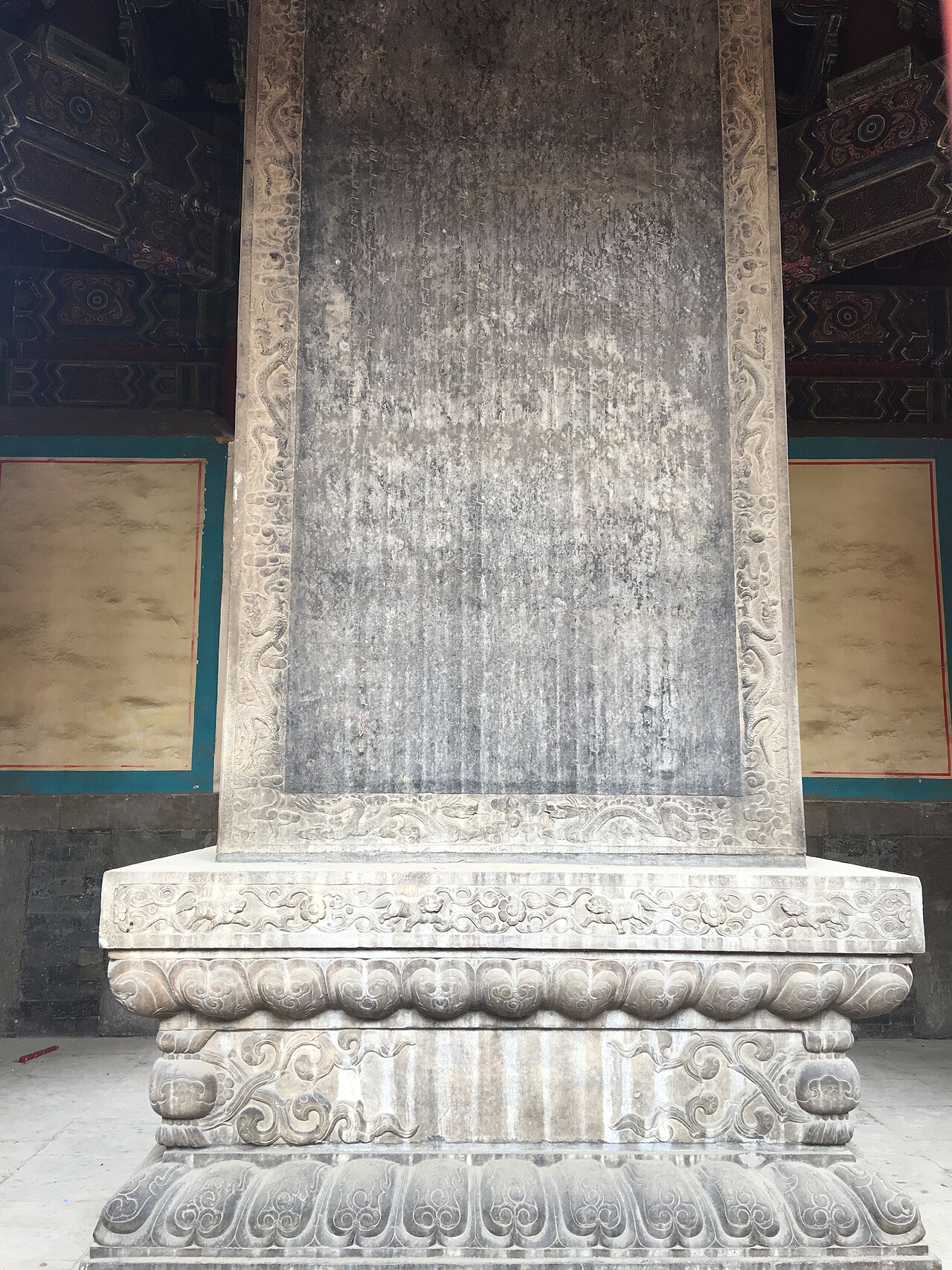
Pronouncement on Lamas
Qianlong Emperor · 1792

Free account
Read every Qianlong Emperor source
Sign up free →
Ready when you are
Start chatting with Qianlong Emperor now.
20 messages free · No credit card · Available in 50+ languages.