


Secondary sourcePaintingc. 1619-1620
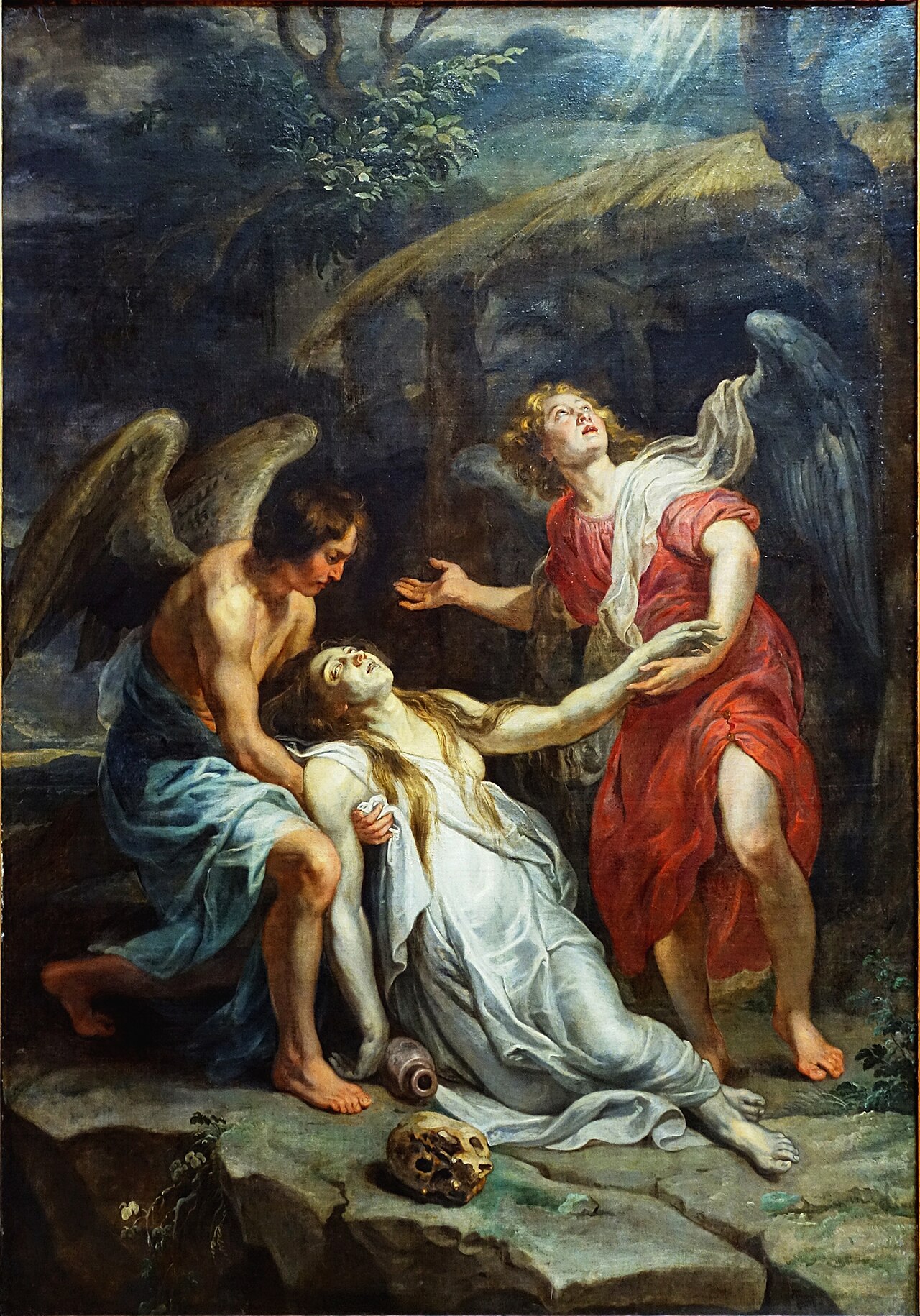
St Mary Magdalene in Ecstasy
Peter Paul Rubens · c. 1619-1620
A painting by Peter Paul Rubens showing Mary Magdalene swooning, supported by angels, based on her legend at Sainte-Baume.
Rubens depicts the legend of Mary Magdalene's daily mystical elevation, supported by angels.
About this source
What it is
This oil-on-canvas painting was made by Peter Paul Rubens around 1619–1620 for the Friars Minor in Ghent. It shows Mary Magdalene supported by two angels as she swoons. The painting was later seized by French occupation troops in 1794 and eventually ended up in the Palais des Beaux-Arts de Lille, where it remains.
Why it matters
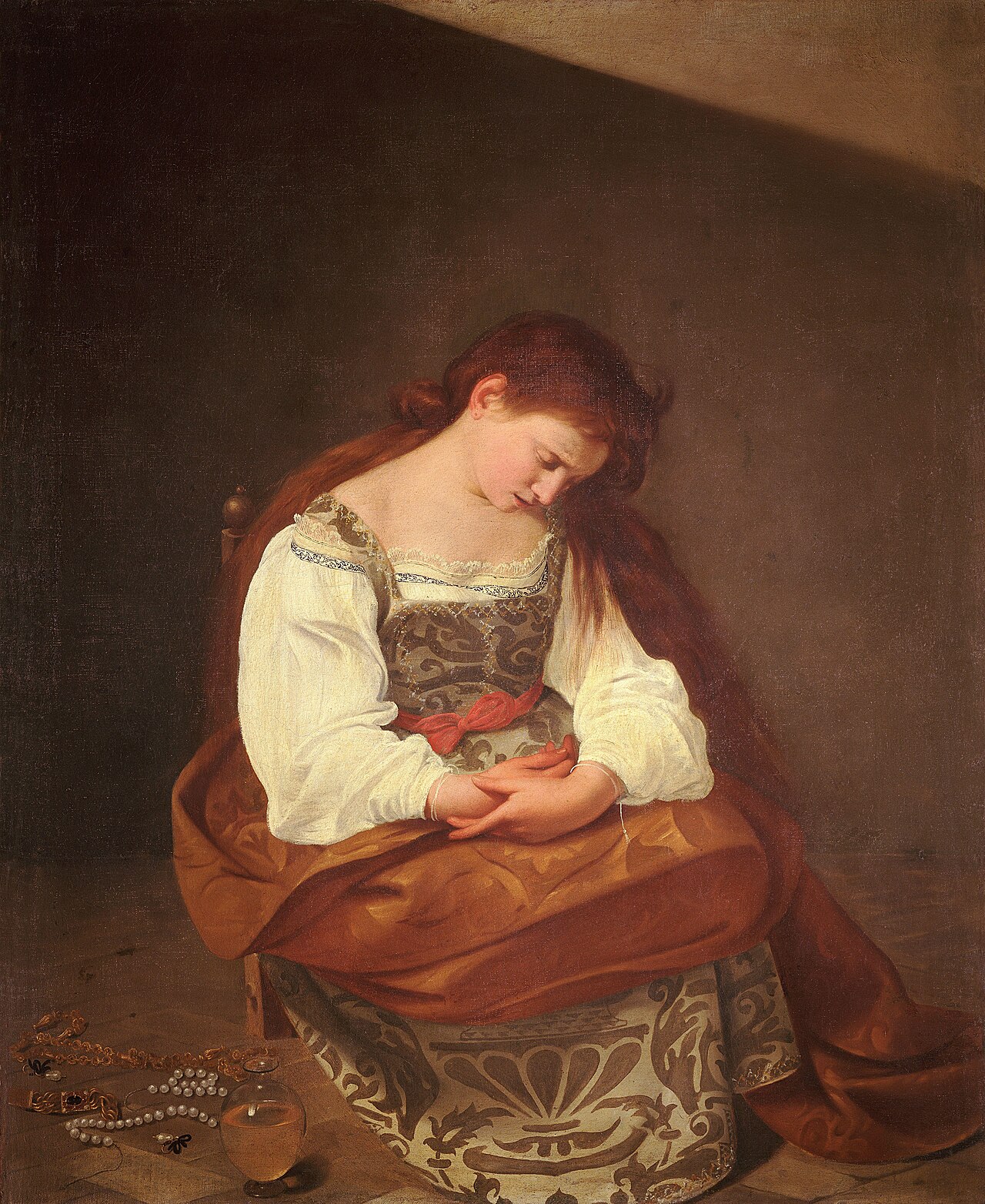
The painting illustrates a legend that angels lifted Mary Magdalene into ecstasy daily while she lived as a hermit. Rubens' version, with visible angels supporting her, follows an older tradition that other artists like Caravaggio had abandoned in favor of a more human, solitary image. Comparing the two approaches shows different ways artists imagined the same religious story.
Look closer
- What role do the angels play in this composition?
- How does this version compare to other ecstasy paintings of Mary Magdalene?
- What symbols of penitence can you find in the painting?
This painting is part of the curated material that grounds the AI version of Mary Magdalene on Humy.ai — when students ask about related events, the AI can quote it and cite it.
More Mary Magdalene sources
Browse all 96 →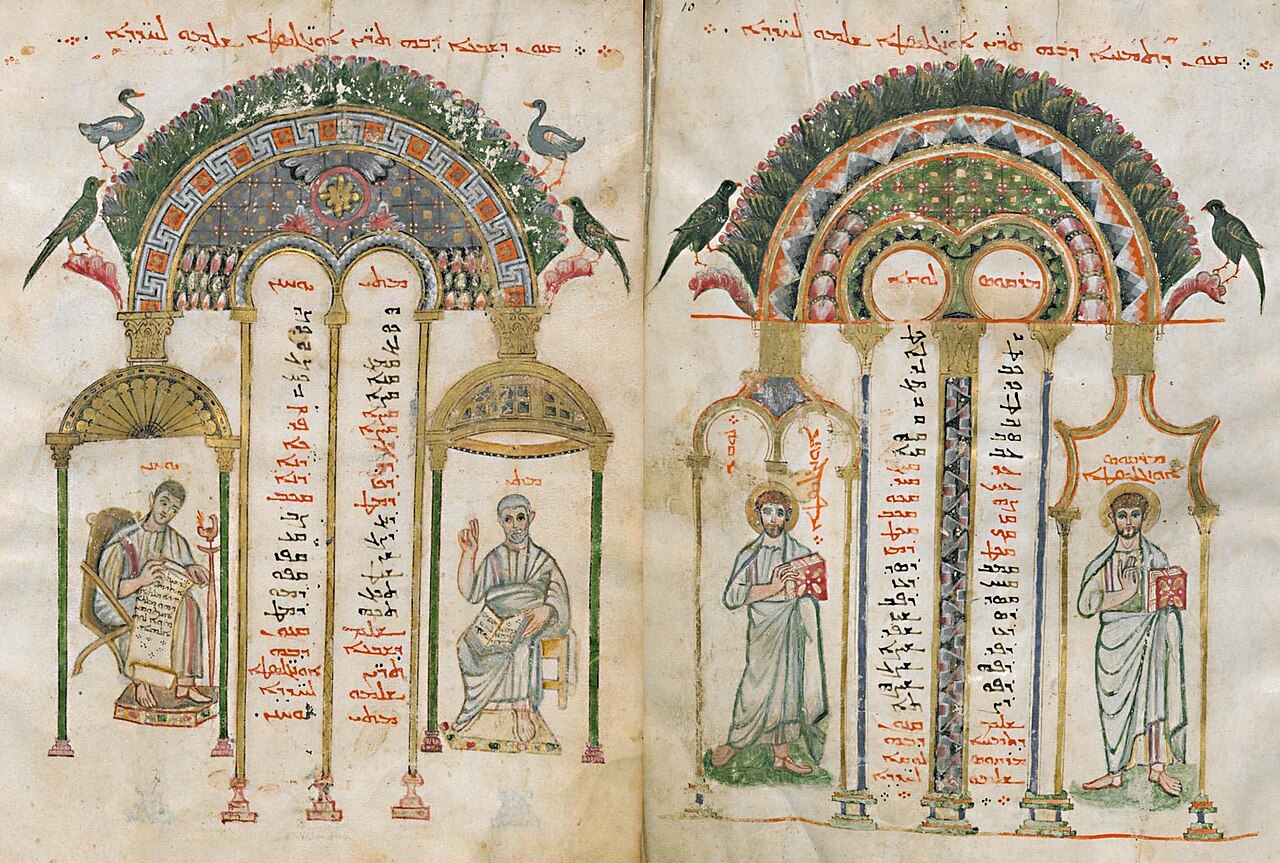 Painting
Secondary source
Rabbula Gospels
Rabbula (scribe) · 586
 Painting
Secondary source
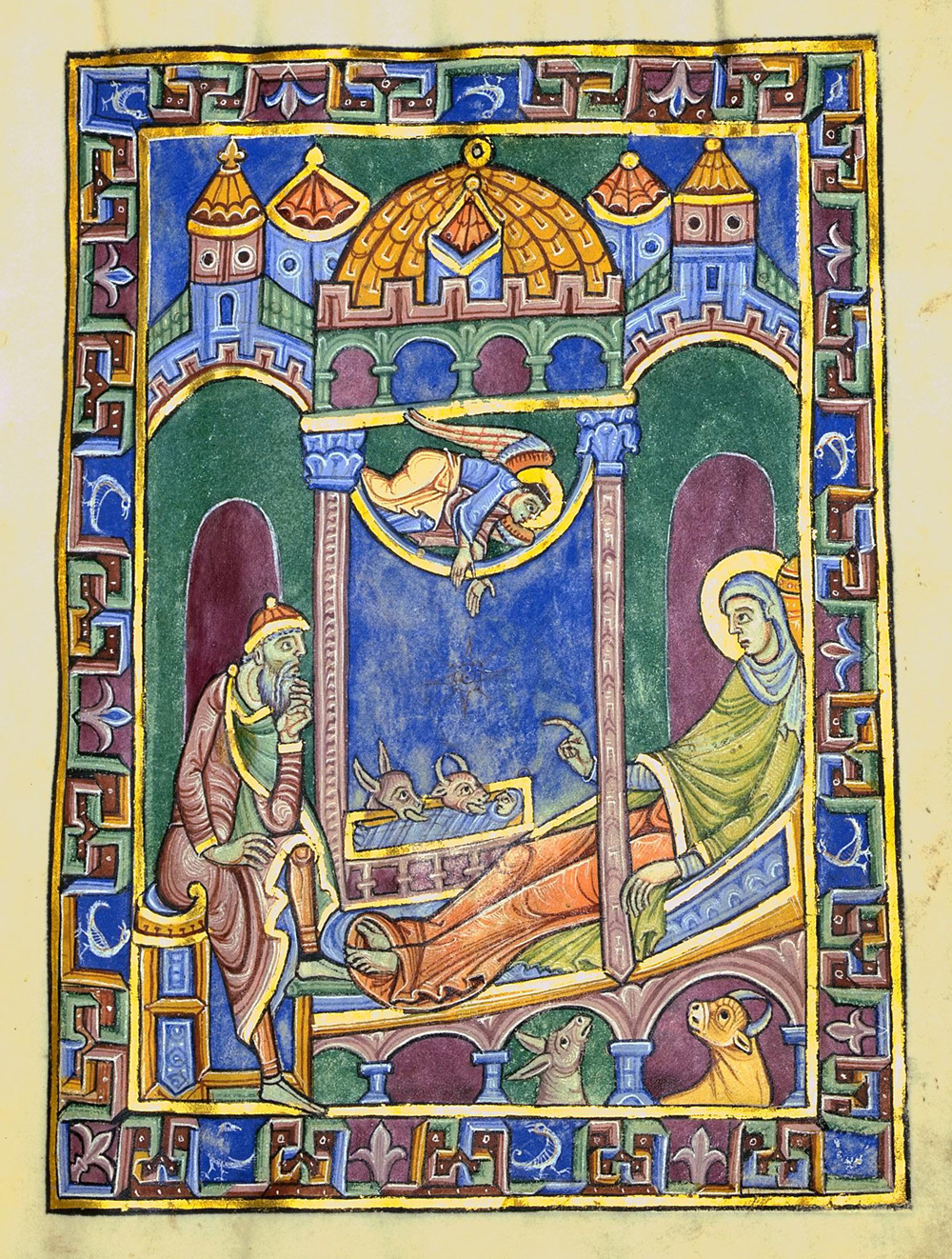
St Albans Psalter
12th century
 Book
Secondary source
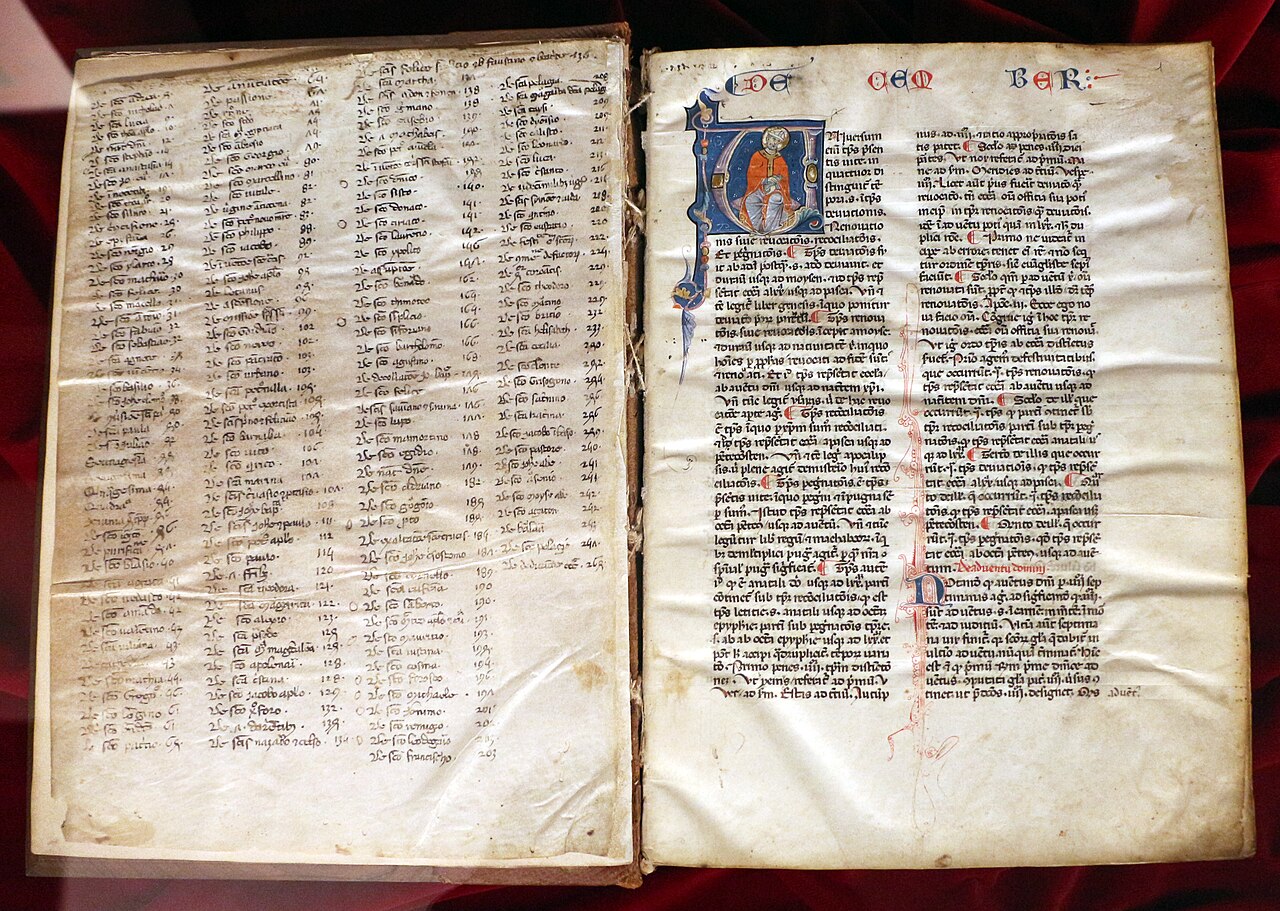
Golden Legend
Jacobus de Voragine · c. 1259–1266
 Artifact
Tertiary source
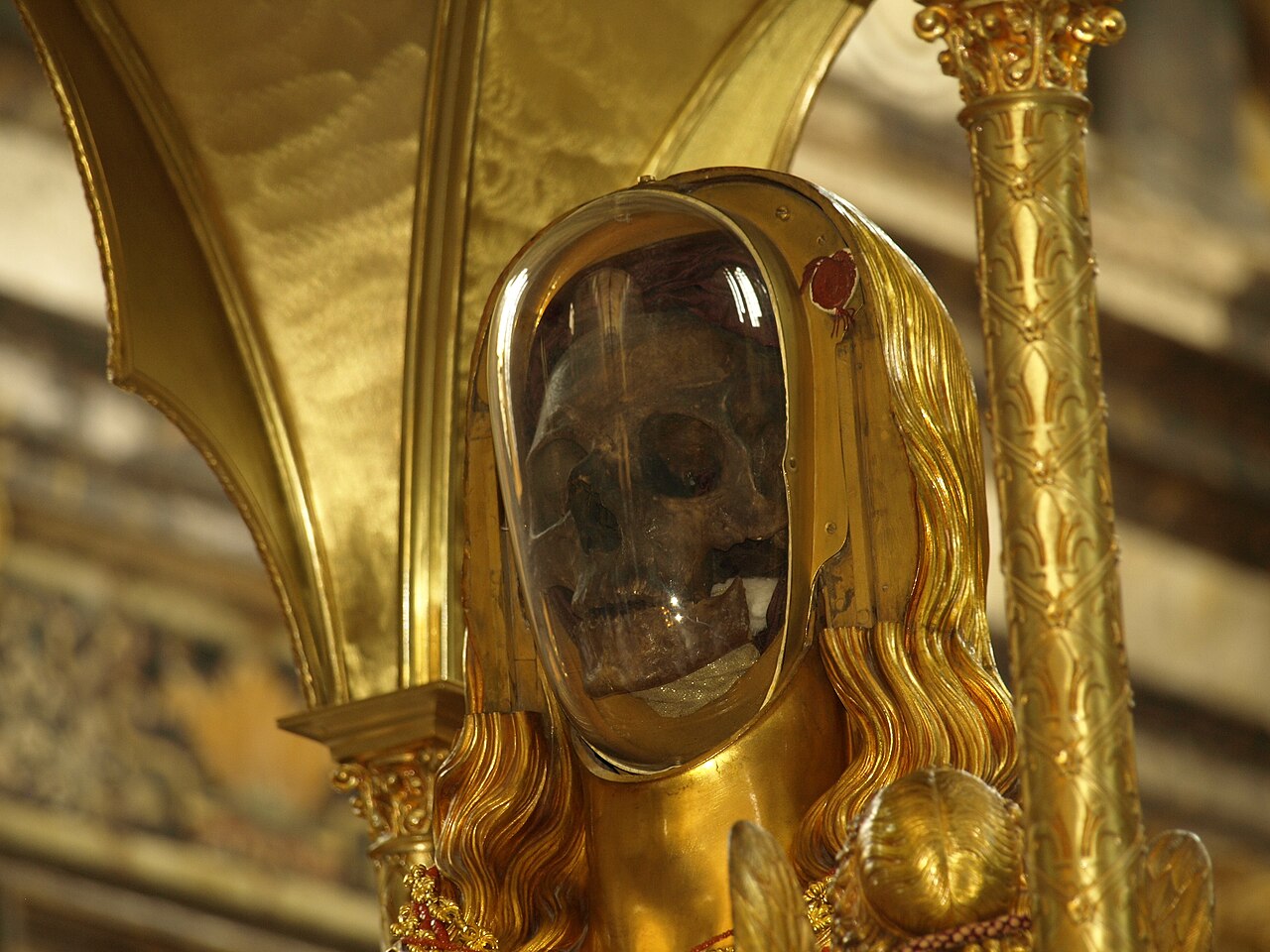
Skull Relic of Mary Magdalene
relic venerated from 1279; reliquary 19th century
Free account
Read every Mary Magdalene source
Sign up free →
Ready when you are
Start chatting with Mary Magdalene now.
20 messages free · No credit card · Available in 50+ languages.