


Secondary sourcePainting1650
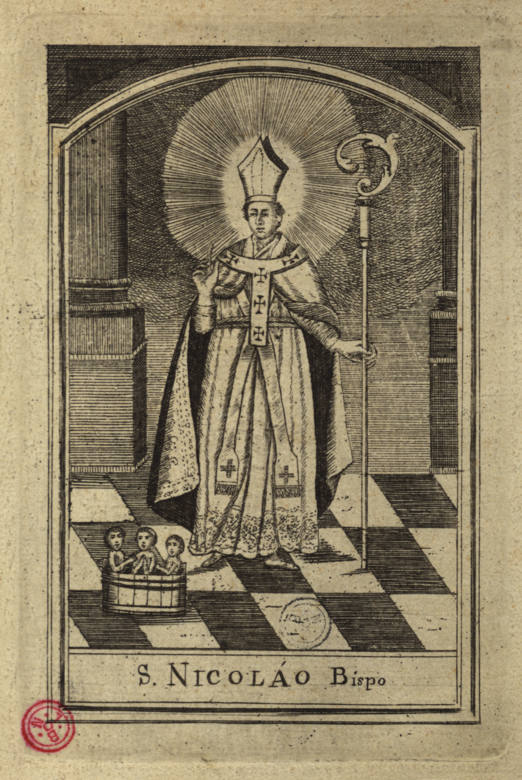
St. Nicholas the Bishop with three children in a tub
1650
An engraved print from 1650 showing Saint Nicholas in bishop's dress beside a tub with three small children. It presents the dowry legend in an image made long after the saint's time.
This print presents Saint Nicholas beside the three children of his legend, showing how his story was illustrated in the mid-1600s.
About this source
What it is
This is an engraved print dated 1650, held by the National Library of Portugal. It shows St. Nicholas in mitre and vestments, with a halo, holding a crozier, standing on a checkered floor beside a tub containing three small children. The caption reads S. Nicoláo Bispo. The library's record describes the bishop beside the three children of the legend.
Why it matters
The legend of the three children is one of the best-known stories about Saint Nicholas, a 4th-century bishop. Prints like this made the saint's story available to many viewers. Because it dates from 1650, it is a secondary source: the image was made centuries after the saint lived, and it shows how European artists of that time understood him.
Look closer
- What do the bishop's clothing, halo and crozier tell you about how he is meant to be seen?
- Why might an artist in 1650 choose to show the children in a tub?
- What parts of the saint's life or the wider history are missing from this single scene?
This painting is part of the curated material that grounds the AI version of Saint Nicholas on Humy.ai — when students ask about related events, the AI can quote it and cite it.
More Saint Nicholas sources
Browse all 91 →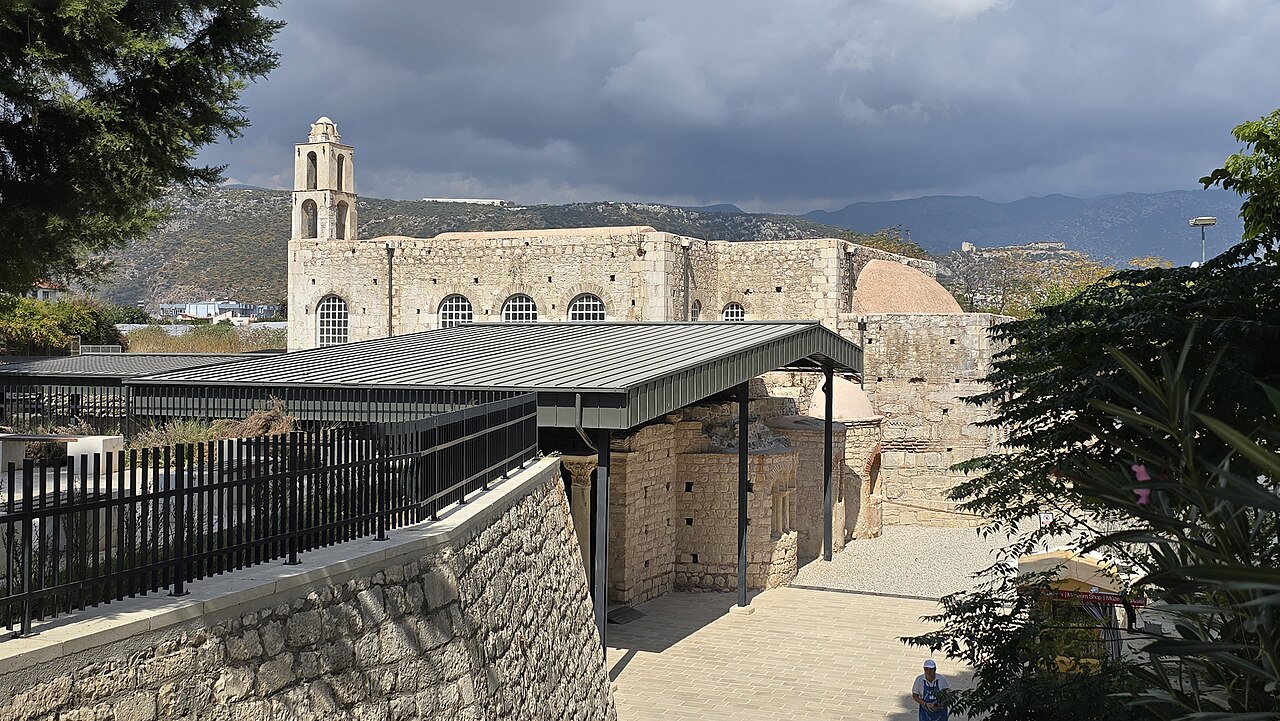 Artifact
Secondary source
St. Nicholas Church, Demre
6th century AD (rebuilt; ruins visible today)
 Artifact
Secondary source
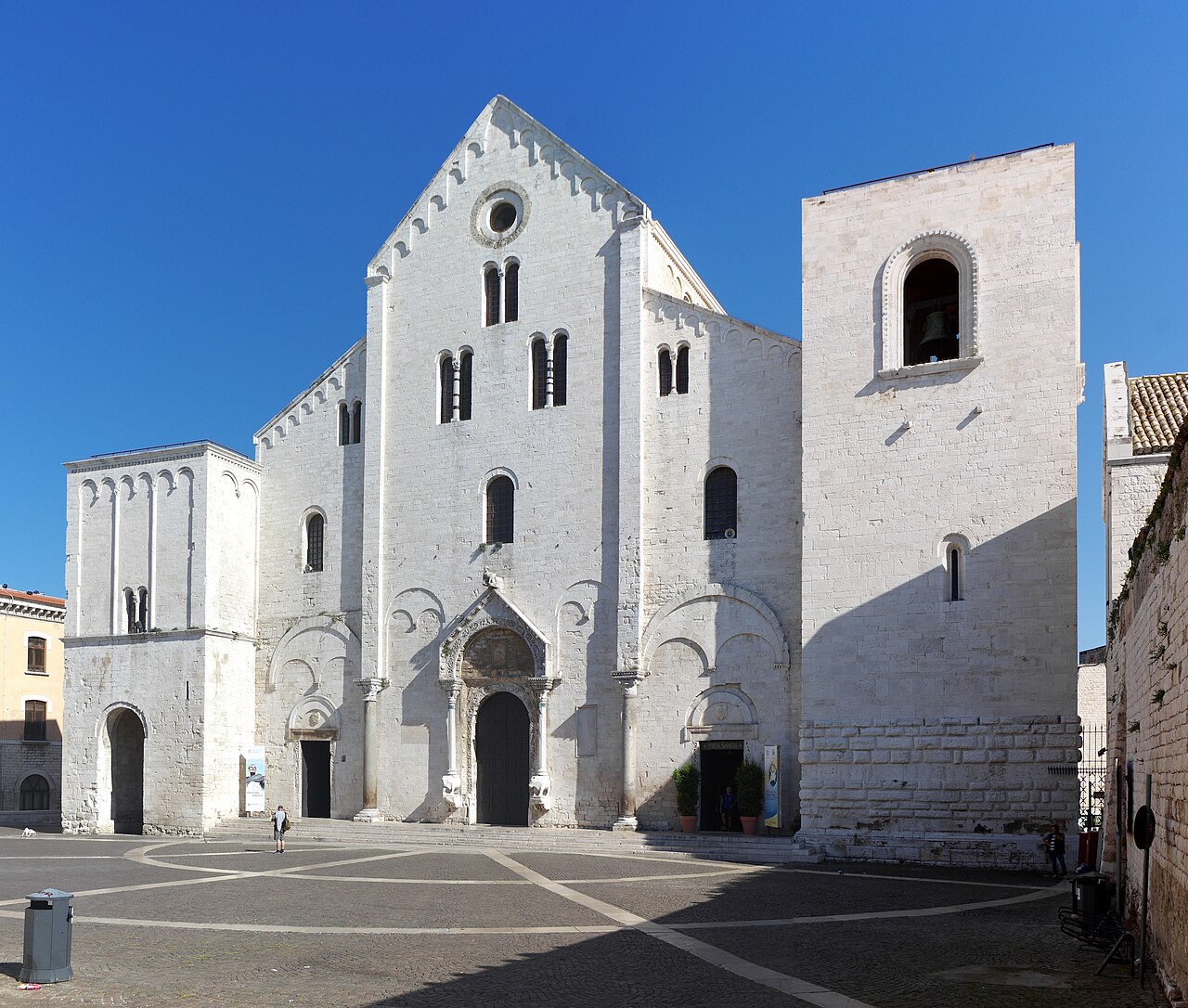
Basilica of Saint Nicholas, Bari
1087–1197
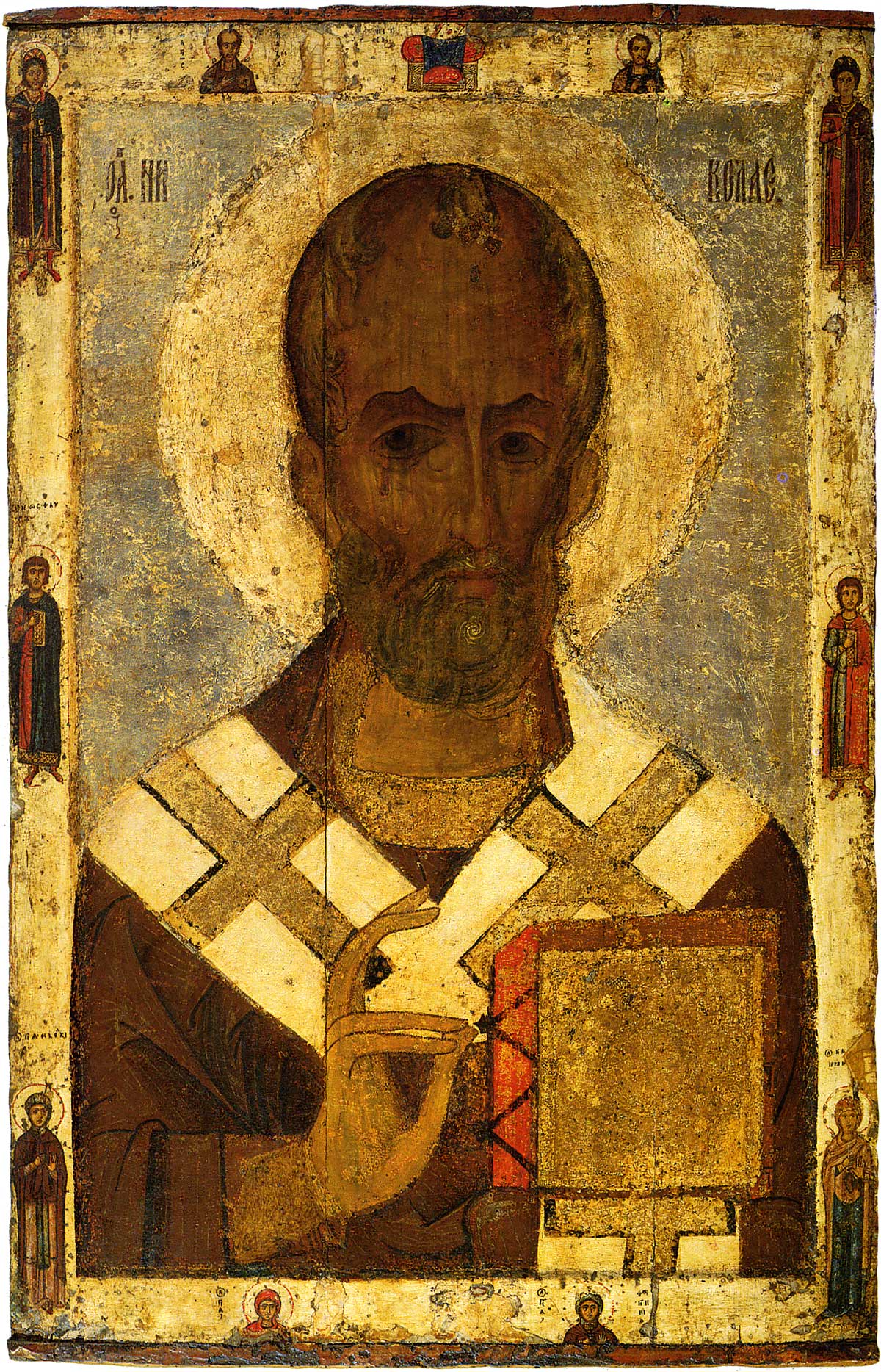
 Painting
Secondary source
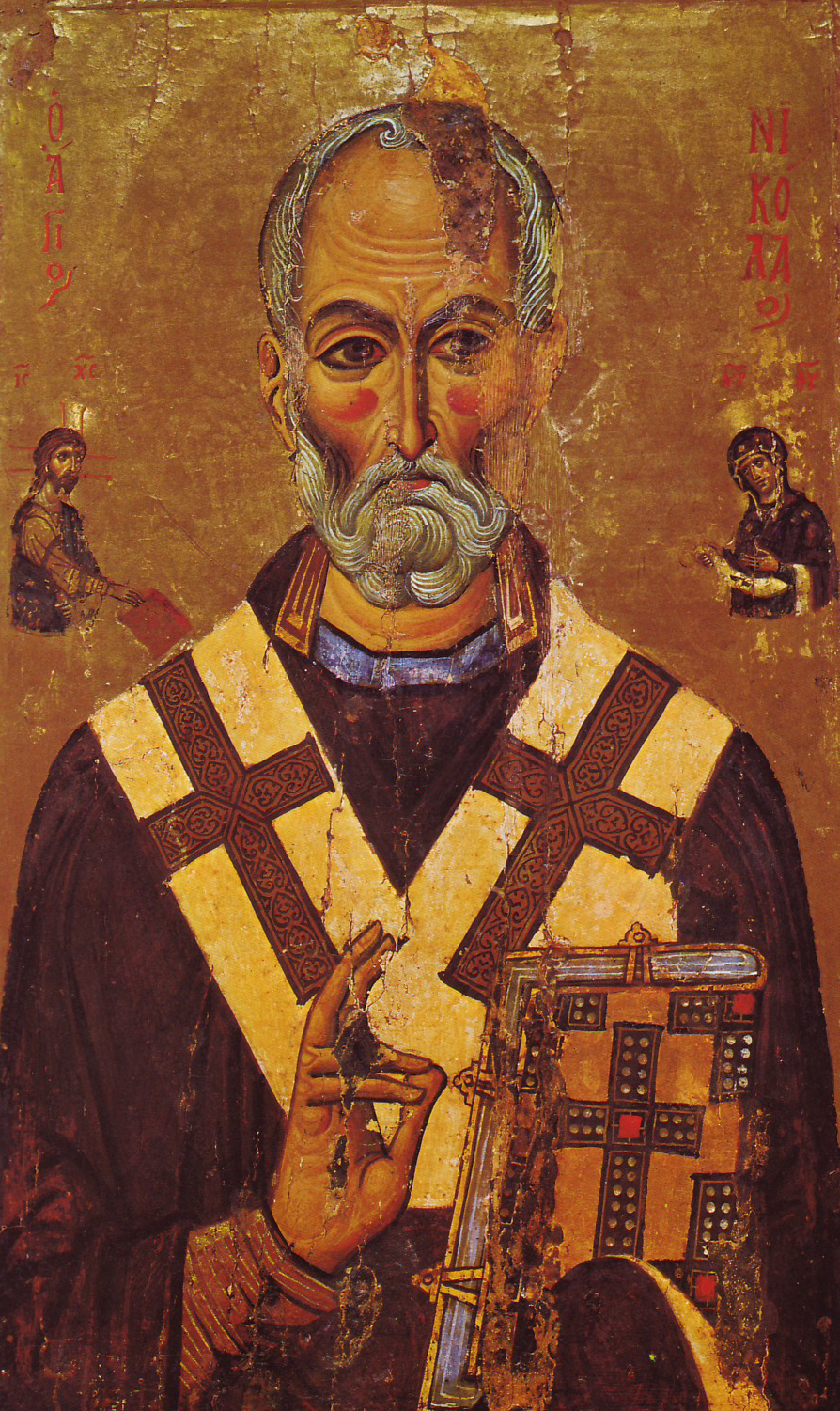
Portrait of Saint Nicholas
first half of the 13th century
 Document
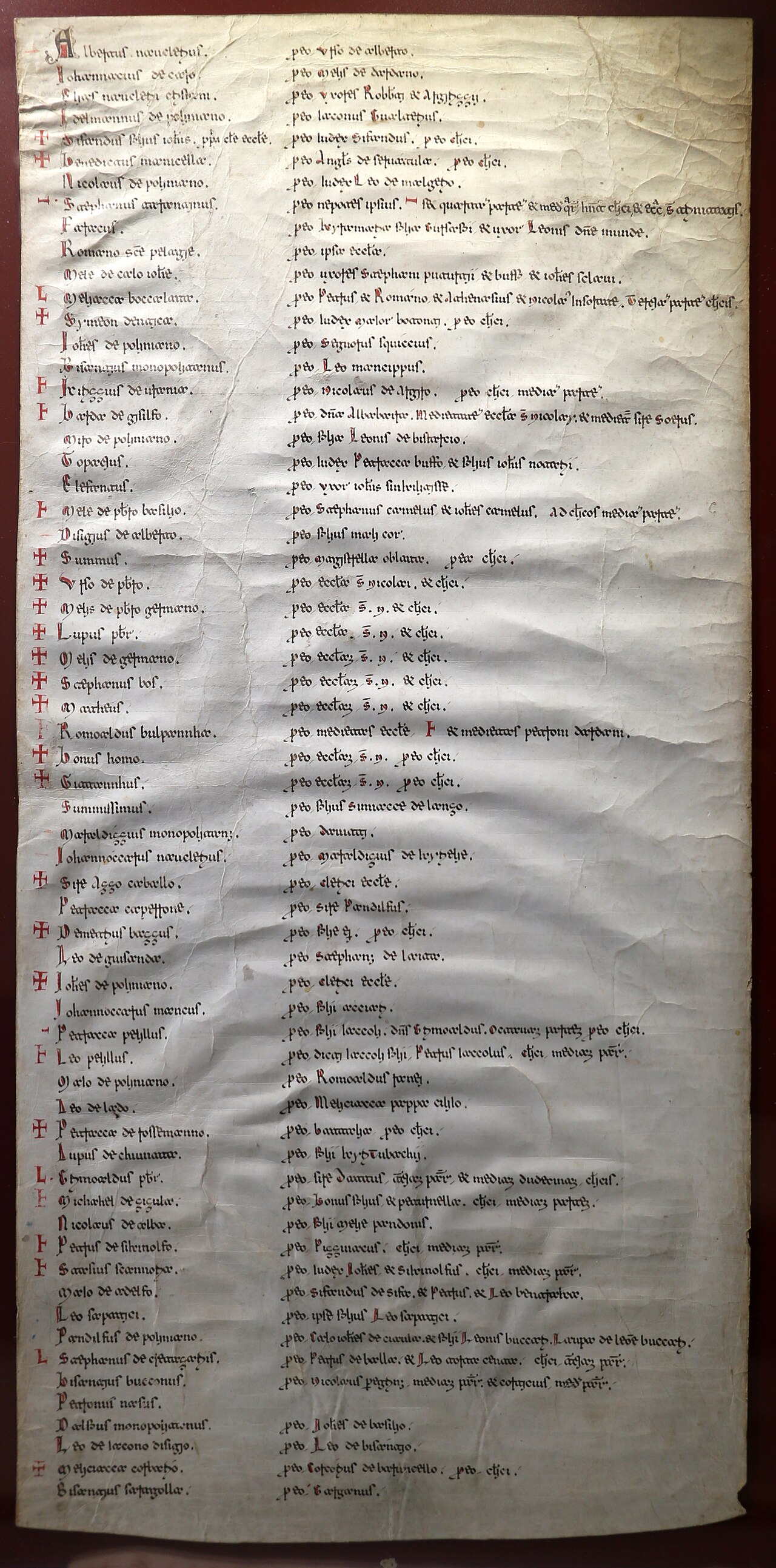
Secondary source
Parchment of the 62 Sailors Who Carried Saint Nicholas's Relics to Bari
c. 1175
Free account
Read every Saint Nicholas source
Sign up free →
Ready when you are
Start chatting with Saint Nicholas now.
20 messages free · No credit card · Available in 50+ languages.