


Primary sourceDocumentJanuary 1905
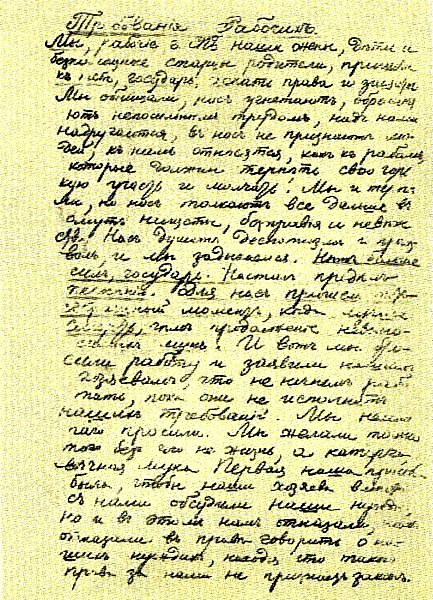
St. Petersburg Workmen's Petition to the Tsar
Georgy Gapon · January 1905
The 1905 petition that striking workers tried to deliver to Nicholas II on Bloody Sunday, listing their grievances and demands.
This petition was addressed directly to Nicholas II and its violent rejection triggered the 1905 Revolution against him.
About this source
What it is
This petition was written by the priest Georgy Gapon and a group of workers' leaders in early January 1905. It asked Tsar Nicholas II for political and economic reforms, including an elected assembly, and was meant to be delivered to him by marching workers on 9/22 January 1905.
Why it matters
The march to deliver this petition ended in the massacre known as Bloody Sunday, when troops fired on the unarmed crowd. Gapon had believed Nicholas II was a caring 'Little Father' who would listen to his people if only he heard their suffering directly. The petition shows what ordinary Russians still expected from their tsar, and how violently that expectation was crushed.
Why it matters
Look closer
- What tone does the petition use when addressing the Tsar, and why might the writers have chosen it?
- What kinds of demands are included, and what does that tell you about workers' daily lives?
- How might Nicholas II's actual response compare with what the petitioners hoped for?
This document is part of the curated material that grounds the AI version of Tsar Nicholas II on Humy.ai — when students ask about related events, the AI can quote it and cite it.
More Tsar Nicholas II sources
Meet the AI Tsar Nicholas II →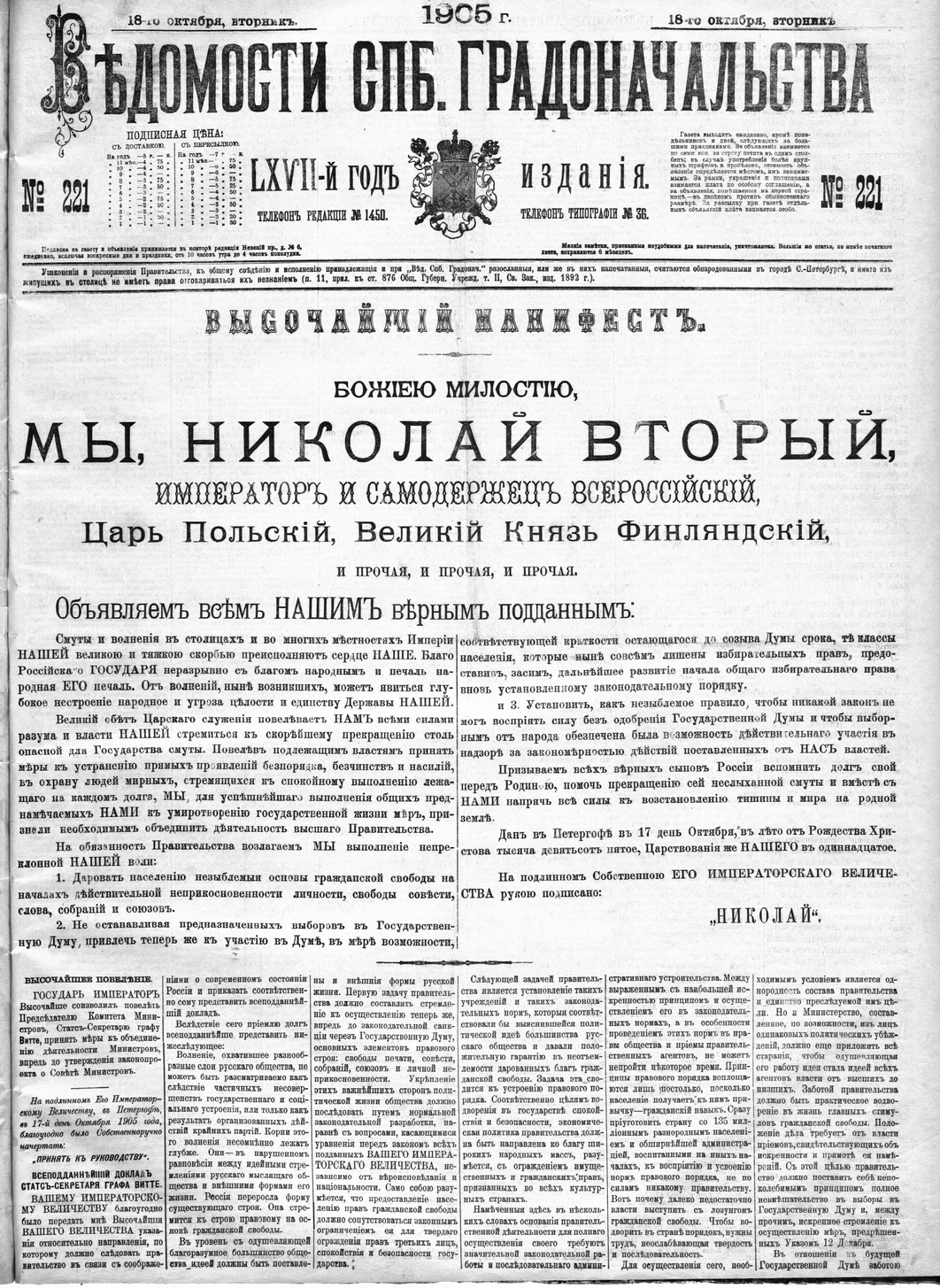 Newspaper article
Primary source
October Manifesto
Nicholas II of Russia · 30 October 1905
 Document
Primary source
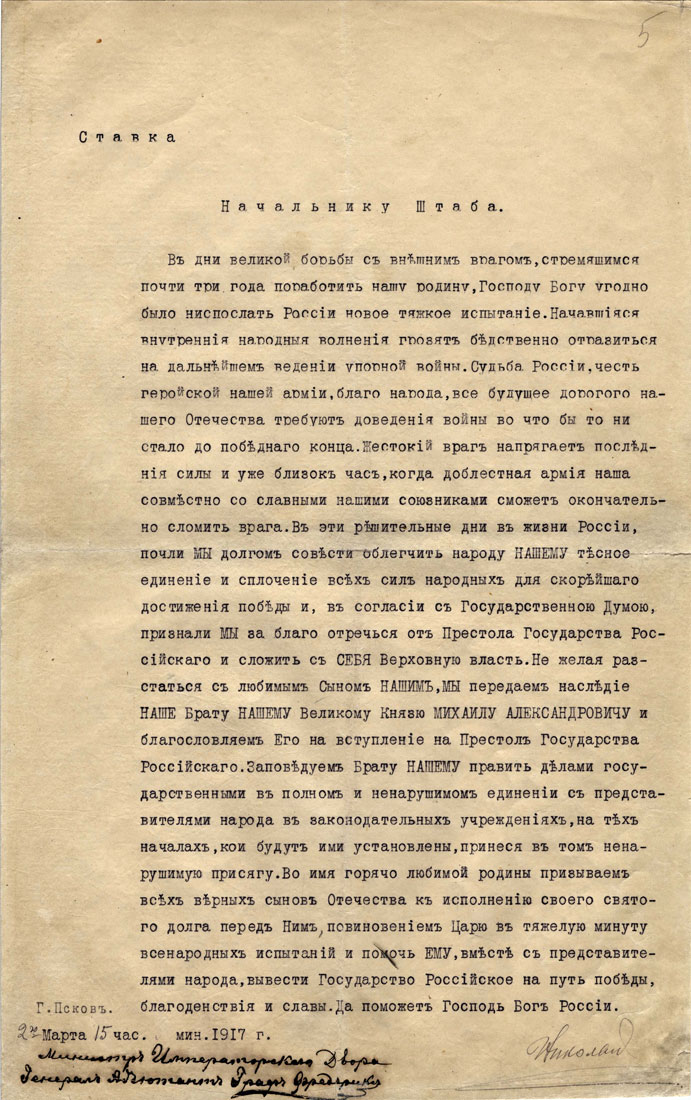
Nicholas II of Russia's abdication
Nicholas II of Russia · 2 March 1917 (O.S.) / 15 March 1917 (N.S.)
Primary source
Russian Constitution of 1906
Nicholas II of Russia · 6 May 1906
 Letter
Primary source
Willy–Nicky Correspondence
Nicholas II of Russia and Wilhelm II · July–August 1914
 Painting
Primary source
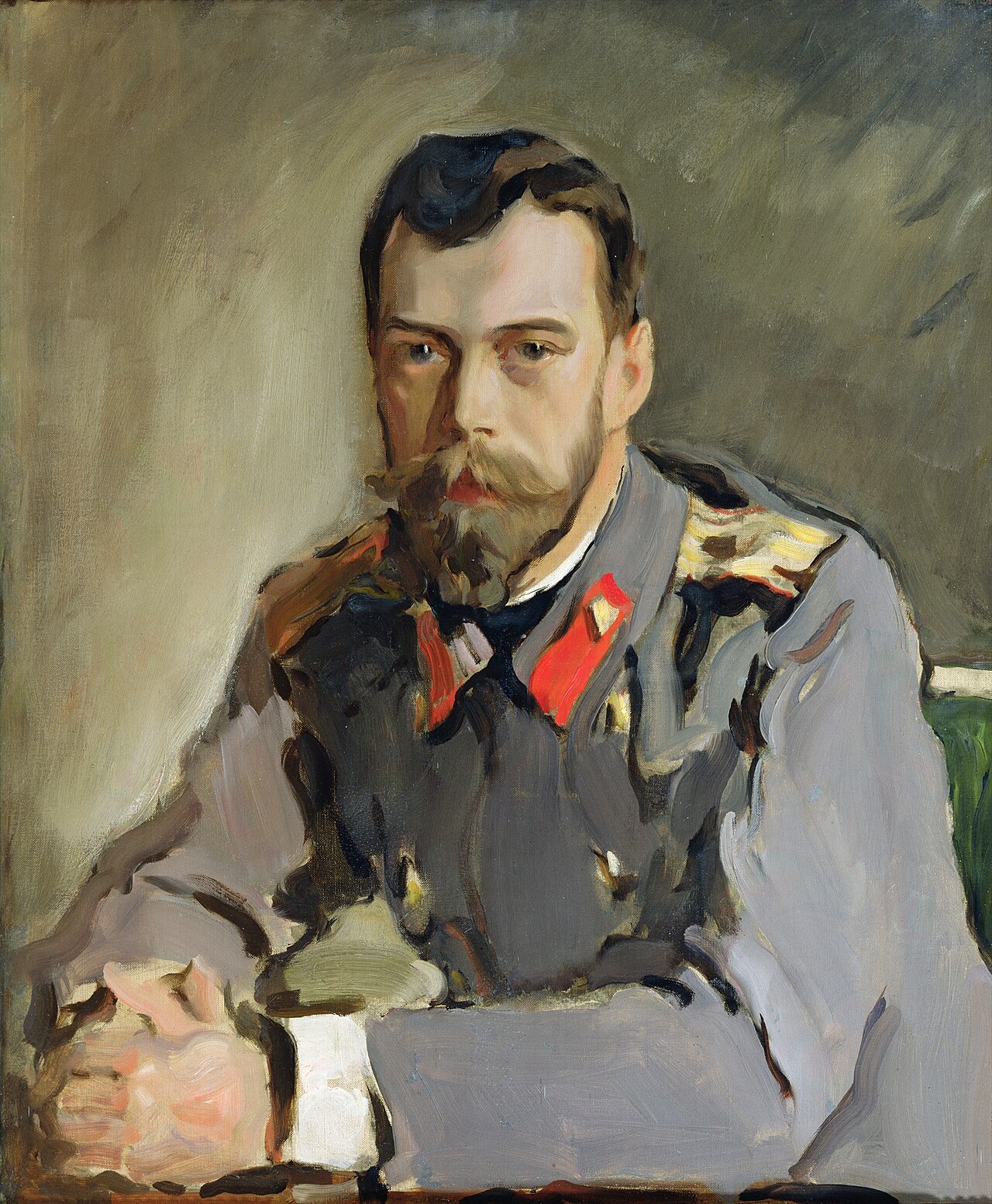
Nicholas II of Russia
Valentin Serov · 1900
Ready when you are
Start chatting with Tsar Nicholas II now.
20 messages free · No credit card · Available in 50+ languages.