


Secondary sourceArtifact1450
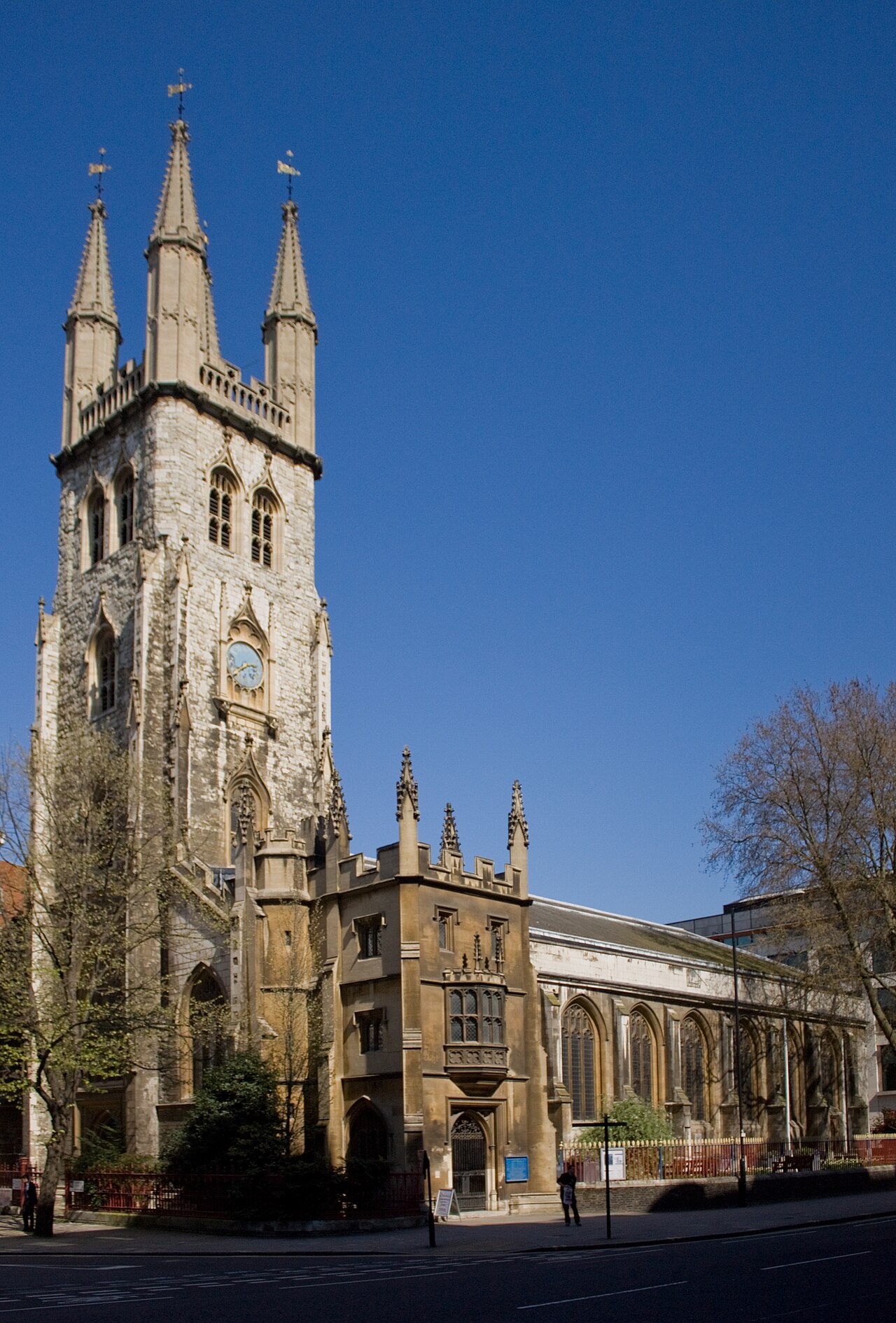
St Sepulchre-without-Newgate, Holborn
1450
The London church, with medieval foundations, where John Smith was buried in 1631 and commemorated by an epitaph.
Smith was buried here in 1631, and an epitaph recorded soon after celebrated his military and colonial career.
About this source
What it is
St Sepulchre-without-Newgate, also known as Holy Sepulchre London, is a large Anglican parish church in the City of London with origins going back to the medieval period. It stands near the Old Bailey and Newgate, on a site with a long history tied to the city's courts and prisons.
Why it matters
John Smith was buried here in 1631. An epitaph recorded soon afterwards in a published survey of London praised him as a soldier who had fought the Turks and as the founder of the Virginia colony. The church's long history connects Smith's burial to centuries of London life, from medieval guilds to its later role as a memorial site for soldiers and musicians.
Look closer
- Why might a 17th-century epitaph choose to highlight military victories over Turks and colonial founding together?
- What does the choice of burial place tell us about how Smith was regarded at his death?
- How has the church's use changed over time, and what does that tell us about what societies choose to remember?
This artifact is part of the curated material that grounds the AI version of John Smith on Humy.ai — when students ask about related events, the AI can quote it and cite it.
More John Smith sources
Browse all 81 →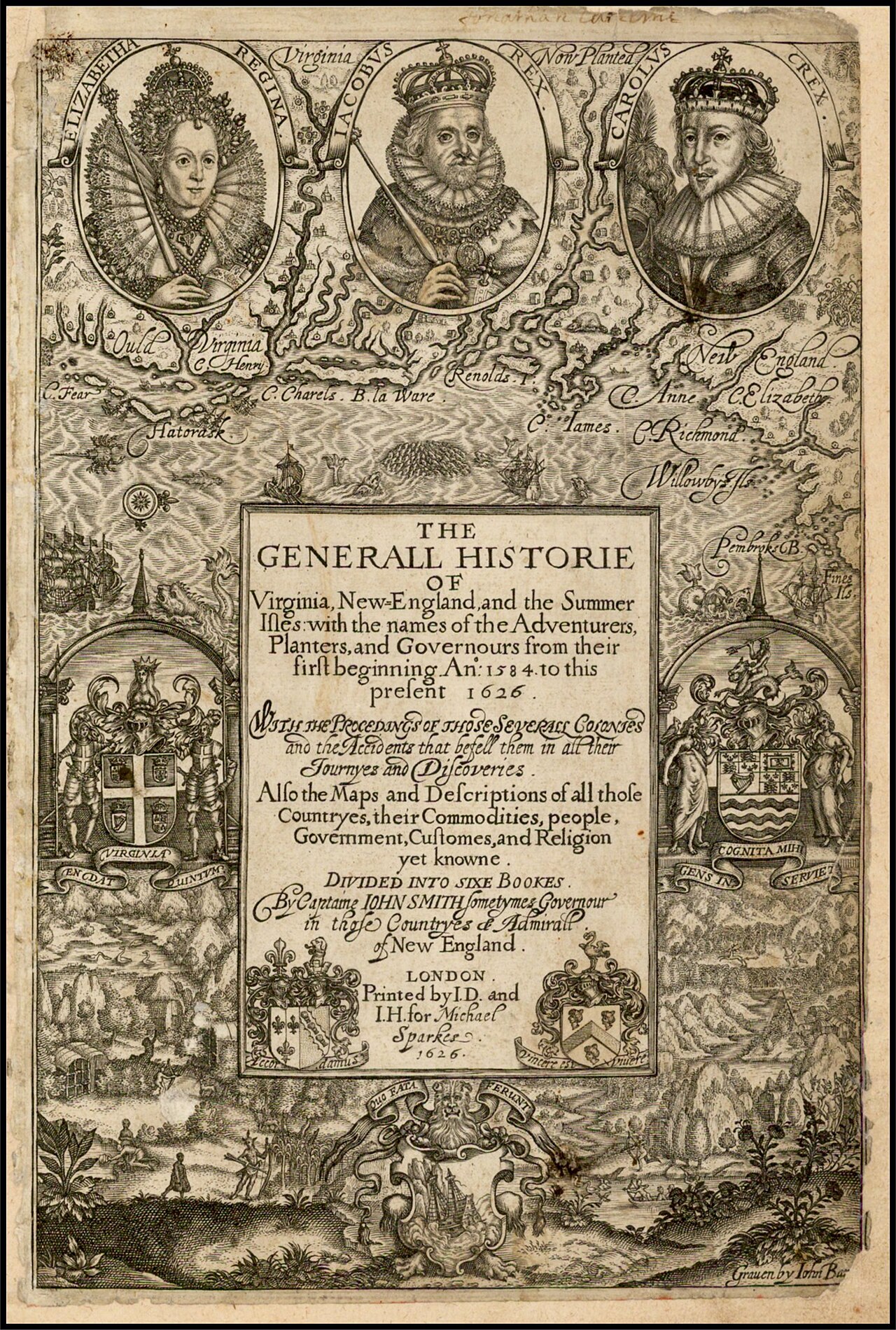 Book
Primary source
The Generall Historie of Virginia, New-England, and the Summer Isles
John Smith · 1624
Primary source
To the Most High and Virtuous Princess
John Smith · 1616
 Document
Primary source
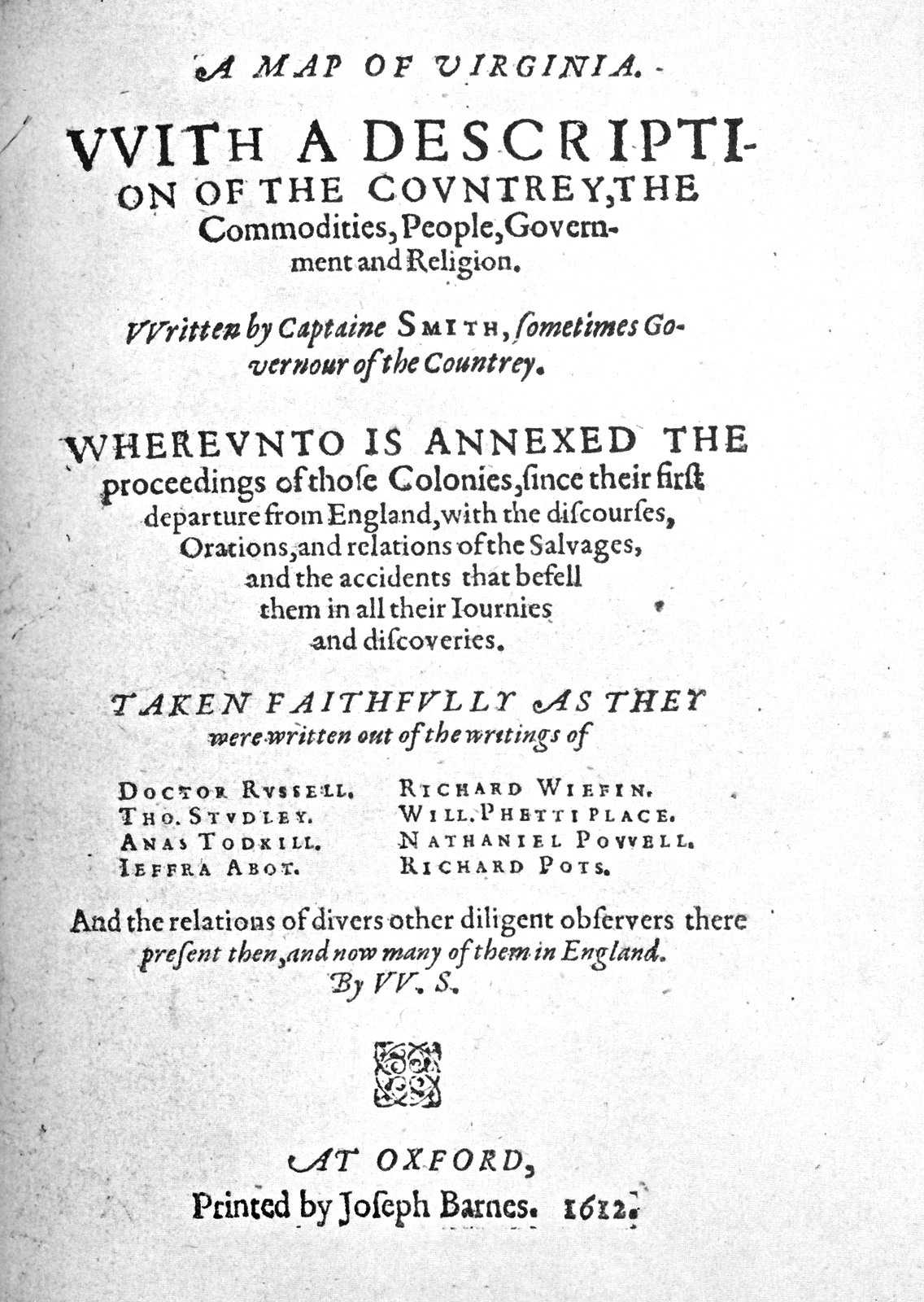
A Map of Virginia
John Smith · 1612
 Book
Primary source
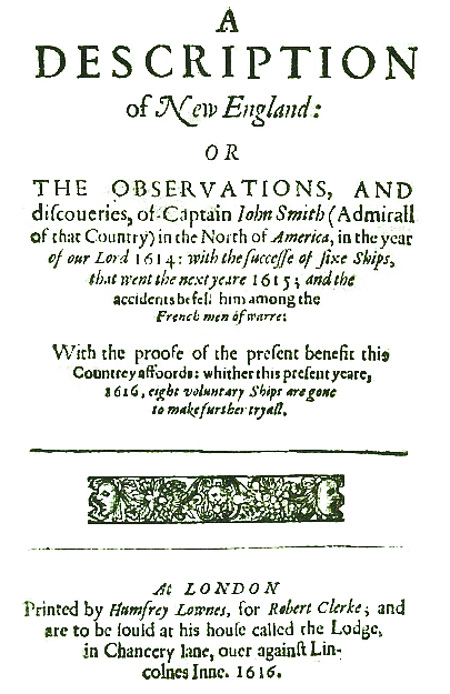
A Description of New England
John Smith · 1616


Free account
Read every John Smith source
Sign up free →
Ready when you are
Start chatting with John Smith now.
20 messages free · No credit card · Available in 50+ languages.