


Secondary sourcePainting1636
St. Wenceslas, King
Jacques Callot · 1636
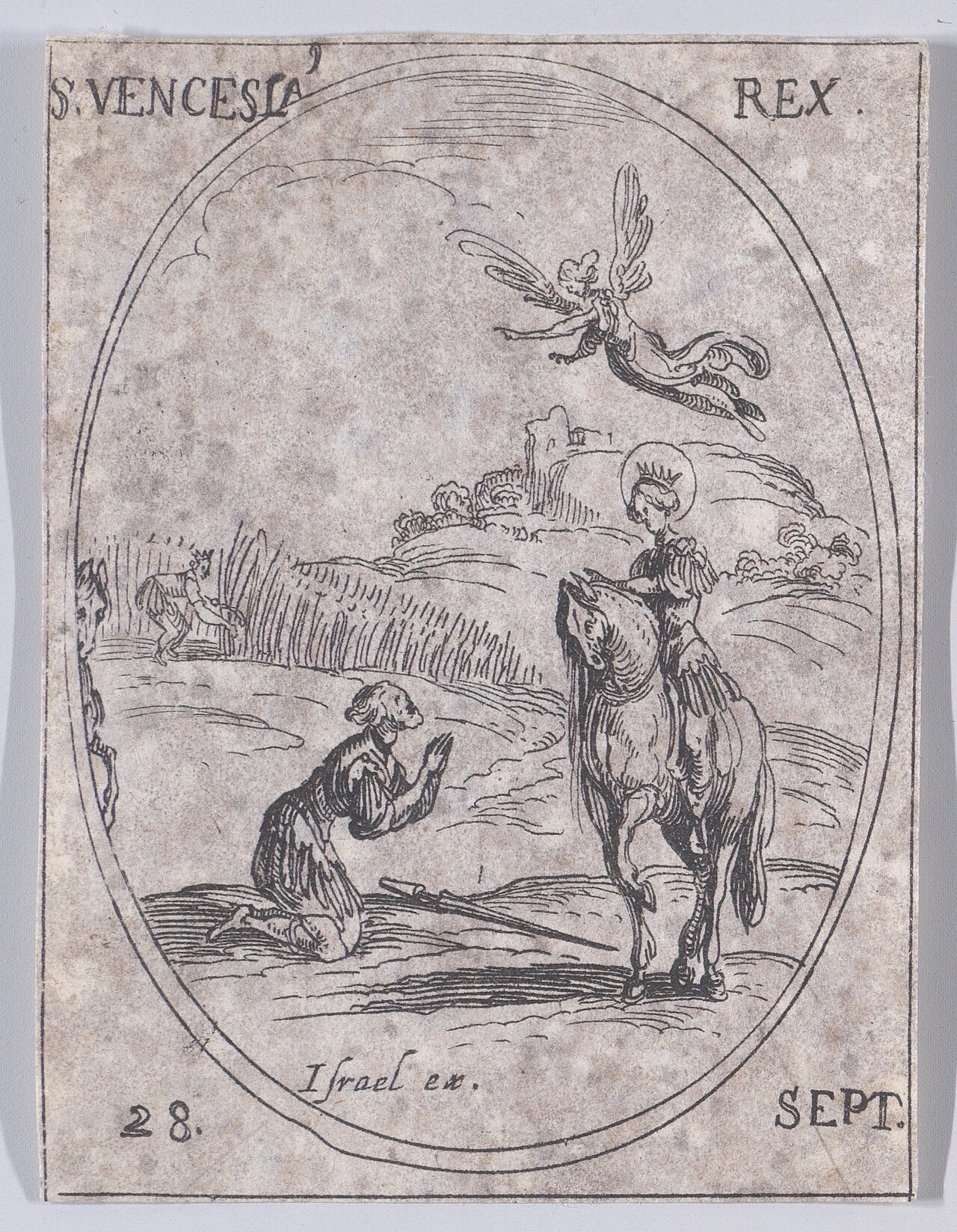
A 1636 etching by Jacques Callot showing Wenceslaus as a crowned rider with a halo, from a series of saints.
This etching depicts Wenceslaus as a sainted rider, part of later European traditions honoring him as a martyr.
About this source
What it is
This oval etching, titled S. VENCESLA REX, was made in 1636 by the French artist Jacques Callot. It shows Wenceslaus as a crowned, haloed rider on horseback, with a kneeling man, a flying angel, a castle, and a lance on the ground.
Why it matters
Callot produced this print as part of a series depicting saints, showing how Wenceslaus's story was retold across Europe centuries after his life, often blending his historical role as duke with his status as a martyr-king figure.
Look closer
- What details in the image suggest Wenceslaus's holiness rather than his political role?
- Why might Callot have included a kneeling figure and an angel in this scene?
- What does the inscribed date suggest about how this image was meant to be used or remembered?
This painting is part of the curated material that grounds the AI version of Wenceslaus I, Duke of Bohemia on Humy.ai — when students ask about related events, the AI can quote it and cite it.
More Wenceslaus I, Duke of Bohemia sources
Browse all 92 →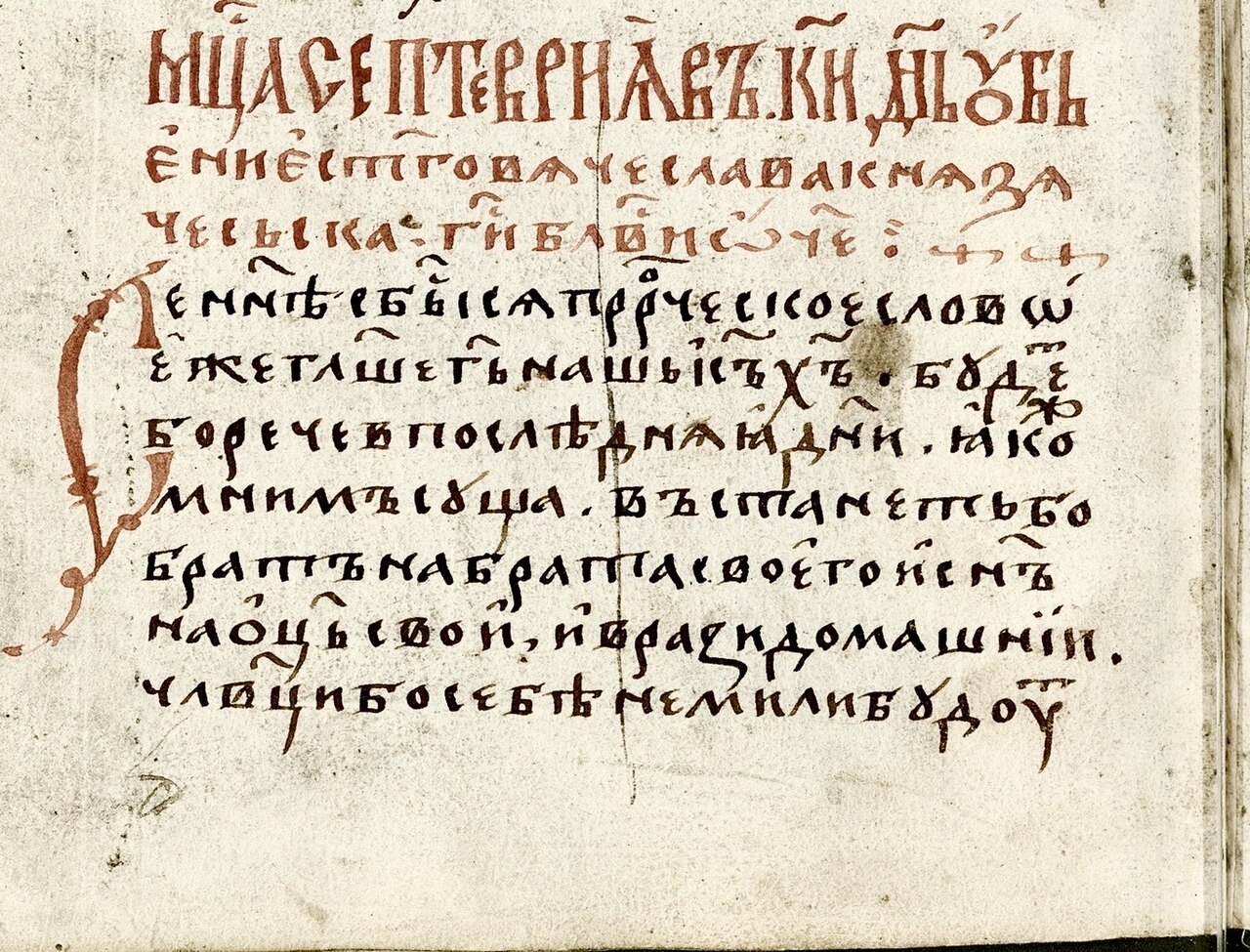 Book
Secondary source
Life of Saint Wenceslaus
c. 930
 Artifact
Primary source
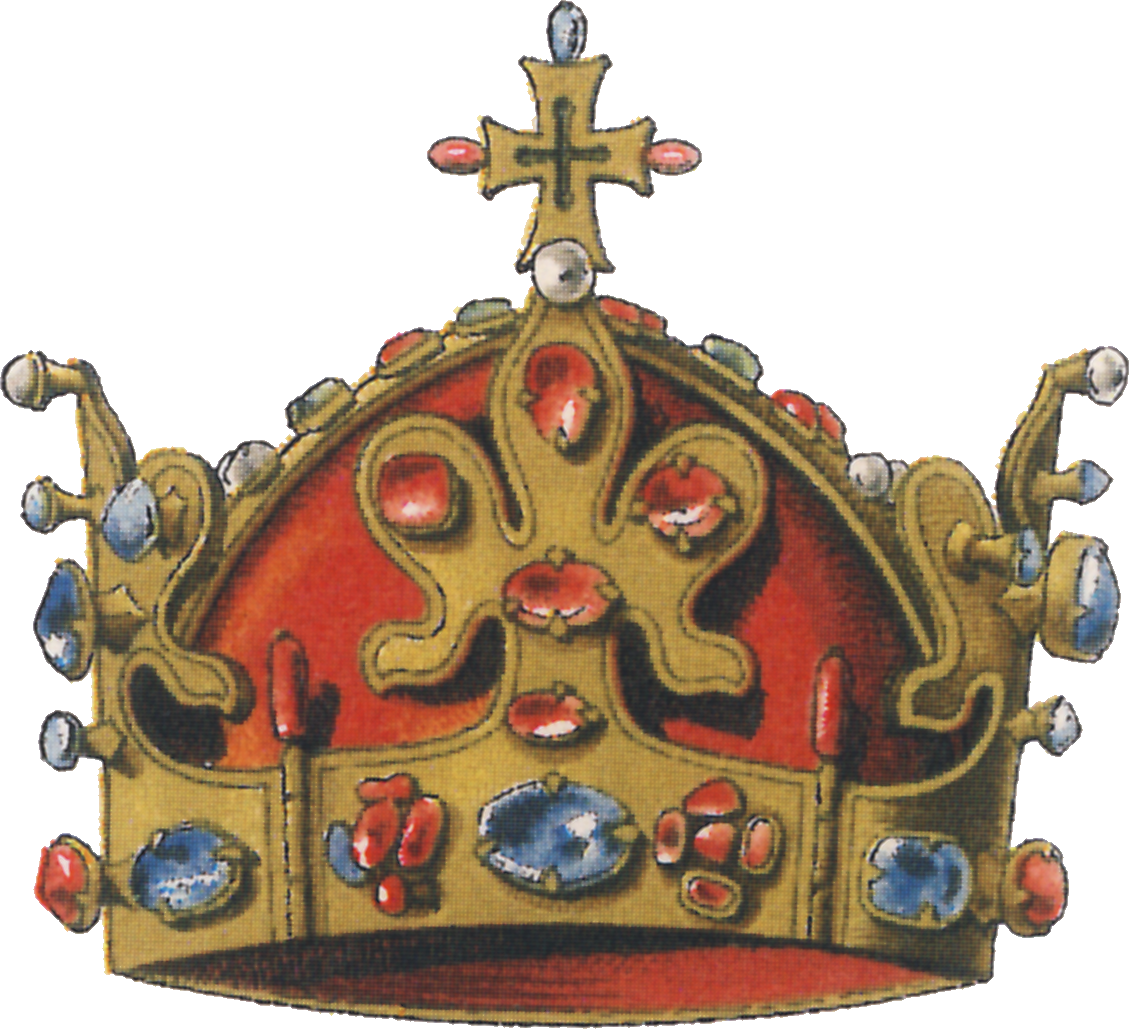
Crown of Saint Wenceslas
1347
 Artifact
Primary source
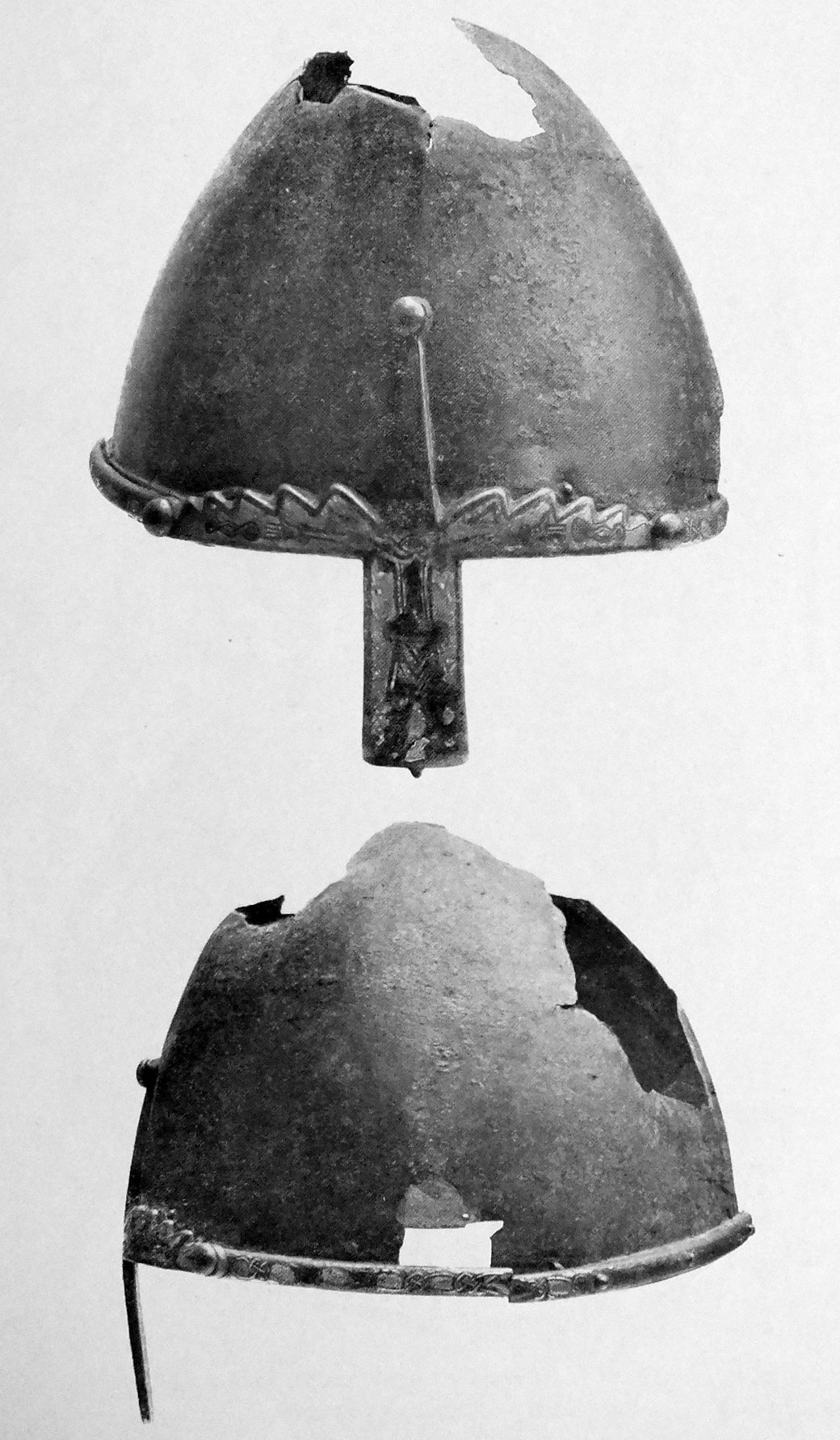
Helmet of Saint Wenceslaus
early medieval period
 Book
Secondary source
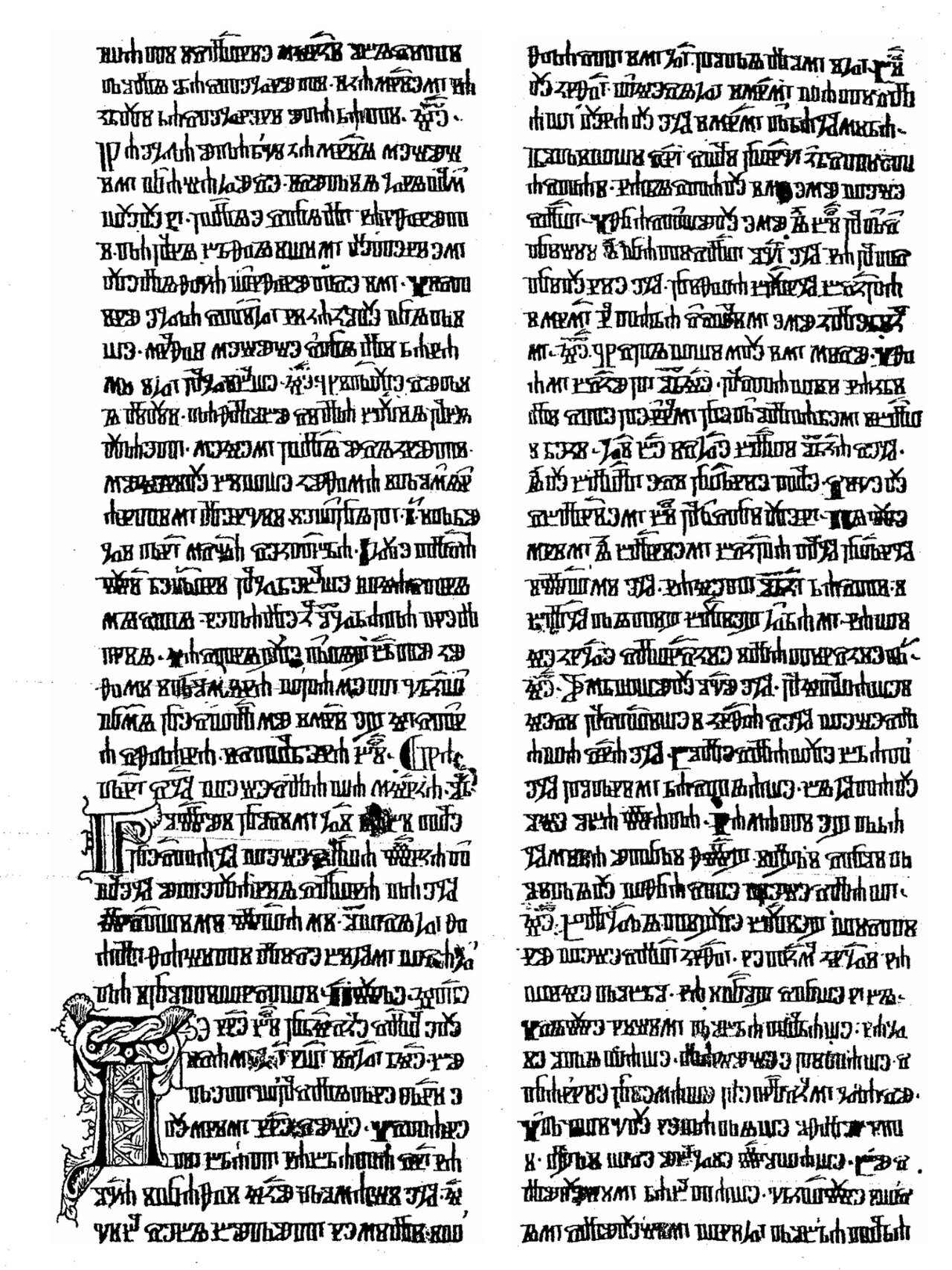
Church Slavonic Vita of Saint Wenceslaus and Ludmila
14th century
Free account
Read every Wenceslaus I, Duke of Bohemia source
Sign up free →
Ready when you are
Start chatting with Wenceslaus I, Duke of Bohemia now.
20 messages free · No credit card · Available in 50+ languages.