


Secondary sourceArtifact1925-1935
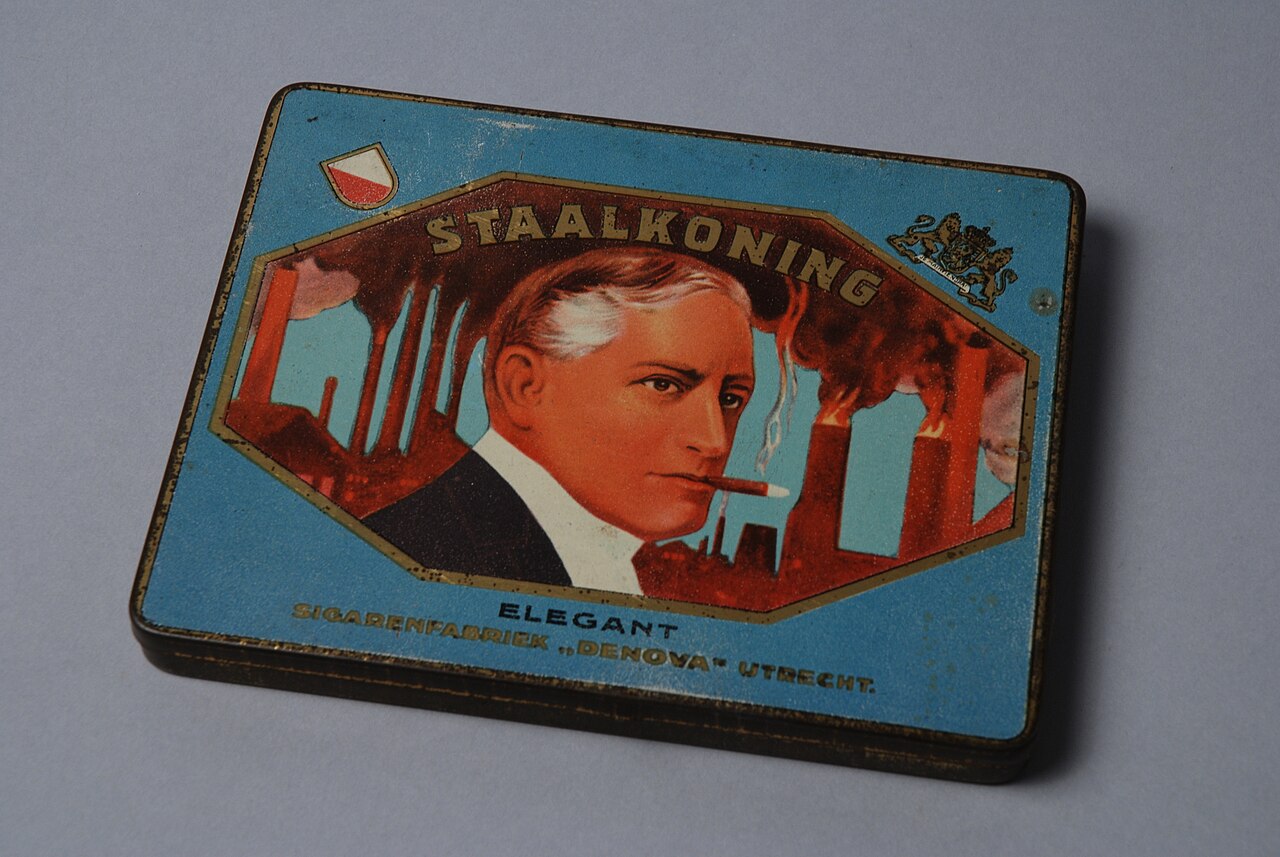
Staalkoning Cigar Tin
Fa. Numan · 1925-1935
A Dutch cigar tin from the 1920s-1930s decorated with a portrait of Andrew Carnegie, showing his image used as a symbol of wealth in advertising.
This commercial tin uses Carnegie's portrait and nickname 'Steel King' to market cigars, showing his fame as an industrial icon.
About this source
What it is
This is a rectangular tin with a hinged lid, made by the Dutch firm Numan in Amsterdam between 1925 and 1935 for a cigar brand called 'Staalkoning' ('Steel King'). The lid shows a portrait of a white-haired man with a cigar, identified as Andrew Carnegie, framed against smoking factory chimneys.
Why it matters
By the 1920s, Carnegie's image had become widely recognizable as a symbol of industrial success and wealth, used here to sell cigars in the Netherlands years after his death. This shows how famous business figures could become commercial icons, their likeness used for marketing purposes without direct connection to the product itself.
Look closer
- Why might a cigar company choose Carnegie's face and the nickname 'Steel King' to sell its product?
- What does the factory-chimney background suggest the advertisers wanted customers to associate with Carnegie?
- What does this object tell us about how Carnegie was remembered in Europe after his death?
This artifact is part of the curated material that grounds the AI version of Andrew Carnegie on Humy.ai — when students ask about related events, the AI can quote it and cite it.
More Andrew Carnegie sources
Meet the AI Andrew Carnegie →Primary source
The Gospel of Wealth
Andrew Carnegie · June 1889
 Book
Primary source
The Autobiography of Andrew Carnegie
Andrew Carnegie · 1920 (published posthumously)
 Newspaper article
Primary source
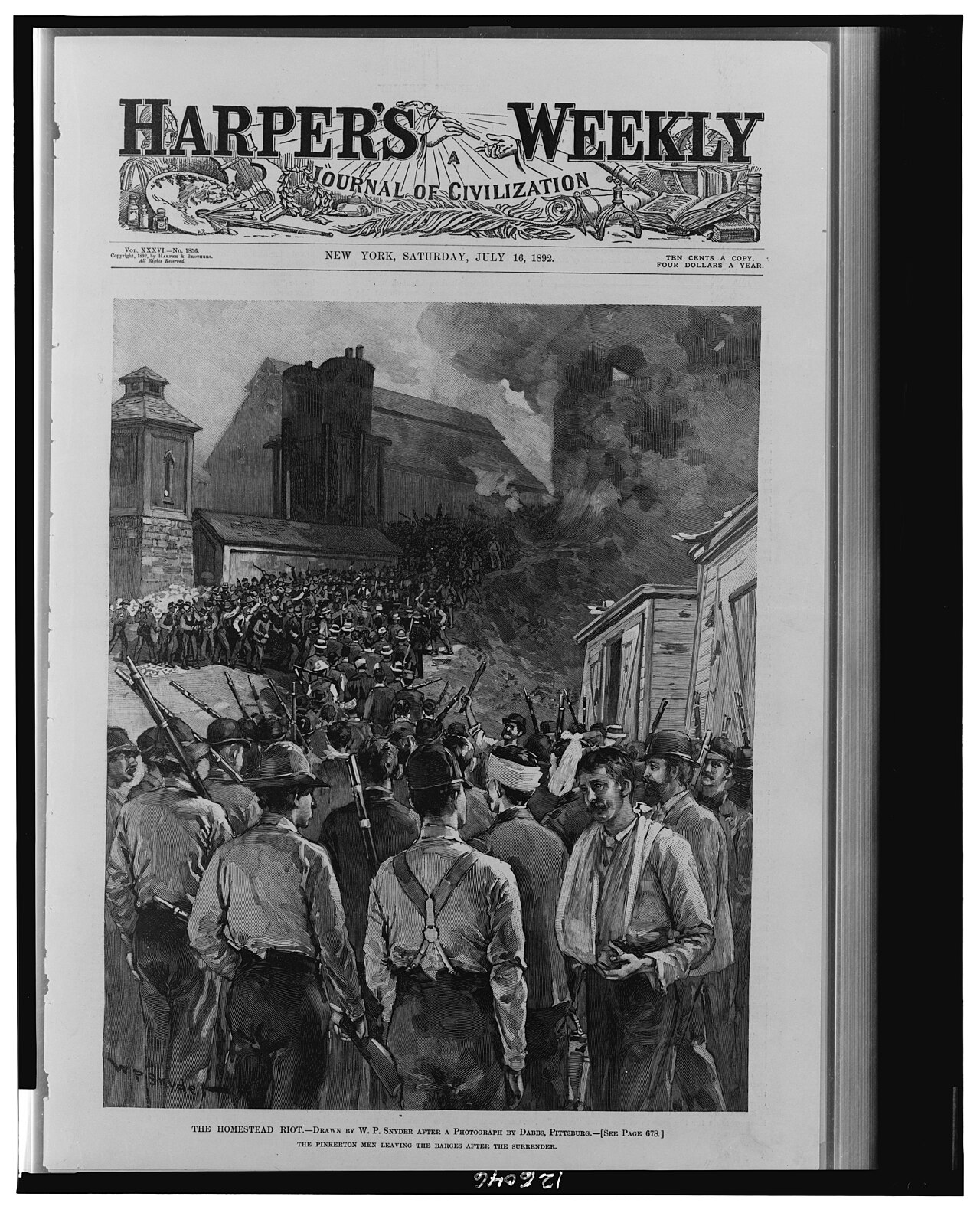
The Homestead Riot
W. P. Snyder · 16 July 1892
 Photograph
Primary source
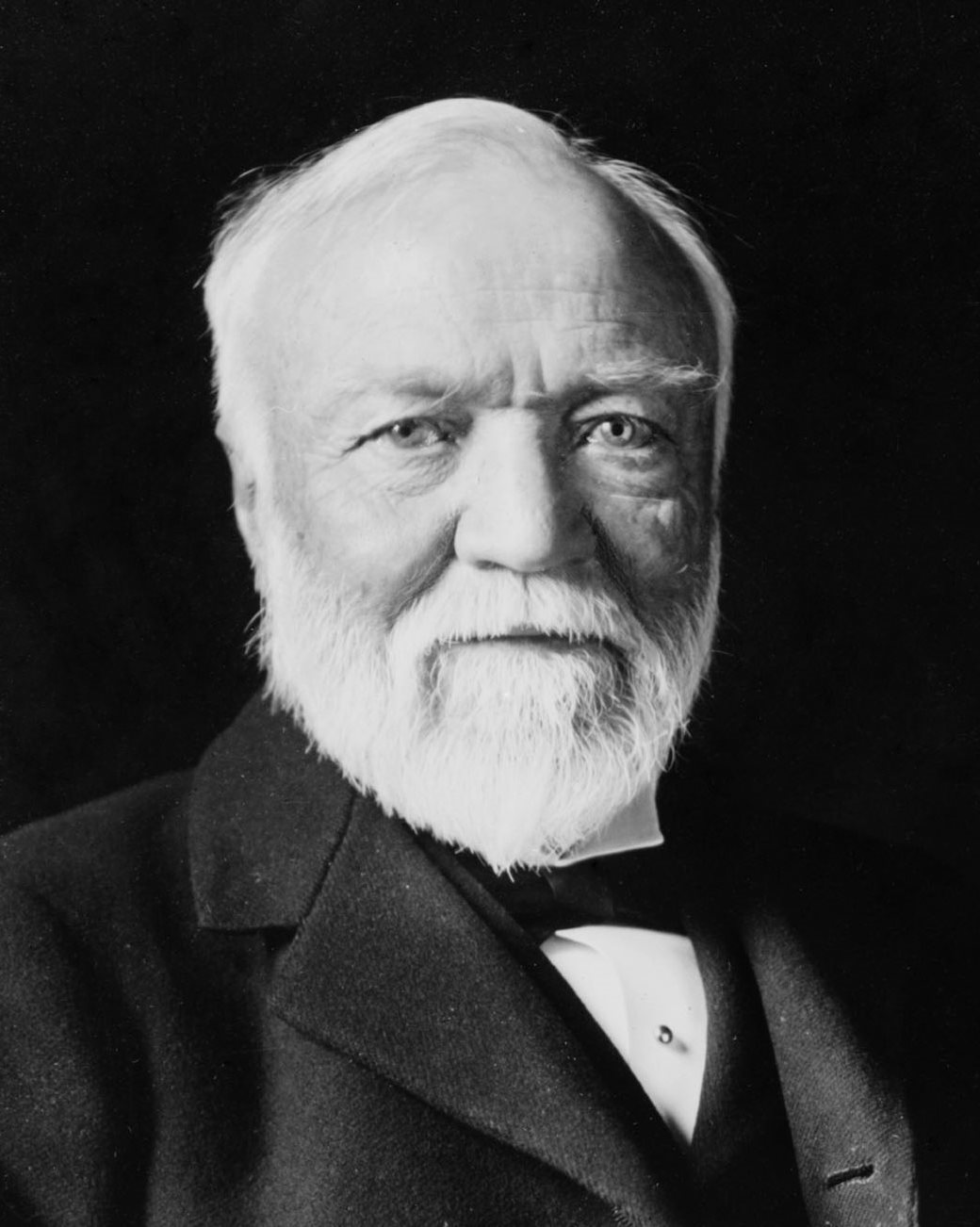
Portrait of Andrew Carnegie
1913
 Letter
Primary source
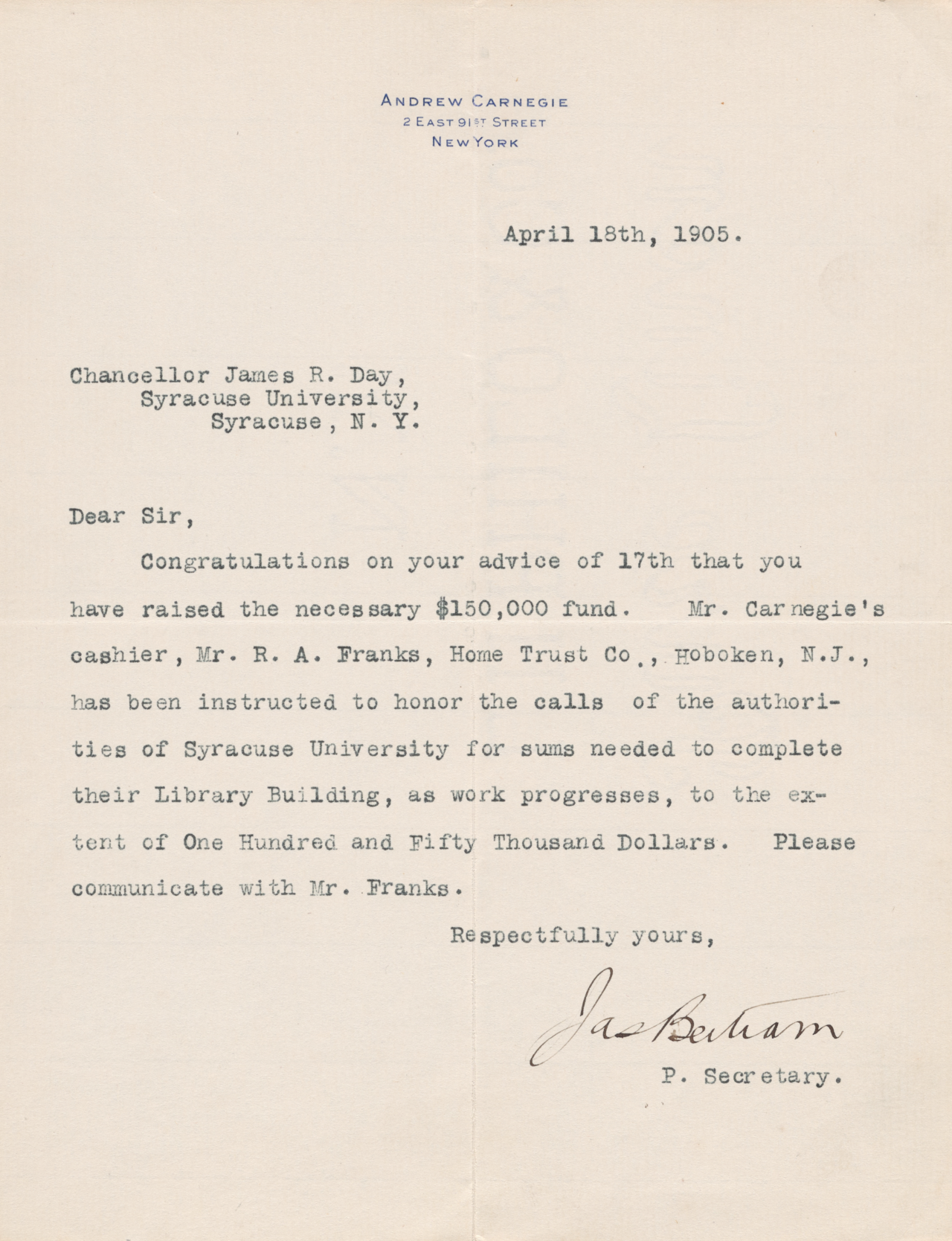
Andrew Carnegie Papers
Andrew Carnegie · 18 April 1905
Ready when you are
Start chatting with Andrew Carnegie now.
20 messages free · No credit card · Available in 50+ languages.