


Primary sourceDocument1876–1877
Stabat Mater
Antonín Dvořák · 1876–1877
A large sacred choral work by Dvořák, begun after the death of his infant daughter and completed after two more of his children died.
Dvořák composed this sacred work amid personal grief, and it later launched his career in Britain.
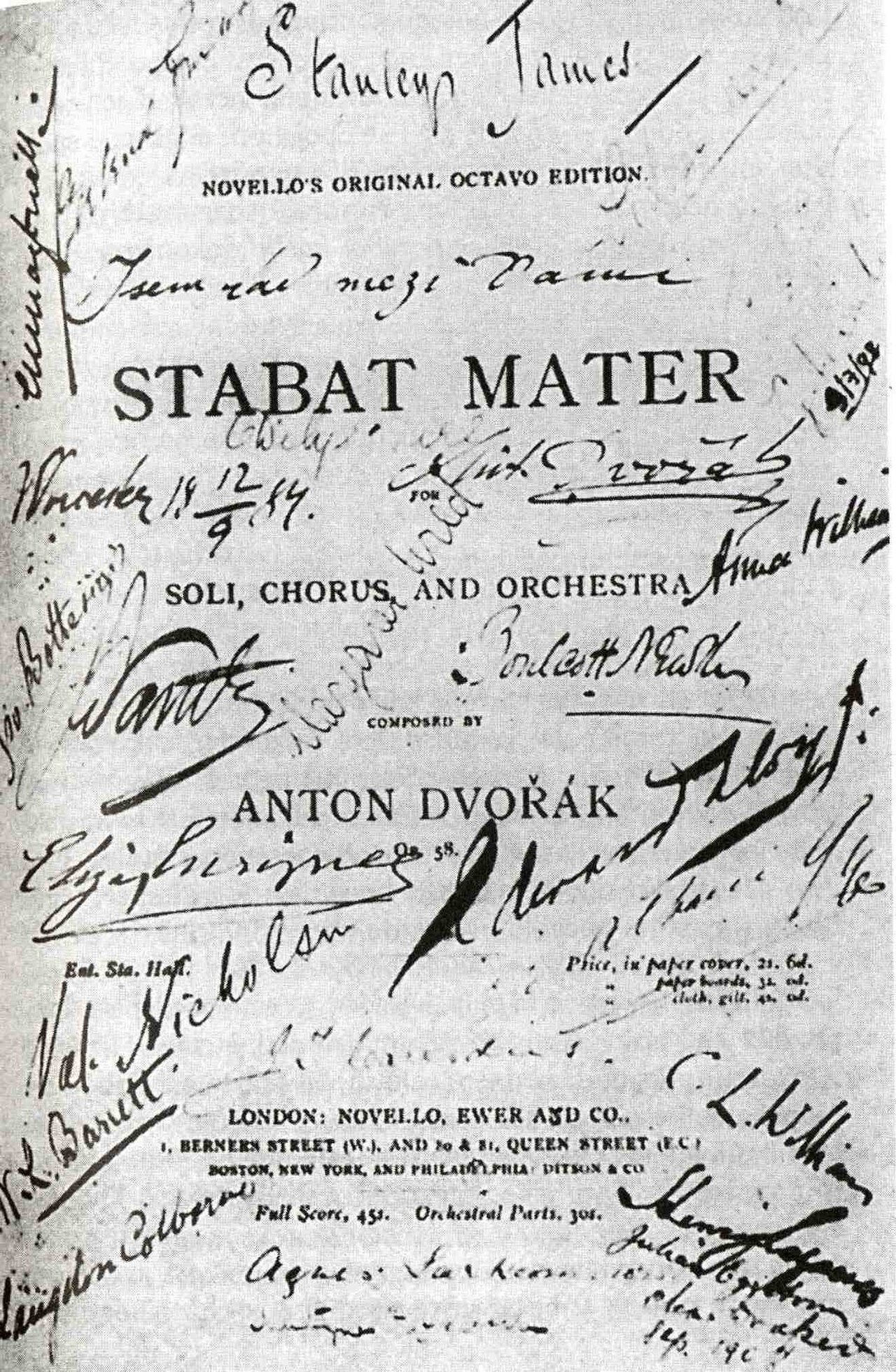
About this source
What it is
Dvořák's Stabat Mater, Op. 58, is a setting for soloists, choir and orchestra of the Stabat Mater sequence, sketched in 1876 and completed in 1877. It premiered in Prague in 1880 and was performed in London in 1883 and at the Royal Albert Hall in 1884.
Why it matters
The work has often been linked to the deaths of Dvořák's children, two of whom died within a short time of each other in 1877, though recent scholarship has questioned exactly how directly his grief shaped the music. Its London performances were crucial to launching Dvořák's international career and remain his best-known sacred work today, showing both his personal faith and how performances abroad could transform a composer's reputation.
Look closer
- Why might historians debate whether personal grief directly inspired a piece of religious music?
- What does the signed, inscribed score suggest about how audiences and performers valued this work?
- How might a sacred work composed in Prague change in meaning when performed in London decades later?
This document is part of the curated material that grounds the AI version of Antonín Dvořák on Humy.ai — when students ask about related events, the AI can quote it and cite it.
More Antonín Dvořák sources
Browse all 96 →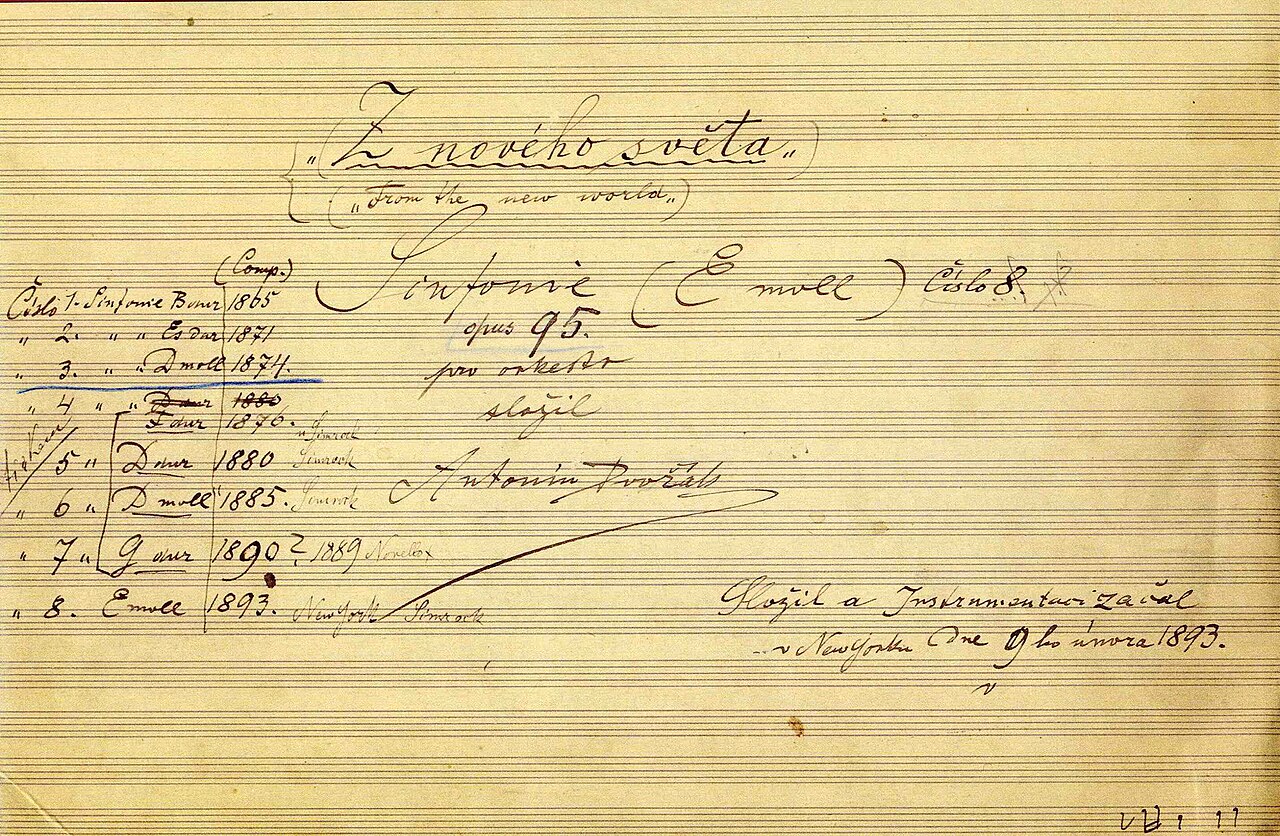 Document
Primary source
Symphony No. 9 'From the New World'
Antonín Dvořák · 1893
 Document
Primary source
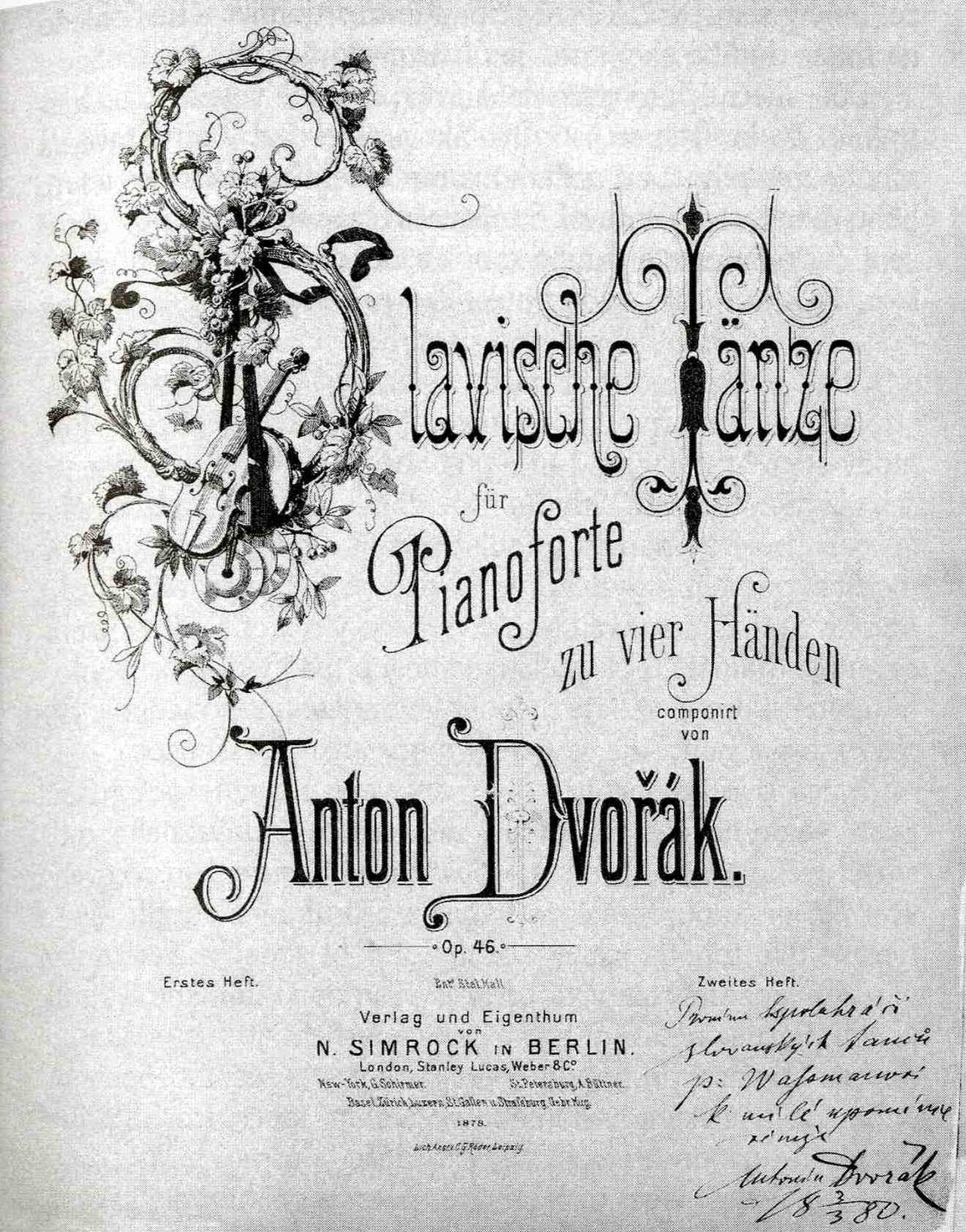
Slavonic Dances
Antonín Dvořák · 1878–1886
 Document
Primary source
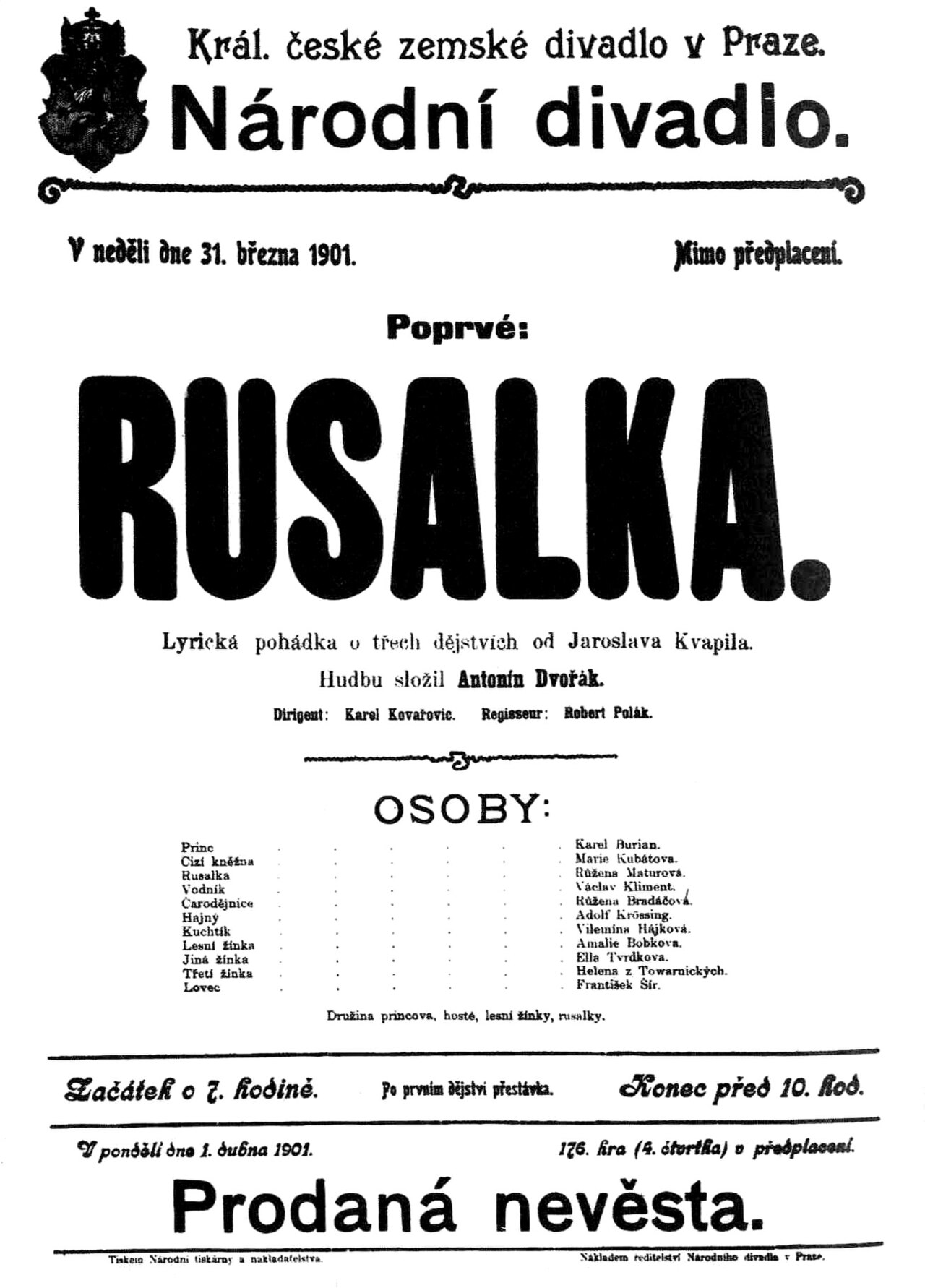
Cello Concerto in B minor
Antonín Dvořák · 1894–1895
 Document
Primary source
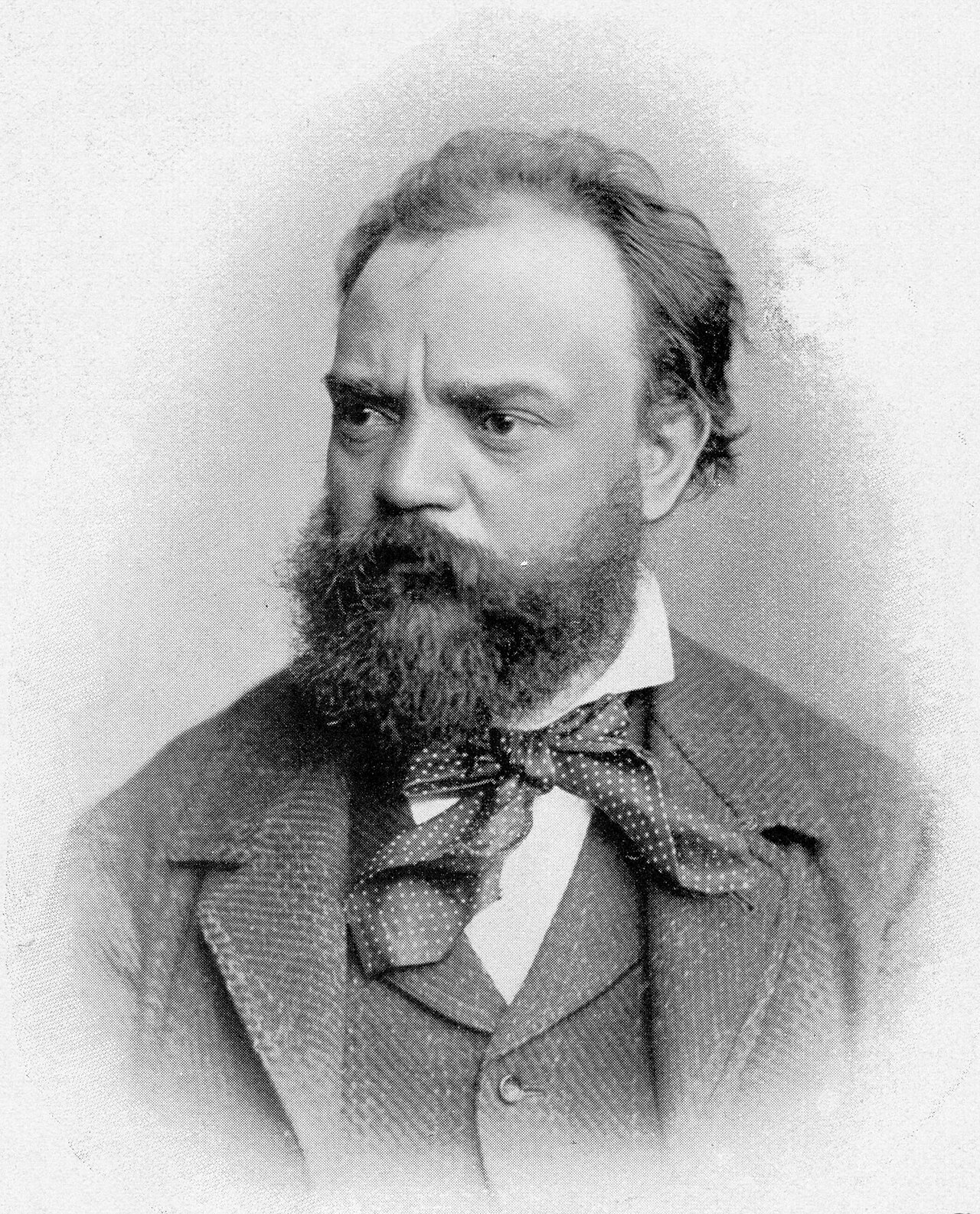
Rusalka
Antonín Dvořák · 1900–1901
Free account
Read every Antonín Dvořák source
Sign up free →
Ready when you are
Start chatting with Antonín Dvořák now.
20 messages free · No credit card · Available in 50+ languages.